8 of the Most Common Challenges in Construction Logistics
Even a construction project with excellent plans, skilled workers, and the right equipment can fall behind schedule when there are logistical issues. Materials may arrive late, equipment may face transportation challenges, and unexpected road and weather conditions may cause significant disruption.
Understanding these issues can help highlight potential problems early and develop practical solutions for eliminating them altogether. This article outlines eight common challenges construction companies need to manage.
Delayed Material Deliveries
When an essential shipment is delayed, it affects all aspects of construction work. Workers may be unable to complete their assigned work, material may arrive outside working hours, and some activities may need to be rescheduled or pushed forward. You can reduce the impact of delays in the following ways:
- Schedule deliveries in advance
- Alternative suppliers and transportation options
- Clear and open communication with all parties
- Prioritizing deliveries that could affect multiple stages of the project
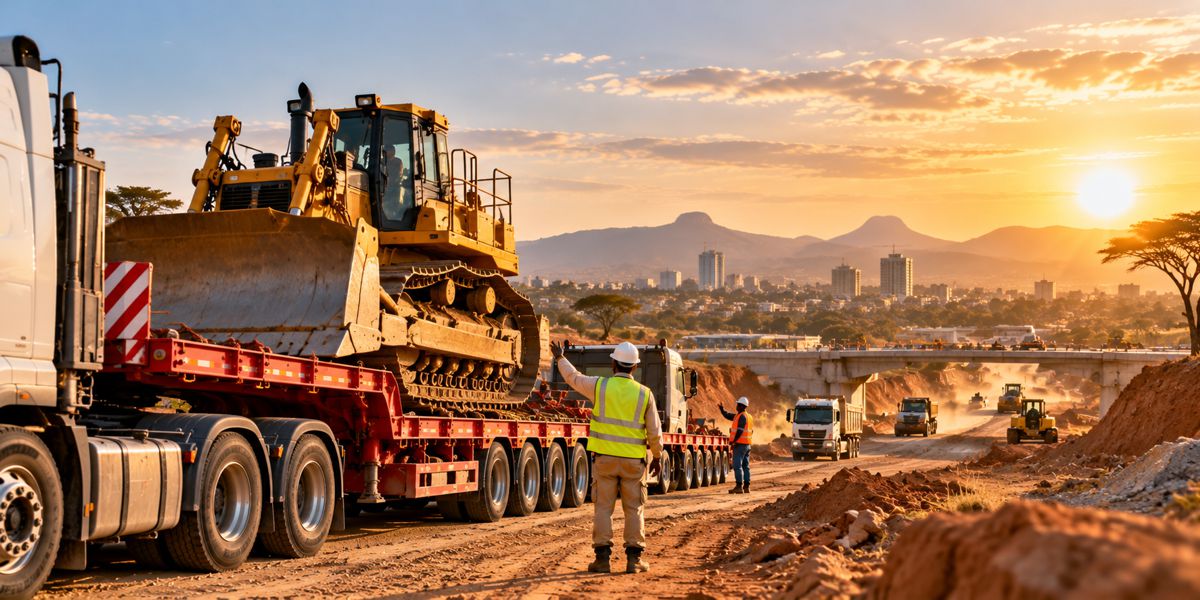
Transporting Heavy and Oversized Equipment
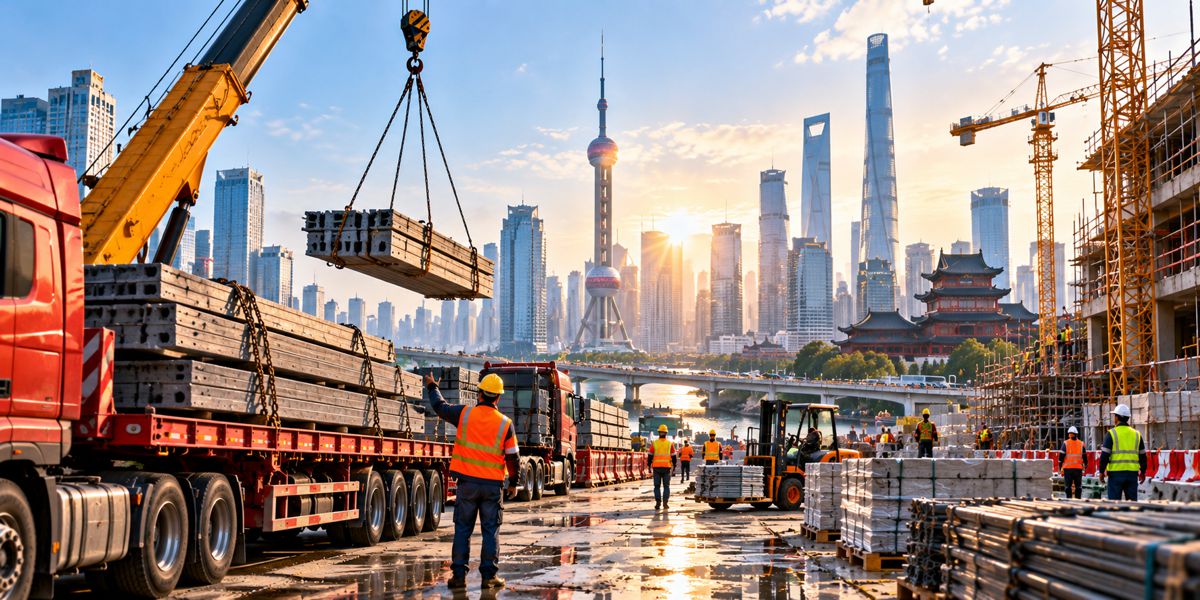
To transport heavy machinery to the construction site, you may require specialized vehicles and careful route planning to reach the destination safely. You also need to factor in:
- Bridge weight limits
- Road restrictions
- Required permits
- Transportation regulations
- Road conditions
- Available space for unloading at the construction site
Limited Site Access
Surrounding buildings and narrow streets may limit where delivery vehicles can stop and unload. Schedule deliveries carefully and assign specific areas or times for unloading.
When space is limited, coordinate smaller deliveries to reduce congestion. You can also consider coordinating deliveries closely with the construction schedule. Materials should arrive as close as practical to when they will be needed.
Rising Transportation Costs
Fuel, labor, tolls, permits, vehicle availability, and route inefficiencies can all affect the total cost of a project. Look for opportunities to control these costs by:
- Consolidating compatible shipments where practical
- Planning routes to reduce unnecessary mileage
- Coordinating deliveries to avoid empty return trips
- Comparing transportation options before major shipments
- Reviewing recurring transportation expenses
For complex or long-distance freight, an experienced transportation provider, like Vesta Freight, can help simplify coordination and can be considered by construction businesses looking for support with freight transportation and logistics.
Lack of Delivery Visibility
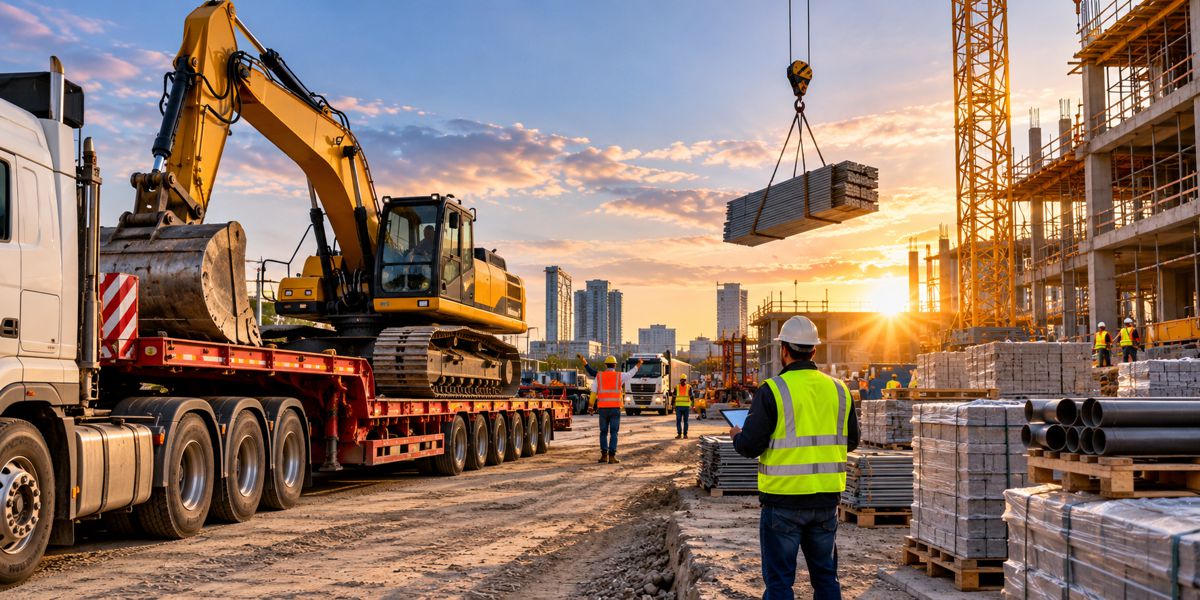
You may learn that a critical shipment is delayed when it is too late without needed visibility. This makes it hard to reorganize the needed labor or equipment. Real-time tracking technology provides visibility throughout the transportation process.
Updates on shipment status and estimated arrival times allow site teams to prepare for changes while improving coordination across teams. A centralized system also makes it easier to monitor shipments and avoid guesswork.
Failing to Prepare for Unexpected Disruptions
Even the most detailed logistics plan cannot eliminate every risk. What matters is how quickly a project can respond. A proper contingency plan can include the following steps:
- Identifying alternative transportation routes
- Having backup suppliers for critical materials
- Allowing flexibility in delivery windows
- Establishing procedures for urgent shipments
- Maintaining communication channels
Contingency planning gives project teams more flexibility when circumstances change instead of making rushed decisions.
Not Having Off-Site Storage
Construction sites often have limited space, making it difficult to store materials until they are needed. When you fail to plan for off-site storage, deliveries can block the way and valuable materials may be damaged.
A temporary off-site storage facility provides additional space while allowing materials to be delivered in stages. This can be useful for large projects where supplies need to be purchased in advance. When planning off-site storage, consider:
- Location
- Accessibility
- Security
- Inventory management
Planning storage alongside transportation can help reduce congestion at the construction site and give project managers greater flexibility over when materials arrive.

Safety Risks
Construction sites are not safe environments. There are a number of dangers, from moving vehicles and heavy equipment to falling materials and uneven surfaces. Without proper safety planning, you will be dealing with one accident after another.
Ensure to follow safety regulations by the Occupational Safety and Health Administration and prioritize employee safety training. This will reduce the number of accidents in the workplace. Workers should wear the right personal protective equipment. This should extend to everyone visiting the site, no exceptions.
In addition, inspections should be conducted to identify any hidden danger that could put workers at risk. Display large, easy-to-see signs to warn people about hazards and restricted areas.
Endnote
Construction logistics involves much more than getting materials from a supplier to a jobsite. It plays an important role in ensuring the success of a construction project. This includes planning how materials, equipment, workers, vehicles, and information will move throughout a project.
When these activities are not properly coordinated, they can create big consequences. A construction project can experience delays, higher costs, safety concerns, and unnecessary waste. Regularly reviewing the logistics plan as construction progresses can help teams identify new constraints and keep operations organized.