Tarmac secures accreditation for innovative rubber asphalt
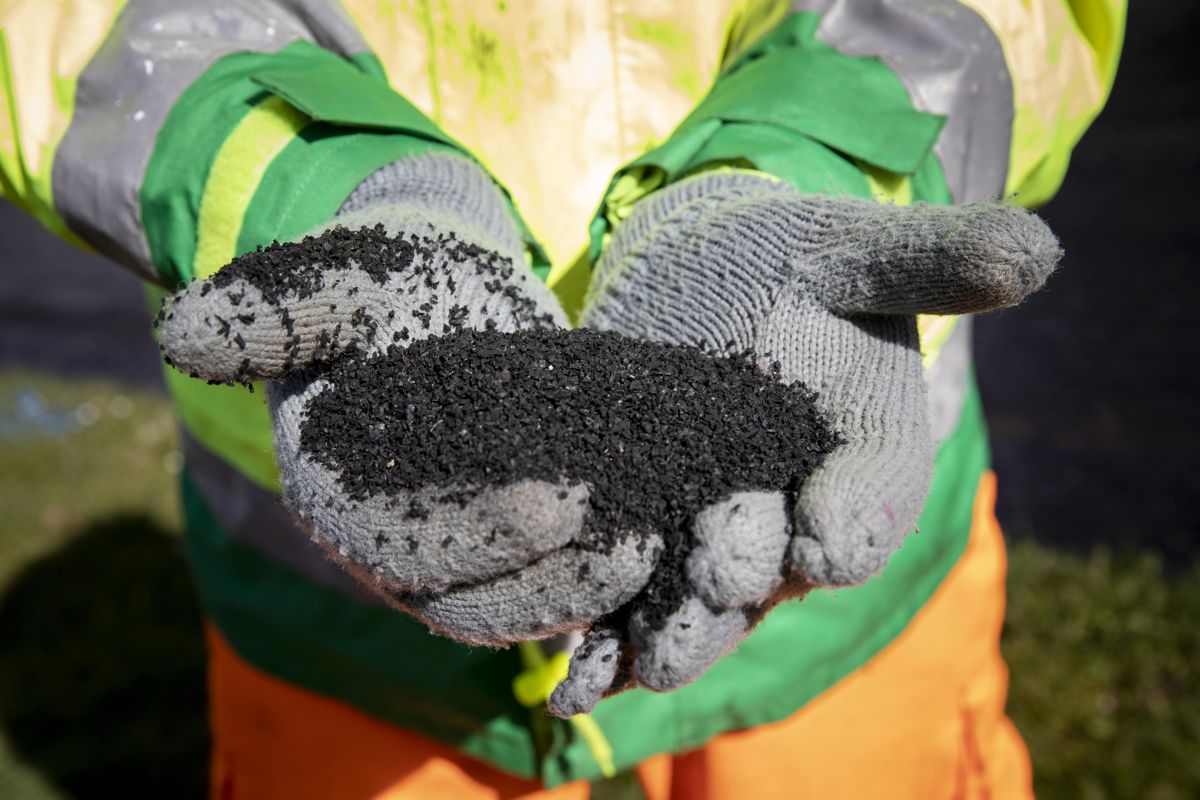
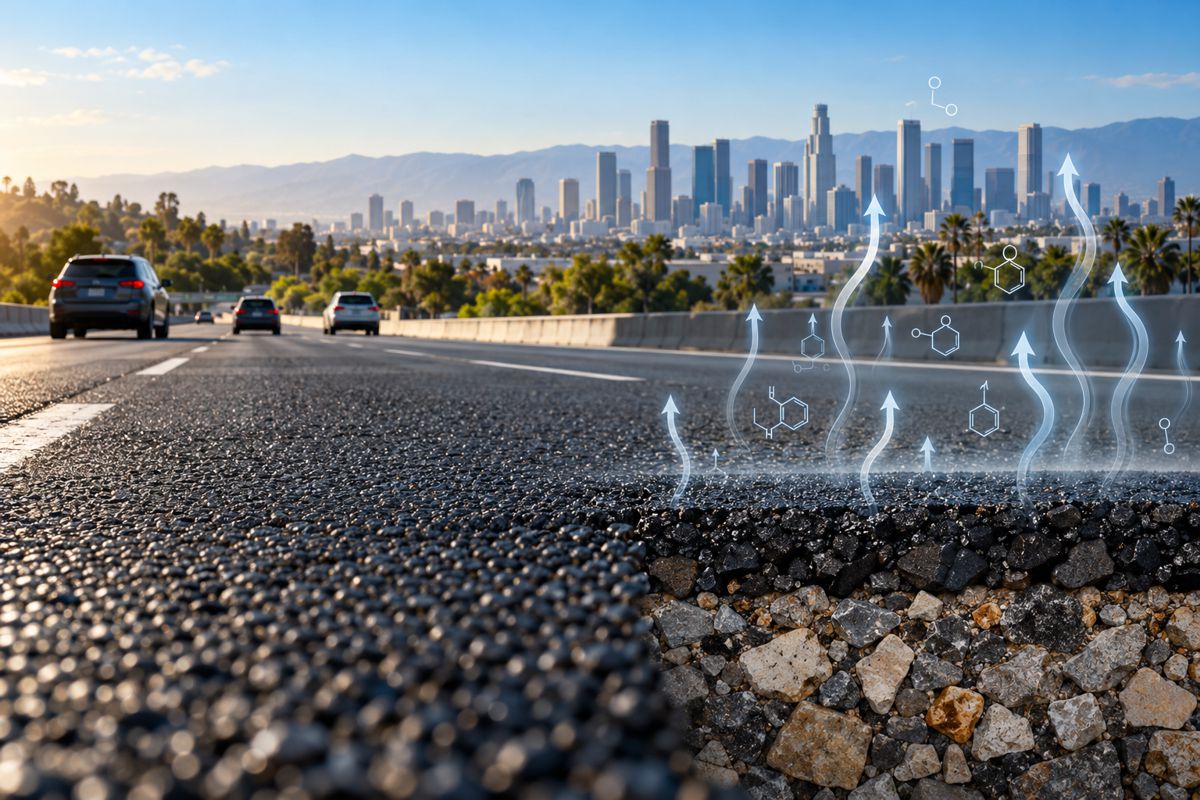
Tarmac has become the first company in the UK to secure recognised industry approval for its innovative rubber modified asphalt incorporating recycled end of life car tyres for use on the strategic road network.
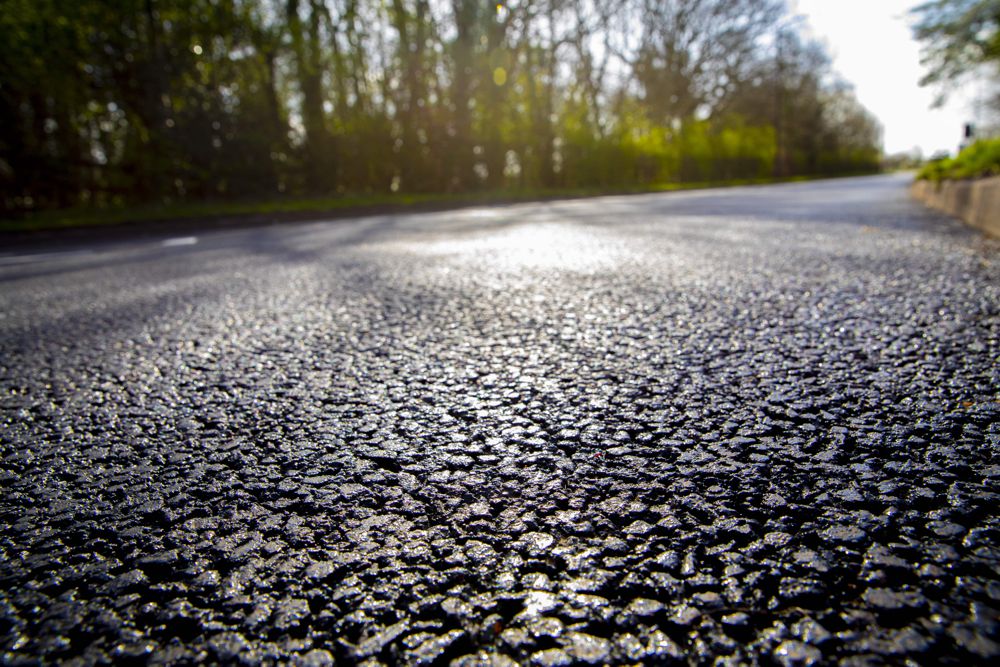
Following a series of successful trials over a number of years, the leading sustainable construction solutions company’s ULTIPAVE R is the first thin surfacing system of its kind to receive BBA HAPAS Clause 942 approval.
Tarmac’s long-held strategy has been to incorporate waste stream materials into asphalt where possible and has calculated that it can reuse the rubber of up to 750 waste tyres for every kilometre of highway surfaced with the new material, depending on the thickness of the road.
To additionally boost the sustainable credentials of ULTIPAVE R, the rubber modified asphalt is manufactured with the company’s ULTILOW warm-mix binder technology which further reduces its embodied carbon.
Brian Kent, national technical director at Tarmac, said: “As a business, we remain fully committed to developing sustainable construction materials and our innovative rubber modified asphalt is another fantastic example of the innovation we continue to invest in, to improve the environmental performance of our roads.
“Using high-grade aggregates and rubber, ULTIPAVE R delivers impressive durability. Securing the BBA HAPAS approval is a major milestone for us and will enable us to introduce the product to even more of our partners for use across the UK’s strategic road network, as well as further expand its use on the local authority road network.”
Working alongside Highways England in 2019 and recognising that the economic and environmental benefits could be significant, a trial section of the material was laid on the southbound carriageway of the M1 between junctions 23 and 22.
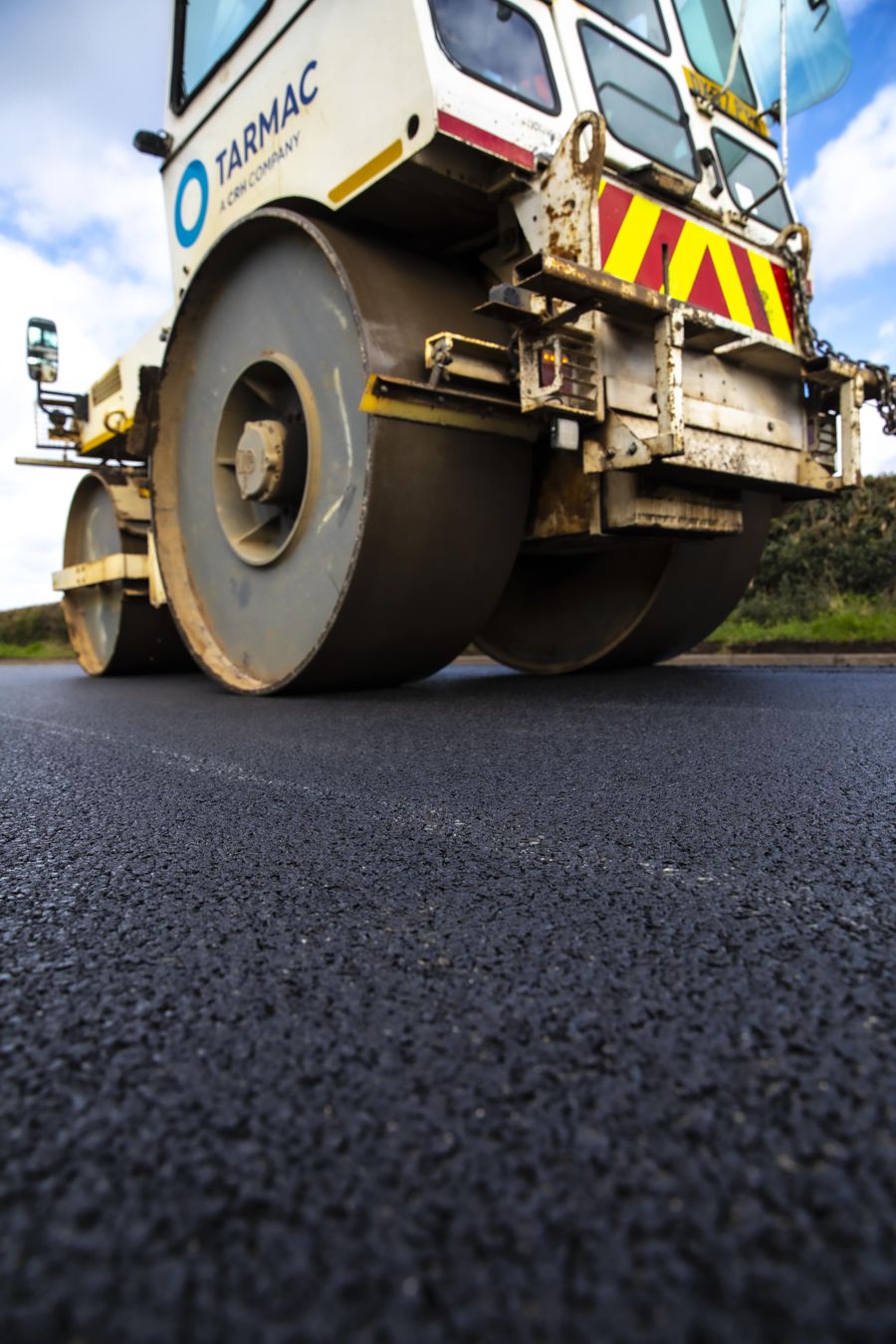
Incorporating a higher percentage of rubber modification than the asphalt mixes previously trialled with local authorities, this trial of ULTIPAVE R represented the first motorway resurfacing scheme to use an asphalt containing granulated rubber from the UK’s tyre waste stream.
While there has been significant progress in recycling waste tyres in the UK, there is still a reliance on the export of used tyres to North Africa and the Indian subcontinent. The UK currently exports one in four tyres, equating to 150,000 tonnes annually. Using the waste tyre stream in asphalt provides an additional disposal route in the UK.
The development of rubber asphalt is part of Tarmac’s ongoing commitment to sustainability and the circular economy, with the business recycling approximately 8 million tonnes of waste and secondary aggregates from other industries every year. It also builds on the company’s reuse of waste tyres to power its cement kilns and its commitment as a net user of waste.