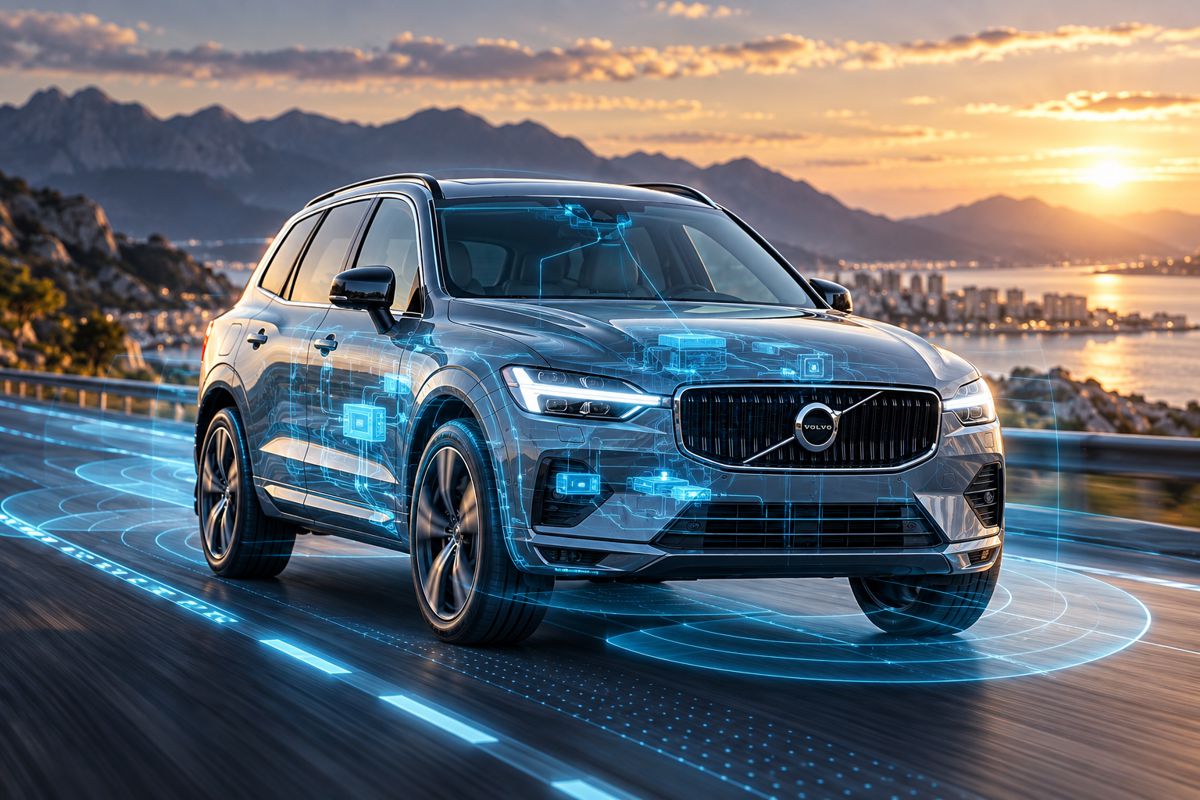
Reinventing Hybrid Integration with the X Range C15 Direct Drive
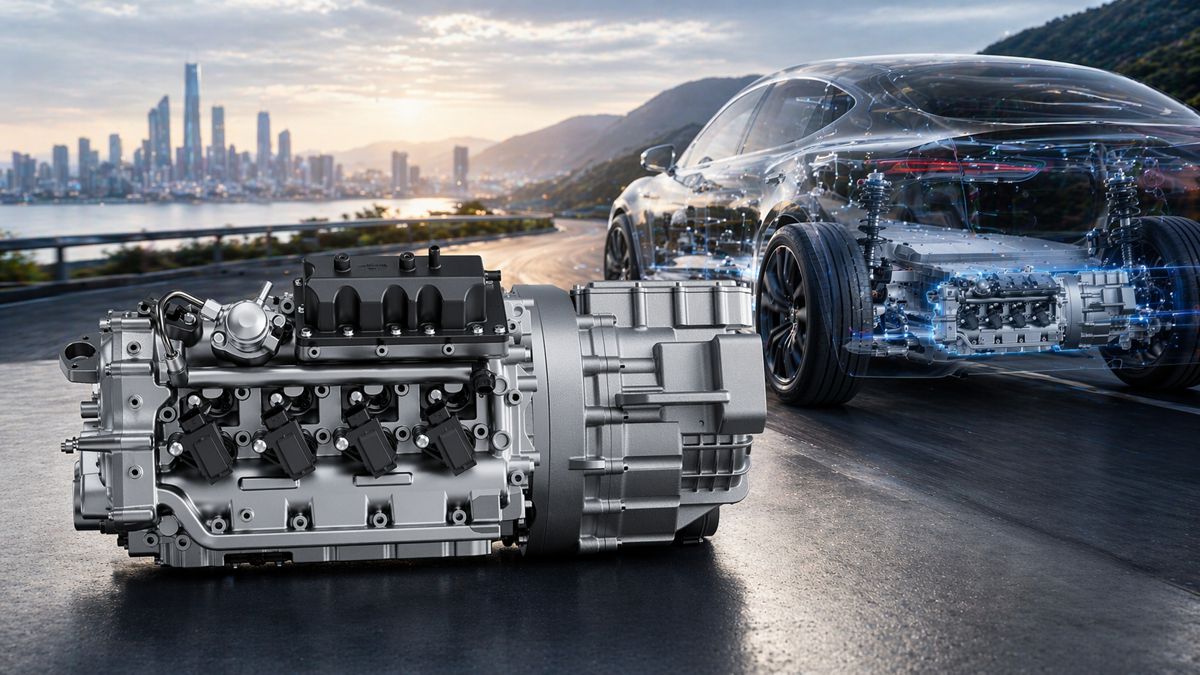
At a time when global automotive strategies are shifting under the weight of cost pressures, infrastructure gaps, and evolving emissions regulations, the arrival of a new generation of integrated hybrid systems signals a notable change in direction. At the upcoming Beijing Auto Show 2026, Horse Powertrain will introduce the X Range C15 Direct Drive, a compact, fully integrated hybrid powertrain designed to slot directly into battery electric vehicle platforms.
The concept is straightforward, though its implications are anything but. Rather than forcing manufacturers to commit exclusively to battery electric architectures, the system allows a single vehicle platform to support multiple propulsion strategies. In practical terms, that means a car originally engineered as a BEV can be adapted into a hybrid, plug in hybrid, or range extended electric vehicle with minimal structural or production changes.
This approach lands at a pivotal moment. While electrification remains the long term objective across most major markets, recent data from organisations such as the International Energy Agency highlights uneven adoption rates, particularly outside Europe and China. Infrastructure constraints, supply chain volatility, and consumer hesitation have pushed many manufacturers to revisit hybrid solutions as a bridging technology. Against that backdrop, integrated systems such as the X Range C15 are less about compromise and more about strategic flexibility.
Briefing
- Integrates engine, motors, transmission and electronics into a single compact rear mounted unit
- Enables BEV platforms to support hybrid, plug in hybrid and range extended configurations
- Offers naturally aspirated and turbocharged variants ranging from 70kW to 120kW
- Designed to reduce manufacturing complexity and accelerate time to market
- Reflects wider industry shift towards platform flexibility amid uncertain EV adoption
A Platform Strategy That Reflects Market Reality
The automotive sector has spent the better part of a decade investing heavily in dedicated electric vehicle architectures. These platforms, often referred to as skateboard designs, prioritise battery placement and electric drive efficiency. Yet the commercial reality has proven more complex. Demand has fluctuated, incentives have shifted, and infrastructure rollout has lagged in key regions.
Manufacturers now find themselves balancing long term electrification goals with short term commercial viability. That balancing act has driven renewed interest in flexible platforms capable of accommodating multiple powertrains. The X Range C15 Direct Drive addresses that requirement head on by acting as a direct substitute for a rear electric drive unit.
In doing so, it effectively transforms a single platform into a multi powertrain ecosystem. Automakers can maintain design continuity across their model range while adjusting propulsion strategies to suit regional demand, regulatory frameworks, or supply constraints. It is a pragmatic response to a market that no longer rewards rigid, one size fits all solutions.
Engineering Integration in a Single Compact Unit
From an engineering standpoint, the defining feature of the X Range C15 Direct Drive lies in its level of integration. The system combines a four cylinder internal combustion engine, hybrid transmission, electric motors, and power electronics within a shared housing. This compact configuration is designed for rear subframe mounting, enabling a double isolated installation to improve noise, vibration, and harshness performance.
The flat profile of the unit allows it to fit within existing BEV packaging constraints, preserving interior space and battery layout. Exhaust and after treatment systems are integrated at the rear, reducing the need for extensive redesign of the vehicle underbody. For manufacturers, that translates into lower reengineering costs and shorter development cycles.
This kind of integration also reflects broader trends in automotive engineering, where modularity and compact packaging are becoming critical. As vehicles incorporate more electronics and safety systems, available space becomes increasingly constrained. Solutions that combine multiple functions into a single unit help address that challenge while simplifying assembly processes.
Dual Motor Architecture and Efficiency Gains
At the core of the system is a dual motor configuration arranged in a P1 plus P3 layout. One motor is connected to the engine crankshaft, while the second is positioned at the transmission output. This arrangement allows the system to operate in both serial and parallel hybrid modes, offering flexibility across different driving conditions.
The P1 motor primarily functions as a generator, supporting battery charging and energy recovery. Output levels vary depending on configuration, reaching up to 70kW in naturally aspirated setups and 110kW in turbocharged variants. The P3 motor, meanwhile, provides direct traction, either independently in electric mode or in combination with the engine.
This dual mode capability is significant. Pure serial hybrids often suffer from efficiency losses due to energy conversion steps, while parallel hybrids can deliver better efficiency by allowing mechanical drive from the engine to the wheels. By combining both approaches, the X Range C15 Direct Drive aims to optimise performance across a wider range of operating scenarios.
Scalable Performance Across Vehicle Segments
The system is built around a 1.5 litre four cylinder engine, available in naturally aspirated and turbocharged configurations. The naturally aspirated variant targets smaller B and C segment vehicles, delivering outputs up to 70kW. The turbocharged version extends capability to larger D segment vehicles and light commercial vehicles, with outputs reaching 120kW.
This scalability is central to the system’s appeal. Rather than developing separate powertrains for different vehicle classes, manufacturers can adapt a single architecture to meet varying performance requirements. That reduces development complexity and allows for more efficient use of engineering resources.
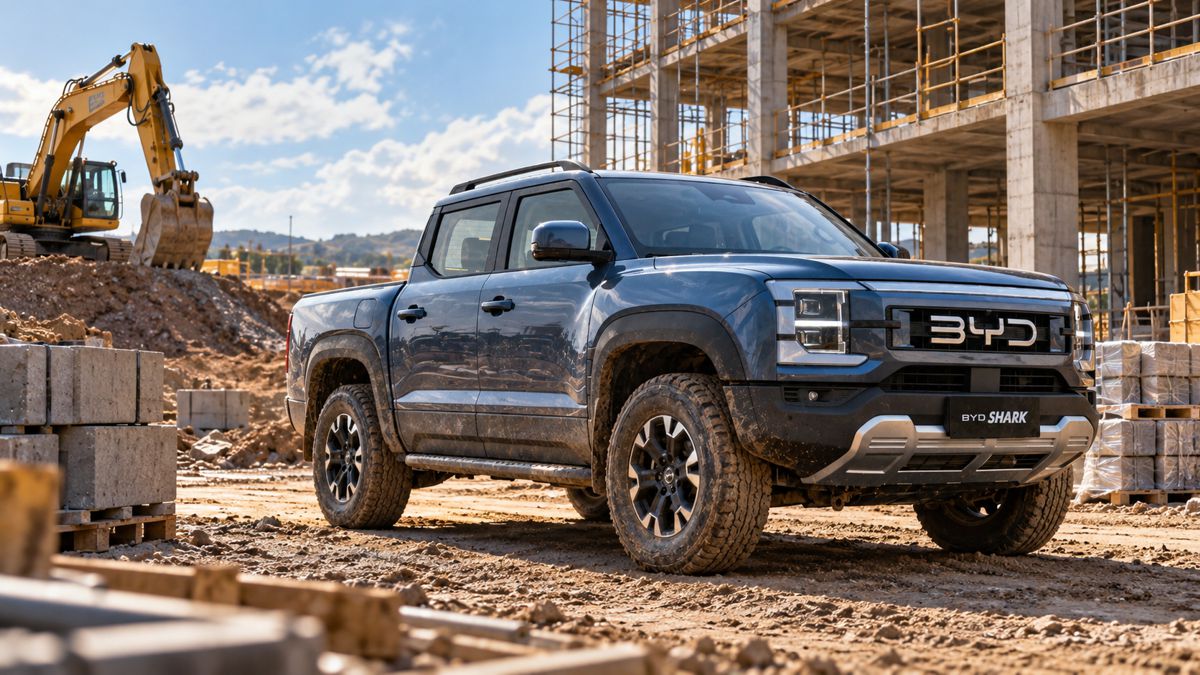
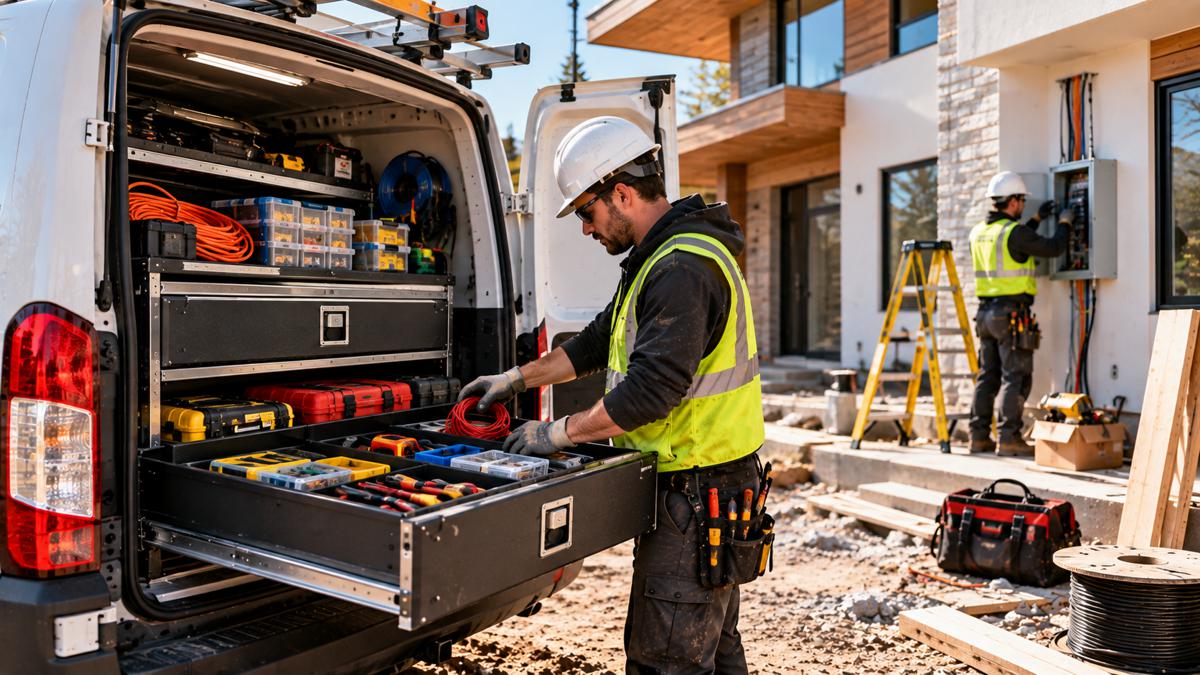
Beyond passenger vehicles, the potential applications extend into light commercial transport, where electrification presents additional challenges due to payload requirements and duty cycles. Hybrid systems that balance efficiency with operational flexibility are likely to play a key role in this segment over the coming decade.
Manufacturing and Cost Implications
Perhaps the most immediate impact of the X Range C15 Direct Drive lies in its potential to reshape manufacturing strategies. By enabling multiple powertrain configurations on a single production line, the system reduces the need for dedicated assembly processes tied to specific propulsion types.
This aligns with a broader industry push towards flexible manufacturing. Plants designed around rigid production models struggle to adapt quickly to changing demand. In contrast, facilities capable of producing different variants from the same platform can respond more effectively to market fluctuations.
The economic implications are considerable. Development costs for dedicated EV platforms have been substantial, and manufacturers are under pressure to maximise returns on those investments. Systems that extend the usefulness of these platforms across multiple vehicle types help spread costs and reduce financial risk.
Industry Context and Strategic Positioning
The introduction of the X Range family reflects a wider reassessment of electrification timelines. While governments in regions such as the European Union continue to push for zero emission vehicles, transitional technologies remain essential. Hybrids, particularly those capable of operating in electric mode for urban driving, offer a practical pathway towards emissions reduction without relying entirely on charging infrastructure.
Horse Powertrain’s positioning within this landscape is notable. With partnerships spanning major automotive groups including Renault Group, Geely Auto, Volvo Cars, Nissan, and Mitsubishi Motors Corporation, the company sits at the intersection of European and Asian markets, both of which are shaping global electrification trends.
Matias Giannini, Chief Executive Officer of Horse Powertrain, said: “The X-Range family of powertrains reflects today’s market realities, allowing automakers to quickly pivot from BEVs to hybrids and range extenders, all using a single platform. The X-Range C15 Direct Drive is an ‘all-in-one’ powertrain, allowing BEV platforms to be converted to HEVs, PHEVs, and REEVs with little redesign or tooling changes required, dramatically reducing time-to-market, amortizing BEV investments, and catering to the diverse array of mobility needs in today’s global market.”
His remarks underline a shift in thinking. Rather than viewing hybrids as a stepping stone to full electrification, they are increasingly seen as a strategic component of a diversified propulsion portfolio.
A Pragmatic Path Forward for Electrification
The debate around the future of automotive propulsion often centres on binary choices, electric versus combustion, zero emissions versus transitional technologies. In reality, the path forward is far more nuanced. Regional differences in infrastructure, policy, and consumer behaviour mean that multiple solutions will coexist for the foreseeable future.
The X Range C15 Direct Drive fits squarely within that reality. By enabling flexibility at the platform level, it allows manufacturers to adapt without abandoning their existing investments. It also provides a means of delivering lower emissions vehicles in markets where full electrification remains challenging.
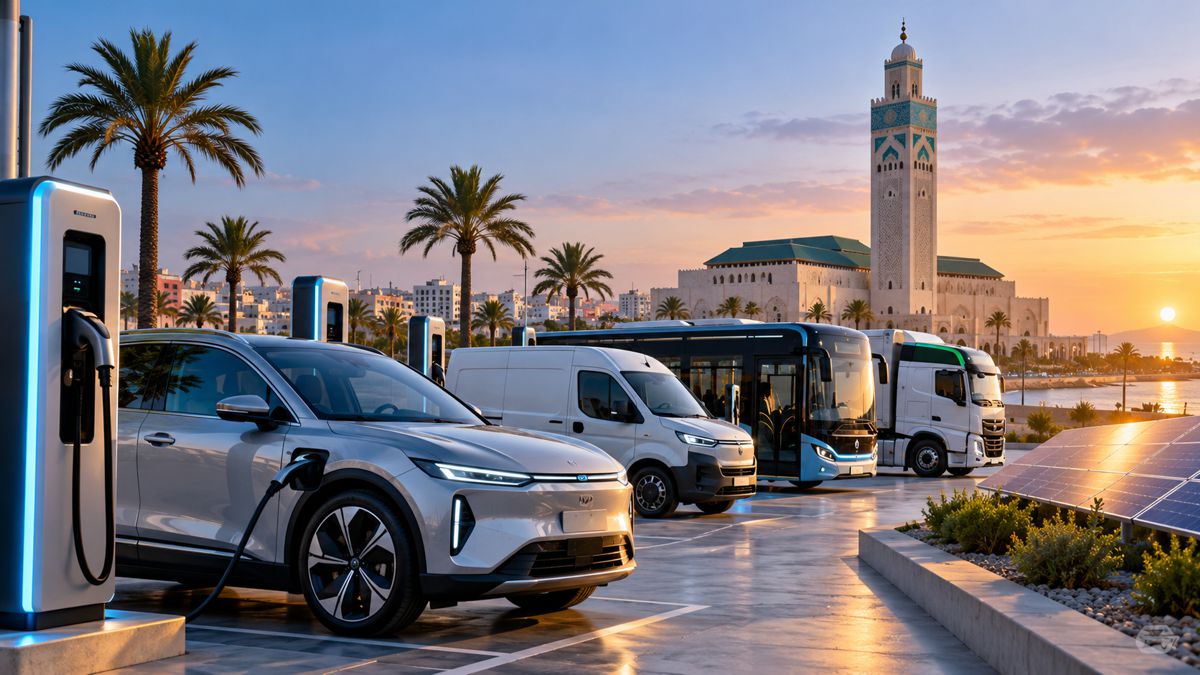
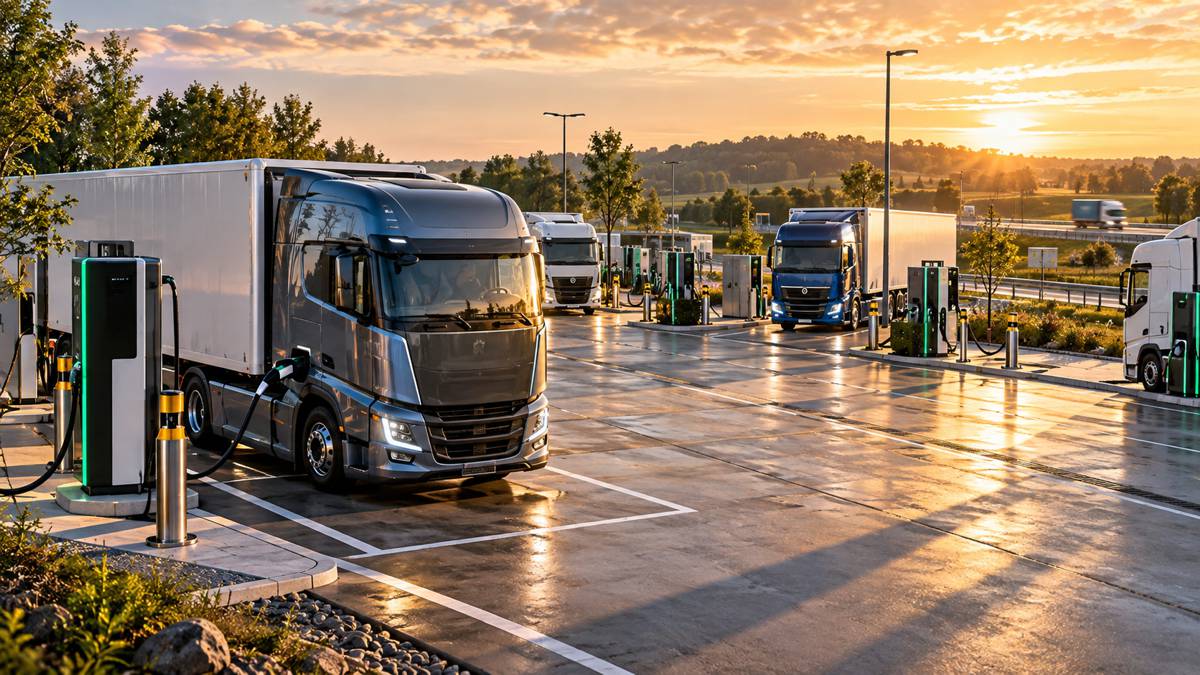
For the construction and infrastructure sectors, where fleet vehicles and logistics play a critical role, such adaptability carries broader implications. The pace of electrification in heavy transport and site operations will depend not only on vehicle technology but also on the supporting infrastructure. Hybrid systems that reduce reliance on charging networks can help bridge that gap while maintaining operational continuity.
In that sense, the significance of this development extends beyond passenger vehicles. It points towards a more flexible, resilient approach to decarbonisation, one that acknowledges the complexities of global markets and the practical realities of infrastructure deployment.