Exploring Bio-Binders and Ecosystem Collaboration
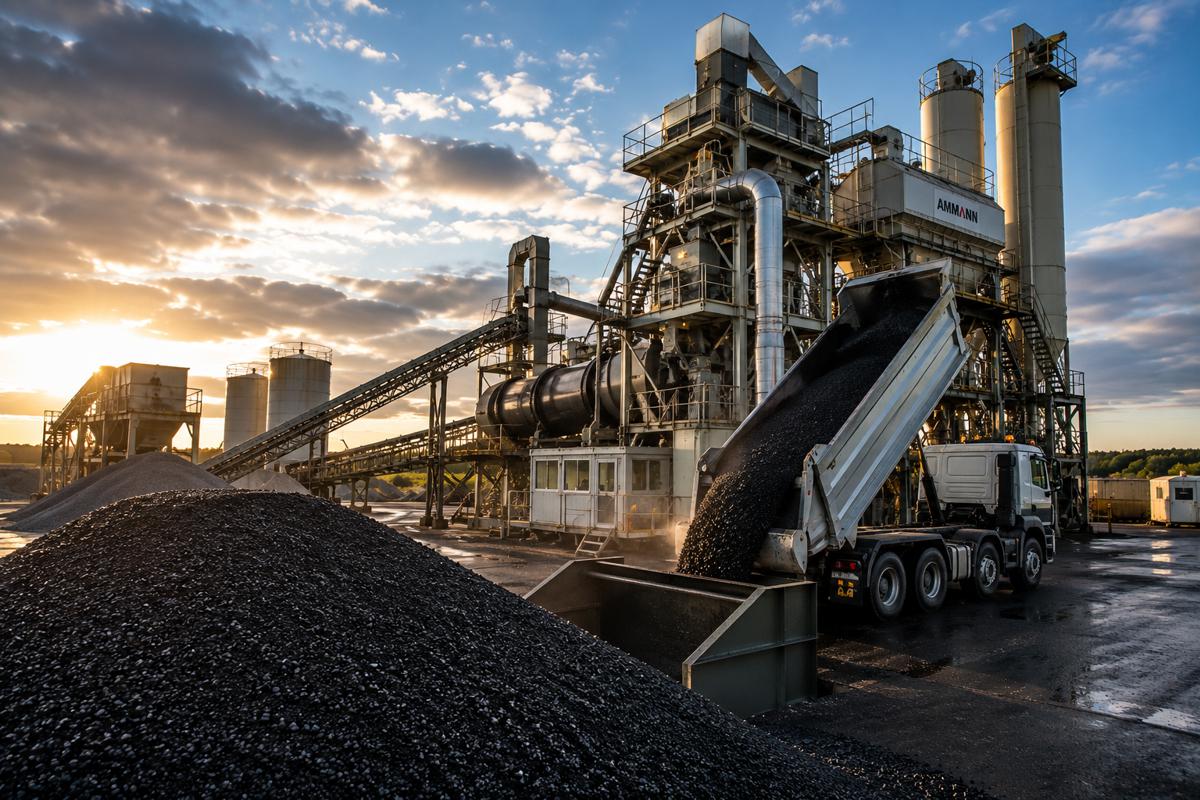
The case for asphalt innovation has never been stronger. With bitumen-based asphalt accounting for over 95% of the UK’s roads, and bitumen road binders emitting ~530kg of CO2 per tonne, the environmental cost is unsustainable.
The financial aspect is equally critical. Bitumen’s direct ties to global energy markets, and their supply chain volatility, has left roadbuilding in a perpetual cycle of deteriorating road surfaces, shrinking maintenance budgets, and delayed repairs – both on a national and international level. According to the Asphalt Industry Alliance’s 2026 ALARM survey, the local road maintenance backlog in England and Wales is now an estimated £18.6 billion; defects are appearing faster than the funding allocated to local authorities to fix them.
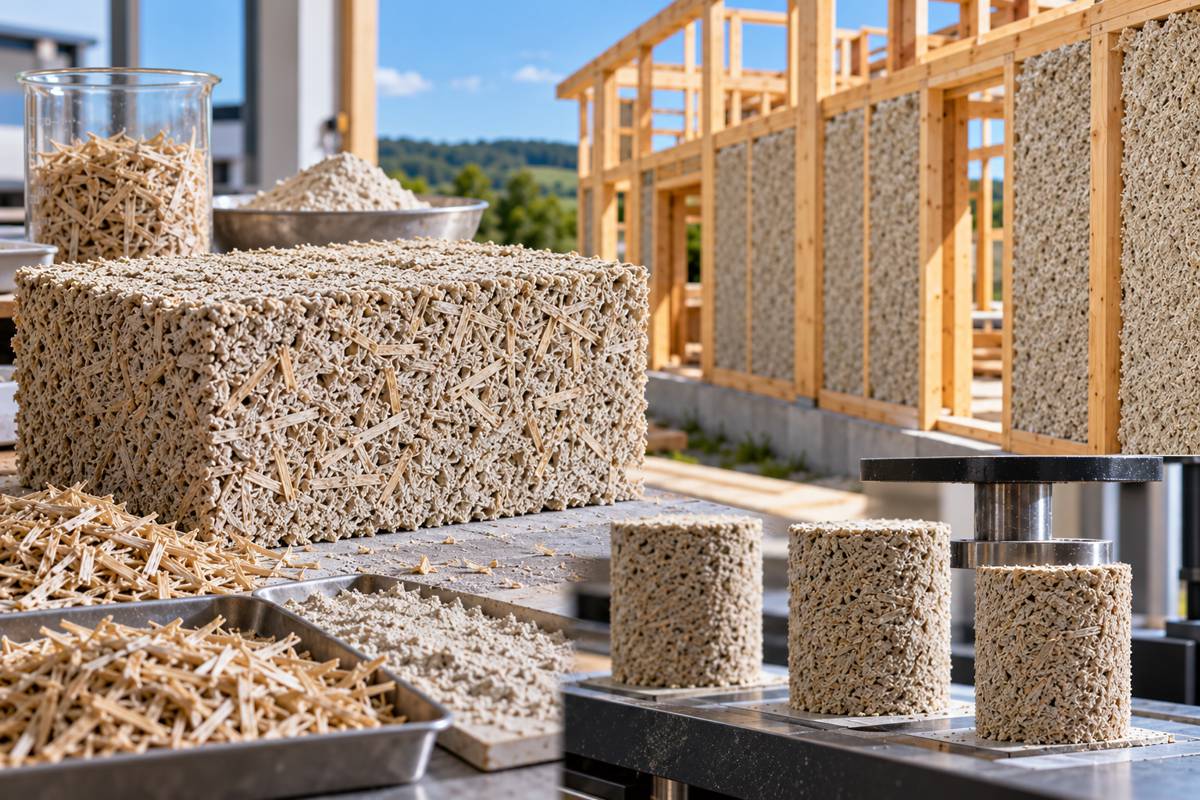
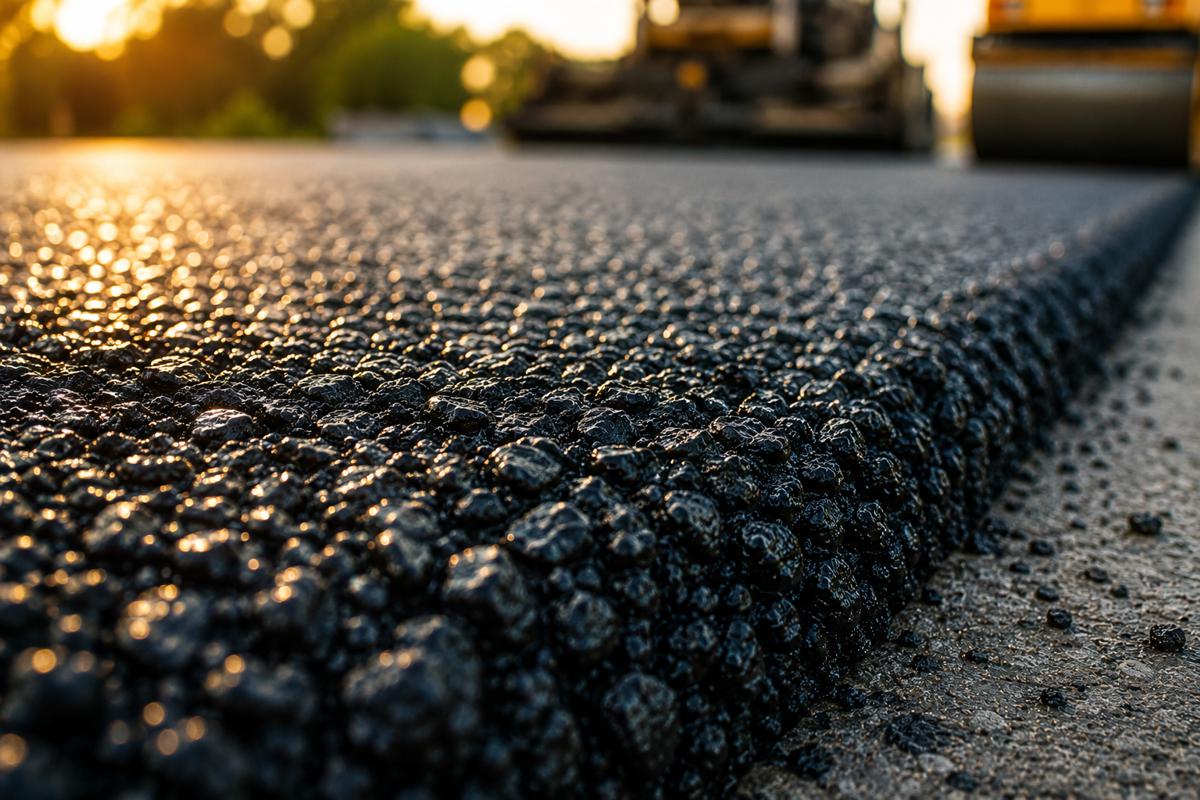
Bio-extended binders, derived from natural or industrial waste materials, are already demonstrating that an alternative exists. National Highway’s 2023 trial on the A30 in Devon, testing plant-based components to replace traditional bitumen in repairs, cut greenhouse gas emissions by 20%. Likewise, sulfur – produced in large quantities as an industrial by-product – has shown equal promise, offering a durable, low-carbon, and cost-effective solution to the liabilities of traditional materials.
However, despite the promising outlook of these initiatives, the roadbuilding industry has been resistant to accepting this evidence and veering away from legacy materials. This stems from ecosystem rigidity; over-optimised for the past, roadbuilding is too structurally dependent on fossil-fuel processes, meaning sustainability is stalled due to a lack of stakeholder alignment to help alternative technologies scale effectively.
What Roadbuilding Gets Wrong About Sustainability
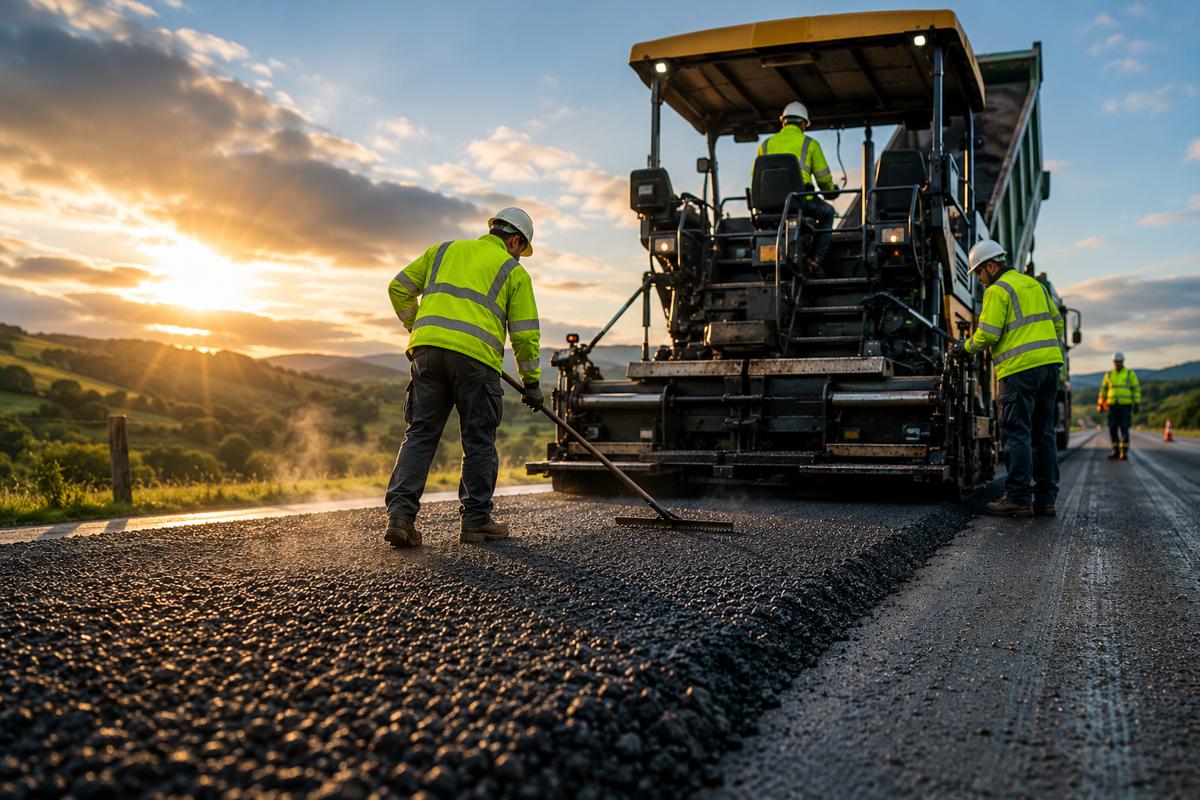
Most sustainability conversations, in roadbuilding and beyond, tend to centre on carbon: embodied carbon, lifecycle emissions, and net-zero targets are the metrics most programmes are built around, but this misses half the problem.For example, lower-temperature mixing and reclaimed asphalt paving (RAP) represent meaningful progress, but they largely optimise around bitumen and other existing materials rather than addressing the broader systemic drivers of roadbuilding’s environmental cost: a lack of resilience. Sustainability cannot truly be achieved unless resilience is achieved in tandem, which applies not only to a material’s performance and durability but also to its supply chain. Bitumen, like any other fossil-fuel-based material, is highly exposed to unpredictable price fluctuations and feedstock accessibility, meaning its replacement – no matter how carbon-neutral – is only viable if it is detached from these issues. Otherwise, the problem is displaced.
This is where bio-binders show real promise, and sulfur is a particularly differentiated proposition. As one of the most abundant elements on earth, it carries no additional ecological extraction cost when produced as a by-product. In a systematic review of sulfur by-products and their applications in civil engineering, asphalt binders showed 20-40% enhanced performance when extended with sulfur; with improved stability, stiffness, and cost-effectiveness on existing roads, sulfur-based bio-binders bridge the gap between resilience and environmental impact in a single offering.
The Exploit Dilemma
Despite the evidence, national road networks are still being built and repaired with conventional, bitumen-bound asphalt. This conflict, preventing bio-binders from scaling, points to a structural flaw in how the roadbuilding industry thinks about change.
Organisational theorist James March coined this as the ‘explore-exploit dilemma’: to the tension between an organisation exploiting what it already knows and does well, and exploring new approaches that require short-term risk in order to gain long-term advantage.
Roadbuilding is a prime example of an industry stuck in ‘exploit mode’. Institutional stakeholder knowledge – from contractors to plant operators and regulators – is structured around making bitumen work as efficiently as possible. For example, the Manual of Contract Documents for Highway Works (MCHW), requires all bituminous mixtures to be CE marked and assessed against performance criteria calibrated to conventional bitumen. Until September 2025, alternative binders could only enter that system via a ‘Departure from Standards’ – a process designed for ‘exceptional cases’, not scaled procurement and adoption. Today’s updated MCHW offers greater flexibility, but bio-binders still remain outside of standard specification.
As a result, this mechanism causes the industry to fall back on the materials and processes that are already known – regardless of how compelling the data is. For example, the National Audit Office’s (NAO) May 2026 review of innovation across the transport sector found a strong stakeholder tendency towards lower-risk activity – prompted by a lack of decision-maker guidance. The A30 trial in Devon is a case in point; despite this reducing greenhouse gas emissions by 20%, bio-binders still remain outside of standard procurement on strategic road networks. Bio-binders require different testing pathways, specification standards, and feedstock flexibility, triggering a predictable risk-aversion from contractors, regulators, and asset owners as they remain tied to established systems built around bitumen.
If sustainable materials are to scale effectively, the roadbuilding industry cannot simply insert new technologies into old frameworks; the frameworks themselves need to change.
Sustainable Innovation Needs Collaboration
For roadbuilding to change its frameworks, it must first address its silo problem.
Currently, each stakeholder group operates on different incentives and timescales; contractors manage timelines and margins, specifiers navigate procurement frameworks, and regulators move with policy cycles that don’t always align with commercial decision-making. While each of these priorities is legitimate, they are also fragmented, meaning the industry doesn’t move collectively or have a shared view of the sustainability challenges it faces.
The result is predictable. To lower operational risk, procurement systems continue to favour conventional materials with established approval pathways, causing specification standards to evolve slowly, and sustainability commitments to falter. The adoption of sustainable practices and materials remains trapped in pilot stages because the path from evidence to adoption runs through a series of siloed gatekeepers, each waiting for the other to adapt first.
For sustainable materials to scale, collaboration needs to be embedded into the infrastructure lifecycle from the start – ensuring each priority is addressed in unison, and all are aligned on a broader industry initiative. Innovators need earlier access to contractors and asset owners; regulators and industry bodies need clearer, faster pathways for testing and approving alternative binders; and procurement frameworks need to centre long-term performance and supply chain resilience in their evaluation criteria – not just upfront cost.
The Road Ahead
Sustainable practices require long-term commitment, and a willingness to initiate them. For, the roads being built and repaired today – using the same legacy processes – will be in service for decades, and their materials composition, carbon footprint, and feedstock will shape national road networks long after the decisions that created them have been made.
As the UK’s £18.6 billion maintenance backlog makes clear, continuing to build around fossil-fuel-based binders is only infrastructurally viable in the short term. But the path to mass adoption hinges on whether the industry as a whole can challenge its long-held frameworks to support the adoption of alternative materials.
Asphalt innovation is an opportunity to resolve the roadbuilding industry’s ‘exploit dilemma’, and balance operational efficiency with sustainability targets, resilience, and long-term infrastructure stability. The question is no longer whether the materials are ready, it’s whether the stakeholders who specify, procure, and regulate them are.
Article by Jett Yang, CEO, Uberbinder