Heidelberg Materials Secures Wirral Highway Resurfacing Contract
Across the United Kingdom, the condition of local roads has become a defining issue for councils, motorists and infrastructure planners alike. Ageing pavements, rising traffic loads and tight municipal budgets have forced highway authorities to prioritise long term maintenance strategies rather than reactive repairs.
The reappointment of Heidelberg Materials UK to deliver structural carriageway resurfacing for Wirral Borough Council highlights the growing importance of sustained contractor partnerships in keeping Britain’s local road networks operational.
Following a competitive procurement process, the company has secured a three year highway maintenance contract valued at approximately £9 million, ensuring the continuation of resurfacing works across the Merseyside borough. While the contract itself is modest compared with large national infrastructure programmes, its significance lies in what it represents. Local authorities increasingly rely on experienced contractors capable of delivering technically complex resurfacing work while balancing cost efficiency, durability and environmental performance.
The Critical Role of Highway Maintenance in the UK
Local roads make up the vast majority of the United Kingdom’s highway network. According to the Department for Transport, councils are responsible for maintaining more than 183,000 miles of local roads, far exceeding the strategic motorway and trunk road network managed by National Highways. Yet funding pressures and decades of underinvestment have left many authorities struggling to maintain pavement conditions.
The Annual Local Authority Road Maintenance Survey published by the Asphalt Industry Alliance regularly highlights the scale of the challenge. In recent years, the organisation has estimated that the backlog of carriageway repairs across England and Wales runs into billions of pounds, reflecting years of postponed maintenance and deteriorating infrastructure.
In that context, structured resurfacing programmes such as the one delivered in Wirral are essential. Rather than relying solely on short term pothole repairs, councils increasingly focus on structural resurfacing, which renews entire sections of pavement and restores long term durability.
Such work typically involves removing worn surface layers, repairing underlying structural components and applying new asphalt materials designed to withstand heavy traffic and changing climate conditions. For contractors, these programmes demand specialist materials expertise, logistics coordination and strict adherence to safety and sustainability standards.
A Decade Long Partnership Between Contractor and Council
The newly awarded contract builds on an established working relationship between Heidelberg Materials UK and Wirral Borough Council that stretches back more than ten years. The company has been involved in surfacing operations across the borough since 2014, initially working through infrastructure contractor Bam Nuttall before moving to a direct partnership with the council’s highways team in 2019.
Maintaining continuity in contractor relationships can offer substantial operational benefits. Contractors familiar with local road conditions, traffic patterns and council procedures often deliver projects more efficiently and with fewer disruptions to residents.
For the Wirral authority, the decision to reappoint the contractor reflects both performance history and competitive tender results.
Brian Smith, Senior Highway Maintenance and Street Lighting Manager at Wirral Borough Council, explained the reasoning behind the award: “We are pleased to award our structural carriageway resurfacing contract to Heidelberg Materials.
“The company presented excellent quality statements which clearly demonstrated strong technical ability, value for money and a commitment to sustainability. We look forward to working together to deliver a safe, reliable and resilient network for all road users.”
His remarks underline the criteria increasingly used in modern infrastructure procurement. Price alone rarely determines the outcome of highway contracts. Technical capability, environmental credentials and evidence of long term performance now play equally significant roles.
Delivering Structural Resurfacing Across the Borough
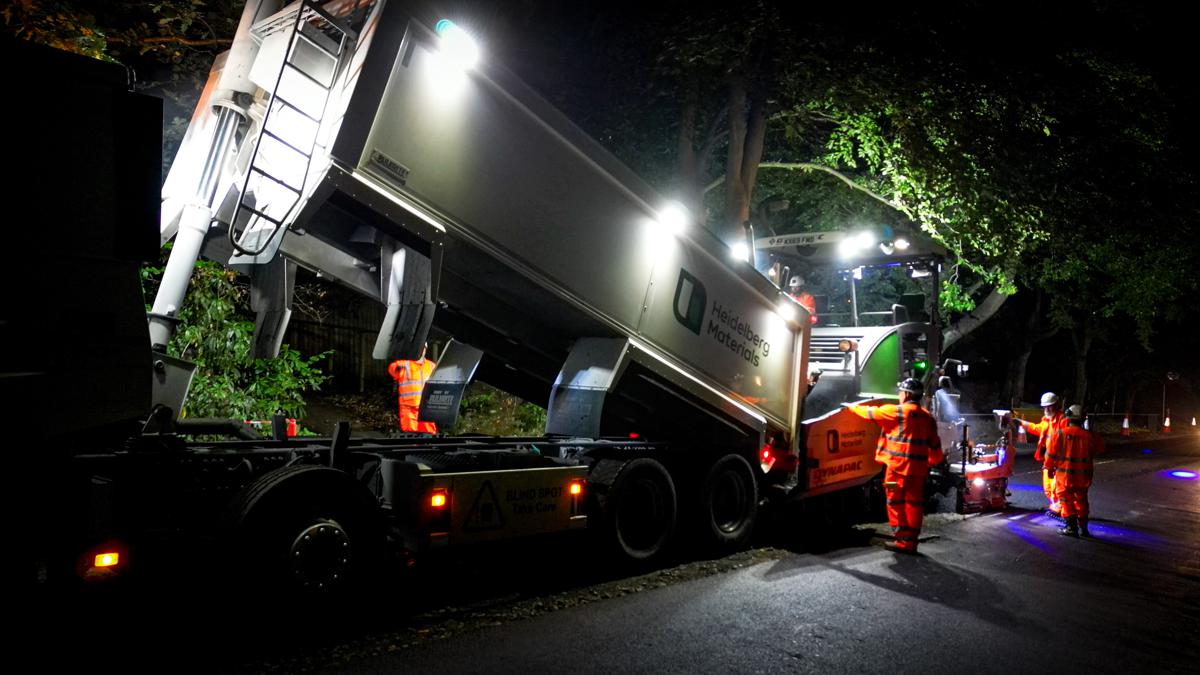
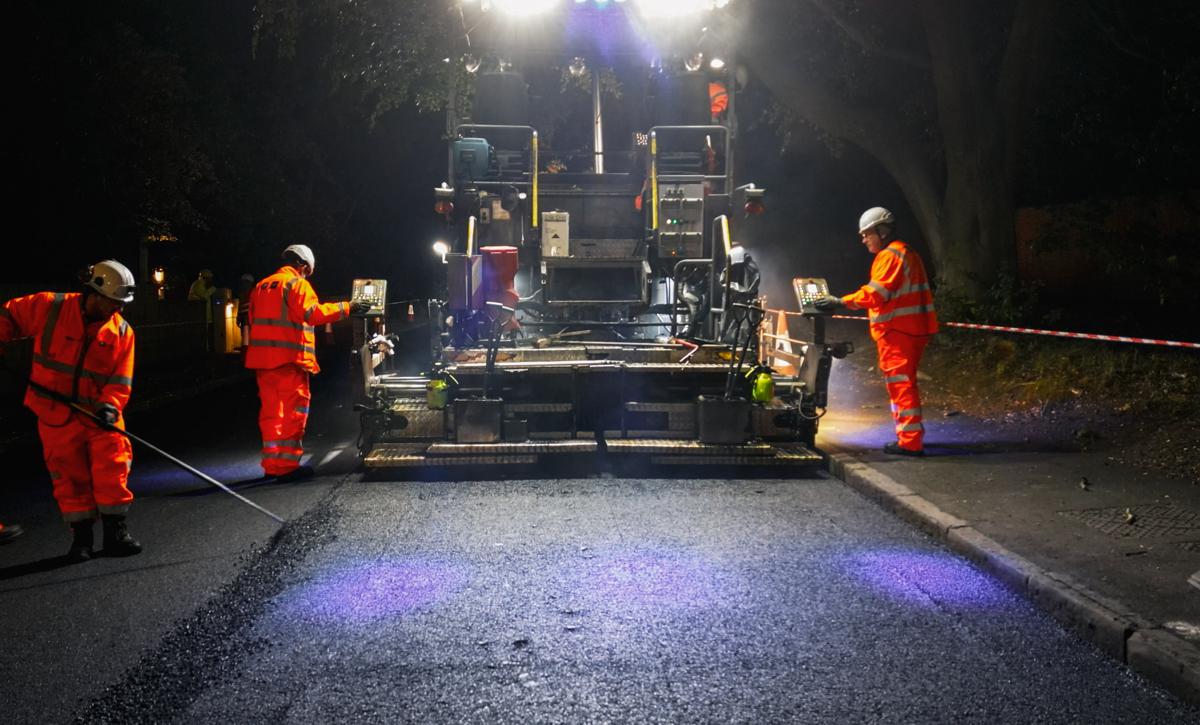
Under the terms of the agreement, Heidelberg Materials will carry out structural carriageway resurfacing works across Wirral’s road network. These projects typically involve the reconstruction or renewal of road surfaces that have reached the end of their operational life.
Structural resurfacing is more complex than routine surface dressing or patch repairs. Contractors must assess the condition of the pavement layers beneath the surface and ensure that the renewed carriageway provides sufficient load bearing capacity for modern traffic volumes.
In urban boroughs such as Wirral, resurfacing projects often take place on roads that carry high traffic flows and public transport services. Effective planning therefore becomes critical. Contractors must coordinate road closures, night time operations and traffic management strategies to minimise disruption while maintaining safety for workers and road users.
Such works may also involve upgrades to drainage systems, kerbs and road markings to ensure the rebuilt pavement functions properly over its design life. When carried out effectively, structural resurfacing can extend the lifespan of a road by 15 to 20 years, significantly reducing the need for frequent maintenance interventions.
Sustainability and Lower Carbon Asphalt
Environmental performance has become a central theme in modern highway construction. Asphalt production traditionally requires high temperatures and energy intensive processes, which contribute to carbon emissions.
As a result, contractors across the industry are investing heavily in lower carbon asphalt technologies, including warm mix asphalt, recycled materials and energy efficient production methods. These innovations aim to reduce the environmental footprint of road construction while maintaining performance standards.
Scott Cooper, Contracting Managing Director at Heidelberg Materials Contracting, highlighted the company’s intention to expand the use of such materials within the Wirral programme: “This is fantastic news and will build on the successful relationship we have built with Wirral Borough Council over the last decade.
“It signals the next step in our collaborative working arrangement to deliver a well maintained and sustainable highway network where we will continue to explore the use of lower carbon asphalt solutions.”
Across Europe and the UK, the asphalt sector has been steadily increasing the use of recycled aggregates and reclaimed asphalt pavement. Industry associations such as Eurobitume and the European Asphalt Pavement Association report that recycled materials are now widely integrated into modern road surfacing mixes, helping reduce both material consumption and carbon emissions.
Heidelberg Materials’ Position in the Global Construction Materials Market
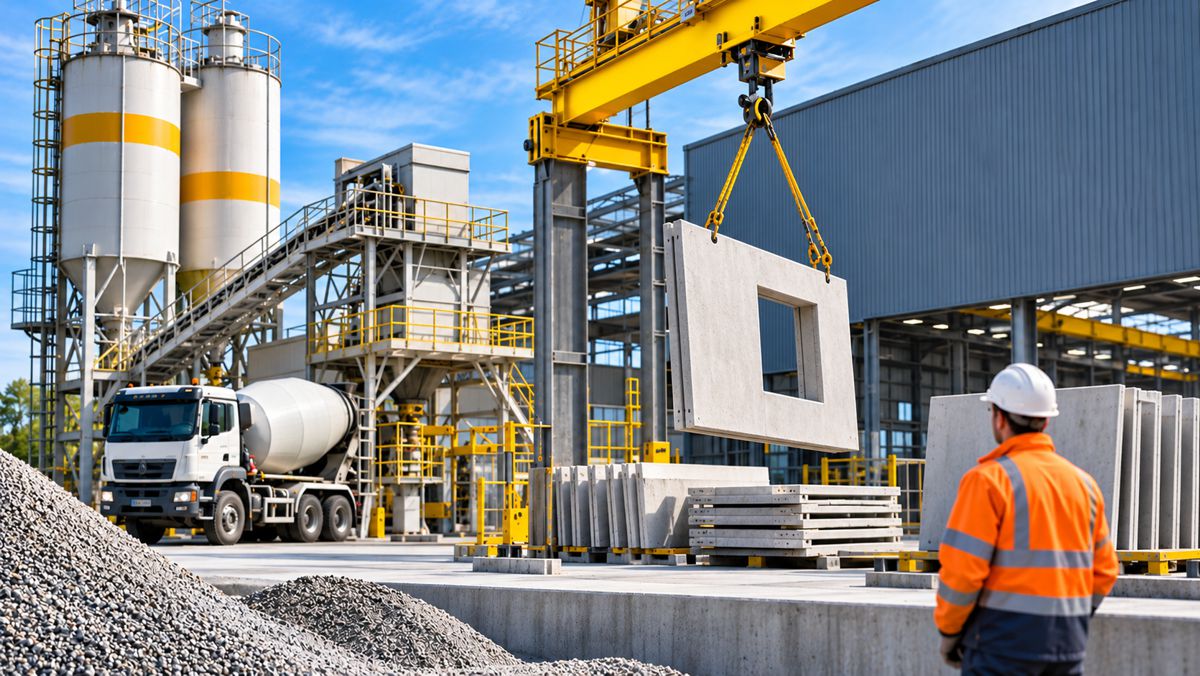
Heidelberg Materials is one of the world’s largest producers of building materials, supplying cement, aggregates, ready mixed concrete and asphalt products across global markets. The company operates in more than 50 countries and employs tens of thousands of people across the construction materials supply chain.
In the United Kingdom, Heidelberg Materials has a strong presence in both materials production and infrastructure contracting. Its contracting division delivers a wide range of services including road construction, surfacing, pavement maintenance and civil engineering works.
The company’s ability to combine materials production with contracting expertise provides a strategic advantage in highway maintenance projects. Asphalt production facilities, aggregate quarries and logistics networks can be integrated directly into project delivery, ensuring consistent material supply and quality control.
This vertical integration also allows contractors to experiment with new material formulations, such as low temperature asphalt mixes or recycled aggregate blends, which support sustainability targets set by local authorities and national governments.
The Economic Importance of Local Road Investment
While megaprojects such as high speed rail lines and motorway expansions often dominate infrastructure headlines, local road maintenance remains one of the most economically significant components of public infrastructure investment.
Local roads support everyday mobility for businesses, public transport services and freight distribution networks. For many towns and cities, reliable road infrastructure is essential for connecting communities with employment centres, ports and logistics hubs.
Wirral itself sits within the Liverpool City Region, an area with major maritime, manufacturing and logistics activities. Efficient road connections play a crucial role in supporting economic activity, particularly around port facilities and industrial estates.
Maintaining smooth, durable road surfaces reduces vehicle operating costs, improves journey reliability and enhances safety for drivers, cyclists and pedestrians. These benefits translate directly into economic productivity and public wellbeing.
Collaborative Delivery in Modern Infrastructure Contracts
Highway maintenance contracts increasingly emphasise collaboration between local authorities and contractors rather than purely transactional relationships. Long term partnerships encourage knowledge sharing, joint planning and continuous improvement.
In the case of Wirral Borough Council, the extended relationship with Heidelberg Materials reflects this evolving approach. Contractors familiar with the network can provide strategic input on pavement management strategies, material selection and lifecycle cost optimisation.
Such collaboration becomes particularly valuable as councils face competing priorities including climate resilience, traffic growth and tighter public spending constraints. Contractors that can deliver durable infrastructure while supporting sustainability goals are likely to remain central partners in future highway maintenance programmes.
Maintaining the Roads That Keep Communities Moving
The renewal of the Wirral resurfacing contract may not grab global headlines, yet it illustrates a fundamental reality of infrastructure management. Roads rarely fail overnight. Instead, they deteriorate gradually through years of traffic, weather and wear.
Sustained investment in structural resurfacing ensures that deterioration is addressed before it escalates into costly reconstruction projects. By combining engineering expertise, modern materials and collaborative planning, local authorities and contractors can maintain reliable transport networks that serve communities and economies alike.
For Wirral Borough Council, the continued partnership with Heidelberg Materials represents a practical step towards safeguarding the borough’s road network. For the wider construction and infrastructure sector, it reflects the ongoing shift towards long term maintenance strategies, sustainability focused materials and collaborative delivery models that will define the future of road infrastructure.