Kuala Lumpur Strengthens Urban Infrastructure with Volvo Wheeled Excavator
Urban infrastructure rarely attracts headlines when it works well. Roads remain open, drains flow freely, utilities operate quietly beneath the surface, and emergency crews arrive exactly when they are needed. Behind the scenes, however, municipal authorities rely on highly specialised equipment to keep cities running smoothly. For rapidly expanding urban centres, the choice of machinery can determine how efficiently infrastructure problems are resolved.
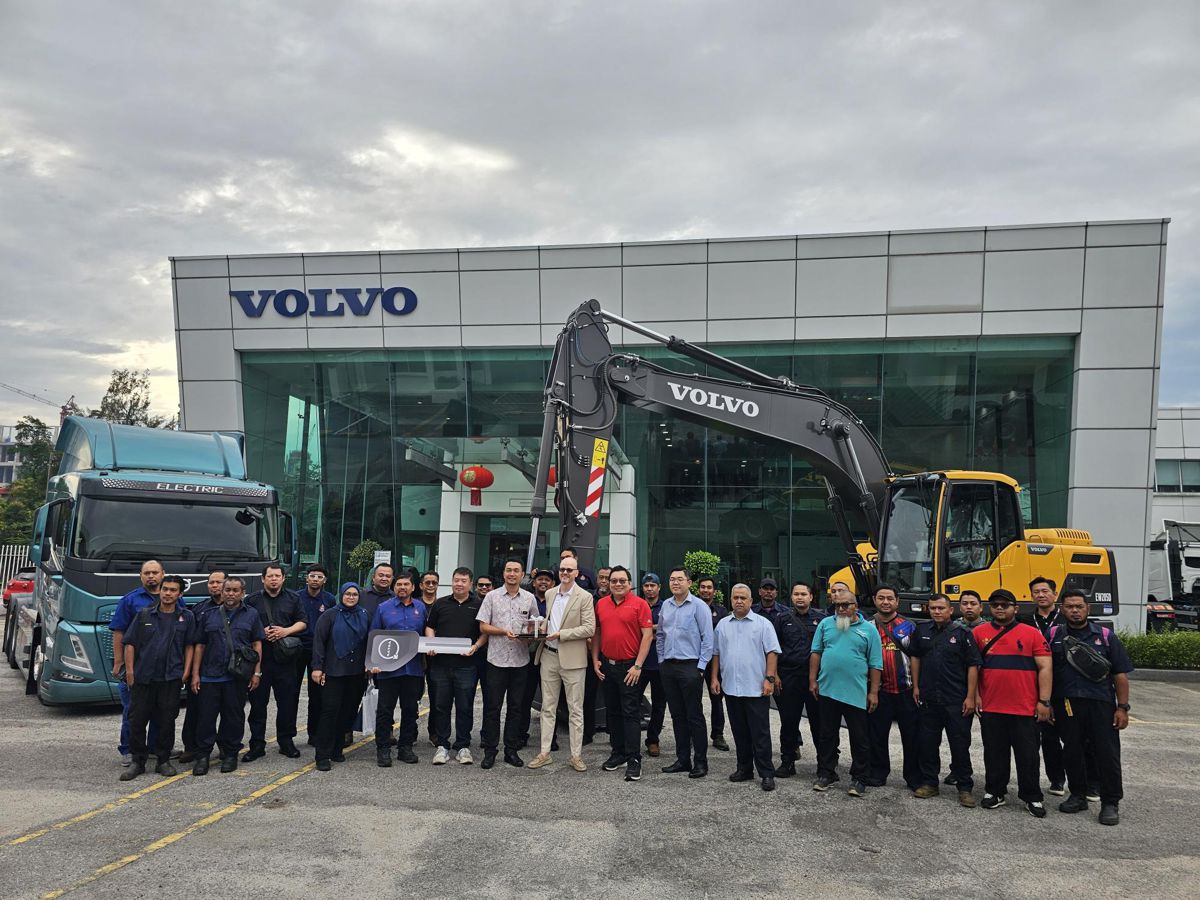
In Malaysia’s capital, Kuala Lumpur, the city council known as Dewan Bandaraya Kuala Lumpur (DBKL) has taken a step to strengthen its operational capacity with the deployment of a Volvo Construction Equipment EW205D wheeled excavator. The machine is now supporting a wide range of infrastructure and maintenance works across the city, reflecting a growing trend among municipal authorities worldwide to invest in versatile, mobile equipment suited to complex urban environments.
While excavators are often associated with large construction sites, their role in municipal operations is arguably even more critical. Drainage upgrades, emergency repairs, road maintenance, and utility reinstatement all demand machines capable of working efficiently in crowded streets, confined spaces, and unpredictable conditions. Kuala Lumpur’s adoption of the EW205D illustrates how cities are modernising their operational fleets to keep pace with urban growth.
Mobility in Urban Infrastructure
Cities present a unique operational challenge for heavy equipment. Narrow roads, traffic congestion, pedestrian activity, and limited working space mean machinery must be both powerful and agile. In this environment, wheeled excavators offer distinct advantages over traditional tracked machines.
The Volvo EW205D provides the ability to travel on public roads between job sites without the need for transport trailers. This road-going capability allows crews to move quickly across the city, reducing delays and enabling faster response times when infrastructure issues arise. For a municipal authority responsible for maintaining a large metropolitan area, that flexibility can significantly improve operational efficiency.
Kuala Lumpur’s dense urban layout makes this mobility particularly valuable. Instead of waiting for heavy transport to relocate machinery, the excavator can simply travel under its own power to the next site. For routine works such as drainage cleaning or pavement reinstatement, the ability to reposition quickly keeps projects moving and minimises disruption to traffic and residents.
In emergency situations, the advantage becomes even more pronounced. Flooding, infrastructure failures, and utility outages require immediate response, and equipment mobility can determine how quickly crews reach affected areas. Wheeled excavators are increasingly viewed as essential tools for municipal fleets precisely because they combine excavating performance with rapid relocation capabilities.
Keeping Kuala Lumpur’s Infrastructure Running
The newly delivered machine is already being deployed across a broad range of infrastructure activities managed by DBKL. These include drainage upgrades and cleaning operations, road maintenance and reinstatement works, landscaping projects, and the repair of underground utilities.
Urban drainage maintenance is particularly important in Kuala Lumpur. The city experiences heavy seasonal rainfall and flash flooding remains a recurring challenge in parts of Malaysia’s capital. Regular maintenance of drainage systems and rapid response to blockages or infrastructure damage are essential to minimise flood risks and maintain safe road conditions.
Municipal excavators therefore play a key role in clearing drainage channels, removing sediment build-up, repairing culverts, and carrying out improvements to stormwater infrastructure. The ability to deploy quickly and operate effectively in confined urban spaces helps city engineers address issues before they escalate into larger problems.
Beyond drainage works, the excavator is also used in routine road repairs. Asphalt removal, trench excavation for utilities, and reinstatement works all fall within the typical scope of municipal infrastructure maintenance. By integrating modern machinery into its fleet, DBKL aims to maintain reliable public services while improving the speed and efficiency of repair operations.
A Machine Built for Demanding Urban Tasks
The Volvo EW205D has been designed specifically for applications where mobility, productivity, and operator comfort must work hand in hand. Wheeled excavators in the 20 tonne class are widely used in urban infrastructure projects because they offer sufficient digging power while remaining compact enough to manoeuvre through city streets.
The EW205D combines high travel speed with a stable working platform, enabling operators to shift between tasks quickly without sacrificing performance. Its road-going configuration eliminates the logistical challenges associated with transporting heavy tracked equipment through urban traffic.
Operator comfort is another critical factor in municipal operations. Infrastructure maintenance crews often work long hours, sometimes under pressure when responding to urgent repairs or emergency situations. The excavator’s cab is designed to reduce vibration and noise while providing an ergonomic working environment that helps operators remain focused and productive throughout the day.
Clear instrumentation and intuitive controls further simplify machine operation. Modern excavators increasingly rely on digital displays and integrated control systems to help operators monitor machine performance and manage tasks efficiently. These technologies reduce operator fatigue and improve precision during complex work such as trench excavation near existing utilities.
Municipal Fleet Reliability and Uptime
For city authorities responsible for public infrastructure, equipment reliability is non-negotiable. Maintenance delays or machine downtime can disrupt repair schedules and potentially impact essential services. As a result, municipal fleet managers often prioritise equipment known for durability and consistent performance.
DBKL reports that the Volvo excavator has delivered reliable operation since entering service. Strong uptime allows crews to complete maintenance tasks on schedule and respond to infrastructure issues without unnecessary delays. Reliable machinery also reduces operational costs associated with unexpected repairs or equipment replacement.
Muhammad Alif bin Muhammad Noor, Mechanical Engineer at the Mechanical and Electrical Engineering Department of DBKL, highlighted the machine’s suitability for municipal operations: “The Volvo EW205D offers the right balance between power, manoeuvrability, and efficiency for our municipal operations. Its wheeled mobility allows us to respond quickly to different job sites across the city, which is especially valuable during emergency response and infrastructure repair works. The operator comfort and safety features have also made a positive difference to our daily operations.”
This combination of mobility, reliability, and operator-focused design explains why wheeled excavators are becoming increasingly common in municipal fleets around the world.
The Role of After Sales Support in Municipal Procurement
Purchasing heavy equipment is only part of the equation for municipal fleet managers. Long-term reliability depends on strong after sales support, including maintenance services, spare parts availability, and operator training.
DBKL emphasised the importance of technical support during the delivery and commissioning process. Volvo Construction Equipment worked closely with the city council to ensure the machine could be integrated smoothly into existing operations. Operator training formed part of the deployment programme, helping crews understand the machine’s capabilities and operate it safely in busy urban environments.
For equipment manufacturers, municipal customers represent a specialised market segment. Unlike contractors working on a single project, city authorities operate machinery continuously across a wide variety of tasks. Support networks must therefore be able to provide rapid assistance when required.
Gilbert Aue, Head of Market Malaysia for Volvo Construction Equipment, described the role of the machine in supporting municipal operations: “Municipal customers operate in demanding environments where reliability, mobility, and safety are essential. The EW205D combines road-going flexibility with strong digging performance and operator comfort, helping customers respond efficiently to infrastructure maintenance and urban service requirements. We are pleased to support DBKL in delivering essential infrastructure services for the city.”
A Global Shift Toward Smarter Municipal Fleets
Kuala Lumpur’s investment in modern construction equipment reflects a broader global shift in how cities manage infrastructure maintenance. As urban populations continue to grow, municipal authorities face increasing pressure to maintain roads, drainage networks, and public utilities efficiently.
According to United Nations data, nearly 70 percent of the world’s population is expected to live in urban areas by 2050. This rapid urbanisation places enormous strain on municipal infrastructure systems, particularly in fast growing cities across Asia.
To keep pace with demand, many city governments are modernising their fleets with more versatile, fuel efficient, and technologically advanced machinery. Wheeled excavators have emerged as a key tool in this transition because they provide the flexibility needed for diverse infrastructure tasks.
Manufacturers are also incorporating telematics systems, fuel efficiency improvements, and enhanced safety features into their machines. These developments allow municipal fleet managers to monitor equipment performance, optimise maintenance schedules, and improve overall productivity.
In this context, DBKL’s adoption of the EW205D represents more than a routine equipment purchase. It reflects an ongoing effort to modernise municipal infrastructure operations and strengthen the city’s ability to deliver reliable public services.
Supporting Sustainable Urban Development
Beyond operational efficiency, modern equipment also contributes to broader sustainability goals. Newer construction machines are typically designed with improved fuel efficiency and lower emissions compared with older models. This aligns with the environmental priorities of many cities seeking to reduce their carbon footprint while maintaining essential infrastructure.
For Kuala Lumpur, maintaining reliable infrastructure is closely linked to sustainable urban development. Efficient drainage systems reduce flood risks, well maintained roads improve traffic flow, and reliable utilities support economic activity throughout the city.
By investing in advanced equipment capable of operating efficiently across multiple infrastructure tasks, DBKL aims to improve service delivery while minimising disruption to the urban environment. Modern municipal fleets can complete maintenance work more quickly, reduce traffic congestion during repairs, and ensure infrastructure remains resilient in the face of growing urban demand.
As cities continue to evolve, the machinery supporting them must evolve as well. From drainage maintenance to emergency response, the ability to deploy reliable, mobile equipment across a complex urban landscape has become a cornerstone of effective municipal infrastructure management.