Why Work Zones, Freight Corridors, and Heavy Traffic Make Truck Crashes More Complex
Truck crashes are rarely simple, but the risk becomes even more serious when large commercial vehicles move through construction zones, freight corridors, and congested urban roads. In these environments, a single mistake can have consequences far beyond a damaged bumper or delayed commute. The size and stopping distance of heavy trucks, combined with lane shifts, reduced shoulders, merging traffic, and limited visibility, can turn an already dangerous situation into a severe or even catastrophic collision.
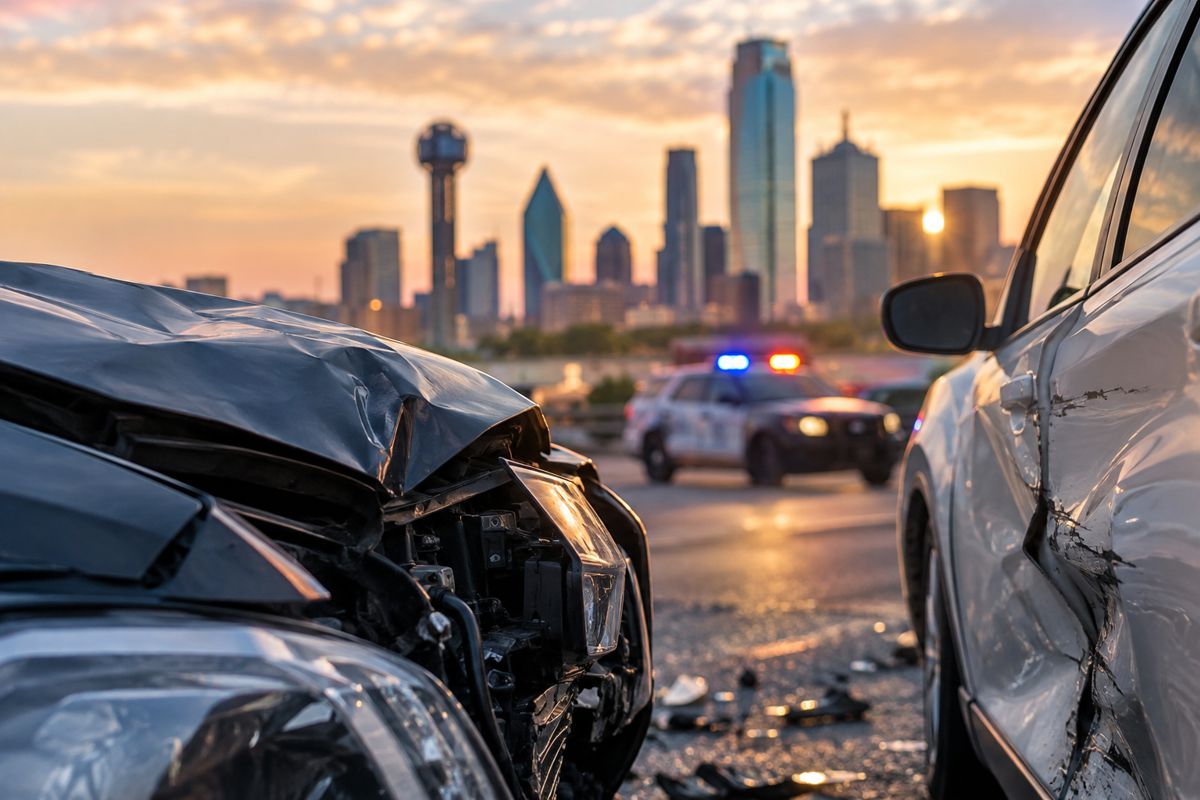
That is one reason truck accidents deserve more attention in conversations about road safety and infrastructure planning. Passenger vehicle crashes often happen in a split second, but truck collisions are frequently shaped by a chain of conditions that build over time. Road design, traffic control, congestion, work zone setup, weather, vehicle maintenance, cargo balance, driver fatigue, and speed management can all play a role. When those elements overlap, the results are often far more damaging than a typical roadway incident.
Why Work Zones and Freight Corridors Increase Risk
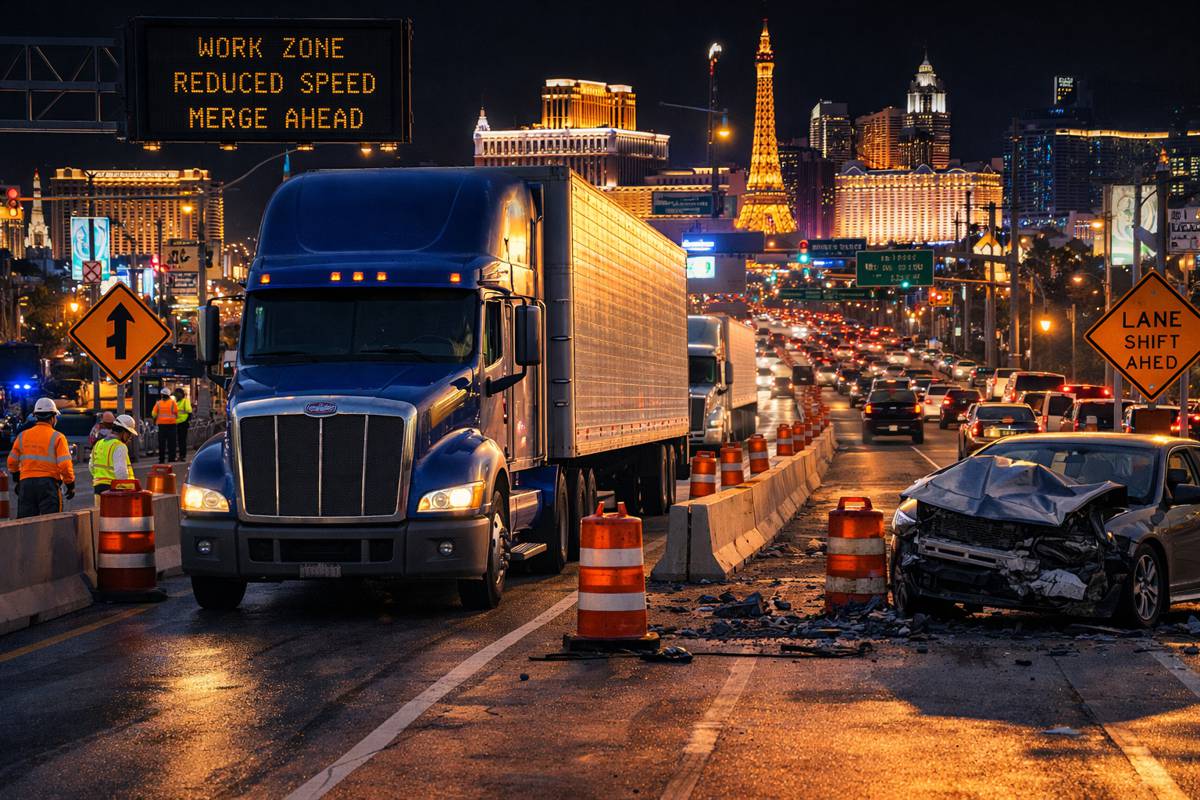
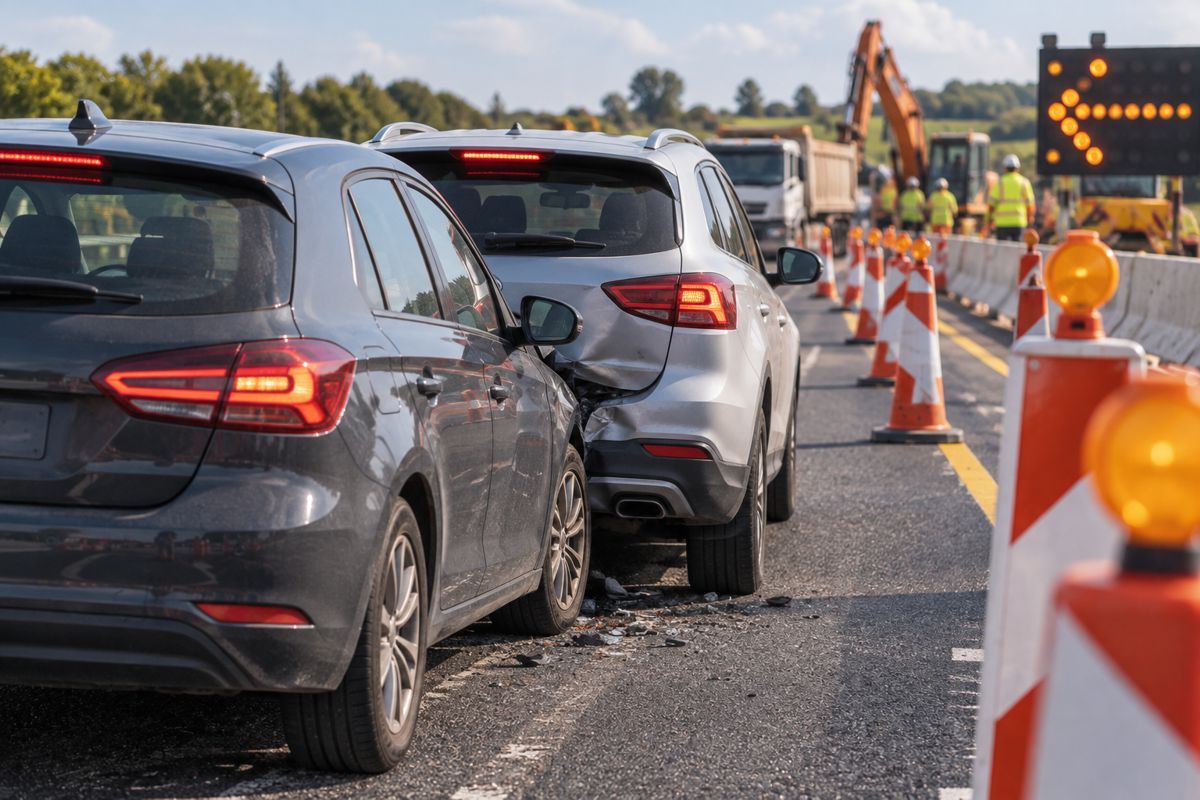
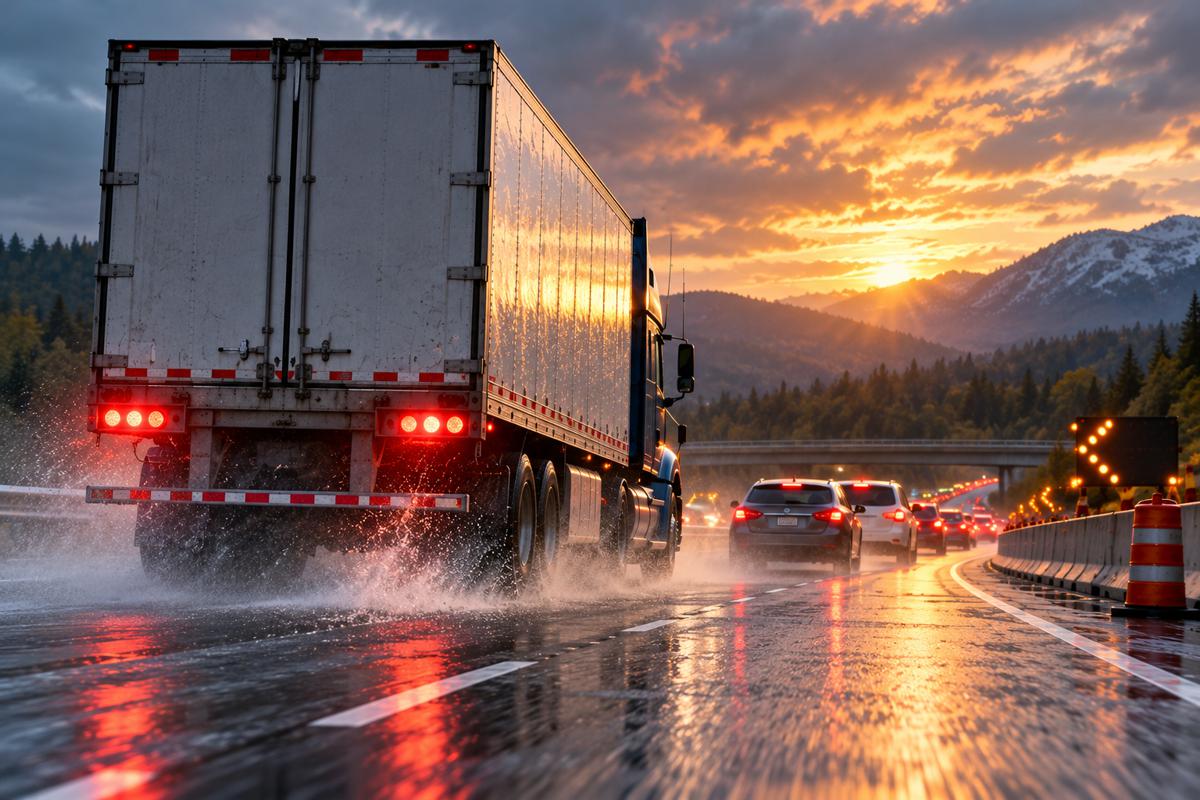
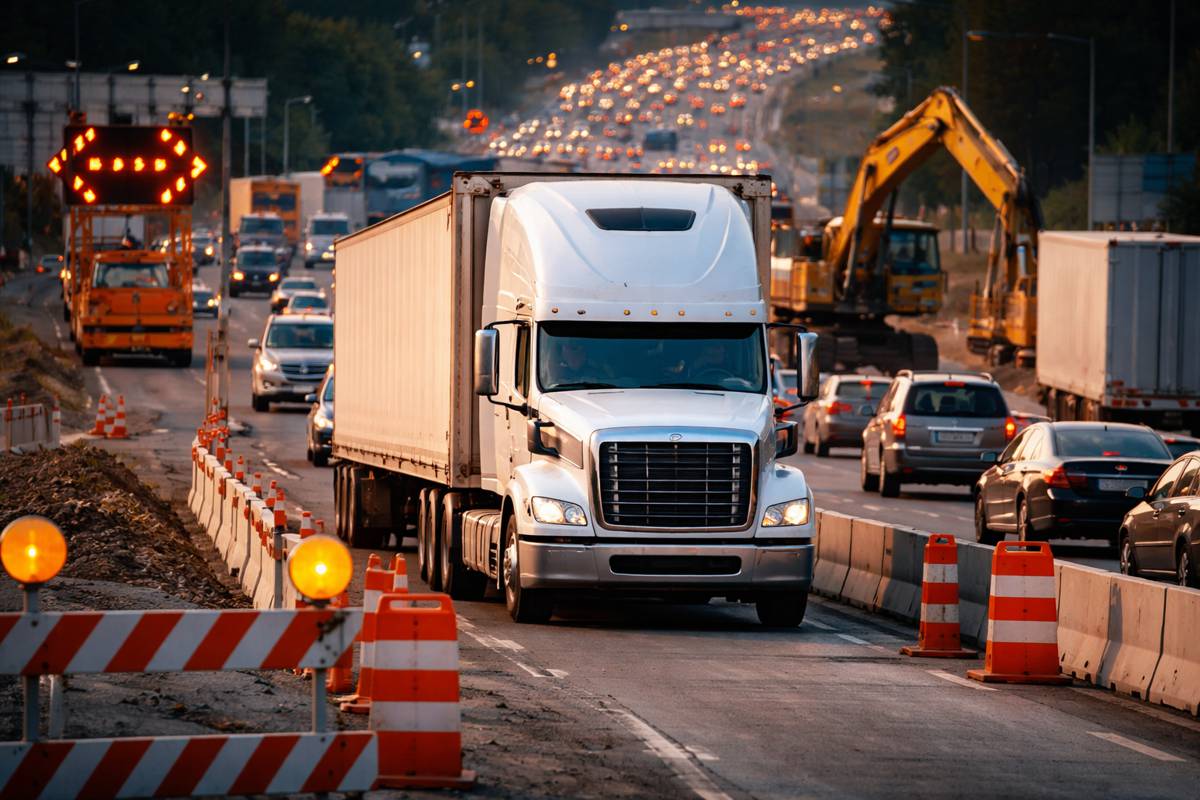
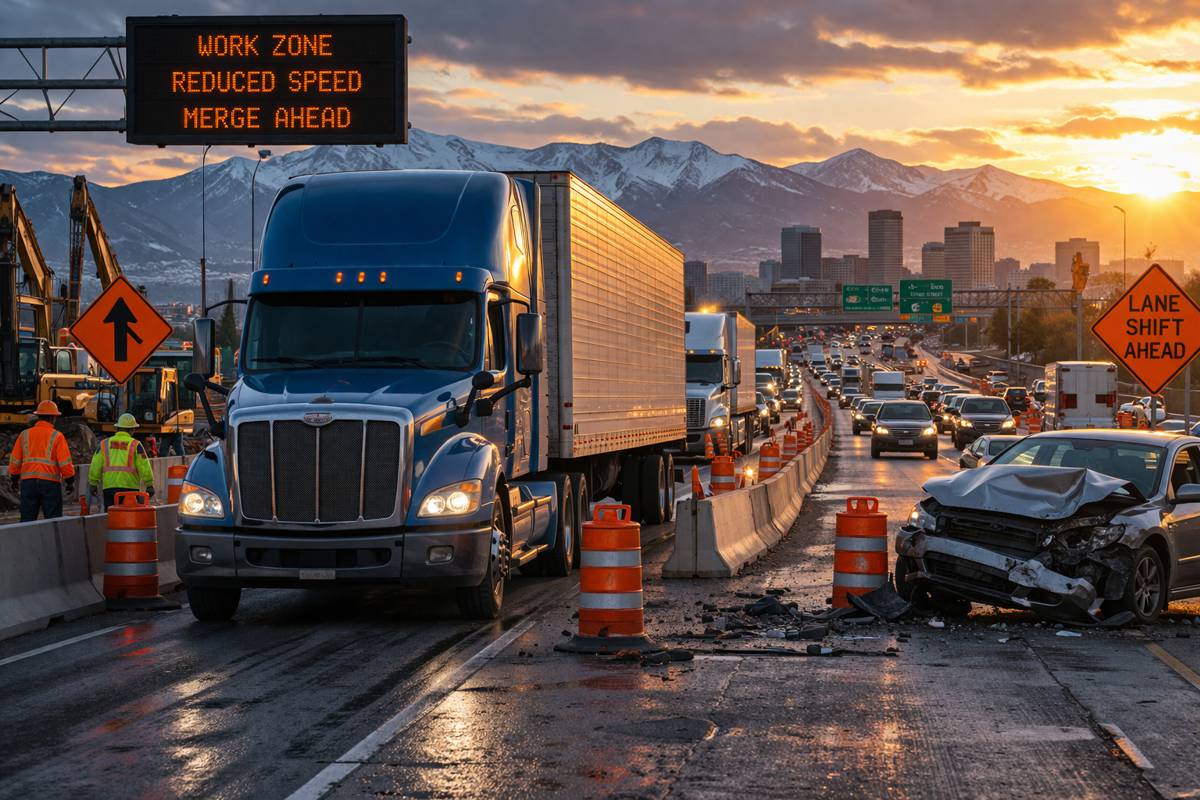
Work zones are a clear example. Even well-managed projects create unusual driving conditions. Lanes may narrow, traffic may be redirected, braking patterns change, and drivers are forced to react quickly to signage, barriers, and sudden slowdowns. For truck drivers, these conditions are harder to navigate because large vehicles need more room to manoeuvre and more time to stop safely. A loaded commercial truck entering a reduced-speed construction area too fast may not be able to avoid a chain-reaction crash, especially if traffic compresses unexpectedly.
Freight corridors present another layer of risk. High-volume trucking routes are designed to move goods efficiently, but that efficiency depends on steady flow, safe spacing, and predictable conditions. When traffic becomes dense or roadway conditions deteriorate, heavy commercial vehicles become less forgiving of error. A passenger vehicle can sometimes recover quickly from a late lane change or hard brake. A tractor-trailer often cannot. That difference matters on major urban routes where commuters, delivery vehicles, service fleets, and long-haul trucks all compete for space.
Infrastructure, Design and Traffic Control Matter
The infrastructure side of the equation matters too. The FHWA has long emphasized the importance of safe work zone planning, roadway design, and traffic operations. Those issues are not abstract. Lane width, merge design, signage clarity, pavement condition, shoulder availability, and visibility all influence how safely large trucks can travel through an area. Poorly managed transitions, confusing traffic patterns, or inadequate warnings can raise crash risk for everyone on the road, especially where heavy truck traffic is common.
More Than Driver Error
What makes truck crashes especially complex is that liability may not stop with the driver. In a serious collision, investigators may examine whether the trucking company pushed unrealistic schedules, whether the vehicle was properly maintained, whether cargo was loaded correctly, and whether road conditions or work zone controls contributed to the event. This wider liability picture is one reason truck accident cases are often more complicated than standard car crash claims. Multiple parties may share responsibility, and the physical evidence can be more technical.
For cities that sit at major transportation crossroads, these concerns are even more relevant. Salt Lake City is a good example. The region carries substantial truck traffic across major routes like I-15, I-80, and I-215, while also dealing with commuter congestion, industrial movement, winter weather, and ongoing roadway pressure tied to growth. Those conditions create a setting where serious truck accidents can happen quickly and where the aftermath may involve extensive medical, legal, and financial consequences. For someone injured in this type of collision, speaking with a Salt Lake City truck accident lawyer can help clarify who may be liable, what evidence should be preserved, and how a claim may be valued.
Why Truck Crashes Are Often Misunderstood
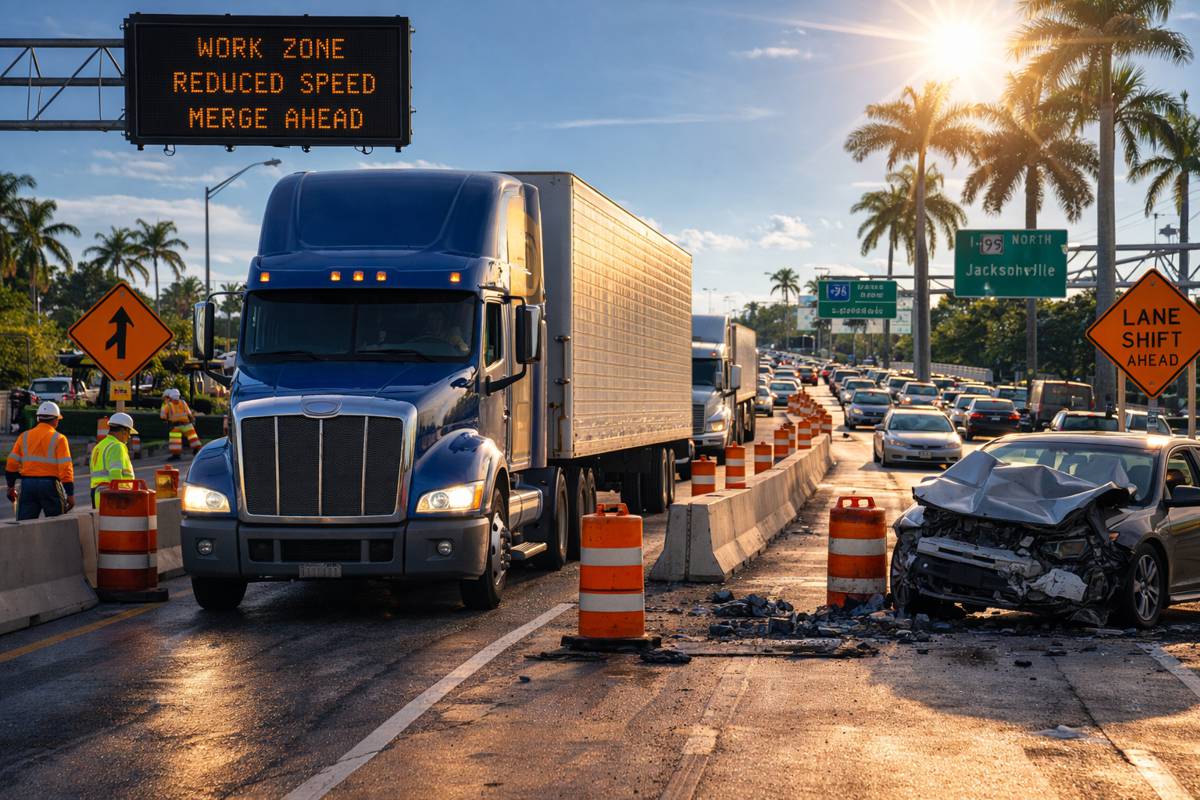
Another challenge is that the public often sees truck crashes as straightforward driver-error events when they are not. A driver may be the most visible part of the story, but the real causes can be deeper. Was the truck inspected properly? Was the braking system in working condition? Was the driver under dispatch pressure to make up lost time? Was cargo shifted or overloaded? Were road warnings clear enough for large vehicles to respond safely? Each of these questions can change how a crash is understood.
Construction and roadway professionals should pay attention to this because truck safety is not only a trucking issue. It is also a planning issue, a maintenance issue, a traffic operations issue, and, at times, a legal issue. Better road management can reduce risk, but when a serious crash does occur, the investigation should reflect the full picture rather than focusing too narrowly on the final seconds before impact.
Designing Safer Roads for a Freight-Driven Future
There is also a human cost that should not be overlooked. Because of the sheer force involved, truck crashes often lead to traumatic brain injuries, spinal injuries, fractures, internal trauma, extended rehabilitation, and major income disruption. Families may face months of uncertainty even before liability is fully sorted out. That reality is part of why these cases draw such intense scrutiny from insurers, attorneys, and transportation stakeholders. The damages are often substantial because the harm is substantial.
For the construction and infrastructure world, the takeaway is practical. Safer roads for trucks require more than telling drivers to be careful. They require better work zone planning, clear traffic control, sound maintenance, realistic freight operations, and a recognition that heavy vehicles react differently than passenger cars. When those realities are ignored, the cost is often paid by the people in smaller vehicles who have the least protection in a crash.
As cities grow and freight demands increase, truck safety will remain a key part of the broader transportation conversation. The more seriously we take road design, work zone execution, and heavy vehicle risk, the better the chance of preventing collisions that are not only expensive, but life-changing. And when those crashes do happen, understanding the full chain of responsibility is essential to improving both accountability and future safety.