Helical Fusion Alliance to Turn Stellarator Science Into Commercial Power
Fusion energy has spent decades in the realm of scientific promise, technical milestones and long-range ambition. Now, one of Japan’s emerging fusion developers is attempting something equally important: building the industrial coalition needed to turn advanced plasma physics into a bankable, maintainable power business. Helical Fusion Co., Ltd. has launched its Helix Program Official Partners, a strategic framework designed to align long-term industrial collaborators behind the commercial deployment of fusion power plants in the 2030s.
That announcement matters far beyond one company or one country. Across the global fusion sector, investors and policymakers increasingly recognise that scientific progress alone will not deliver electricity to grids. Commercial fusion requires supply chains, specialist manufacturing, engineering integration, logistics capability, construction expertise and patient capital. In short, it needs industry. Helical Fusion’s new programme is an early sign that the race to commercial fusion is shifting from laboratory milestones to industrial readiness.
The first three founding partners are NICHIAS Corporation, Hasetora Spinning Co., Ltd. and Seno Kisen Co., Ltd.. Each company brings deep operational history, with roots stretching back decades or more than a century. Rather than acting purely as investors or vendors, they are positioned as strategic collaborators in a long-term industrial buildout.
For infrastructure professionals watching the next era of energy, that’s the real story. Fusion is no longer only about reactors. It is becoming about ecosystems.
Briefing
- Helical Fusion has launched the Helix Program Official Partners to support commercial fusion deployment in the 2030s.
- The framework focuses on industrial collaboration, capital alignment and long-term manufacturing readiness.
- Founding partners include NICHIAS, Hasetora Spinning and Seno Kisen.
- The company is developing a helical stellarator pathway based on Japan’s established fusion research base.
- Hardware work is already underway for Helix HARUKA in Gifu, Japan.
From Scientific Milestones to Industrial Execution
The fusion industry has reached a turning point. Recent years have seen notable scientific advances, including ignition milestones at the Lawrence Livermore National Laboratory in the United States and growing private investment across Europe, North America and Asia. According to the Fusion Industry Association, private fusion companies have collectively attracted billions of dollars in capital, reflecting confidence that commercial pathways are becoming clearer.
Yet there is a stubborn truth in heavy industry. Breakthrough science does not automatically become deployable infrastructure. Power generation assets require decades of operating life, manageable maintenance cycles, proven materials performance and acceptable economics. Grid operators and governments will judge fusion not on plasma temperature records, but on reliability, uptime and cost per megawatt-hour.
Helical Fusion appears to understand that distinction. Its stated commercial framework works backward from three requirements: net electricity, continuous operation and high maintainability. That is a notably industrial lens. Rather than asking only whether a reactor can work, it asks whether a power plant can operate as a utility-scale asset.
The Helical Stellarator Route
Helical Fusion has chosen the helical stellarator pathway, a magnetic confinement design that differs from the better-known tokamak model pursued by many global programmes. Stellarators use complex external magnetic coils to confine plasma, reducing the need for large plasma currents that can create operational instabilities.
For infrastructure investors and utilities, that distinction could be significant. A stellarator design may offer advantages in steady-state continuous operation, which is essential for baseload or dispatchable clean power generation. Maintenance access and operational resilience also become central questions when plants are expected to run for decades.
Japan has a serious heritage in this field. The National Institute for Fusion Science has long operated the Large Helical Device in Gifu Prefecture, one of the world’s most important stellarator-class research facilities. That gives Helical Fusion something many start-ups lack: proximity to an established scientific base, experienced talent networks and a national track record in relevant engineering disciplines.
It does not guarantee success, of course. Stellarators are mechanically complex and challenging to manufacture. But if those manufacturing hurdles can be solved, the model may offer a practical route to continuous commercial operation.
Why Old Economy Industry May Power the New Energy Era
The choice of founding partners is telling. These are not flashy software brands or speculative finance names. They are firms grounded in real-world industry.
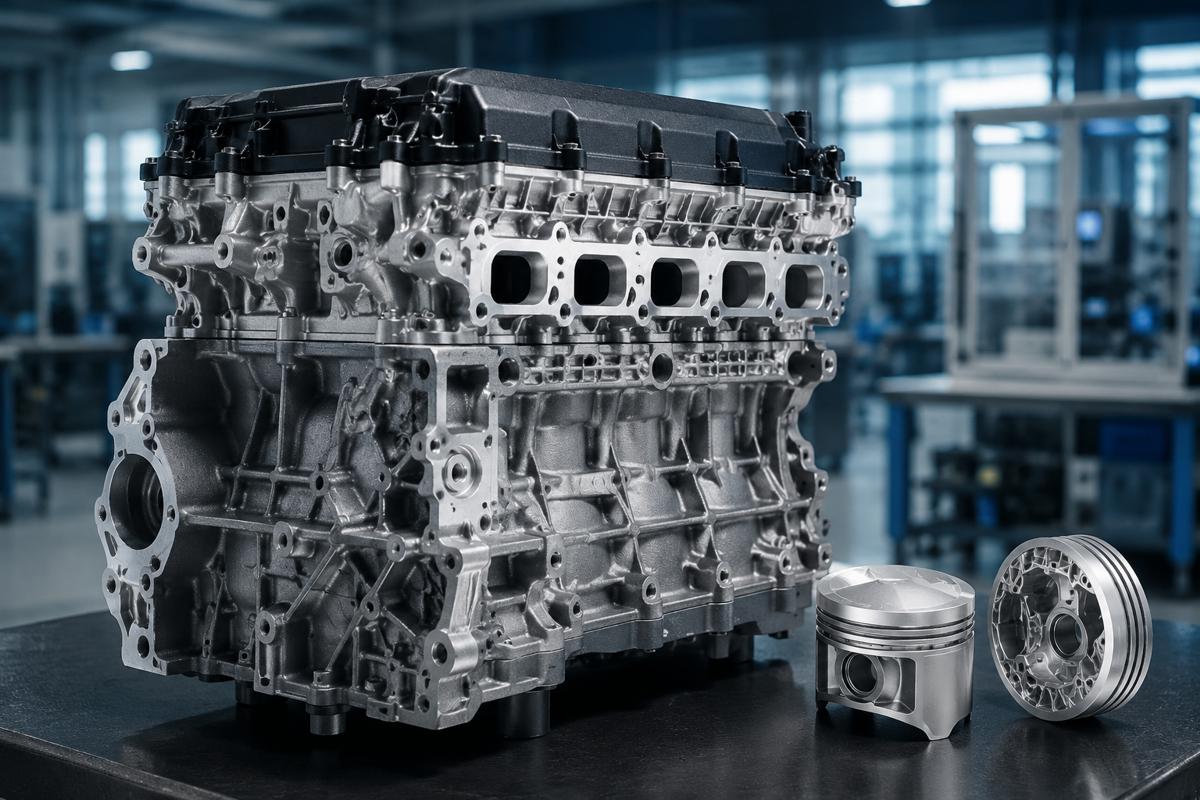
NICHIAS, founded in 1896, has long operated in insulation, sealing and industrial materials used across sectors such as construction, energy, automotive and semiconductors. In a fusion context, thermal management, sealing integrity and specialised materials are not side issues. They are mission-critical engineering functions.
Hasetora Spinning, founded in 1887, brings a heritage in manufacturing and material processes. That may sound unconventional to outsiders, but advanced textiles, composite materials and specialised fabrication methods often underpin next-generation industrial systems. Fusion plants will need components, not just concepts.
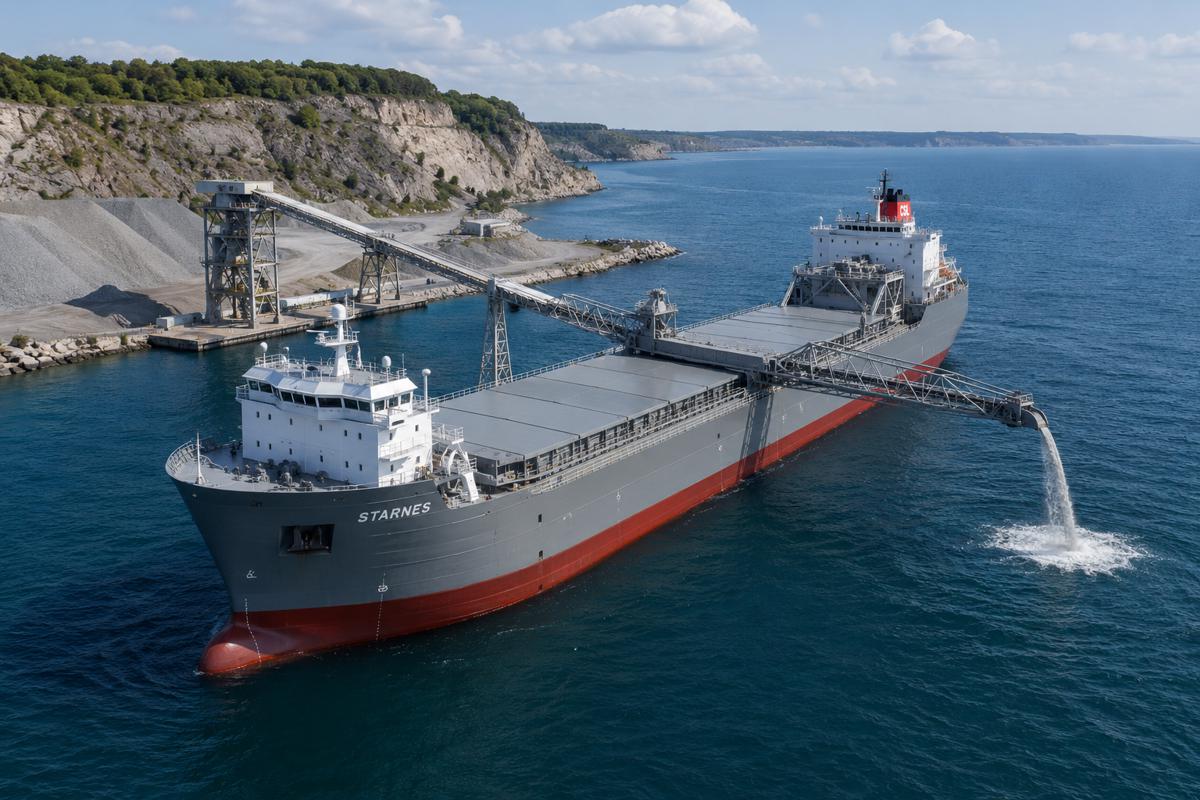
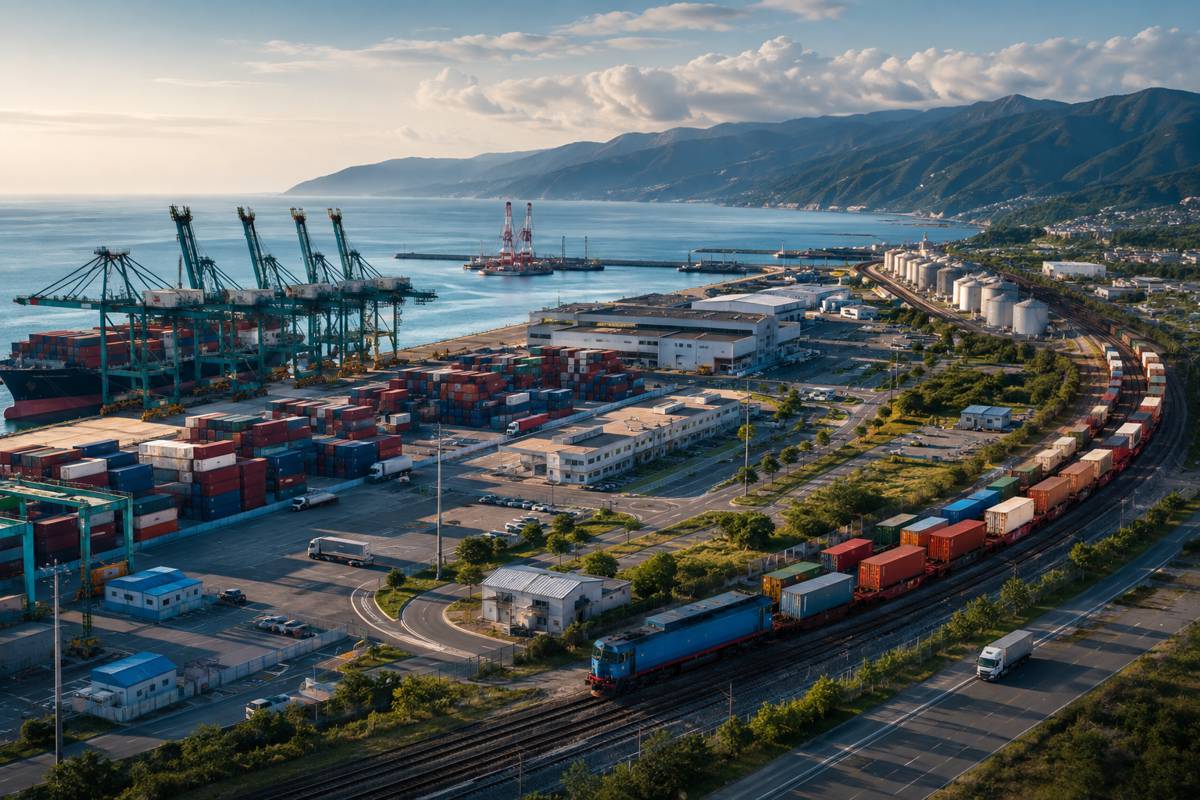
Seno Kisen contributes logistics and maritime operational expertise. Large energy systems depend on supply chain discipline, heavy transport capability, fleet operations and asset management. Anyone who has delivered a megaproject knows the truth: brilliant engineering can still fail if logistics fail first.
Together, these appointments suggest Helical Fusion is selecting partners who understand how to make things, move things and maintain things.
HARUKA and KANATA Signal a Structured Development Path
The company says the partnership model is intended to support Helix HARUKA, its integrated demonstration device, and later Helix KANATA, described as its planned first commercial plant in the 2030s.
That phased approach mirrors infrastructure best practice. Demonstration assets reduce technical uncertainty, allow supply chains to mature and provide performance data needed for later financing rounds. It is the same logic seen in transport, renewable energy and industrial processing projects worldwide.
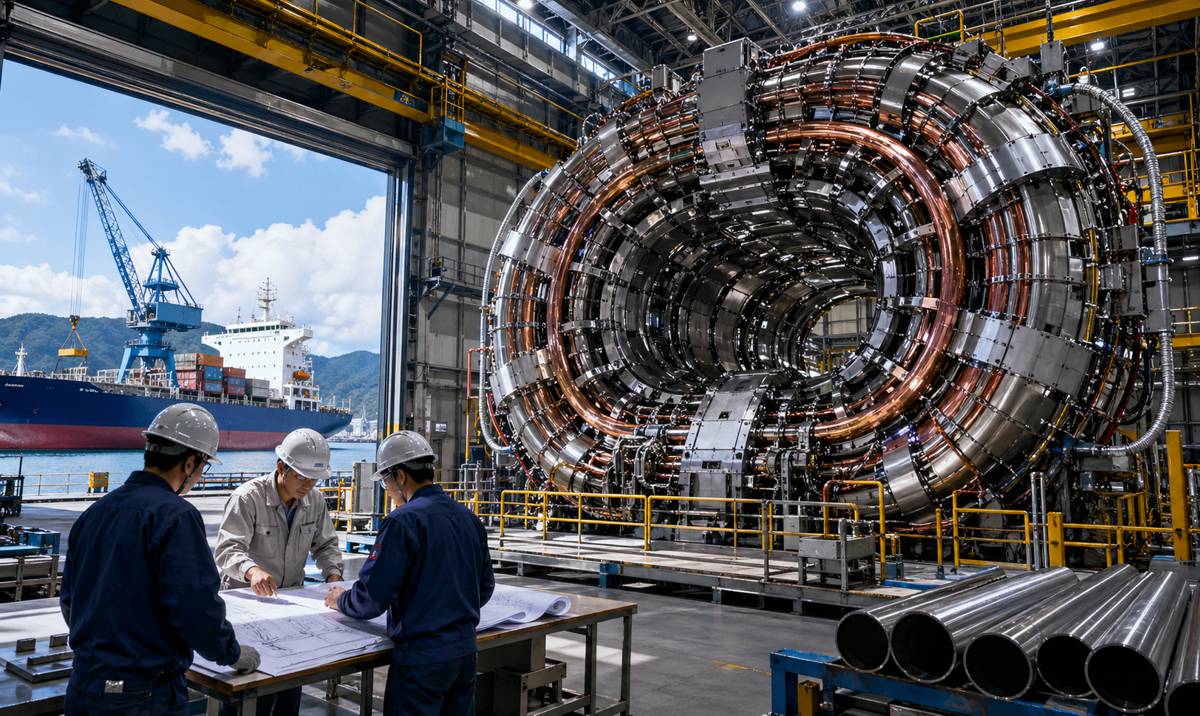
Manufacturing and construction are already underway for magnet demonstration work for HARUKA at a dedicated Helical Fusion workspace on the campus of the National Institute for Fusion Science in Toki, Gifu. That physical progress matters. In deep technology sectors, moving from renderings and presentations to hardware fabrication is a critical credibility step.
For policymakers, this also signals Japan’s intention to remain relevant in the global clean energy race. While many fusion headlines come from the United States or United Kingdom, Japan’s engineering depth and manufacturing base could make it a formidable long-term player.
A New Supply Chain Opportunity for Global Industry
If fusion reaches commercial scale, the economic impact could stretch far beyond electricity generation. Entire new supply chains may emerge around superconducting systems, advanced alloys, precision manufacturing, robotics maintenance, remote handling, cryogenic systems, control software and specialist construction.
That is why infrastructure and industrial executives should pay attention now. Companies that enter early may shape standards, secure strategic relationships and build intellectual property advantages before the market fully forms.
For contractors, EPC firms and materials suppliers, fusion could eventually become a new class of mega-industrial project. For governments, it could offer energy security with low operational emissions. For investors, it may create long-duration industrial growth opportunities, albeit with technical and timing risk still firmly on the table.
Building an Energy Industry Before the Plants Arrive
Takaya Taguchi, Co-Founder and CEO of Helical Fusion, framed the challenge directly: “Commercial fusion will not be realized by a startup alone, or by physics alone.”
That statement cuts through much of the noise surrounding emerging energy technologies. Real industrial revolutions happen when science, engineering, manufacturing and finance move together. Wind, solar, semiconductors and electric vehicles all followed that pattern.
Helical Fusion’s new partnership model does not mean fusion is solved. It does suggest the sector is maturing. The conversation is shifting from whether plasma can be controlled to whether industry can be organised.