Nyobolt Fast Charging Technology Powering Autonomous Infrastructure
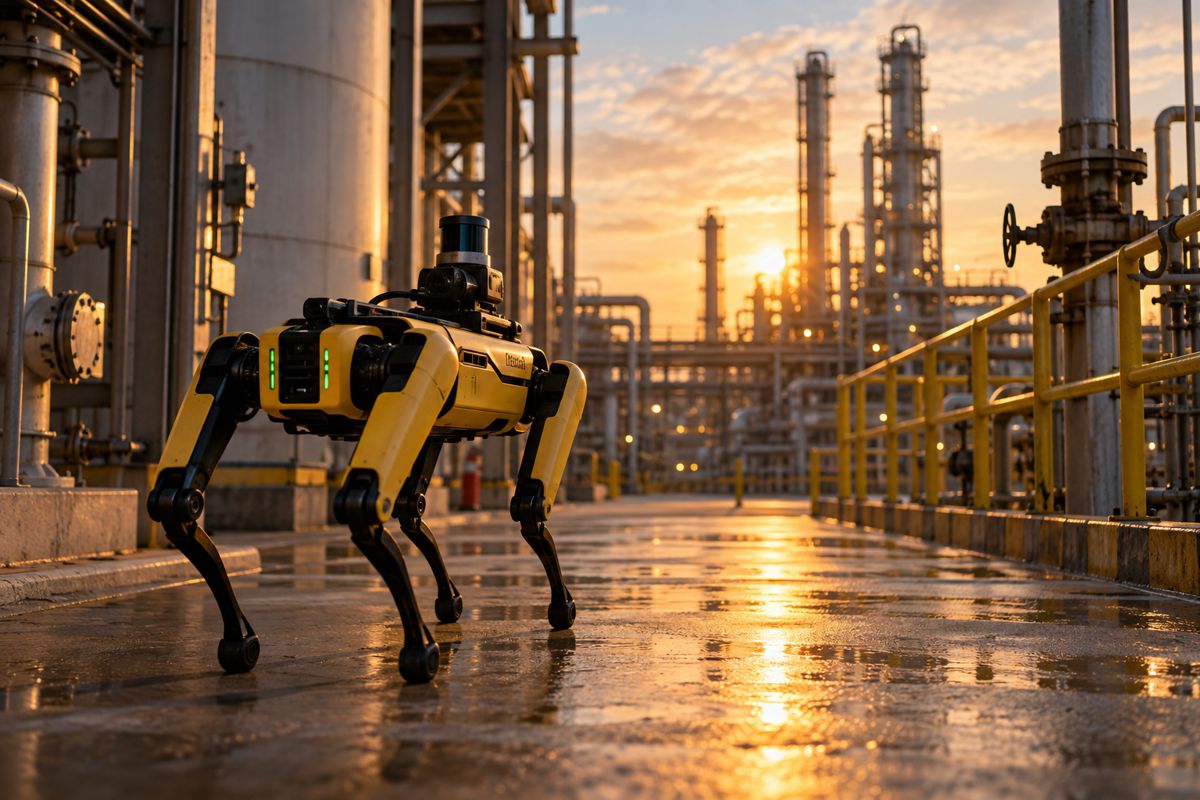
Artificial intelligence may dominate headlines through software breakthroughs and cloud computing, but the real industrial transformation is unfolding in warehouses, factories, logistics hubs and autonomous machinery fleets. From mobile robots moving freight through distribution centres to industrial automation platforms operating around the clock, the next phase of AI increasingly depends on one stubborn physical constraint: power.
That challenge is becoming impossible to ignore. Autonomous systems are expected to work continuously, recharge rapidly and operate reliably in environments where downtime can cripple productivity. Traditional lithium-ion batteries, designed largely around consumer electronics and passenger vehicles, are struggling to keep pace with the brutal operational realities of industrial robotics and physical AI.
UK-based energy technology company Nyobolt has secured $60 million in fresh investment to accelerate deployment of its ultra-fast charging and high-power battery systems. The funding round was led by supply chain robotics specialist Symbotic, alongside IQ Capital, Latitude, Scania Invest and CBMM. The investment follows a period of rapid growth for Nyobolt, which reported a fivefold increase in revenues year-on-year as demand for industrial energy solutions intensifies.
The timing is significant. Warehousing, construction logistics, autonomous transport, mining automation and AI-enabled infrastructure systems are all pushing toward continuous operation models. Yet energy systems remain one of the biggest limiting factors. Machines may be getting smarter, but many still spend too much time charging, swapping batteries or operating within rigid power constraints.
Nyobolt’s latest funding round highlights a growing recognition across industrial sectors that energy infrastructure is now just as critical as software, semiconductors and robotics hardware in determining how quickly autonomous systems can scale commercially.
Briefing
- Nyobolt has raised $60 million to expand its ultra-fast charging and high-power battery technologies
- The funding round was led by Symbotic, with backing from IQ Capital, Latitude, Scania Invest and CBMM
- The company is targeting energy bottlenecks in autonomous robotics, industrial AI systems and AI data centres
- Nyobolt technology is already being used in Symbotic warehouse robots operating in continuous 24/7 environments
- The company is also expanding into India with plans for more than 100MW of off-grid AI data centre infrastructure
Autonomous Machines Are Hitting an Energy Wall
For years, industrial automation discussions focused primarily on sensors, software and machine intelligence. Power systems rarely attracted the same attention. That’s now changing rapidly as autonomous machines move into heavier-duty and longer-duration applications.
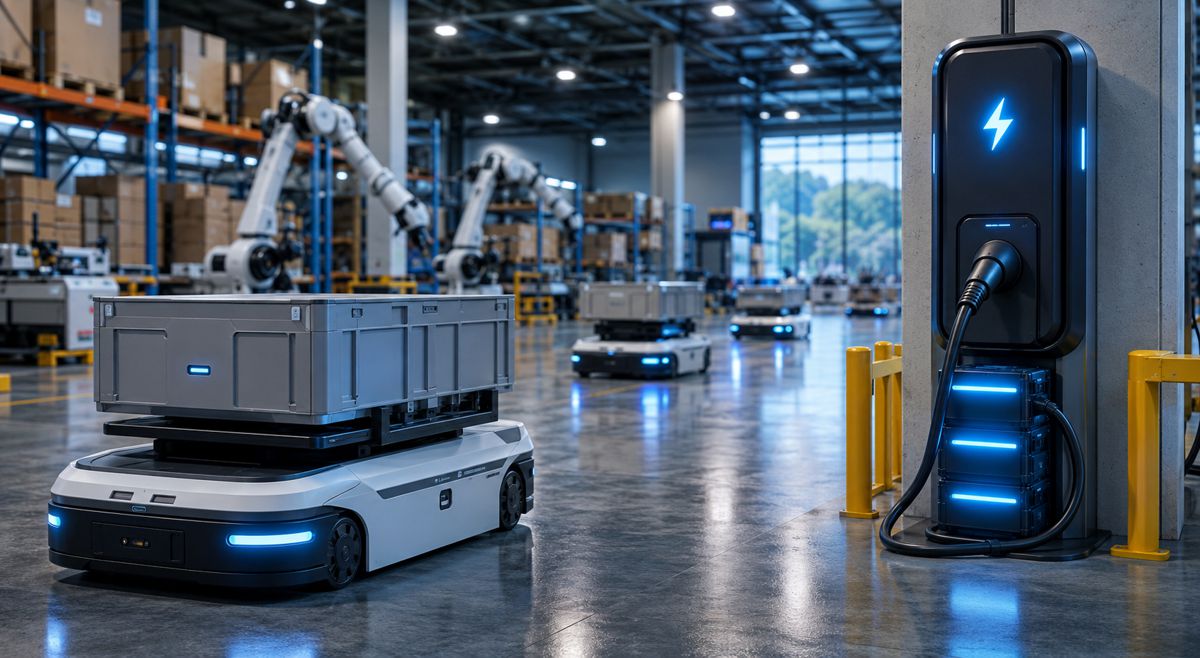
Warehouse robotics offers one of the clearest examples. Major logistics operators increasingly rely on fleets of autonomous mobile robots operating almost continuously to support e-commerce fulfilment and supply chain efficiency. The operational economics only work if those machines remain active for as long as possible.
Battery limitations directly affect productivity. Slow charging cycles, thermal constraints, weight penalties and declining performance over repeated charging cycles all create operational friction. In high-volume logistics environments, even small interruptions can cascade into substantial inefficiencies.
Nyobolt argues its technology addresses precisely those industrial pain points. According to the company, its systems combine ultra-fast charging capability with high durability and extended cycle life, allowing machines to remain operational for longer periods without compromising performance.
Sai Shivareddy, Nyobolt Co-founder and Chief Executive Officer, framed the challenge in operational terms rather than technological hype.
“Nyobolt is enabling the always-on, always-moving infrastructure that physical AI demands,” said Shivareddy. “The enterprises deploying autonomous systems at scale can’t afford downtime, swap time, or power flickers. Our technology delivers a powerful trifecta: improved performance, exceptional durability, and a more sustainable operation, enabling a new generation of machines to run harder and smarter.”
The emphasis on uptime reflects broader industrial priorities. In sectors such as construction, mining, logistics and manufacturing, reliability often matters more than raw performance metrics. Equipment that charges faster but degrades quickly creates different operational problems. Likewise, batteries with long life but limited power delivery may fail under demanding workloads.
Robotics Expansion Is Reshaping Industrial Infrastructure
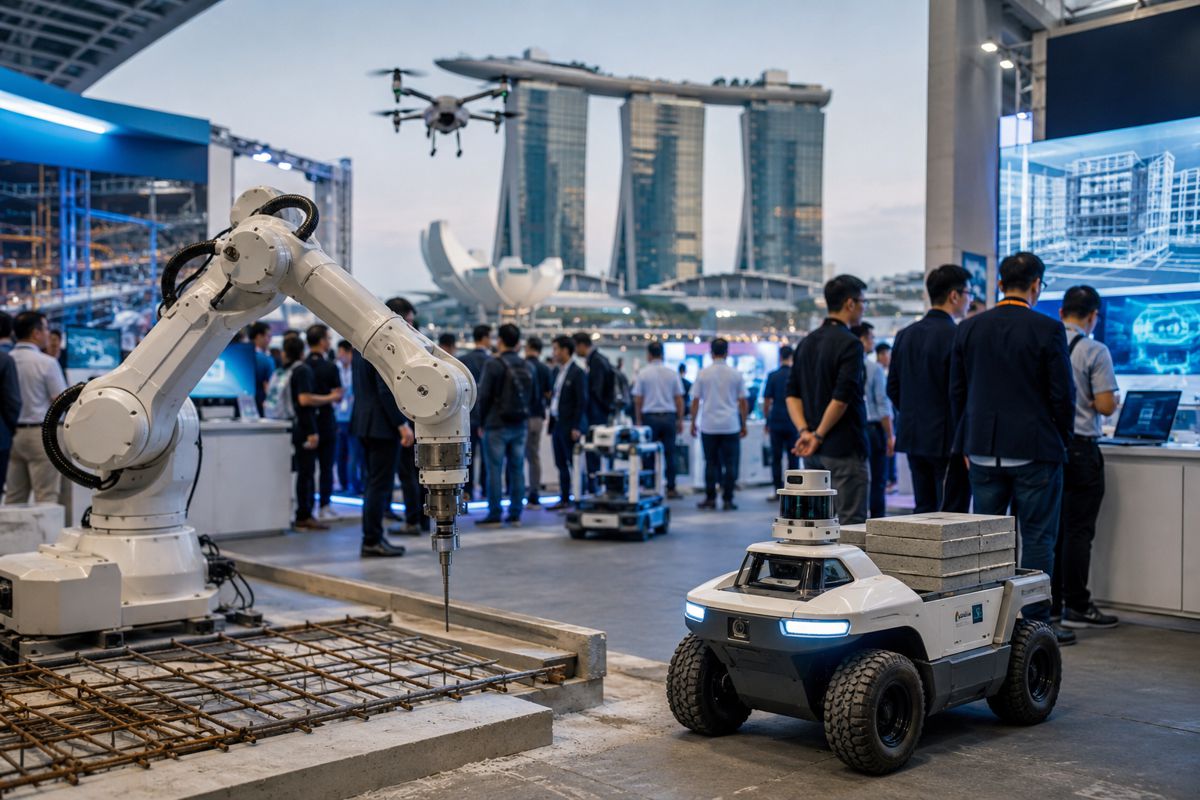
The rise of autonomous robotics is no longer confined to experimental deployments or isolated pilot projects. Global warehouse automation spending continues to climb as labour shortages, e-commerce growth and supply chain pressures force companies to rethink operational models.
According to market research from Interact Analysis and McKinsey, autonomous mobile robots and warehouse automation systems are expected to expand significantly over the next decade, particularly across distribution, manufacturing and industrial logistics sectors. AI-enabled robotics are also increasingly entering ports, airports, hospitals and urban service environments. That creates enormous pressure on industrial energy infrastructure.
Symbotic’s involvement in the funding round is particularly revealing because the company operates at the sharp end of industrial automation deployment. Its robotic warehouse systems process massive volumes of inventory movement using fleets of autonomous mobile robots operating continuously.
Nyobolt says its battery technology is already being deployed within Symbotic’s SymBot autonomous robot systems. According to the company, the battery solution provides six times more energy capacity than the ultracapacitors previously used while also being 40 per cent lighter and delivering at least ten times the cycle life of conventional lithium-ion technologies.
Those metrics matter commercially because warehouse operators increasingly measure performance in uptime hours rather than theoretical efficiency gains.
Bill Boyd, Symbotic’s Chief Strategy Officer, described the commercial rationale behind the partnership.
“We’re proud to partner with Nyobolt and invest in the next phase of their growth,” said Boyd. “Nyobolt’s proven technology is a key enabler of enhanced uptime and efficiency for our customers, and we’re excited about the overall market potential of a new instant power infrastructure across multiple applications.”
The phrase “instant power infrastructure” points toward a wider industrial transition already underway. Fast charging systems, intelligent power management and distributed energy storage are becoming essential components of automated infrastructure networks.
Industrial AI Needs More Than Faster Batteries
While battery performance attracts much of the attention, the wider issue involves power management across increasingly complex autonomous ecosystems.
Physical AI systems differ fundamentally from traditional computing environments. Data centres operate within controlled, predictable conditions. Autonomous machines operate in dynamic and highly variable environments where power demands can fluctuate dramatically.
Construction machinery, logistics robots and industrial automation platforms frequently experience sharp transient power spikes. Thermal management, rapid discharge capability and resilience under repeated heavy cycling become crucial engineering requirements.
Nyobolt’s approach combines proprietary anode materials, battery cell design and integrated power electronics. That integrated strategy reflects a growing industry understanding that battery chemistry alone will not solve industrial AI power challenges.
The wider industrial sector is increasingly pursuing hybrid energy architectures combining battery systems, fast charging infrastructure, intelligent power management software and distributed renewable energy integration.
That shift also aligns with growing sustainability pressures across infrastructure and industrial sectors. Faster charging and longer battery lifecycles can reduce operational waste and lower total ownership costs, particularly for large commercial fleets operating continuously.
Industrial electrification targets are also intensifying globally. Governments across Europe, Asia and North America continue introducing stricter emissions standards and incentives for cleaner industrial operations. Reliable high-performance battery systems are becoming increasingly important for organisations attempting to balance productivity with decarbonisation targets.
Data Centres Face Similar Energy Pressures
Although Nyobolt’s robotics applications attract immediate attention, the company is also positioning itself within another rapidly growing infrastructure sector: AI data centres.
Modern AI workloads create enormous and highly variable power demands. GPU-intensive systems used for training and running large-scale AI models generate power spikes that legacy uninterruptible power supply systems were never designed to manage.
That presents a serious infrastructure challenge as global AI data centre expansion accelerates.
The International Energy Agency recently warned that electricity demand from AI infrastructure could increase dramatically over the coming decade, placing mounting pressure on national grids and energy resilience strategies. Major technology companies are already investing heavily in alternative energy systems, backup power solutions and grid-independent infrastructure.
Nyobolt sees an opportunity to support this emerging market through high-performance energy storage and transient power management systems capable of responding rapidly to fluctuating demand.
This convergence between industrial automation and AI infrastructure is increasingly important. Warehouses, ports, transport systems and construction operations are evolving into highly connected computational environments where robotics, edge computing and AI platforms operate simultaneously.
Reliable power management becomes the invisible backbone holding those systems together.
India Emerges as a Strategic Growth Market
Nyobolt’s expansion plans also reflect broader shifts in global infrastructure investment geography. The company has signed a Memorandum of Understanding with the state of Rajasthan in India to develop more than 100MW of off-grid AI data centres and power management infrastructure.
India represents one of the fastest-growing digital and industrial economies globally. Rapid urbanisation, expanding logistics networks and accelerating AI adoption are creating major demand for resilient energy infrastructure.
Grid stability remains a challenge across many emerging industrial regions, making off-grid and hybrid power systems increasingly attractive for mission-critical operations. AI infrastructure operators cannot afford intermittent supply disruptions, particularly as hyperscale computing demand continues to rise.
Nyobolt indicated that Rajasthan may become the first stage of a broader expansion strategy across multiple Indian states, particularly focusing on renewable energy integration and grid-independent storage systems.
That strategy mirrors wider global investment trends. Industrial operators increasingly want energy resilience alongside sustainability. Distributed storage systems capable of integrating renewable energy sources while supporting continuous industrial operations are attracting growing attention from investors and policymakers alike.
Energy Infrastructure Becomes the New Competitive Edge
For decades, industrial competition focused primarily on machinery capability, labour productivity and software integration. Increasingly, energy performance is joining that list as a decisive operational differentiator.
Autonomous systems that charge faster, operate longer and maintain stable performance under extreme workloads will almost certainly outperform competitors tied to slower or less resilient energy architectures.
That matters enormously for sectors such as logistics, mining, construction and transport infrastructure where downtime carries substantial economic consequences.
Nyobolt’s funding round signals growing investor confidence that advanced energy systems may become one of the defining industrial battlegrounds of the AI era. Robotics and automation companies are rapidly discovering that intelligence alone is not enough. Machines must also remain operational, resilient and commercially viable under relentless real-world conditions.
The industrial AI race may ultimately be won not only by the smartest machines, but by the energy systems capable of keeping them moving.