Mobix Labs Bets on Aerial Intelligence With Vision Aerial Acquisition
There was a time when drones sat on the fringes of infrastructure and industrial operations, viewed as useful but hardly essential. That era has quietly passed. Across construction, energy, transport, utilities, emergency response and national security, unmanned aerial systems are becoming embedded into how assets are inspected, monitored, secured and managed.
Now Mobix Labs has announced plans to acquire Vision Aerial, a United States manufacturer of mission-focused drone systems. The proposed transaction, structured through a binding Letter of Intent, would move Mobix Labs beyond its established electronics and sensing business into the rapidly expanding field of aerial intelligence and autonomous operations. Completion remains subject to definitive agreements, due diligence and customary approvals.
This development says less about aircraft and more about the evolution of industrial data. The strategic value increasingly sits in the ability to gather information from difficult, remote or hazardous environments and convert it into operational decisions in near real time.
Briefing
- Mobix Labs has signed a binding Letter of Intent to acquire Montana drone manufacturer Vision Aerial.
- The move expands Mobix Labs into aerial intelligence and autonomous systems.
- Vision Aerial serves defence, energy, public safety and infrastructure sectors.
- The proposed acquisition aligns with a broader acquisition-led growth strategy already underway at Mobix Labs.
- Manufacturing and operational continuity are expected to remain in the United States following completion, if approved.
Infrastructure Is Becoming a Continuous Monitoring Industry
Infrastructure operators have always relied on inspections, surveys and maintenance schedules. The difference today is speed and frequency.
Power networks, highways, rail systems, industrial plants and energy assets increasingly operate under expectations of continuous visibility. Asset owners want earlier warning of failures, lower inspection costs and safer operating conditions for workers.
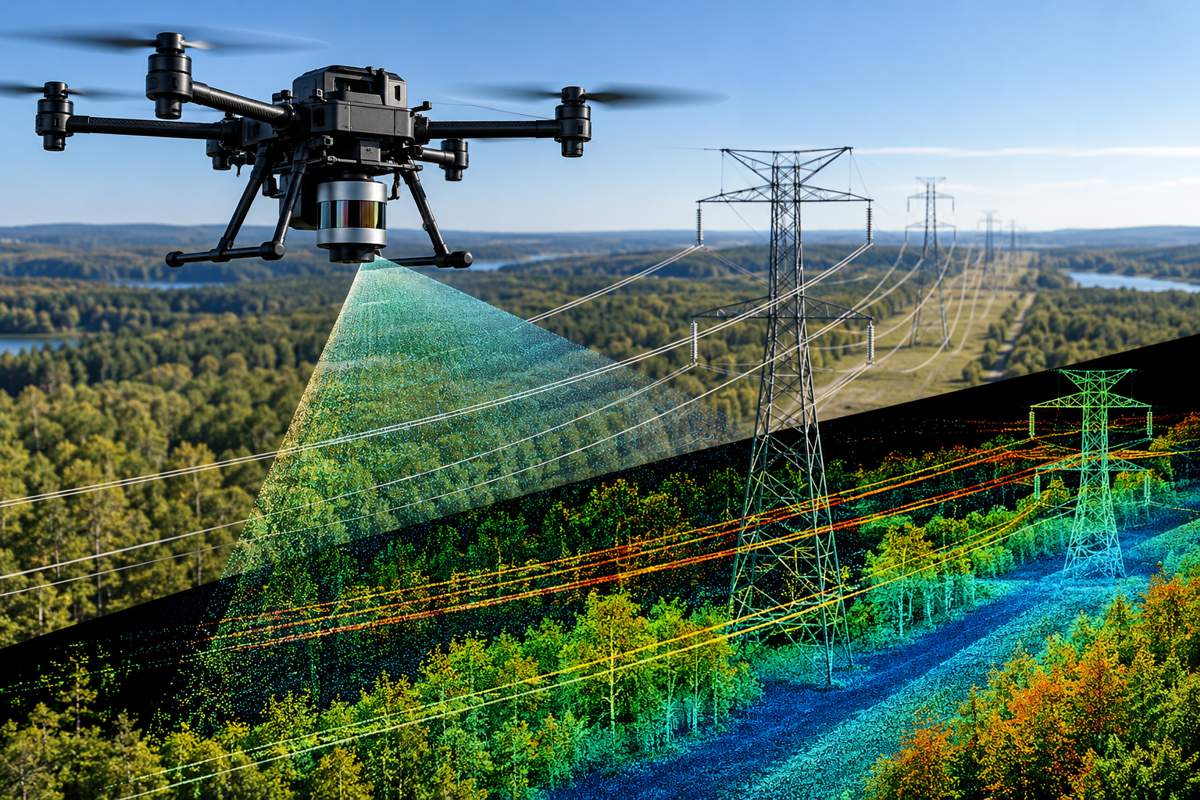
That requirement has created strong momentum for drone deployment. Aircraft equipped with thermal imaging, LiDAR, photogrammetry tools and environmental sensors can cover large areas quickly while reducing exposure to operational hazards.
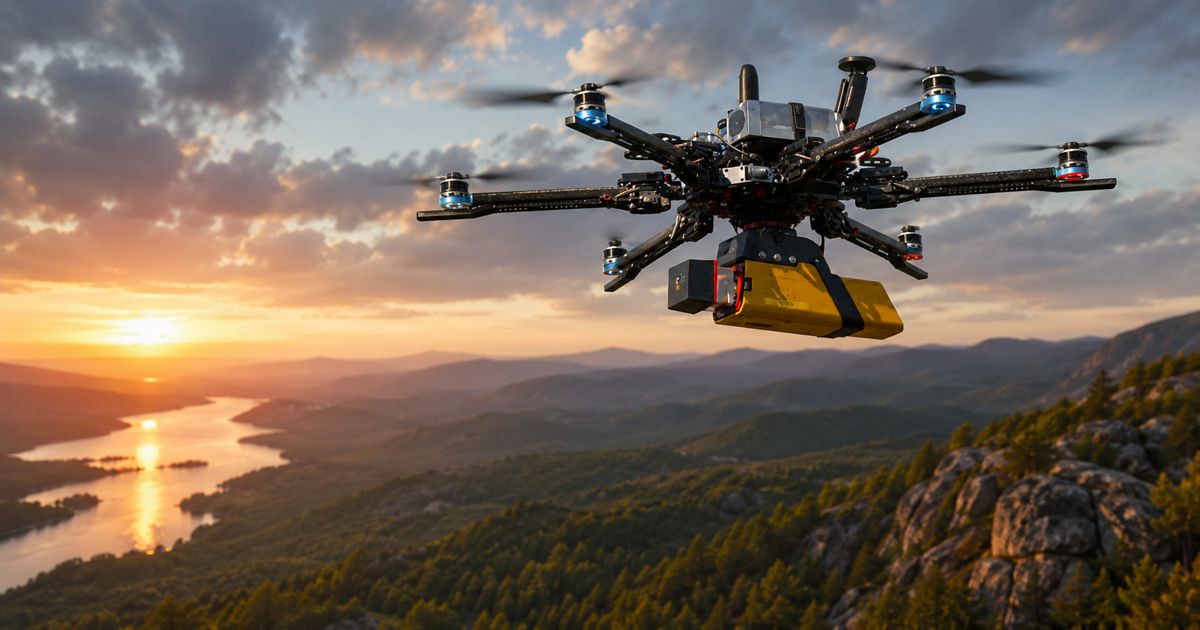
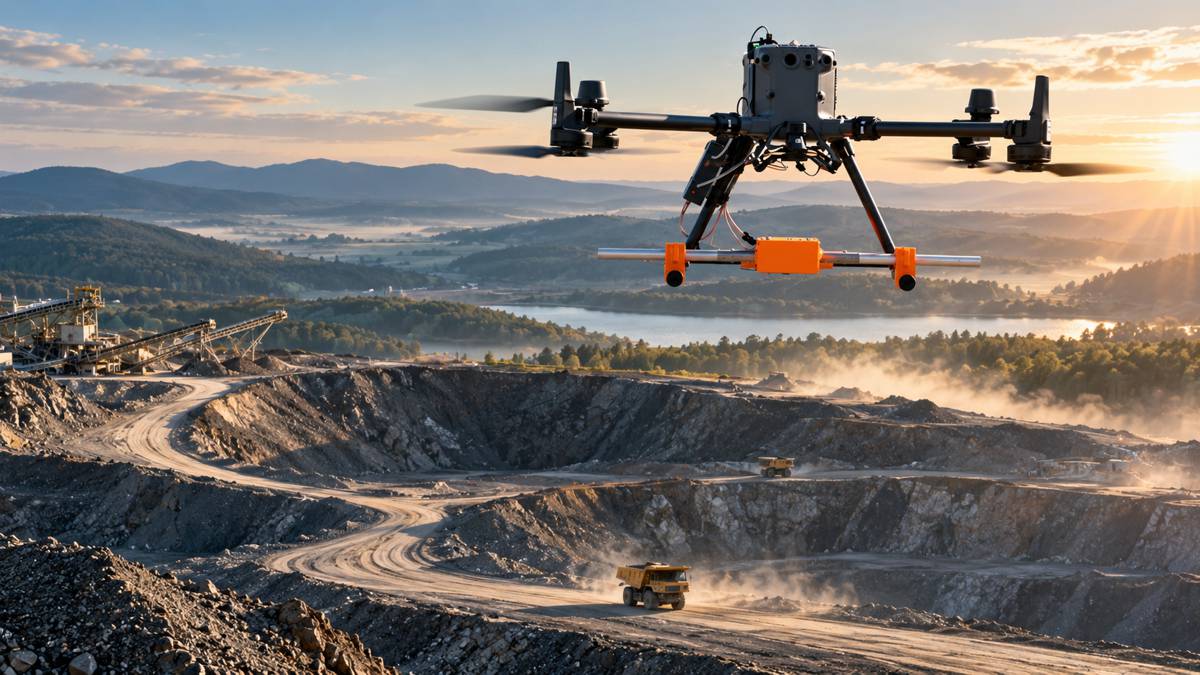
Vision Aerial’s approach reflects this evolution. Rather than developing aircraft around a single purpose, its platforms are designed to support interchangeable payloads including thermal imaging, high-resolution cameras, laser-based 3D mapping and gas detection technologies. That flexibility allows operators to adapt one airframe to multiple workflows without rebuilding their aerial fleet.
For sectors such as roads, bridges, transmission networks and industrial infrastructure, this changes the economics of inspection. Instead of deploying specialist teams for every scenario, organisations increasingly deploy sensor platforms capable of collecting richer datasets with less disruption.
The Bigger Prize Is Not the Aircraft
Drone hardware attracts attention, but the underlying commercial opportunity increasingly lies elsewhere.
Aerial intelligence combines aircraft, sensing, communications networks and software into integrated operational systems. The drone becomes one component in a wider architecture that supports decision-making. Mobix Labs appears to be positioning around that broader ecosystem.
The California-based company already operates across advanced electronics, radio frequency technologies, sensing and connectivity serving aerospace and high-reliability sectors. According to company information, its technologies are already deployed across programmes including military aviation and commercial aircraft platforms.
Combining those capabilities with aerial platforms creates opportunities that extend beyond traditional drone sales.
Potential applications include:
- Infrastructure asset inspection
- Environmental sensing
- Secure communications
- Autonomous monitoring
- Emergency response operations
- Industrial digital twins
- Remote operational analytics
The attraction is clear. Recurring service and data opportunities can create longer commercial lifecycles than hardware replacement alone.
Domestic Manufacturing Gains Strategic Weight
The timing of this announcement also reflects broader geopolitical and procurement trends.
Government agencies and operators responsible for critical infrastructure have become more selective about technology sourcing. Security, resilience and supply chain transparency increasingly influence procurement decisions alongside performance and price.
The United States has tightened restrictions around certain foreign-made drone technologies in sensitive environments, while comparable concerns are emerging internationally across critical infrastructure sectors. Demand for domestically manufactured and trusted aerial systems has strengthened as organisations seek greater operational assurance. Vision Aerial appears positioned to benefit from that trend.
Founded in Montana in 2013, the business designs, manufactures and supports its aircraft domestically. Its user base spans organisations including the U.S. Air Force, U.S. Navy, USDA Forest Service, industrial operators and research institutions.
That positioning potentially gives Mobix Labs access to customers operating in sectors where supplier trust and long-term support carry unusual weight.
Energy and Infrastructure Are Emerging as Major Drone Markets
Construction and infrastructure professionals often associate drones with surveying and photography. The market has already moved far beyond those origins.
Utility operators use aerial platforms for line inspection and vegetation monitoring. Energy producers employ thermal and gas sensing for asset management. Emergency responders integrate drones into wildfire operations and disaster assessment. Transport authorities increasingly rely on aerial data to support maintenance and network resilience.
Its deployments span infrastructure inspection, environmental monitoring, energy operations and mapping applications alongside public sector and defence requirements. That spread matters because industrial demand tends to be more stable and commercially durable than consumer drone markets.
Infrastructure is steadily becoming observable, measurable and increasingly autonomous.
Acquisition Strategy Continues to Take Shape
The proposed Vision Aerial transaction is not occurring in isolation. Mobix Labs has recently signalled an acquisition-led approach aimed at expanding into strategically aligned industrial sectors. Recent announcements show activity extending beyond its historical semiconductor and connectivity foundations into adjacent areas connected to resilience, national security and industrial capability.
This approach carries both opportunity and complexity. Acquisitions can accelerate entry into high-growth markets and provide immediate access to customers and expertise. Equally, integration risk remains significant, particularly when combining operational businesses with different cultures and commercial models.
Transaction terms have not been disclosed and the parties note there can be no assurance that the acquisition will complete under the proposed structure or at all. Vision Aerial leadership is expected to remain involved under multi-year agreements and manufacturing is expected to continue within the United States if the transaction proceeds.
Preserving Capability While Expanding Reach
Mobix Labs Chief Executive Officer Phil Sansone described the move as follows: “This is a defining move for Mobix Labs. We are moving to acquire a proven, American-built drone platform trusted by the U.S. Air Force, the U.S. Navy, and major industry customers, just as demand for secure, high-performance drones accelerates around the world. Vision Aerial expands Mobix Labs into one of the most important technology markets in the world and advances the acquisition-led growth strategy we have previously communicated.”
Vision Aerial Founder and Chief Technology Officer Shane Beams added: “Vision Aerial was built to serve demanding, real-world missions. Joining Mobix Labs would let us put American-made drones in the hands of far more customers at a time when demand for trusted, U.S.-built systems continues to grow.”
The comments point toward a shared emphasis on scale rather than reinvention. That distinction matters because industrial customers rarely adopt new technologies overnight. They tend to favour continuity, proven support structures and incremental capability gains.
The Next Layer of Infrastructure Intelligence
Infrastructure investment increasingly depends on information rather than concrete alone.
Road networks, airports, energy corridors and public assets are becoming sensor-rich environments where visibility and predictive insight influence performance as much as physical construction.
If completed, Mobix Labs’ acquisition of Vision Aerial would place the company inside a segment that sits at the intersection of defence, industrial technology and infrastructure operations.
The aircraft themselves are only part of the picture. The larger opportunity lies in connecting eyes in the sky to the systems that increasingly govern how critical infrastructure is built, maintained and protected. As that transition gathers pace, aerial intelligence is moving from specialist capability to operational expectation.