The Hidden Costs of Delaying Pavement Repairs
Most pavement problems do not start with major failures. Instead, they begin as small cracks, minor surface wear, or isolated drainage issues that seem relatively harmless at first glance.
Since the damage appears manageable, many property owners and facility managers choose to postpone repairs in an effort to save money or prioritize other projects. Over time, the cost of repairing the damage can increase significantly, making early intervention one of the most important parts of long-term pavement management.
Small Problems Tend to Grow Quickly
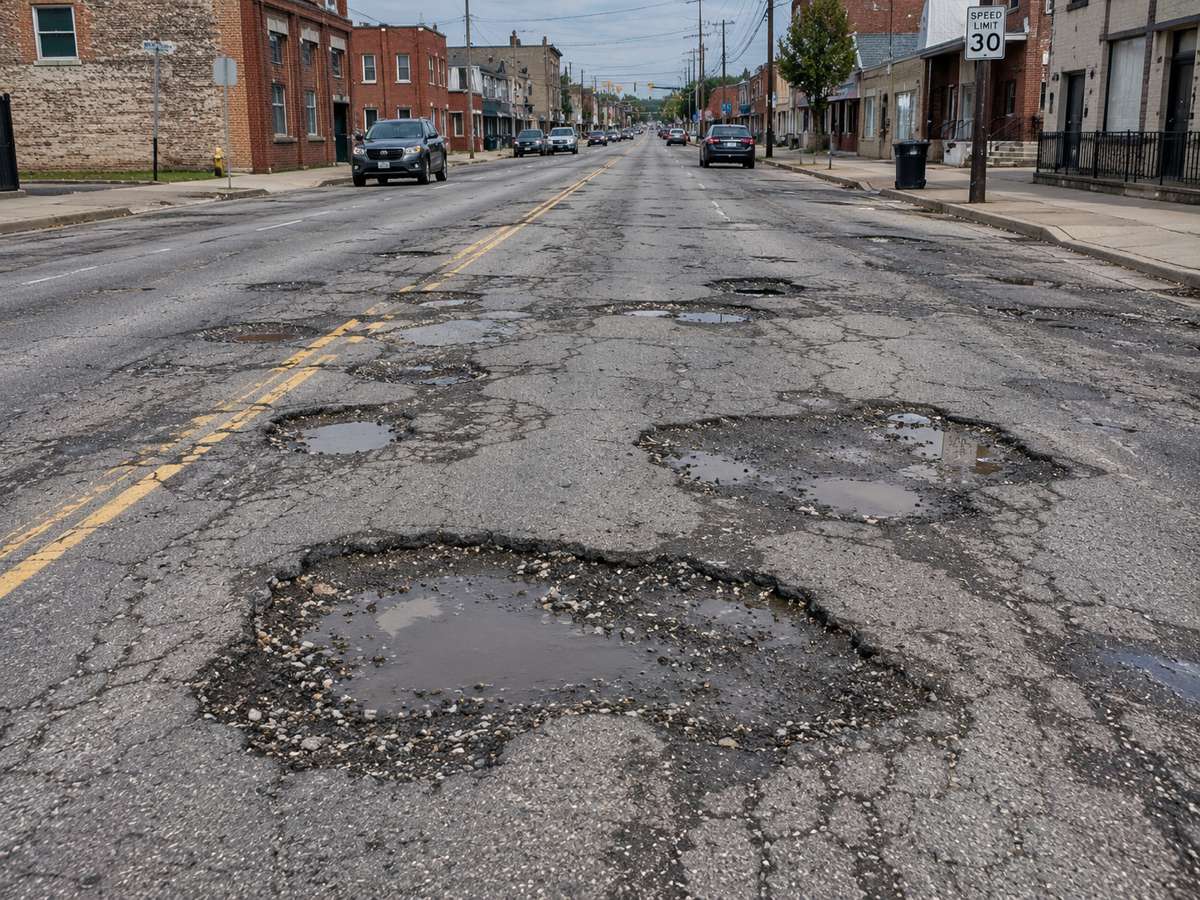
One of the biggest misconceptions about pavement maintenance is that visible damage represents the full extent of the problem. In reality, cracks and surface deterioration are often early warning signs of issues developing beneath the pavement itself.
Once the surface is compromised, water can begin penetrating the underlying layers. As moisture reaches the pavement base, it weakens the structural support that allows roads, parking lots, and commercial surfaces to withstand traffic loads. Because of this, a crack that may have required only a simple repair can eventually contribute to widespread deterioration across a much larger area.
Water Creates More Damage Than Most People Realize
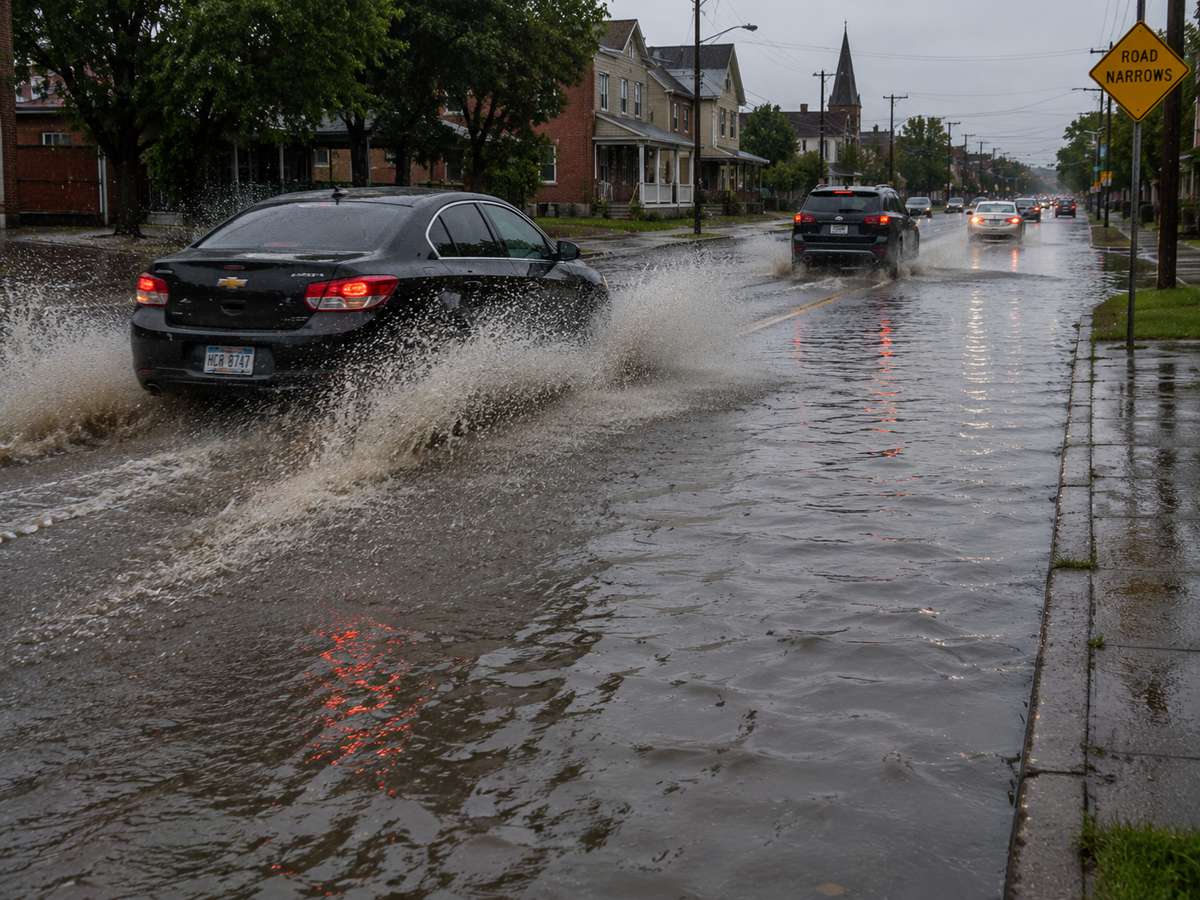
While heavy traffic is often blamed for pavement deterioration, water is frequently the more destructive force. Even relatively small openings in the surface allow moisture to enter areas that were designed to remain stable and dry.
As water moves beneath the pavement, it can weaken the materials that support the surface and gradually reduce overall structural integrity. Over time, this process may lead to:
- Softening of the pavement base
- Formation of potholes
- Surface settlement
- Reduced load-bearing capacity
- Accelerated cracking and deterioration
In regions that experience seasonal temperature changes, freeze-thaw cycles add another layer of stress. Water expands when it freezes, causing existing cracks to widen and creating new opportunities for damage to develop. As a result, what initially appears to be a cosmetic issue can eventually evolve into a much larger structural problem and weaken asphalt paving.
Delayed Repairs Often Lead to Higher Costs
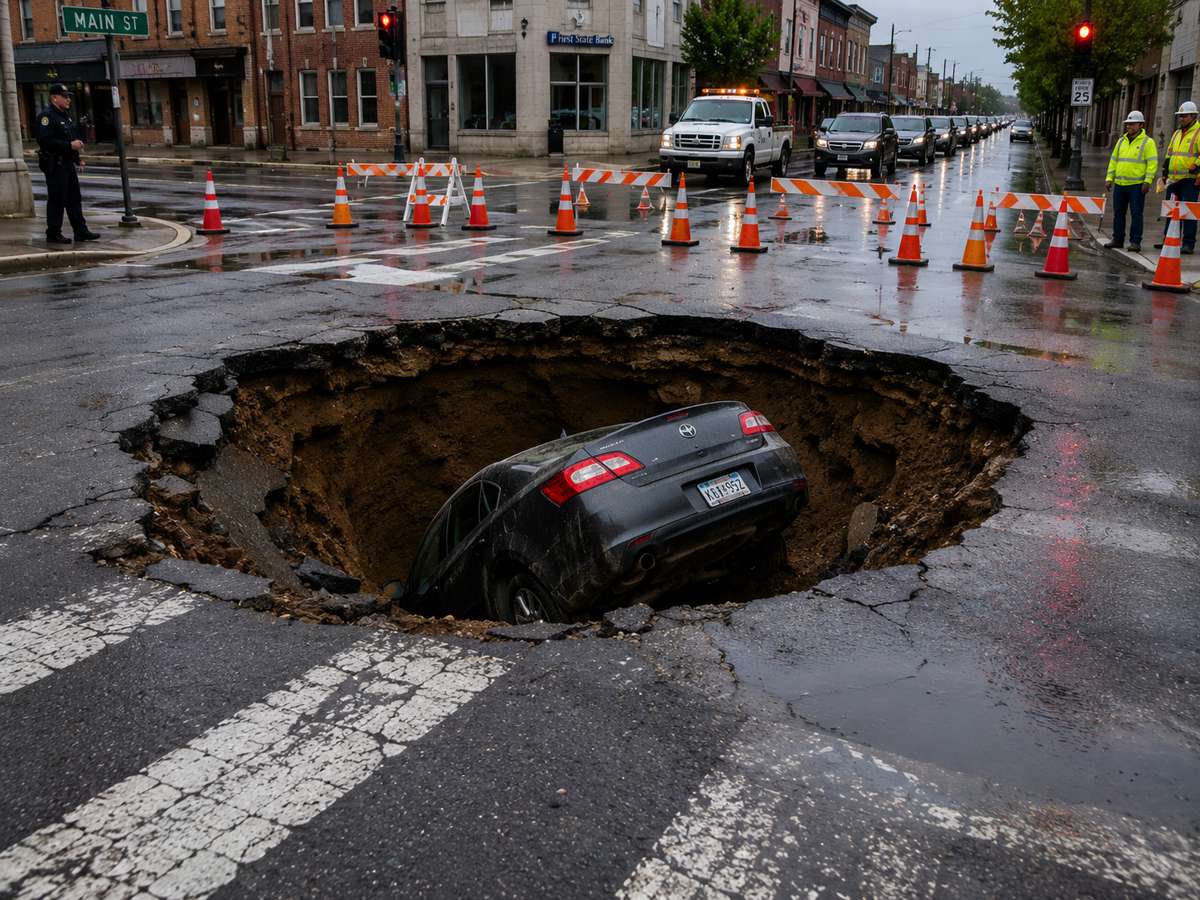
Many organizations postpone repairs because they want to avoid immediate expenses. Ironically, this approach often leads to significantly higher costs in the future. What could have been addressed through planned maintenance may eventually require significant repairs that disrupt normal business activities and increase overall project costs.
When property owners wait too long, they may lose the opportunity to preserve existing pavement and instead face major capital expenses associated with excavation, reconstruction, and traffic management. For example, routine maintenance activities such as crack sealing, sealcoating, and localized repairs are generally designed to preserve existing pavement before more serious damage develops. Early interventions often include:
- Crack sealing
- Sealcoating
- Surface patching
- Localized repairs
- Drainage improvements
Preventive Maintenance Supports Long-Term Asset Management
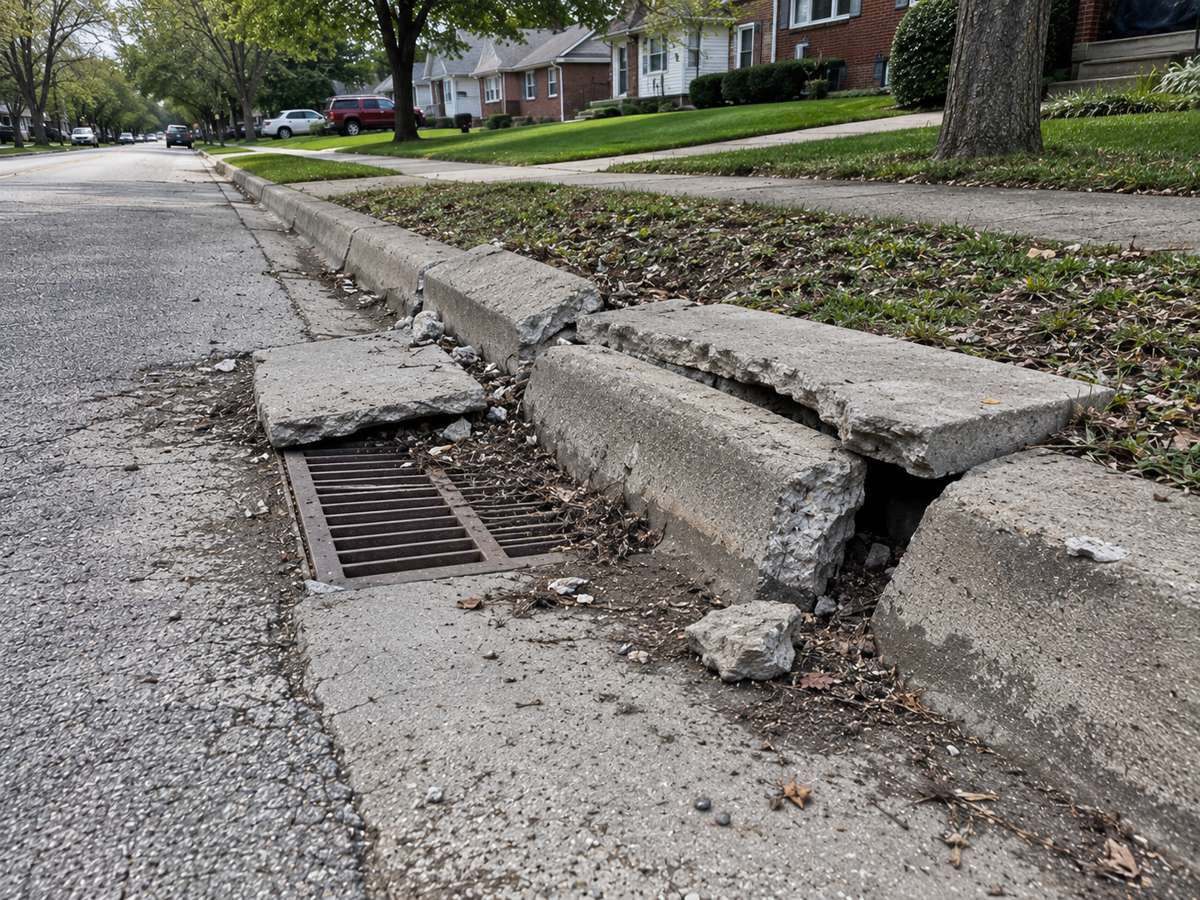
Property owners who take a proactive approach to pavement maintenance often achieve better long-term results than those who rely on reactive repairs. Regular inspections allow potential issues to be identified early, while scheduled maintenance helps extend pavement lifespan and improve budgeting predictability.
On top of that, preventative maintenance reduces the likelihood of unexpected disruptions. Rather than dealing with emergency repairs or major reconstruction projects, organizations can address issues gradually and strategically as part of a long-term asset management plan.
This approach not only controls costs but also helps maximize the value of existing infrastructure over time. As budgets become increasingly scrutinized, preserving existing assets often proves more cost-effective than replacing them prematurely.
Endnote
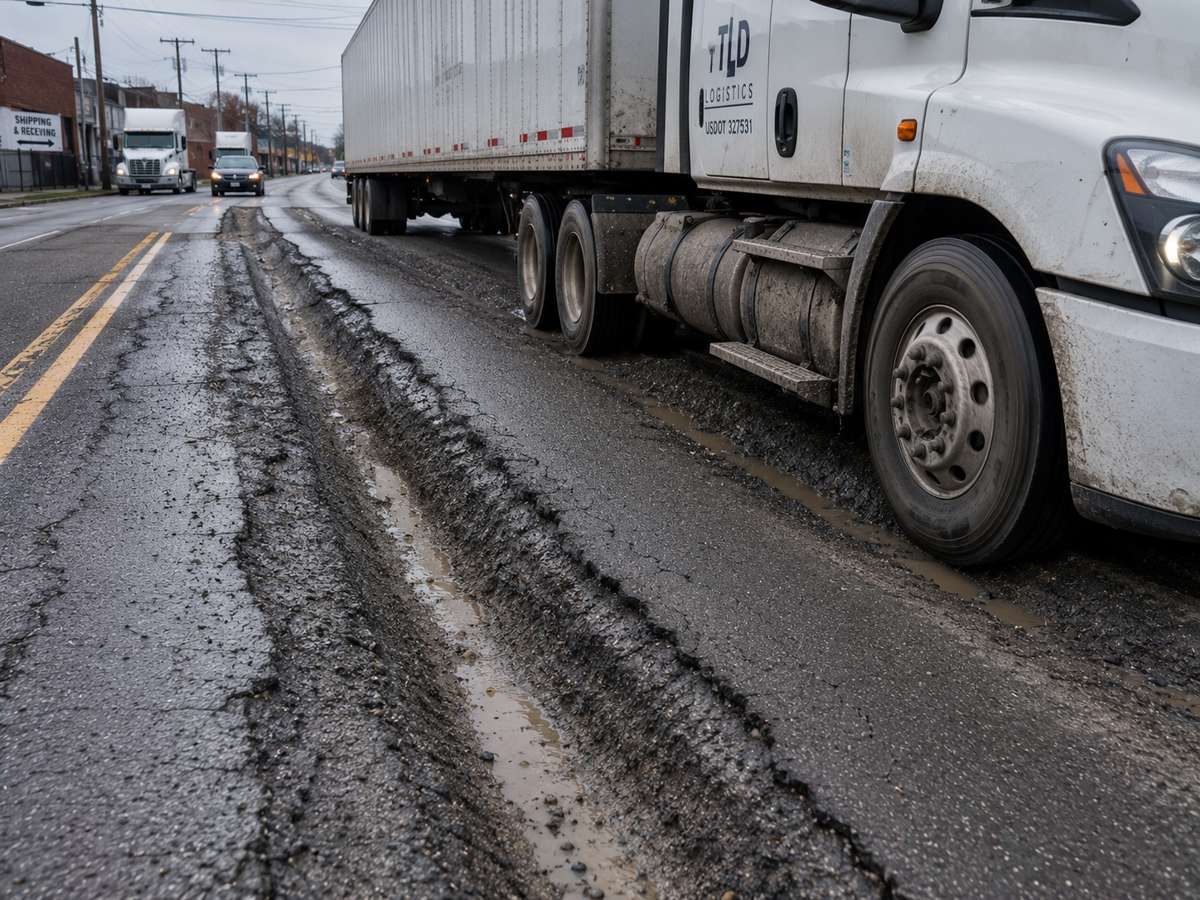
Delaying pavement repairs may seem like a practical short-term decision, particularly when budgets are tight and competing priorities exist. However, small pavement issues rarely remain small for long.
For property owners, developers, and facility managers, preventative maintenance remains one of the most effective ways to protect pavement assets, improve safety, and avoid unnecessary expenses.