PPP MENA Forum 2026 to Examine Infrastructure Investment and Project Delivery
Dubai will host the sixth PPP MENA Forum on 10–11 November 2026, bringing together government authorities, infrastructure investors, project developers and financial institutions to examine the financing and delivery of major infrastructure projects across the Middle East and North Africa.
Taking place at Palazzo Versace Dubai, the two-day gathering will cover transport, water, energy, healthcare, education and other public services. Discussions will concentrate on project preparation, procurement and financing arrangements as regional governments expand private-sector participation while managing public expenditure, construction risk and long-term operational commitments.
Briefing
- The sixth PPP MENA Forum takes place in Dubai on 10–11 November 2026.
- The programme covers transport, utilities, energy, healthcare, education and digital infrastructure.
- Government representatives from the UAE, Kuwait, Egypt, Morocco, Jordan and other markets are scheduled to participate.
- Rail connectivity, water resilience and procurement bottlenecks feature prominently in the agenda.
- Sessions will examine project bankability, investment confidence and long-term risk allocation.
From Infrastructure Ambitions to Bankable Projects
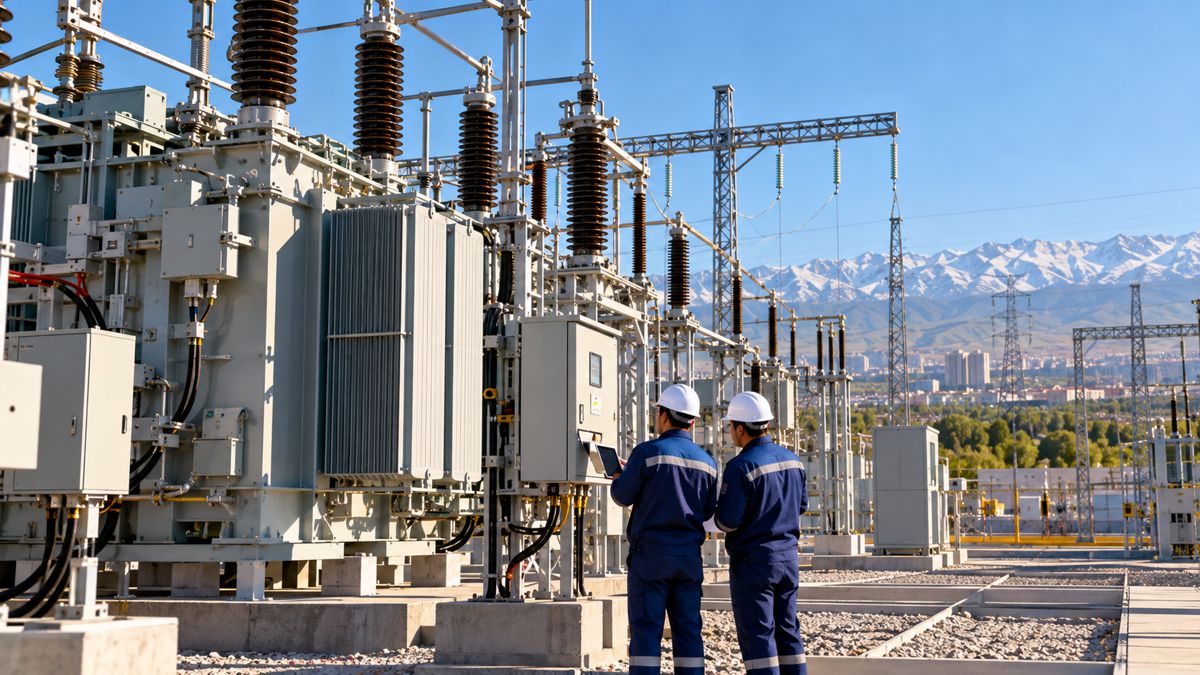
Public-private partnerships have become an established component of infrastructure delivery across parts of the Middle East, particularly in sectors where long-term service agreements can support private financing and operational investment.
Depending on the structure, private consortia may assume responsibility for financing, designing, constructing, operating or maintaining infrastructure under agreements extending over several decades. Payments can be linked to asset availability, service performance, user revenues or combinations of these mechanisms, with the contractual arrangements determining how risks and responsibilities are shared.
For investors and lenders, confidence in payment obligations, demand assumptions and regulatory arrangements is essential. Construction risk, operating costs and the financial strength of public counterparties can all influence whether a project attracts competitive financing.
The official forum agenda includes discussions on structuring bankable projects, overcoming procurement delays and establishing credible frameworks for long-term infrastructure programmes. Sessions will examine the time required for project preparation, government approvals and tendering, alongside the payment mechanisms needed to attract institutional investment into social infrastructure.
A technically feasible project supported by government policy can still struggle to reach financial close if its commercial structure leaves excessive uncertainty with developers, contractors or lenders. The preparation undertaken before procurement often determines whether a competitive market emerges at all.
Regional PPP Frameworks Continue to Develop
The UAE has strengthened its federal framework through Federal Law No. 12 of 2023, which regulates public-private partnerships involving federal government entities.
The legislation establishes arrangements for private participation in the development and operation of public services and facilities, with objectives including improved service delivery, access to specialist expertise and better value for public expenditure. The UAE Ministry of Finance has also published a PPP projects management and execution manual, providing guidance on project preparation, procurement and contract management.
Saudi Arabia offers another indication of the scale of regional ambitions. In January 2026, the government announced its National Privatisation Strategy following the completion of the earlier Privatisation Programme. According to the Saudi Press Agency, the programme had developed more than 200 approved projects with total investments reaching approximately US$213 billion and overseen the signing of nearly 90 contracts covering asset transfers and PPP arrangements.
Those figures describe the scale of programme development and contractual activity rather than completed infrastructure investment. They nevertheless provide a useful measure of how extensively private participation has been incorporated into national development strategies.
The Dubai forum will bring together representatives from markets at different stages of PPP development. Scheduled speakers include Asma Muhammad Al-Mousa, Acting General Manager of the Kuwait Authority for Partnership Projects; Atter Hannoura, Director of Egypt’s PPP Central Unit at the Ministry of Finance; and Saloua Saoudi, Head of the PPP Project Studies and Appraisal Unit at Morocco’s Ministry of Economy and Finance.
Their respective jurisdictions provide different perspectives on procurement, institutional capacity and project preparation, particularly where legal frameworks and commercial conditions vary considerably between markets.
Rail Connectivity and Water Infrastructure
Transport infrastructure remains an important area for partnership development, although large cross-border projects introduce complications that extend well beyond conventional construction and financing arrangements.
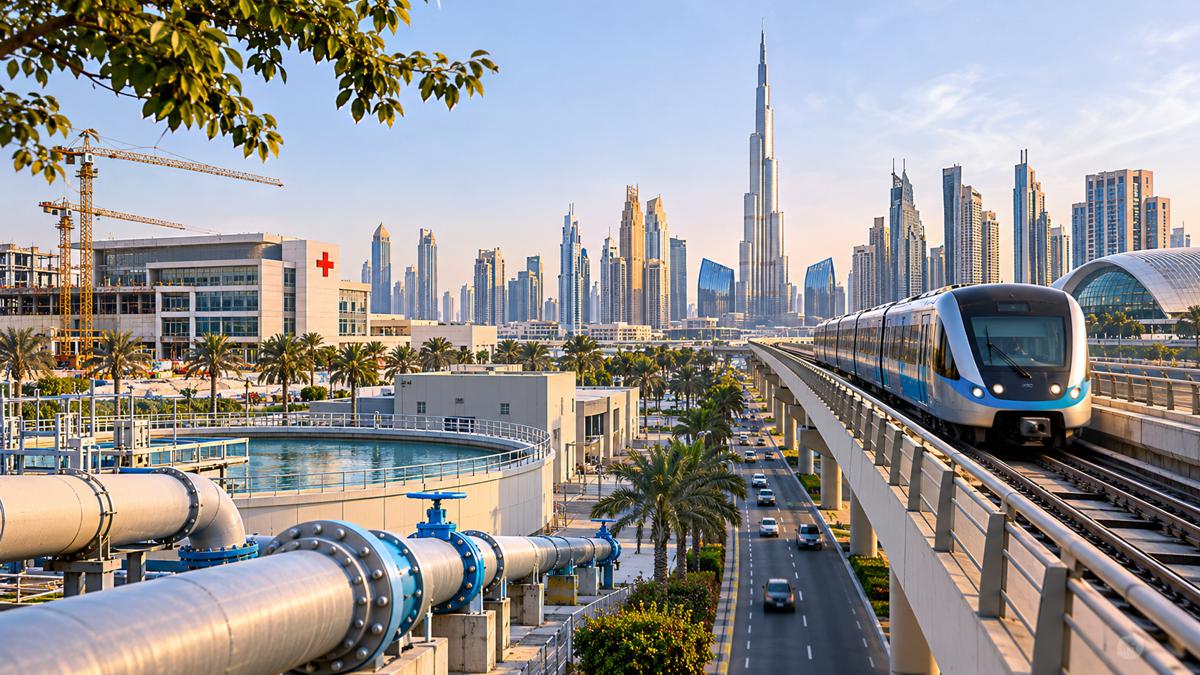
A dedicated session will examine interconnected rail infrastructure across the Gulf, including procurement models, private participation and the allocation of risks between jurisdictions. Such networks require coordination between infrastructure owners, regulators, operators and national authorities, with interoperability, access arrangements and operating responsibilities becoming particularly important where railway systems cross borders.
The discussion is scheduled to involve Frank Beckers, Senior Financial Advisor at Etihad Rail, alongside representatives from legal, advisory and public-sector organisations.
Water infrastructure presents a different set of commercial considerations. Privately financed desalination and water production facilities are established in several Gulf markets, but extending partnership structures into transmission pipelines, strategic reservoirs and associated networks requires arrangements suited to assets that provide essential public services without necessarily generating direct user revenues.
Availability-based payment structures offer one approach, allowing public authorities to pay for infrastructure meeting specified performance requirements. The allocation of construction, maintenance and operational risks remains central to the commercial structure, particularly where networks must deliver reliable service over long concession periods.
The programme will address water transmission and strategic storage alongside the development of resilient supply networks connecting production facilities with population centres and industrial demand. Dubai Municipality’s Fahd Al Awadhi, Director of the Sewerage and Recycled Water Projects Department, is also scheduled to present a case study on the Jebel Ali water infrastructure PPP.
Expanding Private Participation in Social Infrastructure
Healthcare, education and other public facilities are increasingly prominent within regional PPP programmes, although their financing structures can differ substantially from those used for toll roads or revenue-generating transport concessions.
Social infrastructure frequently depends on government-backed payment arrangements rather than direct user charges. Long-term contracts may cover the provision and maintenance of facilities, with payments subject to agreed service standards and performance requirements.
These arrangements place considerable emphasis on lifecycle costs, maintenance obligations and the division of responsibilities between public service providers and private facilities operators. Contractual provisions must accommodate the changing requirements of hospitals, schools and other facilities while preserving sufficient certainty for long-term investors.
Nasser Massoud, Founder and Managing Director of Concept Realisation and Chair of the Social Sector PPPs Chapter at the World Association of PPP Units and Professionals, has emphasised the importance of translating regional ambitions into deliverable projects.
“The opportunity before us is significant, but real progress will be defined by our ability to move from ambition to execution. Governments, investors, and industry leaders must work together to unlock the full potential of public-private partnerships. As we gather in Dubai for the 6th PPP MENA Forum, our focus must be on building the trust, investment confidence and strategic relationships necessary to deliver the infrastructure our region needs for the decades ahead.”
The programme includes healthcare PPPs, education facilities, housing and other social infrastructure, with scheduled participation from representatives of Saudi Arabia’s Ministry of Health, Jordan’s Ministry of Education, Tatweer Buildings Company and international infrastructure advisory organisations.
Digital Infrastructure and Emerging Asset Classes
Digital infrastructure is also entering the discussion as governments consider how partnership structures might accommodate data centres, sovereign cloud facilities and other technology-dependent assets.
These facilities present different investment characteristics from conventional public buildings or utilities. Rapid technological development, changing capacity requirements and substantial energy demand can complicate contracts intended to operate over several decades, particularly where equipment replacement cycles are considerably shorter than the underlying infrastructure’s useful life.
The forum will examine potential PPP approaches to digital infrastructure alongside the application of digital twins, predictive maintenance and data-driven performance monitoring to existing infrastructure programmes.
Within long-term concessions, digital asset management can provide better visibility of maintenance obligations, infrastructure condition and service availability. Its effectiveness depends on reliable operational data and contractual requirements that establish how performance is measured and verified.
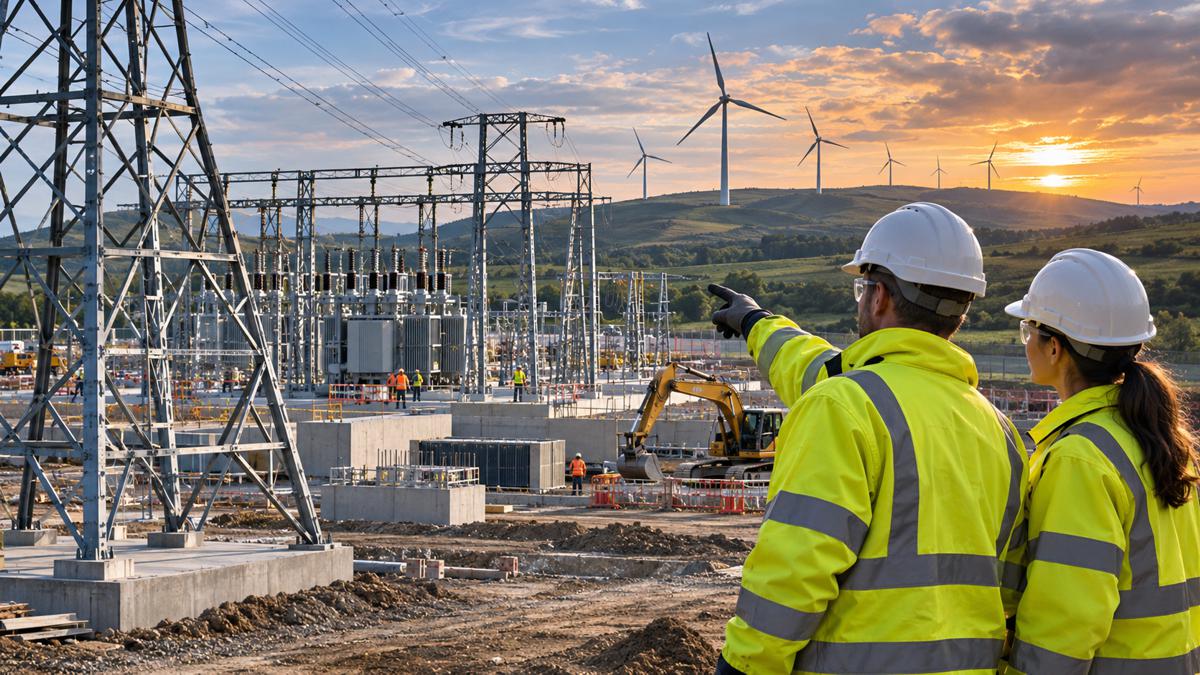
Renewable energy, battery storage, grid flexibility and aviation infrastructure also feature in the programme, adding to the range of assets being considered for private participation.
Government and Industry Participation
The forum is expected to attract more than 500 attendees, including approximately 150 government delegates and over 70 speakers, according to the organisers.
Alongside public authorities, the speaker programme includes Moustafa Fahour OAM, Chief Executive Officer and Managing Director of Arada Capital; Andrew Thomas, Strategic Advisor PPP at WSP Middle East; and representatives from financial institutions, infrastructure developers and specialist advisory firms.
The event will also feature the PPP MENA Recognition Awards, covering sectors including transport, social infrastructure, utilities, aviation and water infrastructure.
For governments preparing new investment programmes, the challenge is to develop projects that can progress from initial feasibility studies through competitive procurement and financial close, before entering construction and long-term operation. Each stage depends on the quality of the work undertaken before a contract reaches the market, from establishing realistic payment arrangements to defining responsibilities that contractors, operators and financiers can price with confidence.
Key Industry Questions
- When and where is the PPP MENA Forum 2026? The sixth edition takes place on 10–11 November 2026 at Palazzo Versace Dubai in the United Arab Emirates.
- What is the purpose of a public-private partnership in infrastructure? A PPP allows a public authority to contract with private organisations to deliver and potentially finance, operate or maintain infrastructure and public services under an agreed allocation of responsibilities and risks.
- Which infrastructure sectors are covered by the forum? The agenda includes transport, rail, water, energy, healthcare, education, housing, aviation and digital infrastructure.
- What makes an infrastructure PPP bankable? A bankable project requires credible revenue or payment arrangements, appropriate risk allocation, enforceable contracts and sufficient financial resilience to meet lender and investor requirements.
- Can PPPs be used for projects without tolls or direct user charges? Yes. Availability-based models can provide payments linked to infrastructure performance and service delivery rather than direct user revenue.
- Why are cross-border rail PPPs complicated? Projects crossing national boundaries must address differences in regulation, technical standards, procurement rules, operating responsibilities and commercial arrangements.
- What legislation governs federal PPPs in the UAE? Federal Law No. 12 of 2023 regulates PPP arrangements involving federal government entities. Individual emirates may also operate under their own applicable frameworks.
- How can contractors participate in PPP projects? Contractors may join developer-led consortia, undertake design and construction packages, provide specialist engineering services or participate in long-term maintenance arrangements, depending on the project structure.
Strategic Takeaways
- Project preparation determines financing prospects. Technical feasibility alone is insufficient without credible payment arrangements and a commercially workable procurement structure.
- Risk allocation influences competition. Poorly defined or unmanageable contractual risks can limit bidding interest and increase financing costs.
- Social infrastructure requires appropriate revenue models. Healthcare, education and public facilities often depend on government-backed payments rather than direct user charges.
- Cross-border infrastructure adds institutional complexity. Regional rail projects require coordination of regulatory, operational and financial arrangements across jurisdictions.
- Long-term performance affects project economics. Lifecycle maintenance, operational data and contractual monitoring remain important throughout infrastructure concessions.