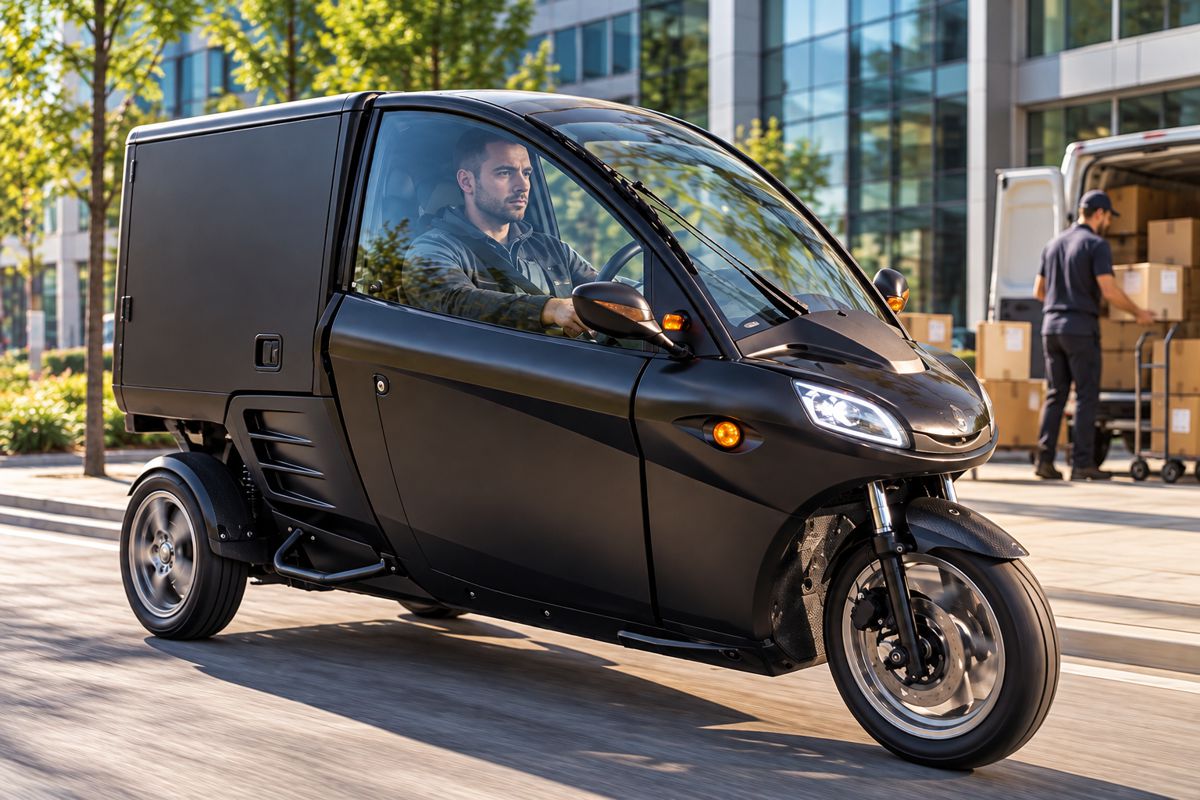
Delivery Robot powered by AI Foundation Model released by Vayu Robotics
Consumers rely on e-commerce platforms to deliver groceries, electronics, apparel and more everyday. And while the number of deliveries is skyrocketing — by 2027, 23% of American retail purchases are expected to take place online — cost per delivery remains stubbornly high.
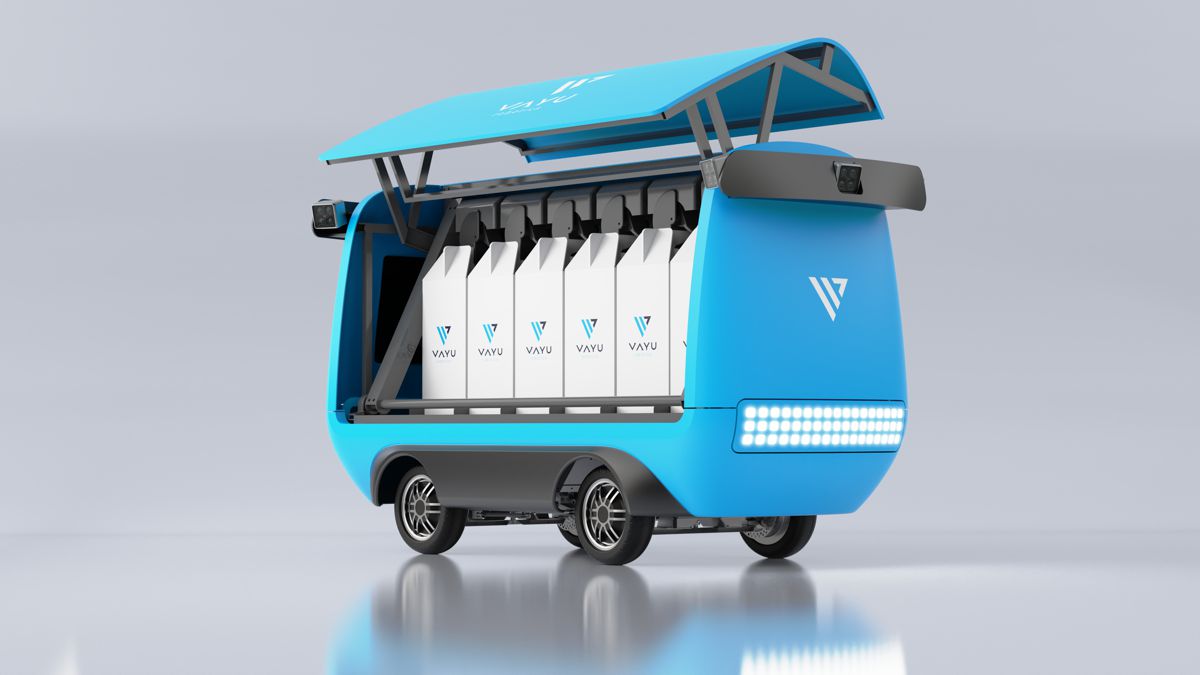
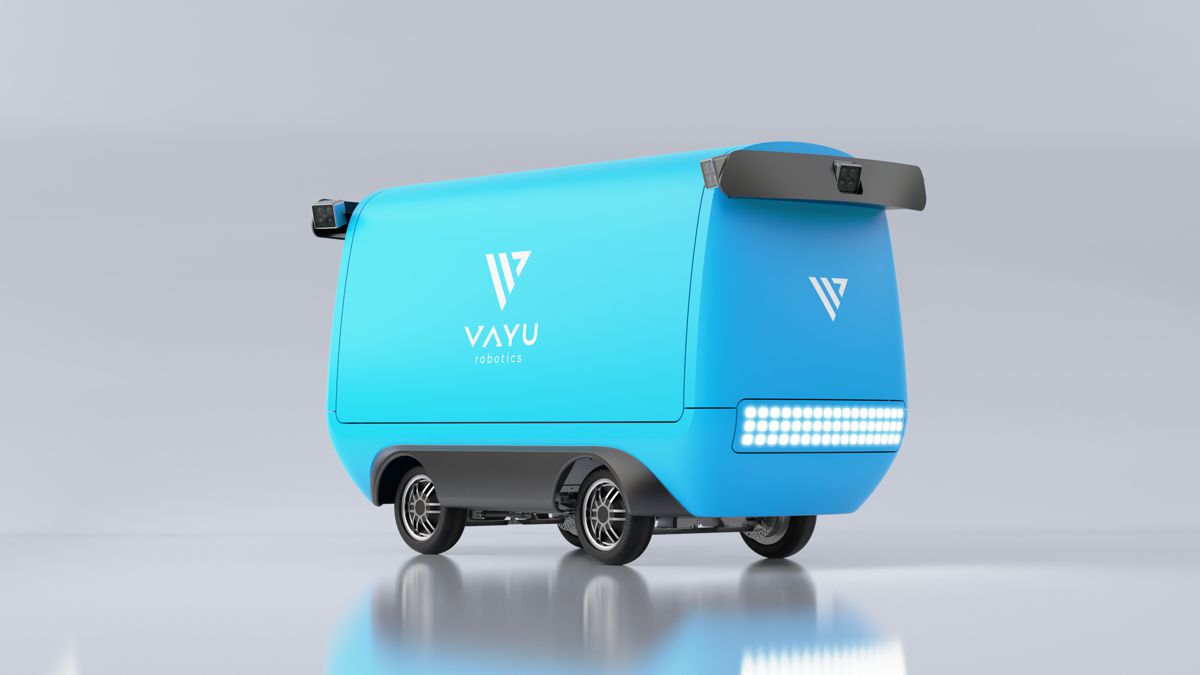
In a move to slash the cost of e-commerce deliveries, Vayu Robotics has announced the release of the world’s first on-road Delivery Robot that combines the power of modern AI foundation models with lidar-less, low-cost passive sensors.
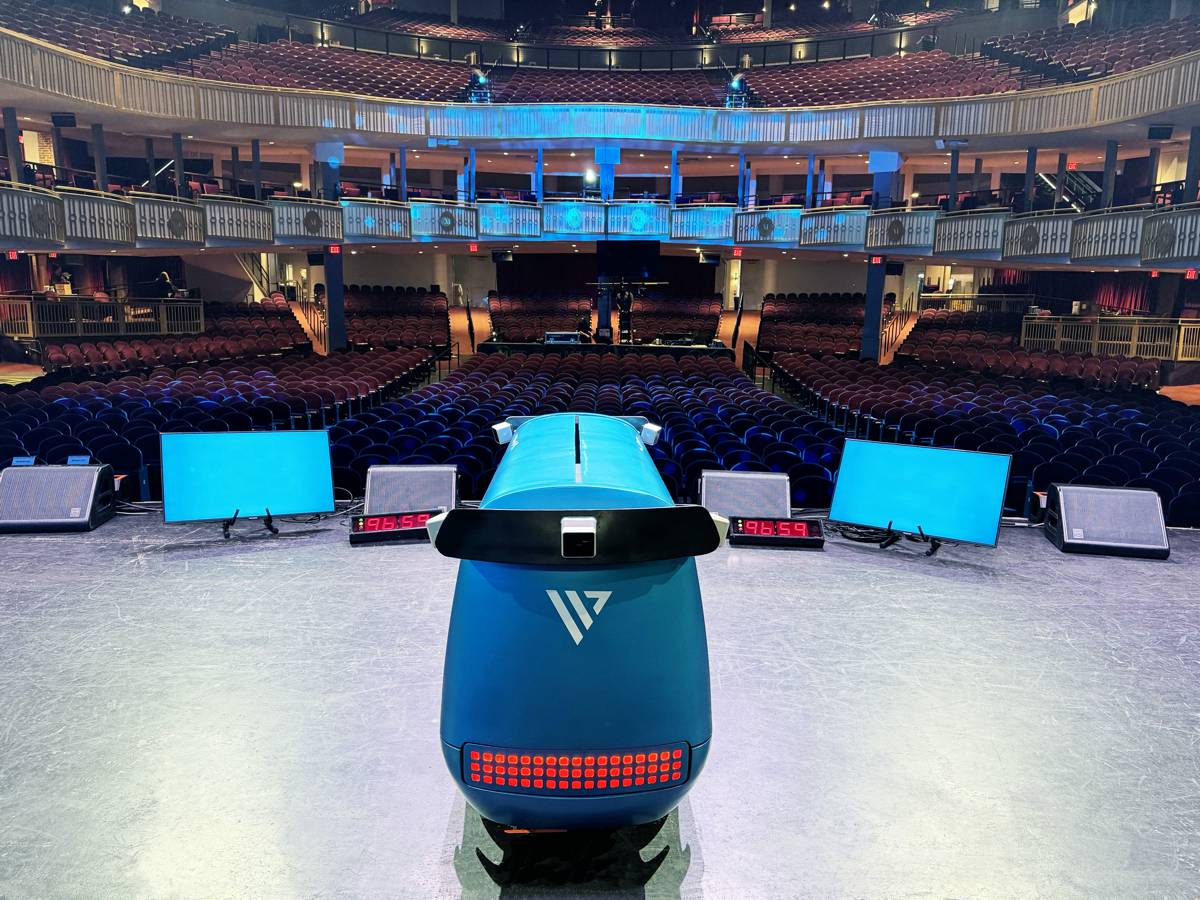
Traditional mobile robotics rely on costly lidar sensors and software modules built to do one task at a time, leading to expensive hardware and fragile software unable to handle new scenarios. Vayu’s robot does the opposite. The company has combined a transformer-based mobility foundation model with a powerful passive sensor that, together, eliminate the need for lidar. As a result, Vayu’s Delivery Robot operates autonomously without pre-mapping the roads it intends to drive on and is capable of navigating inside stores, on city streets, and unloading packages on driveways or porches, carrying up to 100 lbs at under 20mph. This model is the first-of-its-kind, offering the most cost-effective, safe, reliable delivery system on the market.
Vayu was co-founded by three highly-seasoned veterans from the robotics and mobility industry, Anand Gopalan, former CEO who took the world’s leading lidar supplier Velodyne public in 2020, Mahesh Krishnamurthi, formerly Apple SPG and Lyft, and Nitish Srivastava, also from Apple SPG and Geoffrey Hinton’s renowned AI lab in the University of Toronto. Geoffrey Hinton is also an advisor to the company. After working in major robotics and autonomy software for two decades, the trio realized large volume robotics applications, like robotics delivery, could only be unlocked by inventing a new technology stack that involved lower cost hardware and more robust software.
“The unique set of technologies we have developed at Vayu have allowed us to solve problems that have plagued delivery robots over the past decade, and finally create a solution that can actually be deployed at scale and enable the cheap transport of goods everywhere” says Vayu Robotics CEO, Anand Gopalan.
Vayu’s Delivery Robots are already being debuted in real-world applications. The company recently signed a substantial commercial agreement with a large e-commerce player to deploy 2500 robots to enable ultra-fast goods delivery, with similar commercial customers in the pipeline. The team is also working with a leading global robotics manufacturer to replace lidar sensors with Vayu’s sensing technology for other robotic applications.
“At Khosla Ventures, we believe in backing businesses where critical and differentiated technologies can unlock a large market. Vayu is a great example of this where they have deployed novel sensing and their AI foundation models to a robotic challenge that can have immense economic and societal impact” said Kanu Gulati, Partner at Khosla Ventures.
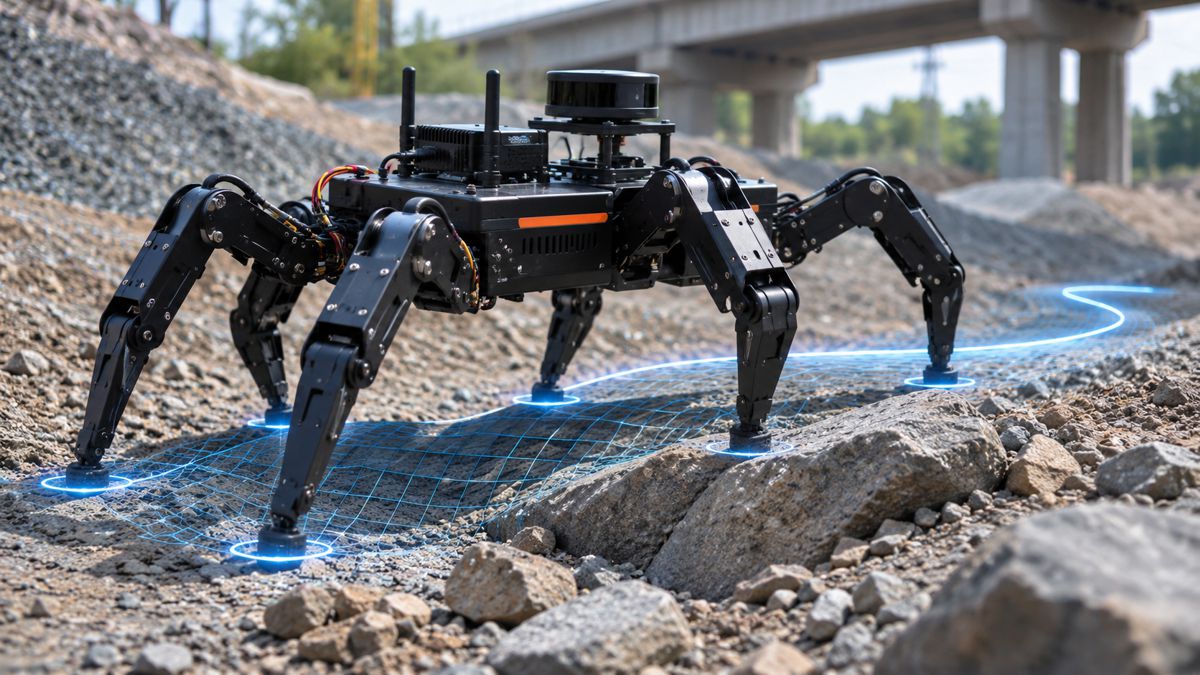
Anand Gopalan, added: “Our software is robot form factor agnostic and we have already deployed it across several wheeled form factors. In the near future, Vayu’s software technology will enable the movement of quadrupedal and bipedal robots, allowing us to expand into those markets as well.”
Vayu has previously raised $12.7 million to fuel its mission to remove the hardware and software bottlenecks that have stunted the growth of e-commerce. Looking ahead, Vayu’s founders believe their revolutionary low-cost robotics nervous system can power a new wave of mobile robots in other use cases, too.
“Autonomous delivery robots are only the tip of the iceberg,” said Anand Gopalan. With its cutting-edge innovation and deployment, Vayu is poised to lead the adoption of real-world robotics across industries. For now, Vayu’s scalable robotics architecture is set to empower small businesses to deliver products to their customers’ doorstep seamlessly.