After a Dallas Car Crash, What Do You Do When the Other Driver’s Story, Insurance, or Information Does Not Add Up?
After a car accident, it might seem straightforward. However, the next few days can get complicated. The other driver may change their story, the insurance card they gave you may have expired, the police may not have filed a report, your pain may worsen after you return home, or the insurer ran you through loops to avoid paying.
Read on below to learn how to deal with these headaches. If you or a loved one was involved in an accident and you’d rather focus on recovering, contact a car accident lawyer in your area as soon as possible.
Start with safety and medical care
If anyone is hurt, call 911 and get medical attention. Do not stay in traffic to take photos, argue about fault, or negotiate a cash payment. If the vehicles can be moved safely, follow instructions from law enforcement or emergency responders and get out of danger.
Texas law requires drivers involved in a collision with injury or death to remain at the scene, provide insurance information and identification, and give reasonable help to someone who needs medical care. Drivers involved in a collision must also provide their name, address, registration information, and liability insurance information.
Even if you feel fine at first, pay attention to your symptoms over the next several days. Adrenaline can mask pain immediately after a collision. Neck stiffness, back pain, headaches, wrist pain, numbness, dizziness, bruising, and limited movement may become more noticeable later. If symptoms develop, seek appropriate medical care and accurately explain when the crash happened, when symptoms began, and how they affect you.
Medical records show when you first sought care, what symptoms you reported, and how the injury affected you. If you wait a long time to get treatment, the insurance company may argue that something other than the crash caused the injury.
When to call police and what a report can do
Call 911 when someone is injured, a driver leaves the scene, you suspect impairment, traffic is blocked, a vehicle cannot be driven safely, there is road rage or a threat of violence, or the drivers strongly disagree about what happened.
If an officer investigates, the crash report they file identifies the people and vehicles involved. It also identifies the location, witnesses, roadway conditions, and any visible damage. It can be an important starting point for an insurance claim.
Think of the Texas Department of Transportation as the custodian of crash reports prepared by law enforcement agencies for any collision. If a report was made, it may be available through the state’s crash records process.
Get the other driver’s information but do not rely on it alone
Get the other driver’s name, phone number, address, license plate number, vehicle make and model, insurance company name, and policy information. If it is safe to do so, photograph their insurance card, driver’s license, license plate, and the vehicle itself.
A handwritten policy number or a photo of an insurance card is an excellent lead. There is no guarantee of coverage. The policy may have expired, the driver may not be covered, the vehicle may belong to someone else, or the policy limits may not be enough to cover the losses.
If the other driver leaves, do not chase them. Call 911. Give the dispatcher the license plate, vehicle description, direction of travel, and any identifying details you have. Save your dashcam footage, phone photos, witness names, and any video that shows the vehicle leaving. Dallas Police advise calling 911 after a hit and run.
Focusing on the facts of the driver’s information and documenting what they show you goes a long way.
Save the evidence that may disappear first
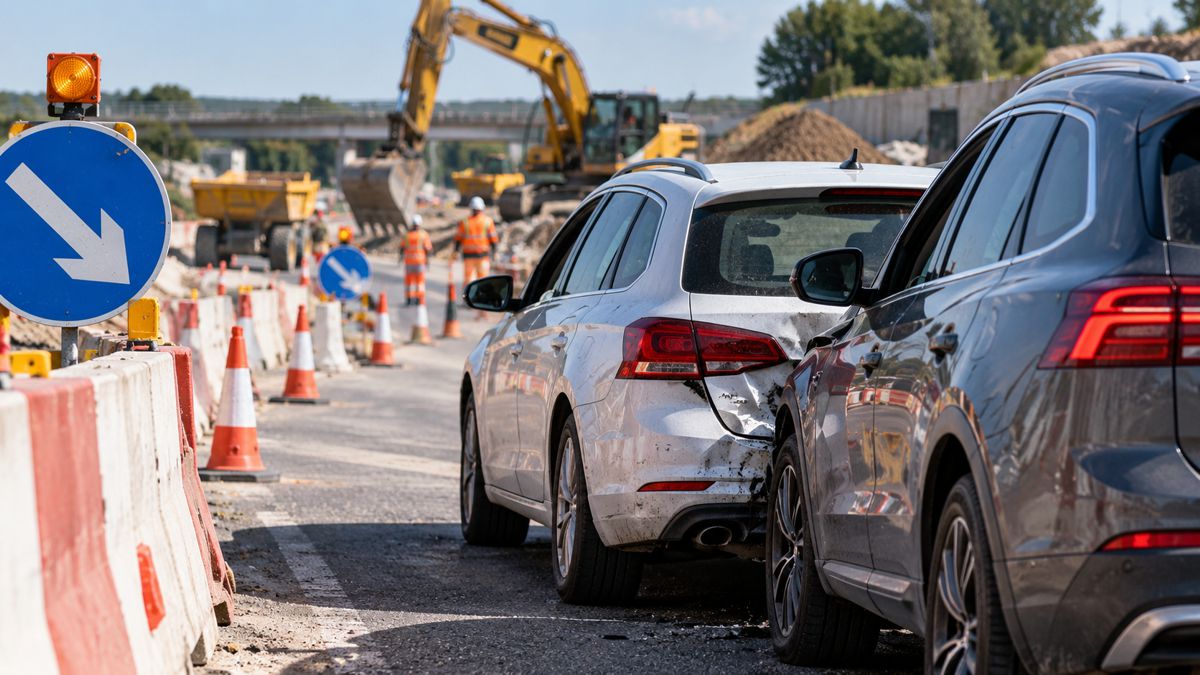
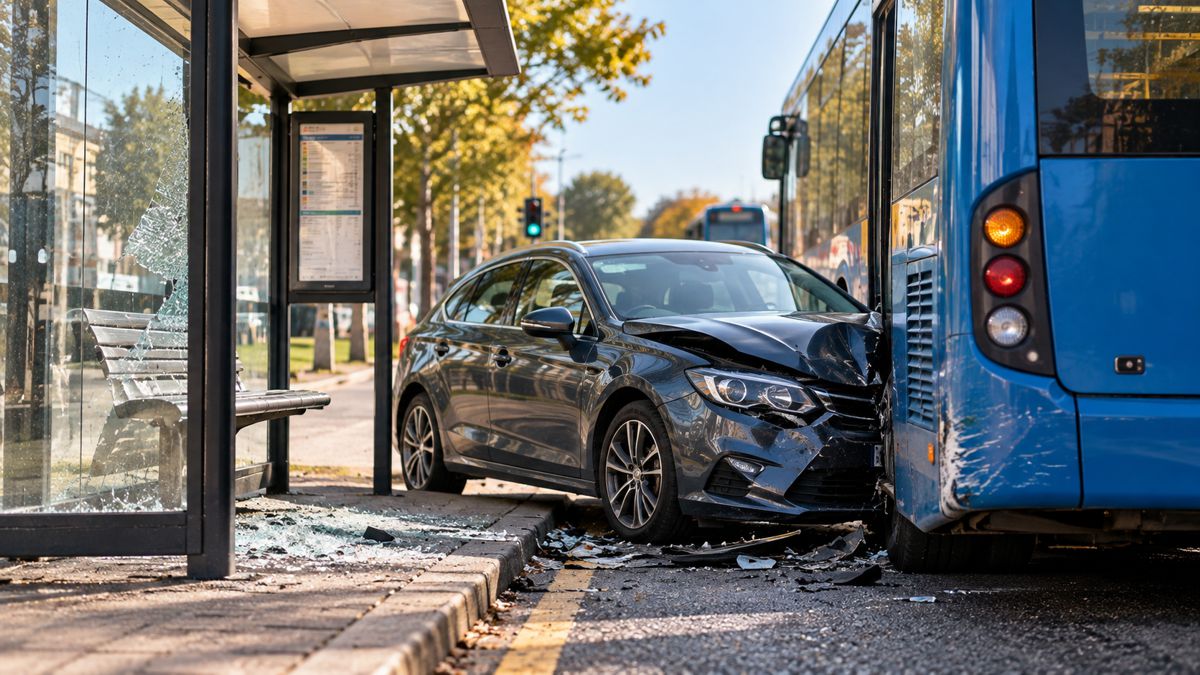
Once you have exchanged information, the next question is whether or not you can prove what happened if the other driver changes their story. A police report and insurance card help, but they may not show the full picture. If it is safe, take photos and video before the vehicles are moved. Start with wide shots showing where the vehicles are, the lanes, the intersection, traffic lights or signs, the road surface, weather, lighting, skid marks, debris, and anything that could have obstructed each driver’s view. Then take close photos of the damage to each vehicle. Texas Department of Insurance recommends taking photos of the vehicles, damage, street signs, and road angles, along with notes about the location, time, weather, and what happened.
Before you leave, ask anyone who saw the crash for their name and phone number. A witness who is not connected to either driver can be especially helpful when the drivers disagree. Save your dashcam footage right away, and note any nearby homes, businesses, apartments, garages, or intersections that may have cameras. Keep the original photo and video files unchanged, use copies if you need to share them, and write down when and where they were taken. The point is to keep facts available.
Report the crash and keep a written insurance record
Once you have saved the information from the scene, report the crash to your own insurance company. Keep the claim number, the adjuster’s name and contact information, and copies of every letter, email, text, or document you receive. Your policy may require prompt notice, and your own coverage may matter even when another driver caused the crash. Be accurate about what happened and share the records you have. However, do not guess about who’s at fault or what kind of injuries you’ve sustained.
Keep one simple file for the claim. Save photos, video, the police report, repair estimates, rental car records, medical bills, receipts, missed work records, and notes from every insurance call. Your car may be repaired or declared a total loss before you know how serious your injuries are or how long recovery will take.
If the other driver has no insurance, check your own policy
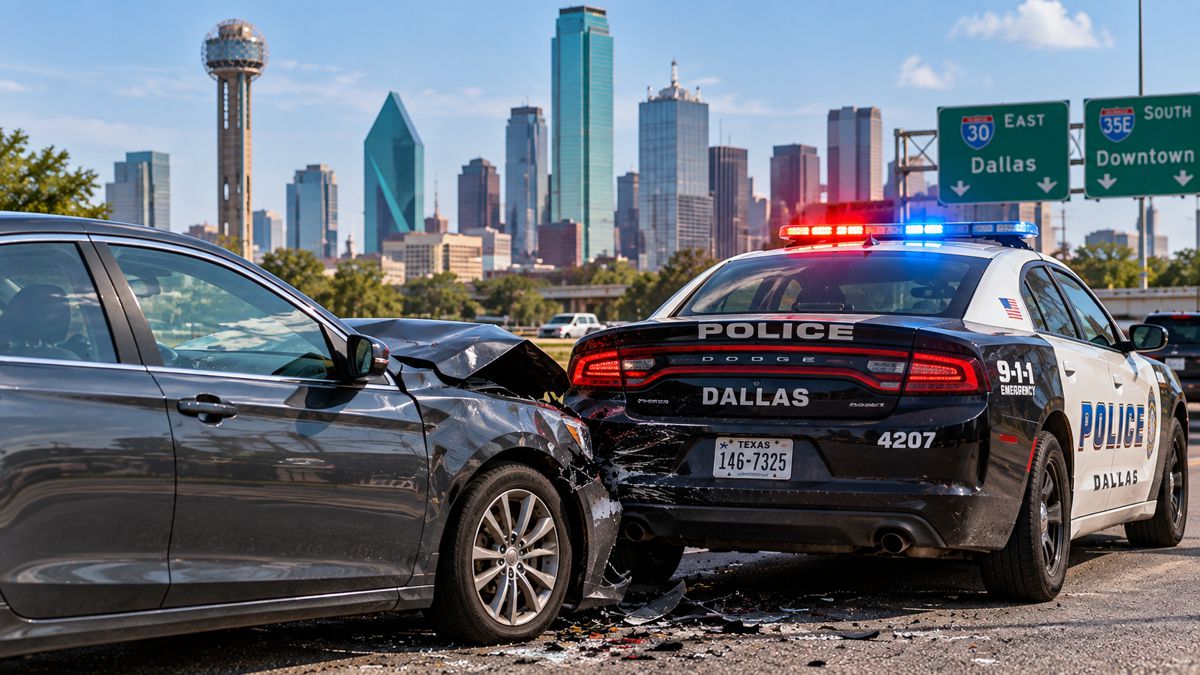
A denied claim or an invalid insurance card does not always mean there is no coverage. Look at your own auto policy, especially the declarations page, for uninsured/underinsured motorist coverage, often called UM/UIM. This coverage may apply if the other driver has no insurance, does not have enough insurance, or leaves the scene and cannot be identified. Texas insurers generally must offer UM/UIM coverage unless the policyholder rejects it in writing.
The other driver’s policy is usually the first place to look, but it may not be the only one. Depending on the vehicles involved and the coverage you bought, your policy may also include coverage for your injuries, medical bills, or vehicle damage. The details depend on the policy and the facts of the crash, so do not assume a missing or expired insurance card means there are no options.
A denial or delay is a reason to get answers
The denial of a claim by an insurance company does not always end the claim. Insurance companies may dispute who caused the crash, say the driver was not covered, claim the policy was no longer in effect, question whether your injuries were related to the collision, or disagree about the amount of damages. Be sure to read any denial letter carefully, save it with your claim records, and write down the specific reasons why the insurer denied the claim. Do not ignore any deadlines in the letter or throw away documents simply because an adjuster said the claim was denied.
If the insurer stops responding or keeps asking for the same information, follow up in writing and keep a copy. A short email confirming what was discussed, what documents you sent, and what response you are waiting for can be more useful than trying to remember phone calls later. It is the Texas Department of Insurance’s responsibility to answer questions and accept complaints about insurers, agents, and adjusters it regulates, but it is not responsible for proving fault or recovering compensation.
When a Dallas car accident lawyer can help
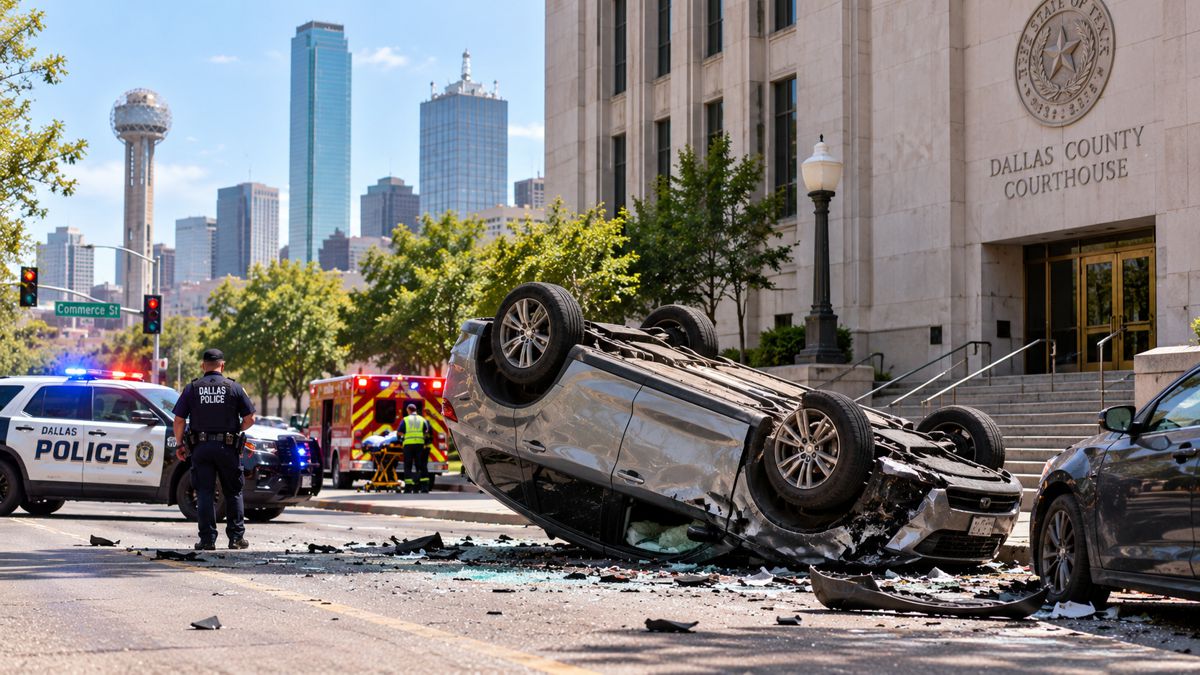
By this point, you may have a claim number, photos, medical records, and a denial letter, or you may still be missing some of those things. If you are searching for the best car accident lawyer in Dallas, focus less on slogans and more on whether the lawyer can explain the evidence, insurance coverage, and next steps in your specific situation. A legal review can be helpful if you were injured, fault is disputed, the driver left the scene, insurance information seems invalid, a commercial vehicle was involved, the insurer denied the claim, or key evidence may be lost
The right Dallas car accident lawyer should be able to review the crash report, available video, witness information, insurance policies, medical records, and the reason an insurer gave for denying or delaying the claim. The goal is to understand what evidence is still available, what coverage may apply, and what options you have before you agree to a settlement or give up on the claim.
Evidence can disappear before the legal deadline
Texas generally gives you two years to file a lawsuit for injuries or property damage from a car crash. That deadline is imperative, but it does not mean you have two years to find the evidence. Video may be deleted, vehicles may be repaired or sold, witnesses may become hard to reach, and the road conditions may change.
You do not need to investigate the case alone from the roadside. Take care of your health, save the information you have, report the crash, and get help early if the facts, injuries, or insurance situation do not make sense.
You don’t have to handle this alone. Ask questions before signing a release or accepting an offer you do not fully understand, and save all photos, video, contact information, and paperwork you have.
If you were hurt in a Dallas crash and are looking for a car accident lawyer to review the facts, insurance coverage, and next steps, J. Alexander Law Firm offers a free case evaluation. We can discuss what information you have, what evidence may still be available, and whether legal help makes sense for your situation.
Article by Josh Alexander, founder and managing attorney, J. Alexander Law Firm
Resources
- Texas Transportation Code, Chapter 550: Collisions and collision reports
- Dallas Police Department: Traffic Division FAQs
- Texas Department of Transportation: Crash reports and records
- Texas Department of Insurance: Were you in a wreck?
- Texas Department of Insurance: Uninsured motorist coverage
- Texas Department of Insurance: Get help with an auto insurance complaint
- Texas Civil Practice and Remedies Code § 16.003: Two-year limitations period