Faraday Future Advances Construction Robotics With Certified Aegis Platform
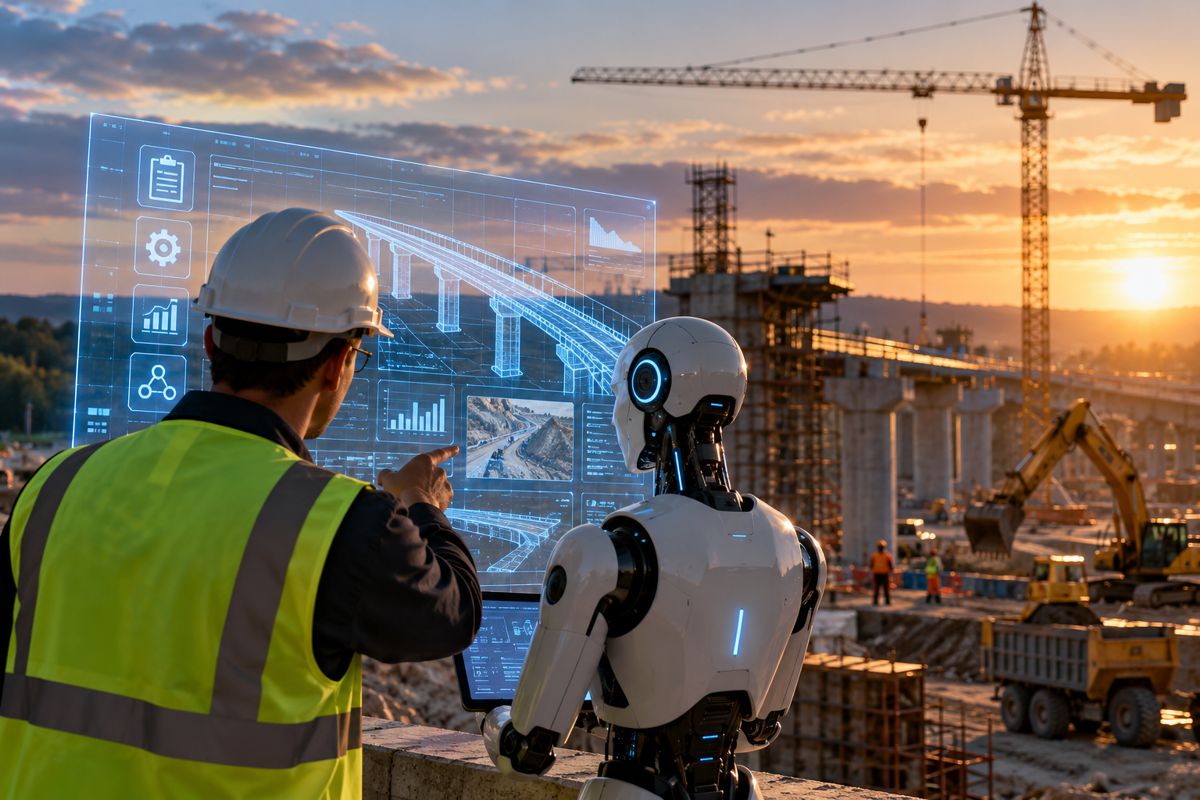
The steady convergence of robotics, artificial intelligence and infrastructure operations has moved beyond experimentation and into deployment. With labour shortages tightening across construction and industrial sectors, and safety expectations rising in parallel, the need for autonomous, adaptable machines is no longer theoretical. It is operational. A
And now Faraday Future Intelligent Electric Inc. has secured a regulatory milestone that signals a broader shift in how robotics may be integrated into real-world environments.
The company has confirmed that its quadruped robot platform, FX Aegis, has successfully passed compliance certification in the United States following testing by the Federal Communications Commission. That certification clears a critical hurdle for commercial deployment, particularly in sectors where connectivity, safety standards and electromagnetic compatibility are tightly regulated. It also positions Aegis as one of a growing class of field-ready robotic systems capable of operating in complex, infrastructure-heavy environments.
Certification alone does not transform an industry, but it does remove a key barrier. In construction, transport and industrial operations, where regulatory friction can delay adoption for years, the ability to deploy a compliant, connected robotic platform offers a tangible pathway from pilot projects to scaled implementation.
Briefing
- FX Aegis has achieved full U.S. compliance certification, enabling commercial deployment in regulated environments
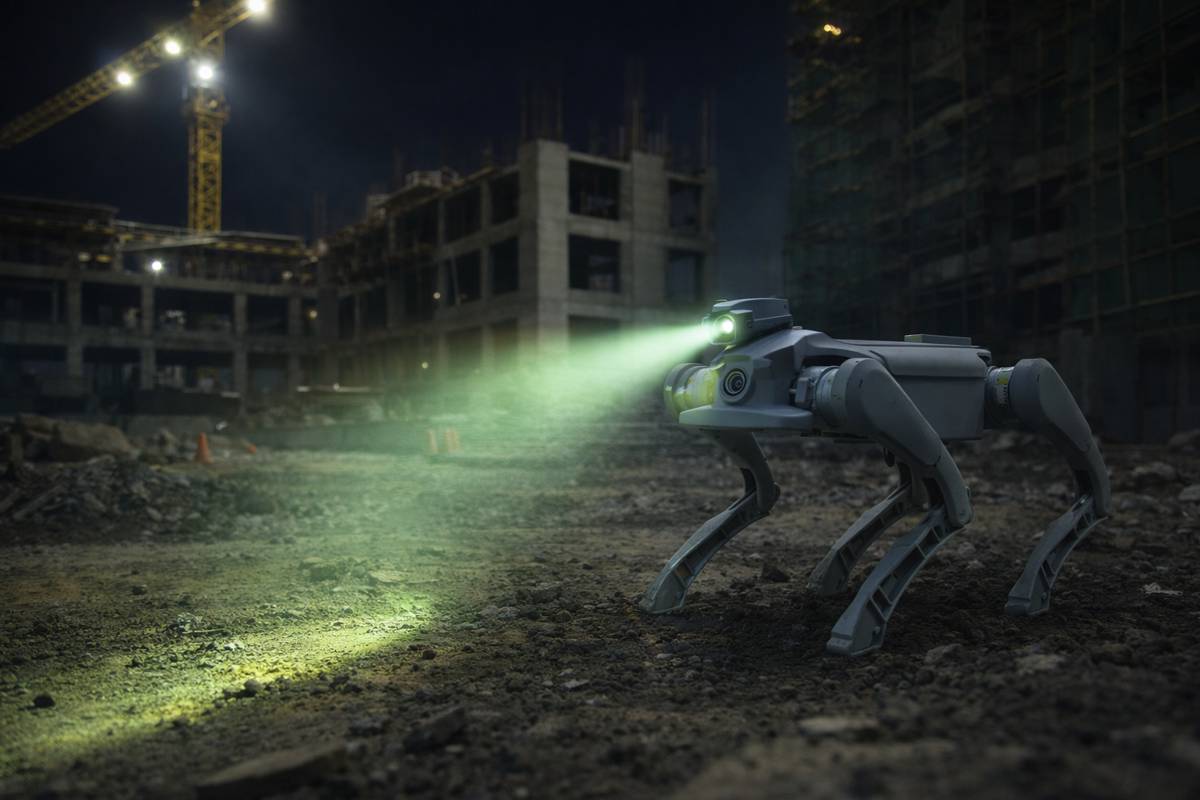
- Quadruped design allows operation across uneven terrain, slopes and construction zones
- Modular hardware supports LiDAR, robotic arms, sensors and emergency response tools
- Integration with security and infrastructure systems enables autonomous patrol and monitoring
- Initial deployments target hospitality and commercial sectors, with broader industrial applications emerging
Certification Opens the Door to Infrastructure Deployment
Regulatory approval for connected robotic systems is often overlooked outside specialist circles, yet it is fundamental to widespread adoption. Certification by the FCC ensures that Aegis meets strict standards for wireless communication, electromagnetic interference and operational safety. In practical terms, it allows the robot to operate reliably within environments saturated with communications infrastructure, from construction sites to transport corridors.
For infrastructure operators, this matters. Modern projects rely heavily on connected systems, whether through 5G-enabled equipment, IoT sensors or remote monitoring platforms. Any new device entering that ecosystem must coexist without disrupting existing operations. A certified platform reduces risk for contractors and asset owners, particularly when deploying robotics in safety-critical scenarios such as inspections or emergency response.
There is also a commercial dimension. Procurement frameworks in public infrastructure projects increasingly require compliance verification before technologies can be approved. Certification therefore accelerates the transition from innovation to contract-ready solution, something many robotics developers struggle to achieve.
Quadruped Mobility Suited to Real-World Conditions
Unlike wheeled or tracked systems that require relatively stable surfaces, quadruped robots are designed to navigate irregular terrain. This distinction is particularly relevant in construction and infrastructure environments, where surfaces are rarely uniform and conditions change daily.
FX Aegis is engineered with joint torque capabilities reaching 48 Newton-metres, allowing it to traverse obstacles of approximately 13 inches and maintain stability on slopes of up to 40 degrees. These specifications place it firmly within the category of robots capable of operating in unfinished construction zones, embankments and rugged industrial landscapes.
The practical implications are significant. Tasks that currently require human inspectors to access hazardous or unstable areas could increasingly be handled by autonomous systems. This includes bridge inspections, tunnel monitoring, earthworks assessment and post-disaster site evaluation. By reducing exposure to risk, robotics can reshape how safety protocols are implemented across infrastructure projects.
Modular Design Expands Use Cases Across Sectors
A defining feature of the Aegis platform is its modular architecture. Rather than being locked into a single function, the robot can be configured with a range of sensors and tools depending on operational requirements. These include LiDAR systems, depth cameras, communication modules and robotic arms, as well as specialised attachments such as fire extinguishers and security equipment.
This flexibility aligns with broader trends in construction technology, where multi-purpose platforms are replacing single-function tools. Contractors and asset owners are increasingly looking for systems that can adapt to different phases of a project, from initial surveying through to maintenance and asset management.
In infrastructure terms, this opens the door to a wide range of applications:
- Autonomous site inspection and progress monitoring
- Perimeter security and surveillance
- Asset inventory and logistics support
- Emergency response in hazardous environments
- Remote operations in areas with limited connectivity
Such versatility reduces the need for multiple specialised systems, potentially lowering overall costs while increasing operational efficiency.
Software Integration and Autonomous Operation
Hardware capabilities alone are not enough to deliver value in infrastructure environments. Integration with existing systems is essential. FX Aegis is designed to connect with home, campus and industrial security platforms, enabling continuous patrol, real-time status reporting and automated responses to detected events.
Autonomous patrol functionality allows the robot to operate without constant human intervention, following predefined routes and responding to environmental inputs. The inclusion of follow-me capabilities further extends its utility, enabling it to accompany personnel on site, providing support or monitoring functions.
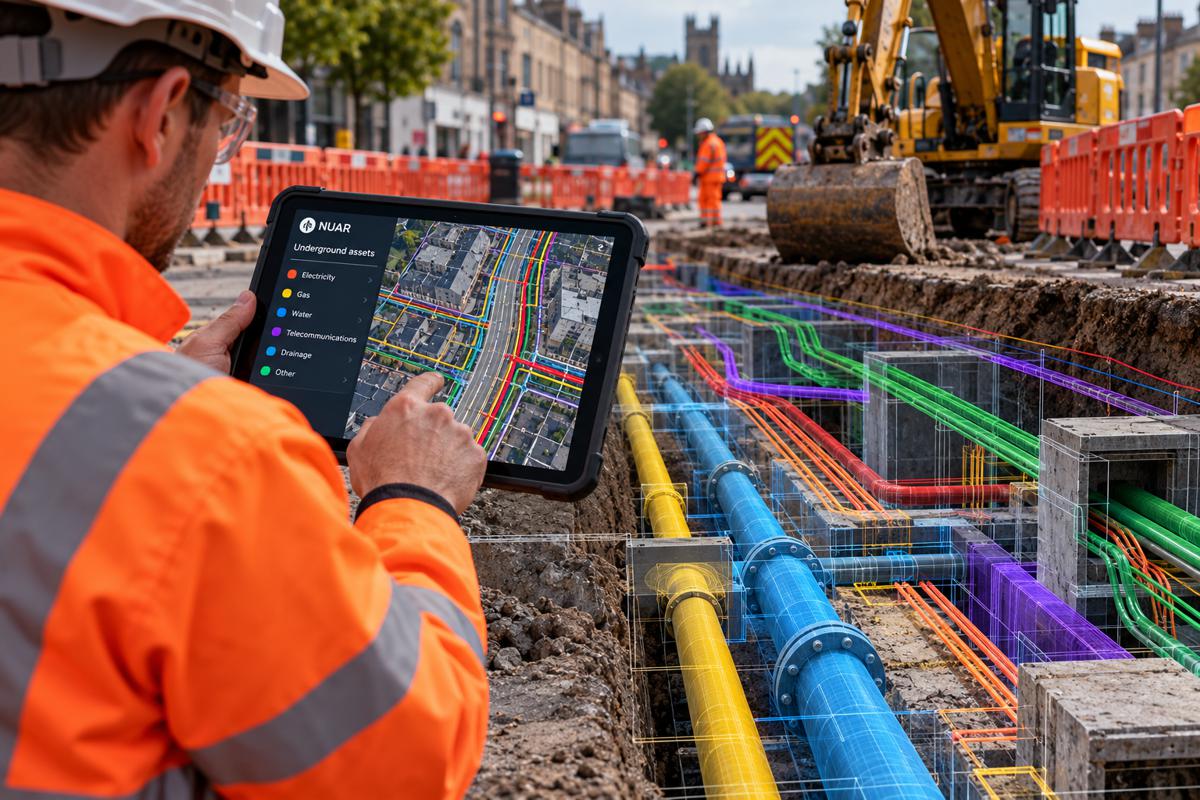
From an infrastructure management perspective, this aligns with the growing adoption of digital twins and real-time monitoring systems. Robots like Aegis can act as mobile data collection platforms, feeding information into centralised systems that support predictive maintenance and operational optimisation.
The ability to operate in areas with limited network coverage, supported by remote operation capabilities, also addresses a common challenge in infrastructure projects located in remote or underdeveloped regions.
Robotics in Construction and Infrastructure Context
The emergence of quadruped robots in industrial settings is part of a broader trend towards automation in construction and infrastructure. Labour shortages, particularly in developed markets, are driving investment in technologies that can augment or replace manual tasks. At the same time, safety regulations are becoming more stringent, increasing the cost and complexity of compliance.
Robotics offers a potential solution to both challenges. By automating repetitive or hazardous tasks, robots can improve productivity while reducing risk. However, adoption has historically been slow, hindered by high costs, limited capabilities and regulatory uncertainty.
The certification and commercial rollout of platforms like Aegis suggest that these barriers are beginning to erode. As hardware becomes more capable and software more sophisticated, the economic case for robotics in infrastructure becomes increasingly compelling.
Industry analysts have noted that the global construction robotics market is expected to grow significantly over the coming decade, driven by advances in AI, sensor technology and connectivity. While precise forecasts vary, the direction of travel is clear: automation is set to play an increasingly central role in how infrastructure is built and maintained.
Early Deployment Strategy and Market Positioning
Faraday Future has already initiated its first delivery phase for its embodied AI robotics portfolio, which includes the Aegis quadruped alongside humanoid platforms. Initial deployments have focused on sectors such as hospitality, including hotels and restaurants, as well as automotive dealerships.
At first glance, this may appear distant from construction and infrastructure. However, early deployment in controlled environments allows companies to refine hardware and software before scaling into more demanding applications. Lessons learned in these initial scenarios can inform future deployments in industrial settings.
The company reported shipping over 20 robots in its first delivery month, exceeding its initial target, with plans to scale up to 200 units in the first delivery season. While these numbers remain modest compared to traditional construction equipment markets, they represent a starting point for broader adoption.
Scaling will depend on demonstrating clear value in real-world applications. For infrastructure operators, that value will be measured in terms of cost savings, safety improvements and operational efficiency.
A Platform Approach to Embodied AI
Faraday Future describes its robotics offering as part of a wider embodied AI ecosystem. In practical terms, this reflects a platform-based approach where hardware, software and connectivity are integrated into a unified system.
For infrastructure stakeholders, this approach has implications beyond individual devices. It suggests the potential for coordinated fleets of robots operating across sites, sharing data and collaborating with other systems. This could include integration with autonomous vehicles, smart infrastructure and centralised control platforms.
Such an ecosystem could support a range of use cases, from large-scale construction projects to ongoing asset management. It also aligns with the broader shift towards digitisation in infrastructure, where data-driven decision-making is becoming the norm.
A Step Towards Autonomous Infrastructure Operations
The certification and commercialisation of FX Aegis represent more than a product milestone. They signal a gradual but meaningful shift towards the integration of autonomous systems into infrastructure operations.
For construction professionals, the immediate impact may be incremental. Robots will not replace human workers overnight, nor will they transform project delivery in a single step. However, as capabilities improve and costs decrease, their role is likely to expand.
Investors and policymakers will be watching closely. The successful deployment of robotics in infrastructure could influence everything from workforce planning to regulatory frameworks. It may also open new opportunities for innovation in areas such as smart cities and resilient infrastructure systems.
In the end, the significance of Aegis lies not just in what it can do today, but in what it represents for the future of infrastructure. A certified, adaptable, and increasingly autonomous platform marks a step forward in the long transition towards a more automated, data-driven built environment.