Commercial UAV Expo Expands Global Influence as Industry Momentum Builds
The commercial drone sector has been edging steadily from niche applications into core infrastructure workflows, and events that bring together its fragmented ecosystem are becoming increasingly important. The announcement that Commercial UAV Expo 2026 has secured more than 280 global supporting partners is less about scale for its own sake and more about consolidation of an industry that’s maturing fast.
Set to take place at Caesars Forum in Las Vegas from 1 to 3 September 2026, the event arrives at a time when unmanned aerial systems are no longer experimental tools. They are embedded across construction, mining, utilities, logistics and emergency response. The scale of partner engagement signals that the commercial UAV sector is aligning around shared standards, use cases and regulatory pathways, something that has historically been a sticking point for widespread adoption.
The organisers at Diversified are effectively positioning the event as a focal point for that alignment. As Group Event Director Lee Corkhill put it, “Year after year, the Commercial UAV Expo community continues to grow stronger… Together, we’re building something that extends well beyond the show floor.” That sentiment reflects a broader shift, where industry gatherings are evolving into year-round ecosystems rather than one-off exhibitions.
Briefing
- More than 280 global organisations are backing Commercial UAV Expo 2026
- Event to be held in Las Vegas from 1 to 3 September 2026
- Public safety and pilot training take centre stage through key partners
- Commercial drones increasingly embedded in construction, infrastructure and emergency response
- Industry consolidation and standardisation driving stronger collaboration
A Sector Moving From Innovation to Integration
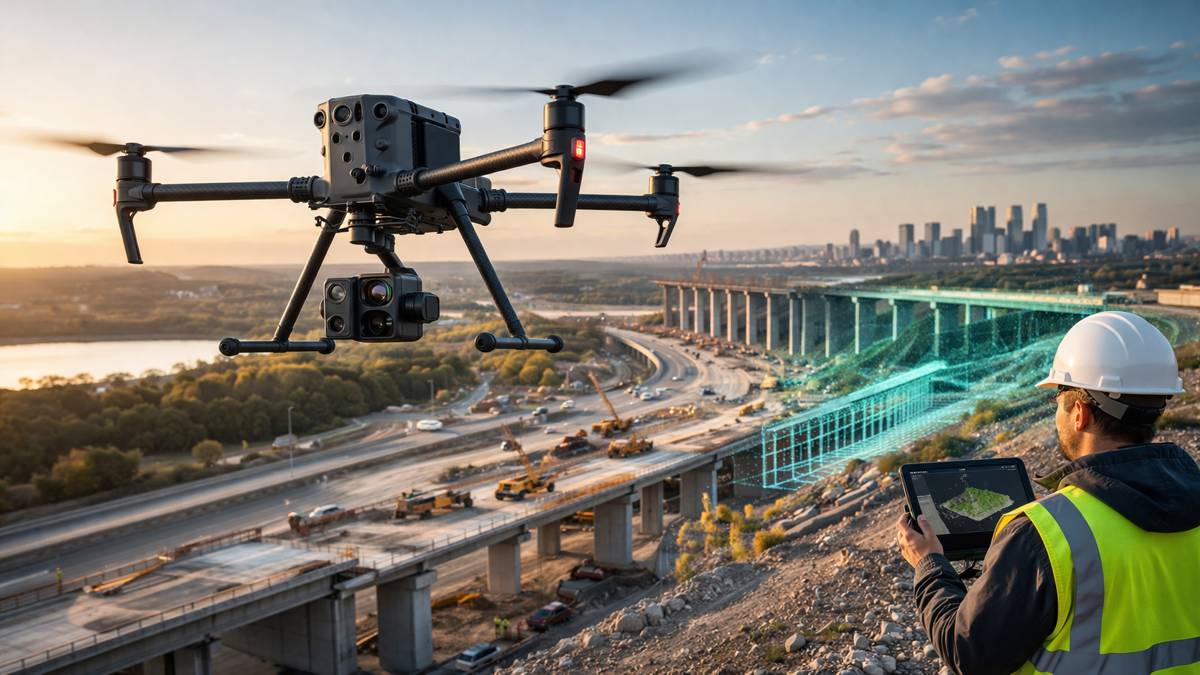
Commercial drones have quietly become indispensable across infrastructure delivery. In construction alone, UAVs are now routinely used for topographic surveys, volumetric analysis, progress tracking and site inspections. Compared with traditional surveying methods, drones can reduce data collection times dramatically while improving accuracy, particularly when combined with LiDAR and photogrammetry tools.
This shift is being mirrored across adjacent sectors. Utilities are deploying drones for powerline and pipeline inspections, reducing the need for manual access in hazardous environments. In transport infrastructure, UAVs are being used to monitor road conditions, inspect bridges and assess structural integrity after extreme weather events. These are no longer pilot projects. They are operational systems embedded into asset management workflows.
Industry forecasts reinforce this trajectory. Market analysts have consistently projected strong growth in the commercial drone sector, driven by demand for data-driven decision-making and automation. The convergence of UAV platforms with AI analytics, cloud computing and digital twin technologies is accelerating their value proposition, particularly for large-scale infrastructure programmes where real-time insights can translate into measurable cost savings.
The Role of Global Partnerships in Scaling Adoption
The presence of more than 280 supporting organisations is not simply a headline figure. It reflects a cross-section of stakeholders required to make UAV deployment viable at scale. Trade media, regulatory bodies, user groups, analysts and government entities all play distinct roles in shaping how drones are integrated into operational environments.
As noted by Jason Lavigne: “This year’s roster of Supporting Partners is as diverse as it is influential… Their collaboration helps ensure a dynamic, well-rounded audience of professionals driving drone adoption across every commercial sector.” That diversity matters because UAV adoption is not just a technology challenge. It is also regulatory, operational and cultural.
Airspace regulations, pilot certification requirements and data governance frameworks vary widely between regions. Events like Commercial UAV Expo provide a platform for aligning these elements, allowing stakeholders to share best practices and identify common ground. Without that alignment, scaling UAV operations across borders remains complex and fragmented.
Public Safety and Emergency Response Take Centre Stage
Among the supporting organisations, DRONERESPONDERS stands out for its focus on emergency services. As a programme of the Airborne International Response Team, it has been instrumental in advancing drone use in law enforcement, fire services, emergency medical response and search-and-rescue operations.
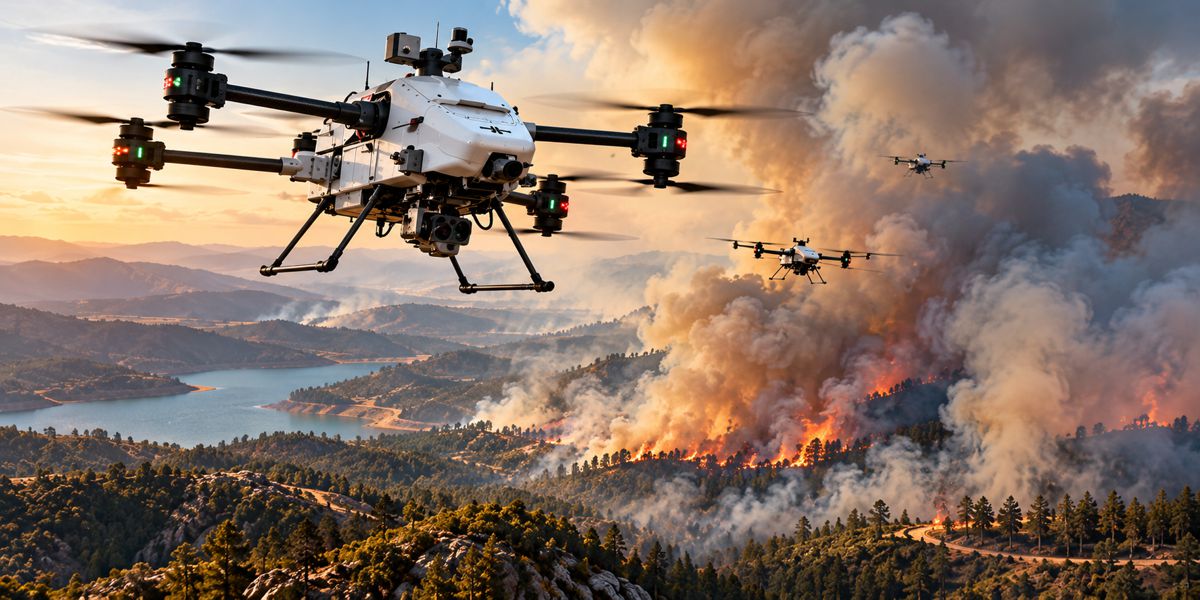
At the 2026 event, DRONERESPONDERS will deliver two dedicated tracks, including a Public Safety Summit and a Program Management Course. This reflects a growing recognition that drones are becoming essential tools in disaster response. From wildfire monitoring to flood assessment, UAVs can provide real-time situational awareness in environments where traditional methods fall short.
The importance of this capability has been underscored by recent global events, where extreme weather and natural disasters have placed increasing pressure on emergency services. UAVs offer a scalable, cost-effective way to extend operational reach, particularly in remote or hazardous areas. Their inclusion as a core focus at the expo highlights how the technology is moving beyond commercial efficiency into critical public service applications.
Building Skills for a Rapidly Expanding Workforce
Workforce development remains one of the key challenges facing the drone industry. As adoption increases, so too does the demand for trained operators who understand not only how to fly drones, but how to integrate them into complex operational environments.
This is where Pilot Institute plays a significant role. As an FAA Safety Team Industry Partner and TRUST Test Administrator, it has already trained more than 300,000 pilots through its online courses. Its presence at the event, through The Pilot Hub, is aimed at bridging the gap between training and real-world application.
The Pilot Hub will offer daily sessions covering certification pathways, regulatory compliance and career development. This is particularly relevant in markets such as construction and infrastructure, where UAV operators must often work alongside engineers, surveyors and project managers. Understanding how drone data feeds into broader project workflows is becoming just as important as flight proficiency.
A Show Floor Reflecting Industry Convergence
Beyond the conference sessions, the exhibition itself is expected to showcase the breadth of the UAV ecosystem. Manufacturers, software developers, sensor providers and service companies will all be present, highlighting how the industry is converging around integrated solutions rather than standalone products.
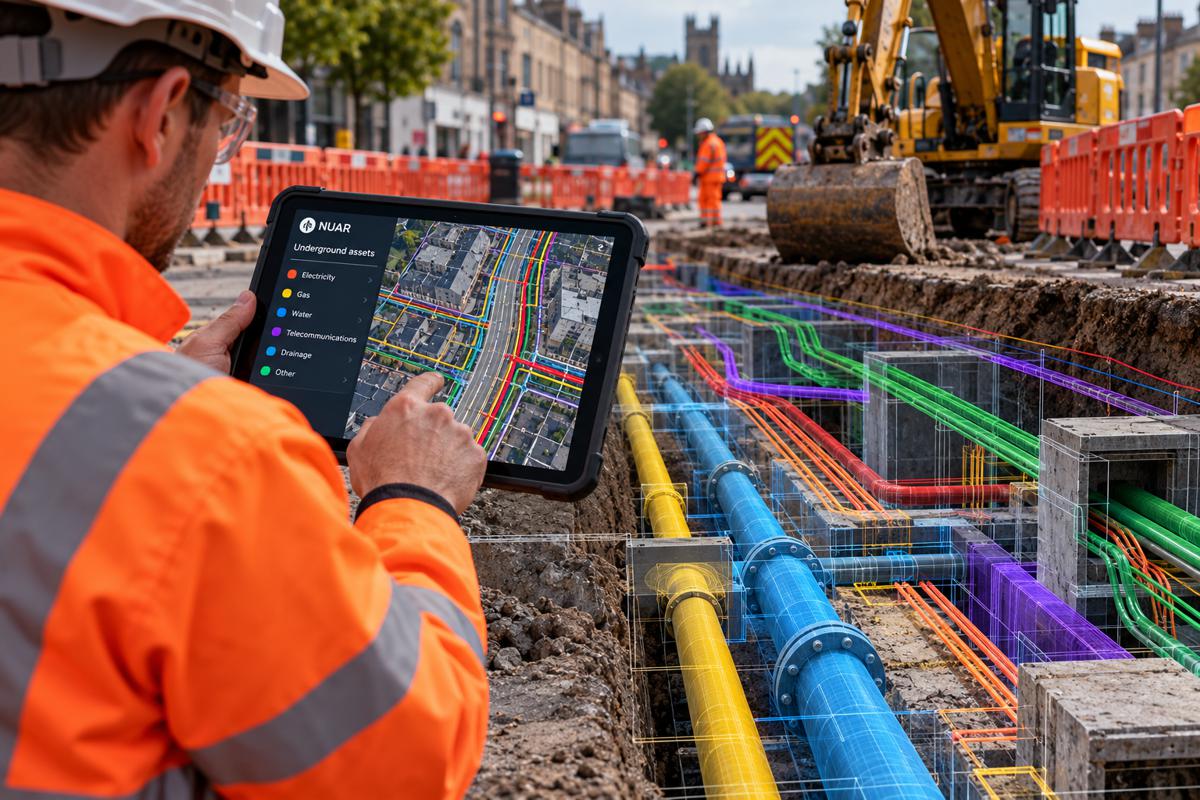
This convergence is being driven by client expectations. Infrastructure owners and contractors are increasingly looking for end-to-end solutions that combine hardware, software and analytics into a single workflow. The days of isolated drone deployments are fading, replaced by systems that integrate seamlessly with project management platforms, BIM models and digital twins.
Features such as indoor airspace demonstrations and exhibitor showcases are designed to bring these capabilities to life. They provide a practical context for understanding how UAV technologies can be deployed in real-world scenarios, from confined industrial environments to large-scale construction sites.
Strengthening the Infrastructure Technology Ecosystem
The broader significance of Commercial UAV Expo lies in its role within the infrastructure technology ecosystem. As part of a portfolio that includes Commercial UAV News, Geo Week and Digital Construction Week, the event sits at the intersection of geospatial technology, construction innovation and digital transformation.
This positioning reflects a wider trend in the industry. Technologies that were once considered separate are increasingly interconnected. UAVs feed data into geospatial platforms, which in turn inform digital twins and asset management systems. The result is a more integrated approach to infrastructure planning, delivery and maintenance.
For construction professionals, investors and policymakers, this integration has tangible implications. It enables more accurate forecasting, better risk management and improved project outcomes. It also opens up new business models, from data-as-a-service offerings to fully autonomous inspection systems.
A Platform for the Next Phase of Growth
As the commercial drone industry continues to evolve, events like Commercial UAV Expo are becoming essential touchpoints for the sector. They provide a space where technology, regulation and application can converge, enabling stakeholders to move from experimentation to large-scale deployment.
The 2026 edition, backed by more than 280 supporting partners, reflects an industry that is gaining confidence in its direction. The focus is shifting from what drones can do to how they can be integrated effectively into existing systems. That shift, while subtle, marks an important step in the maturation of the sector.
For the global construction and infrastructure community, the implications are clear. UAVs are no longer optional tools. They are becoming part of the standard toolkit for delivering complex projects in a more efficient, data-driven and resilient manner. Events that bring together the full spectrum of stakeholders will play a critical role in shaping how that transition unfolds.