CarPlay Moves Beyond the Car as Helios Expands No Roads Platform
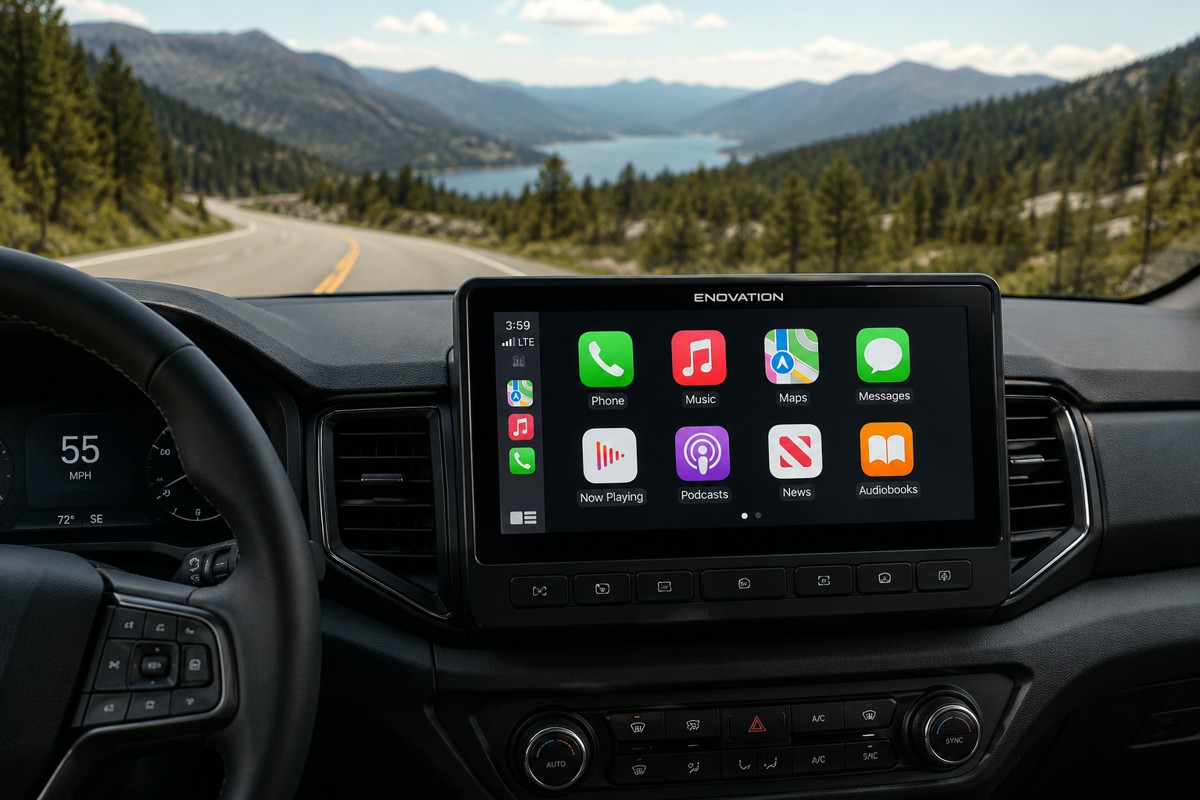
Helios Technologies has added Apple CarPlay and Android Auto capability to its No Roads platform, bringing the familiar smartphone interface into specialist vehicle displays designed for markets including marine, powersports, overlanding and other non-road applications.
Developed by Helios operating companies Enovation Controls and i3 Product Development, No Roads combines rugged electronic displays with software and connected product development. The latest release allows compatible OEM displays to provide access to supported smartphone functions through an integrated interface, giving manufacturers a way to incorporate an established consumer digital environment without having to recreate it themselves.
Behind the relatively straightforward product announcement is a wider convergence between automotive electronics and specialist vehicle controls. Drivers and operators increasingly move between cars, commercial vehicles, machinery, boats and recreational equipment carrying the same smartphones, applications and digital habits with them. The machine may remain highly specialised, but expectations of the screen in front of the operator are becoming much more familiar.
Briefing
- Helios Technologies has added Apple CarPlay and Android Auto support to its No Roads platform.
- The technology is being developed through Enovation Controls and i3 Product Development.
- Compatible OEM displays can provide access to supported smartphone functions through an integrated interface.
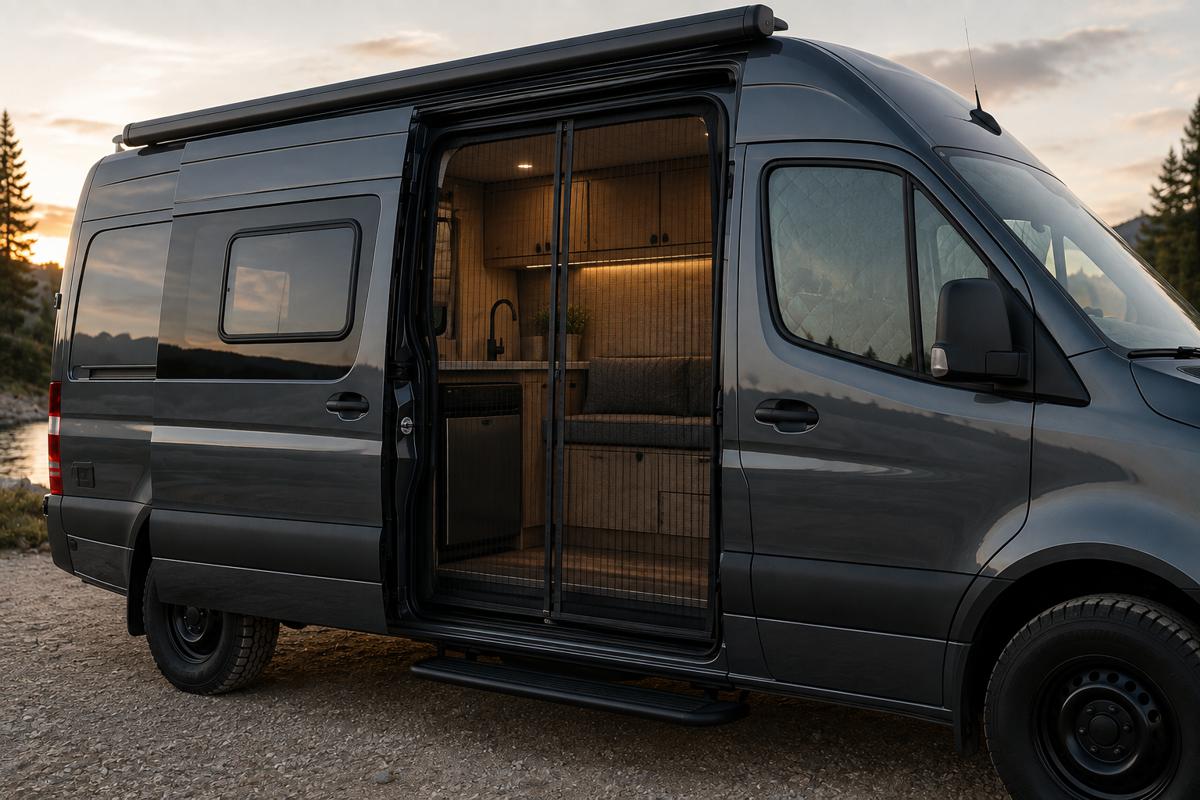
- Initial target applications include marine, powersports, overlanding and specialty vehicles.
- The expanded No Roads platform is available immediately.
Automotive Interfaces Move Off Road
Apple CarPlay and Android Auto have established a familiar interaction model in passenger vehicles: connect a smartphone and use an interface built around applications and functions the driver already understands. Navigation, communications, audio and other supported services can follow the user from one vehicle to another without each manufacturer having to develop an equivalent digital environment.
Moving that experience into specialist vehicles presents a different engineering problem. A display fitted to a boat, powersports vehicle or off-highway machine may have to withstand vibration, dust, moisture, temperature extremes and prolonged exposure, while communicating with vehicle systems that bear little resemblance to those of a passenger car.
That is territory Enovation Controls already occupies. Its electronic controls and displays are developed for specialist equipment, with systems spanning displays, controllers, instrumentation and vehicle communications. Its PowerVision software supports multiple generations of display hardware, while the OpenPV platform provides a Linux-based development environment for newer systems.
No Roads effectively provides a bridge between those rugged vehicle electronics and the consumer smartphone ecosystem.
“Connectivity is becoming an increasingly important part of the overall experience our original equipment manufacturer (“OEM”) customers are creating for their end users,” said Billy Aldridge, President, Electronics for Helios. “By combining Enovation Controls’ expertise in rugged electronics and integrated display systems with i3’s capabilities in software and connected product development, we can continue to expand No Roads™ and extend those experiences into applications where traditional automotive solutions were not designed to go.”
Separating the Machine from the Smartphone
For an OEM, the attraction goes beyond adding navigation, music or messaging to another screen. Supporting established smartphone environments can remove part of the user-interface problem from the vehicle manufacturer while giving operators access to systems they already know how to use.
There are clear limits to that convergence. A specialist vehicle still requires its own controls, instrumentation, diagnostics, warnings and operational information. A hydraulic excavator, agricultural machine or marine vessel cannot reduce its interface to a smartphone projection system, and there would be little engineering sense in trying to do so. The more practical architecture keeps machine-specific functions under the control of the OEM while allowing appropriate consumer services to operate through an established smartphone interface.
Apple’s CarPlay architecture itself maintains that separation. The system works with vehicle hardware and controlled templates for supported applications rather than simply placing an unrestricted smartphone screen in front of the operator. The vehicle manufacturer therefore retains its own machine environment while gaining access to a consumer ecosystem that continues to develop independently.
That division could be particularly useful for smaller specialist manufacturers. Designing a rugged display that communicates reliably with machinery is already a substantial engineering task. Recreating the navigation, communications, media and smartphone compatibility expected by modern users adds another development burden, followed by years of software maintenance as phones, operating systems and applications change.
Helios Builds the Electronics Stack
The development of No Roads also provides a practical example of how Helios is combining businesses assembled within its Electronics segment. Helios acquired Enovation Controls in 2016, adding electronic controls, displays and instrumentation to what was then Sun Hydraulics and broadening the company’s capabilities beyond its established hydraulic businesses.
i3 Product Development followed in May 2023, bringing expertise across electronics, mechanical and industrial design, embedded systems and software, with experience in markets including off-highway equipment, agriculture, marine and powersports. Helios described the acquisition partly in terms of adding customisation and product-development capability around its existing technologies.
No Roads puts those complementary capabilities into a single platform. Enovation provides the rugged electronics and display environment, while i3 contributes software, connectivity and wider product-development expertise. Instead of connectivity being treated as an accessory to the display, it becomes part of the vehicle electronics architecture from the development stage.
There is also some relevant context beyond recreational vehicles. Helios has been positioning Enovation Controls and i3 around off-highway electrification and electronic systems, and in July 2026 announced separate relationships between the businesses and Briggs & Stratton involving engineering and systems-integration work around commercial battery technology.
That does not make the newly expanded No Roads platform a construction machinery product, and Helios has announced no such deployment. It does establish that the engineering businesses behind the platform already work in equipment markets where electrification, digital controls and increasingly sophisticated operator interfaces are developing alongside one another.
Connected Displays and Familiar Machines
Specialist and off-highway equipment has traditionally followed a different electronics cycle from passenger vehicles. Long product lives, demanding operating environments, specialised control requirements and relatively low production volumes have encouraged manufacturers to build interfaces around the machine rather than around consumer technology. Those requirements have not disappeared, but operators now arrive with digital expectations shaped largely elsewhere.
A smartphone may offer navigation, communications, voice control and an application environment that would be expensive for a specialist OEM to reproduce and difficult to keep current throughout the working life of a vehicle. Integrating selected consumer functions while retaining dedicated machine controls offers a way to accommodate those expectations without allowing the smartphone ecosystem to intrude into areas where reliability, validation and OEM responsibility remain paramount.
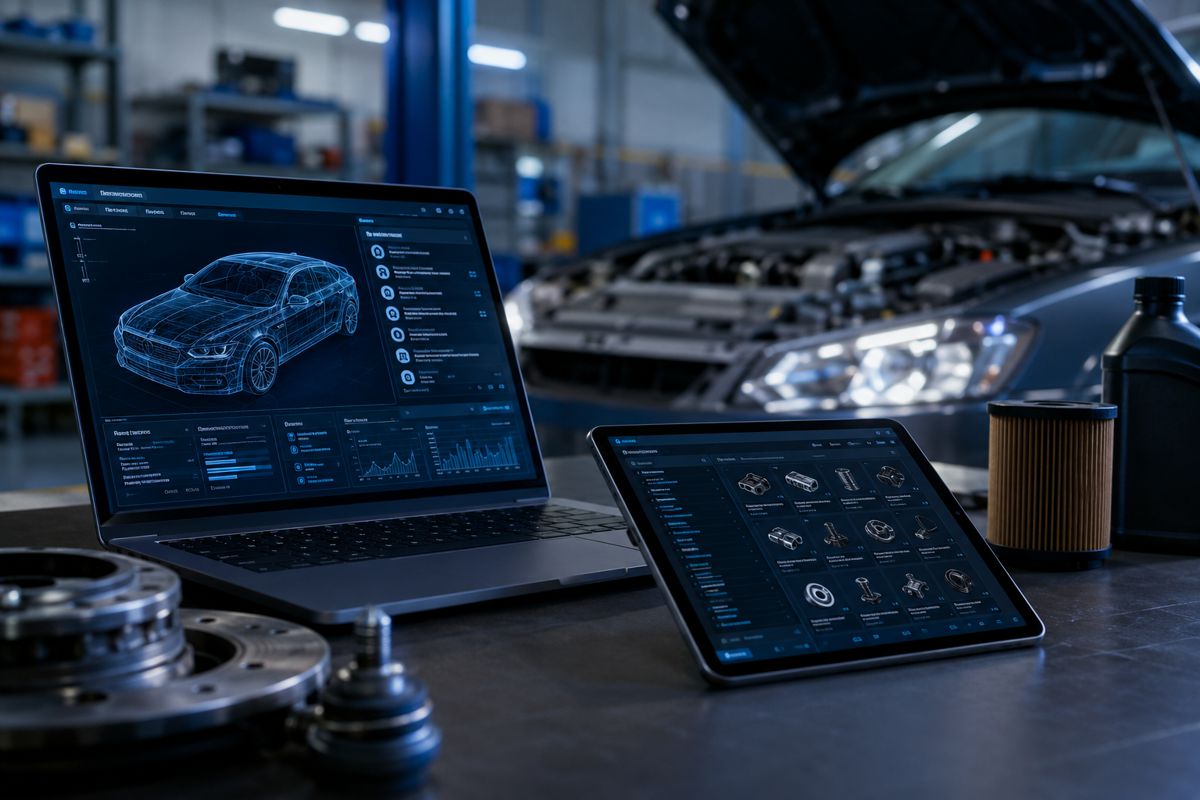
Displays themselves are also becoming more capable. Once largely endpoints for information generated elsewhere in a vehicle, they increasingly combine vehicle data, controls, connectivity and external digital services. Enovation’s OpenPV environment supports software development on Linux-based display hardware, while its PowerVision ecosystem covers programmable displays and controllers used across mobile equipment. No Roads extends that environment by connecting specialist vehicle systems with consumer smartphone platforms.
The engineering boundary remains important. Entertainment, communications and navigation can benefit from established consumer ecosystems, while safety-critical controls, machine functions and operational information require a different level of validation and manufacturer responsibility. Keeping those roles separate allows specialist vehicles to adopt useful elements of automotive connectivity without pretending that a machine, boat or powersports vehicle is simply another car.
Helios has started in markets where the proposition is relatively straightforward. Marine, powersports and overlanding vehicles combine demanding operating environments with customers accustomed to modern consumer electronics, providing a logical home for rugged displays offering familiar connectivity.
If the same approach eventually travels deeper into off-highway equipment, its success may be measured less by how much technology an operator notices than by how little explanation it requires. The machine can remain specialised, with controls designed around the work it performs, while part of the display behaves exactly as the person sitting in front of it already expects.
Key Industry Questions
- What is the Helios No Roads platform? No Roads is a connected display platform developed through Helios Technologies businesses Enovation Controls and i3 Product Development for specialist vehicle applications outside conventional passenger cars.
- What has been added to the platform? Helios has added support for Apple CarPlay and Android Auto on compatible OEM displays.
- Which markets is Helios targeting? The company specifically identifies marine, powersports, overlanding and specialty vehicle applications in the current announcement.
- Is No Roads intended for construction machinery? Helios has not announced a construction machinery deployment for the new CarPlay and Android Auto capability. However, the businesses developing No Roads have wider experience in off-highway equipment and related electronic systems.
- Why would an OEM integrate CarPlay or Android Auto rather than develop its own interface? Established smartphone platforms can provide familiar access to supported navigation, communications and media functions without requiring the OEM to recreate and continually maintain the complete consumer application environment.
- Does smartphone integration replace the machine’s own HMI? No. Specialist equipment still requires dedicated instrumentation, warnings, diagnostics and machine controls. Smartphone connectivity provides an additional interface layer for appropriate consumer functions.
- Who developed No Roads? The platform combines capabilities from Enovation Controls, which specialises in electronic controls and rugged display systems, and i3 Product Development, which provides software, engineering and connected product-development expertise.
- Is the expanded platform commercially available? Helios says No Roads with Apple CarPlay and Android Auto capability is available immediately.
Strategic Takeaways
- Familiar consumer interfaces can be incorporated into specialist vehicles without replacing the dedicated controls and instrumentation required by the machine.
- Smartphone integration gives specialist OEMs access to an established digital ecosystem without requiring them to reproduce and maintain every consumer function internally.
- Rugged hardware remains fundamental because connectivity developed around passenger vehicles must still operate within demanding specialist and off-highway environments.
- Helios is combining Enovation’s display and control hardware with i3’s software and product-development capabilities within a common platform.
- The longer-term opportunity lies in maintaining a clear boundary between consumer digital services and machine-critical functions while presenting both through increasingly capable displays.