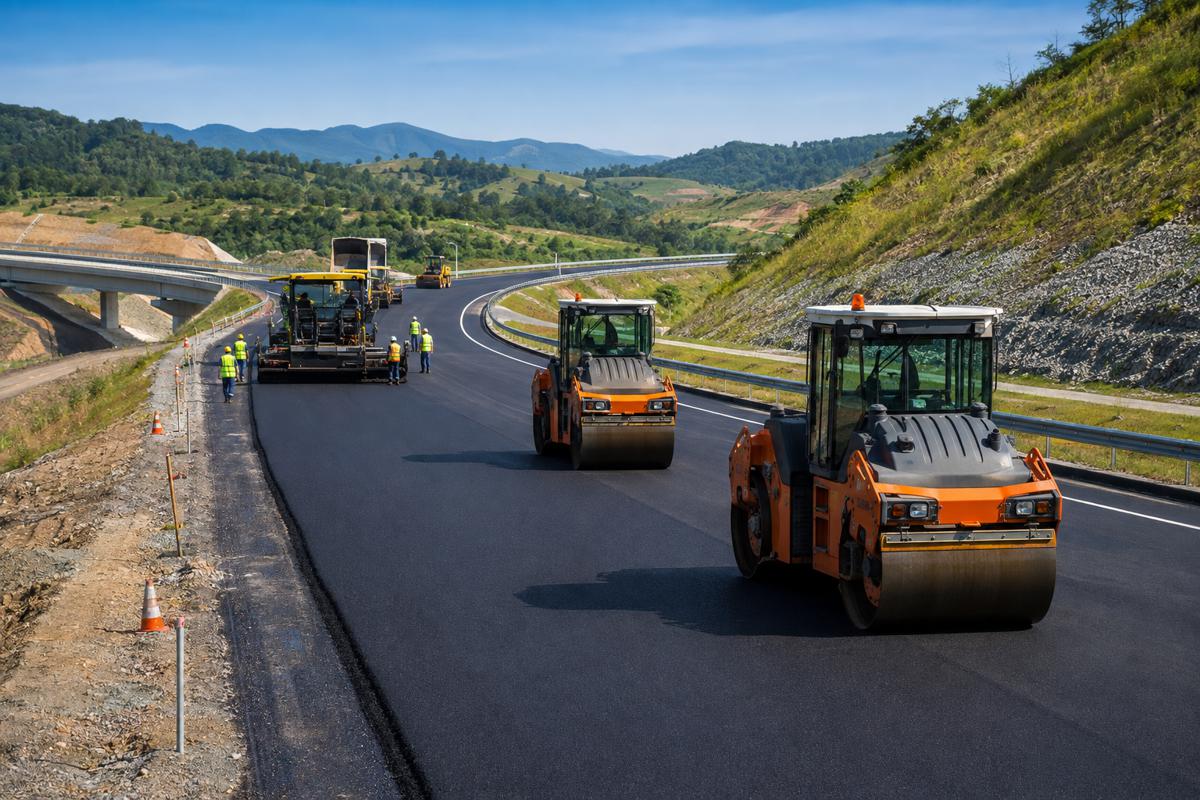
Saudi Mega Projects 2026 Puts Delivery at the Centre of Vision 2030
Saudi Arabia has spent much of the past decade defining the scale of its Vision 2030 ambitions. With 2030 little more than three years away, the construction conversation is becoming rather more practical: which projects are moving, how they will be procured, who has the capacity to build them, and where the capital and supply chains required for delivery will come from.
Those questions will sit at the centre of Saudi Mega Projects 2026, which returns to Riyadh from 28 to 30 September for its fourth edition. Organised by MEED and hosted at The Venue in ROSHN Group’s SEDRA community, the summit brings together developers, government organisations, contractors, consultants, designers and technology companies working across the Kingdom’s development programme.
MEED says $130 billion of giga-project contracts have already been awarded, with close to $200 billion of contracts moving through the market. At the same time, the Public Investment Fund’s strategy for 2026 to 2030 places greater emphasis on investment efficiency, long-term financial returns and private-sector participation. Scale remains enormous, but execution, capital discipline and the ability to turn ambitious programmes into operating assets are moving towards the foreground.
Briefing
- Saudi Mega Projects 2026 takes place in Riyadh from 28 to 30 September.
- MEED says $130 billion of giga-project work has already been awarded, with close to $200 billion of contracts moving through the market.
- ROSHN Group returns as Host Partner, with the summit being held at The Venue in its SEDRA development.
- A new Contractors Leadership Forum will examine capacity, digital delivery, localisation and supply-chain resilience.
- PIF’s 2026–2030 strategy places increased emphasis on investment efficiency, financial returns and greater private-sector participation.
The Vision 2030 Delivery Phase
Saudi Arabia’s development programme is broader than the handful of giga-projects that have dominated international headlines. Housing, transport, tourism, utilities, sports, industrial development and urban infrastructure have all created substantial pipelines of construction work, often involving complex relationships between state entities, PIF portfolio companies and private contractors.
PIF describes the next stage of its strategy as a move from rapid growth towards sustained value creation. Its 2026–2030 programme is structured around three portfolios and places greater weight on capital efficiency, strategic asset performance and opportunities for private businesses to participate as investors, partners and suppliers. The fund says it invested more than $199 billion in new projects within Saudi Arabia between 2021 and 2025, while PIF and its portfolio companies spent more than $157 billion with the local private sector between 2021 and 2024.
Delivering several large programmes simultaneously requires contractors, materials, specialist engineering, equipment, logistics, finance and experienced project management in sufficient quantities and at the right time. MEED’s Ed James, Head of Content & Research, describes the Kingdom as reaching a point where the emphasis is moving towards measurable value: “Saudi Arabia is entering a defining moment where vision has to translate into measurable value, and that transition is reshaping its entire construction and development ecosystem.”
James also points to increasingly commercial questions around the work already awarded and approaching the market: “With $130bn worth of giga projects already awarded and close to $200bn of contracts now moving through the market, the questions asked by the industry are sharper and more commercial, ranging from delivery models, procurement discipline, and industrial capacity to the accelerating role of the private sector alongside the mega project entities.”
The subjects being raised are the practical problems of turning a very large project pipeline into completed construction.
Contractors Move to the Centre
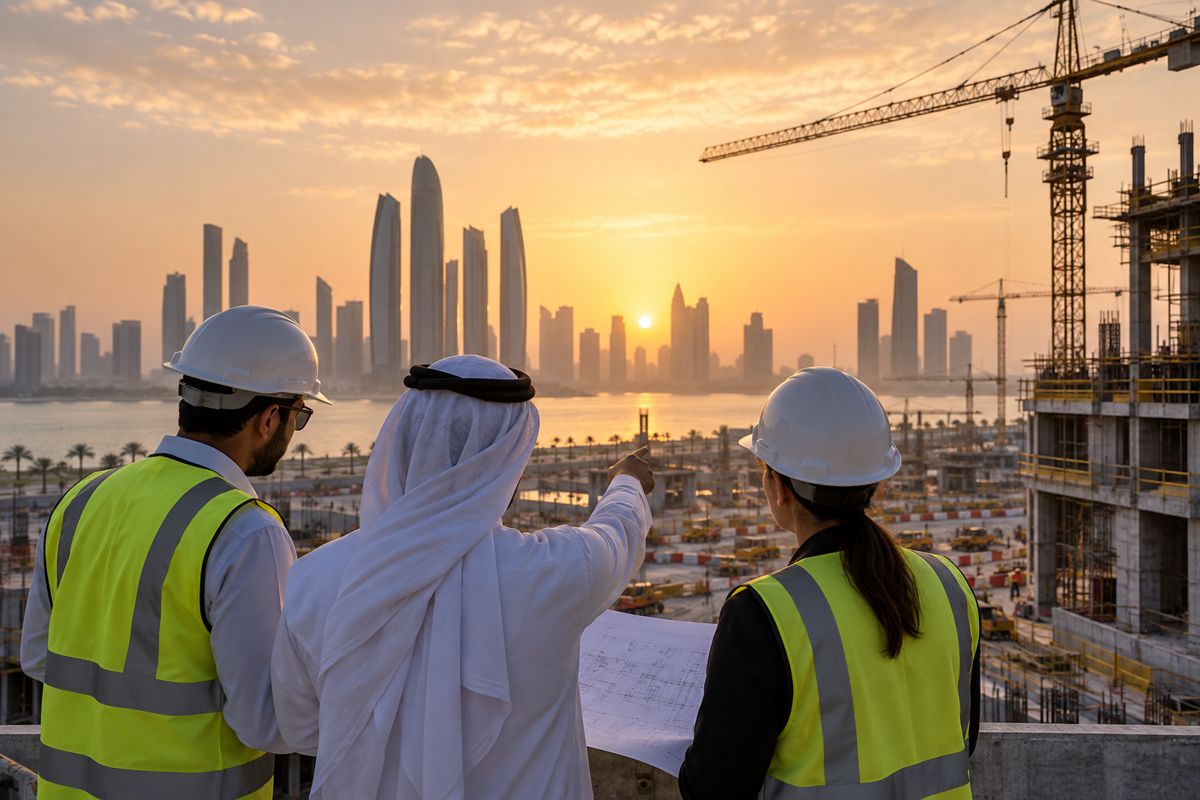
One of the more revealing additions for 2026 is a dedicated Contractors Leadership Forum covering capacity building, digital delivery, industrial localisation and supply-chain resilience. These are operational subjects rather than architectural ambitions, and they emerge once projects move from masterplans and procurement schedules onto construction sites.
Contractor capacity becomes particularly important when multiple programmes are competing for similar resources. Major projects require far more than principal contractors. They draw on specialist subcontractors, plant fleets, precast operations, steel fabrication, concrete production, logistics, surveying, temporary works, digital engineering and a large professional workforce. Pressure in one part of that chain can affect programmes elsewhere.
Localisation adds another dimension. Saudi Arabia has been developing domestic supply chains and industrial capability alongside its construction programme, while international contractors and consultants continue to provide specialist expertise and additional capacity. Overseas businesses consequently have to consider how effectively they can operate within the Kingdom rather than simply supply it from outside.
Developers, Contractors and Consultants
The organisations expected at Saudi Mega Projects illustrate the breadth of the programme. Confirmed participants include ROSHN Group, Red Sea Global, Diriyah Company, Expo 2030 Riyadh Company, Kingdom Holding Company, King Salman Park Foundation, the National Centre for Privatization and PPP and Sports Boulevard Foundation. Senior representation is also expected from the National Housing Company, Royal Commission for Riyadh City, KACST and Riyadh Region Municipality Development Company.
ROSHN Group returns as Host Partner for a second consecutive year. Its SEDRA community in northern Riyadh is itself part of the Kingdom’s large-scale residential development programme, providing an appropriate setting for discussions increasingly concerned with moving projects through construction and into use.
The wider partner group spans international contractors, consultants, designers and technology companies, including firms working across engineering, project management, digital construction and architecture. Saudi developers and government bodies are drawing on that international expertise while expanding domestic capability, putting procurement at the intersection of project delivery, localisation and private-sector development.
Procurement Becomes More Selective
PIF’s strategy provides useful context for this environment. Approved in April 2026, the programme through 2030 calls for competitive domestic ecosystems, stronger investment efficiency and increased participation by private companies. PIF says it will maintain a disciplined approach to value realisation, sustainable returns and capital efficiency.
For construction businesses, a large project pipeline remains attractive, but contractors and suppliers also have to consider programme certainty, payment structures, procurement models, local-content requirements, resource availability and their own capacity to support work over several years.
The private sector is also being asked to play a larger role, potentially broadening the market beyond conventional state-funded construction contracts towards partnerships, investment structures and long-term concessions. Saudi Mega Projects’ published programme includes a project showcase covering more than 200 projects across 16 sectors, with estimated investment exceeding $200 billion. Opportunities span education, aviation, water, transport and healthcare, with some programmes expected to use public-private partnership and concession structures.
Projects Approaching Their Deadlines
Several of the organisations participating in the summit are working against highly visible milestones. Expo 2030 Riyadh Company is preparing for an international event with a fixed opening date rather than an adjustable development horizon, leaving progressively less room for delays as construction advances. Eng. Murad AlSayed, the company’s Chief Delivery Officer, is scheduled to provide an update on construction and readiness.
Kingdom Holding Company CEO Talal Almaiman will discuss progress on Jeddah Tower, the long-running skyscraper project planned to exceed 1,000 metres. Red Sea Global’s Group Head of Cost, Commercial & Procurement, Ben Edwards, is expected to address investment opportunities, procurement openings and forthcoming infrastructure packages.
The projects differ considerably in purpose, funding and delivery structure. Each eventually comes down to construction sequencing, procurement decisions, interfaces between contractors and the difficult business of completing assets.
Work will also continue beyond 2030. Infrastructure and urban development created during the current investment cycle will generate further requirements for operations, maintenance, expansion and supporting infrastructure, while projects already under construction will follow their own programmes rather than a single national deadline.
The Road to 2030
Saudi Mega Projects 2026 has organised its three days around the theme “Turning Vision into Value”, with programme streams progressing through Vision 2030, execution at scale and the infrastructure and assets required for future readiness.
The Kingdom has already established that it is prepared to commission development on an extraordinary scale. Converting that investment into completed homes, transport systems, tourism destinations, public spaces, utilities and commercial assets requires enough construction and industrial capacity to deliver them and, eventually, operate them.
For contractors, consultants, equipment manufacturers and technology companies, the opportunity remains substantial, but the questions are becoming more demanding. Projects have programmes, budgets, procurement requirements and delivery risks. Clients need capacity as much as ideas.
With 2030 little more than three years away, the vision is already well established and the construction market is increasingly about getting it built.
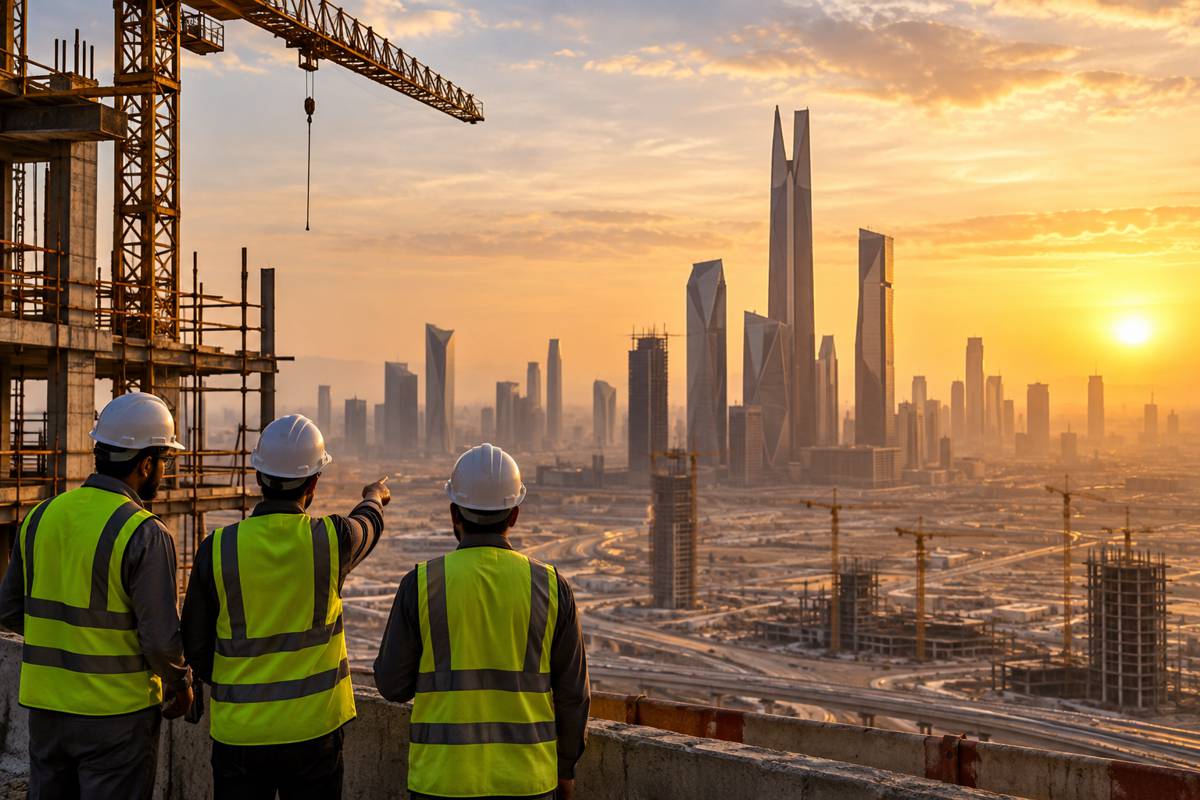
Key Industry Questions
- When is Saudi Mega Projects 2026? The summit takes place from 28 to 30 September 2026 at The Venue by ROSHN Group in Riyadh.
- What stage has Saudi Arabia’s Vision 2030 construction programme reached? Many programmes are now moving through procurement, contractor mobilisation and construction, although individual projects remain at very different stages of development.
- How large is the current Saudi giga-project pipeline? MEED says $130 billion of giga-project contracts have already been awarded and close to $200 billion of contracts are moving through the market. Its summit programme also identifies more than 200 projects across 16 sectors with investment exceeding $200 billion.
- What has changed in PIF’s strategy for 2026–2030? PIF describes the period as a move from rapid growth towards sustained value creation, with greater emphasis on investment efficiency, financial returns, strategic asset performance and private-sector participation.
- Why is contractor capacity becoming important in Saudi Arabia? Multiple large programmes require overlapping construction, engineering, equipment, materials and specialist resources. Delivering them concurrently places pressure on contractors and their wider supply chains.
- What is the Contractors Leadership Forum? It is a new component of Saudi Mega Projects 2026 focused on contractor capacity, digital delivery, industrial localisation and supply-chain resilience.
- Are opportunities limited to Saudi giga-projects? No. The wider pipeline covers housing, transport, water, aviation, healthcare, education and other infrastructure and development sectors.
- What role is the private sector expected to play? Saudi policy increasingly envisages private companies acting not only as contractors and suppliers but also as investors and partners, including through PPPs and long-term concessions.
Strategic Takeaways
- Saudi Arabia’s construction market is moving deeper into procurement and execution as Vision 2030 approaches.
- Capital efficiency and project value are becoming more prominent alongside development scale.
- Contractor and supply-chain capacity will influence how quickly simultaneous programmes can be delivered.
- Greater private-sector participation is creating opportunities beyond conventional construction contracting.
- The market extends well beyond headline giga-projects into transport, utilities, housing, healthcare, education and other infrastructure.