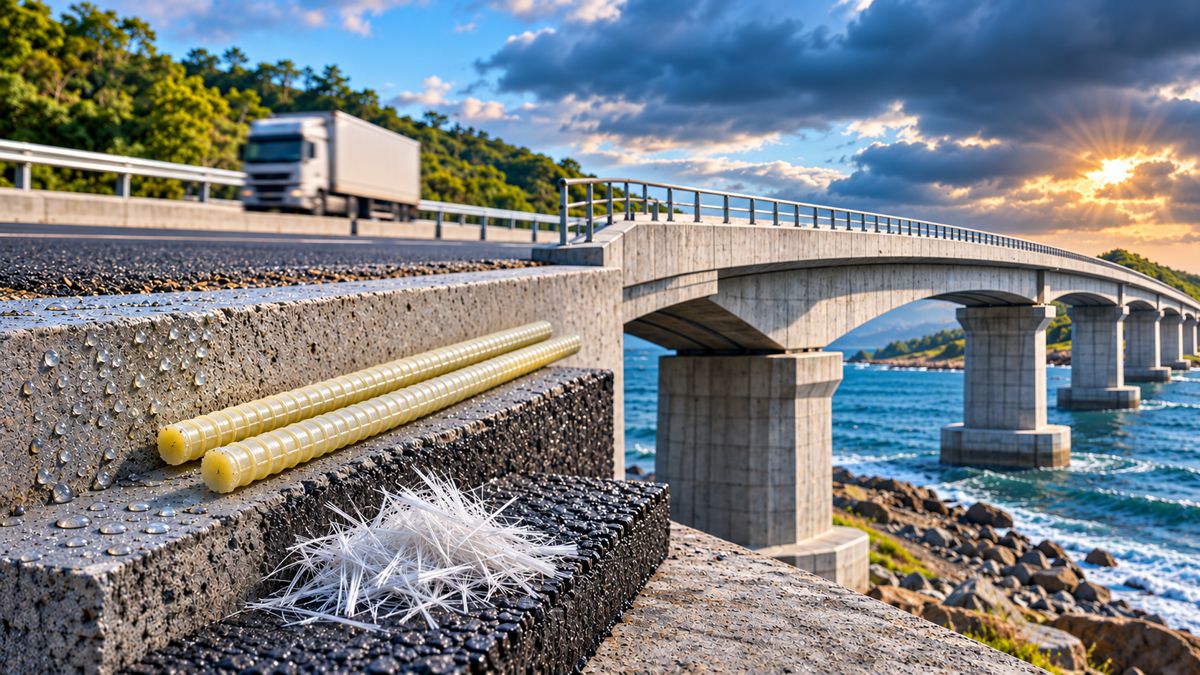
Building Infrastructure Resilient to Climate Change and Extreme Loading
A bridge deck cracks in a summer heat wave, a coastal highway floods for the third time in a decade and a freight corridor ruts years ahead of schedule. Materials options, such as fiber reinforcement, show how smarter specification can answer those pressures.
For engineers, contractors and policymakers, resilient design now shapes life cycle cost, public safety and project risk.
The Rising Cost of Climate-Driven Infrastructure Failure
Wind, heat, flooding, seismic activity and relentless heavy traffic all place escalating demands on infrastructure assets worldwide. In the United States alone, weather and climate disasters have cost a cumulative $2,918.1 billion between 1980 and 2024, according to the National Oceanic and Atmospheric Administration. The five years from 2020 through 2024 averaged $149.3 billion annually, a pace well above the long-run average, pointing to an intensifying problem.
Single failures seldom stay isolated. Resilience has moved from a specialist concern to a strategic priority because heat-stressed grids, flood-prone transport corridors and wildfire-exposed communities face compounding infrastructure risk from escalating patterns. A damaged road can disrupt supply chains, energy delivery and emergency response at once, so failures cascade across interconnected systems. Mitigating that risk starts with how infrastructure is designed and built.
Material selection directly shapes how infrastructure performs under thermal stress, moisture exposure, corrosive conditions and repeated mechanical loading. Four key materials each target a distinct failure mechanism.
Crack-Control and Waterproofing Admixtures
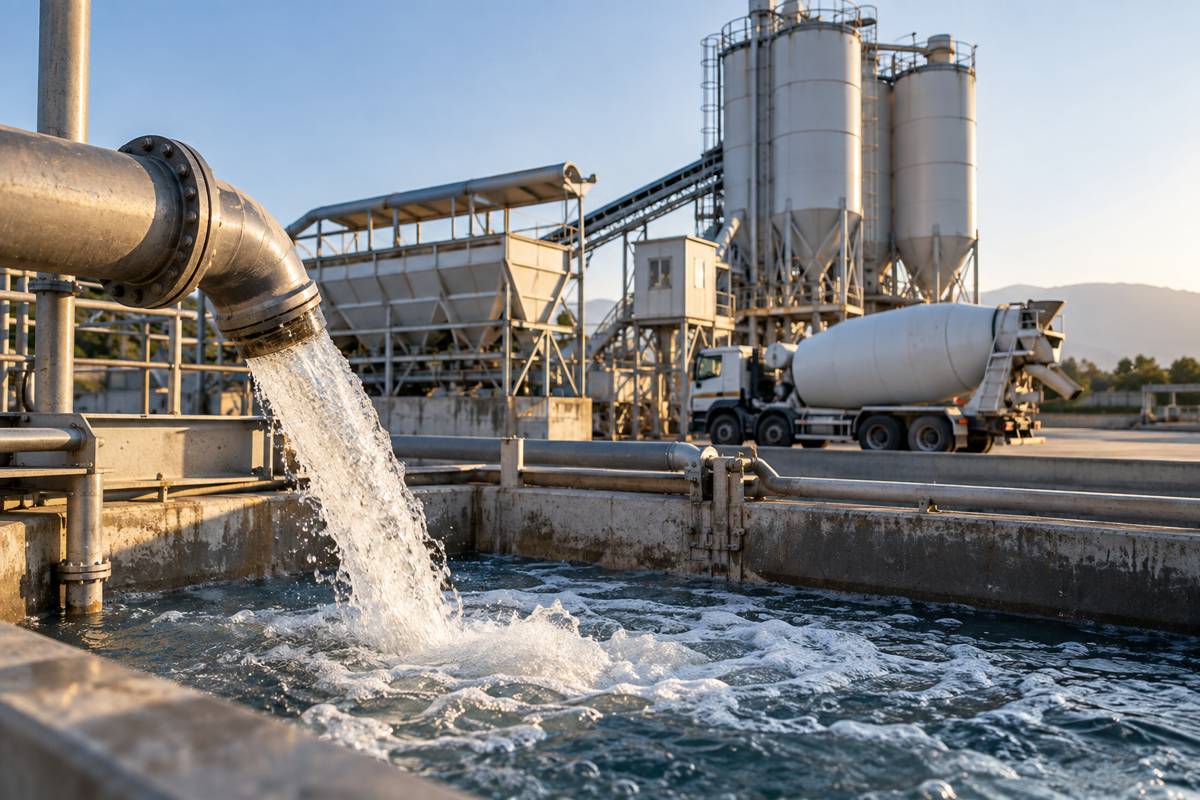
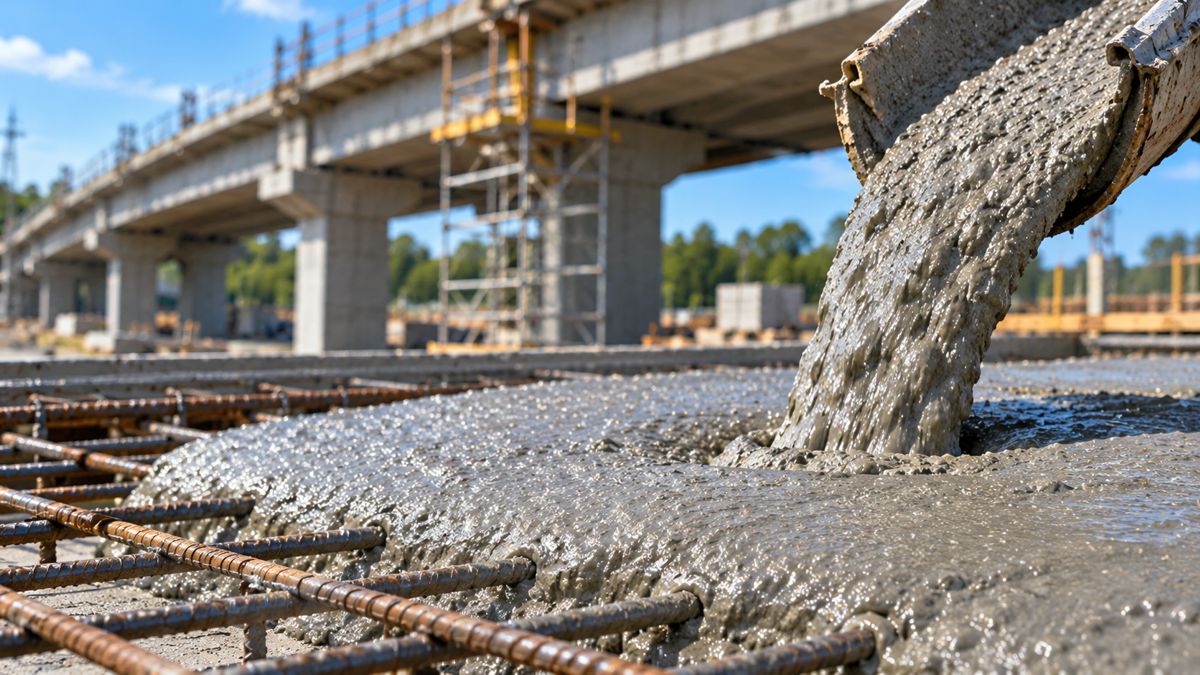
Water and dissolved chemicals contribute to much of the long-term deterioration seen in concrete, including freeze-thaw damage and chloride corrosion of embedded steel. Crystalline waterproofing additives offer a solution because they react with moisture to form crystals that fill capillary pores and microcracks.
As rainfall intensifies and humidity patterns shift in some regions, that self-sealing behavior becomes more valuable. University of Ottawa research, adapted by Kryton International Technical Director Alireza Biparva, found that hydrophilic crystalline admixtures can begin healing cracks and help curtail further deterioration.
Crystalline Technology for Underground Waterproofing
When a new headquarters for Maybank was built in Kuala Lumpur in the late 1990s, the nine-level underground parking structure had to overcome a vulnerability to water ingress and humidity. To control this, a crystalline admixture was used to waterproof the concrete, increase durability and reduce shrinkage cracking.
During the 1997 construction, the 13,200-cubic-meter project was the third-largest building constructed with a continuous concrete pour in the world. The use of crystalline admixture gave the slab a self-healing capacity that would extend its life cycle.
Fiber Reinforcement for Concrete and Asphalt
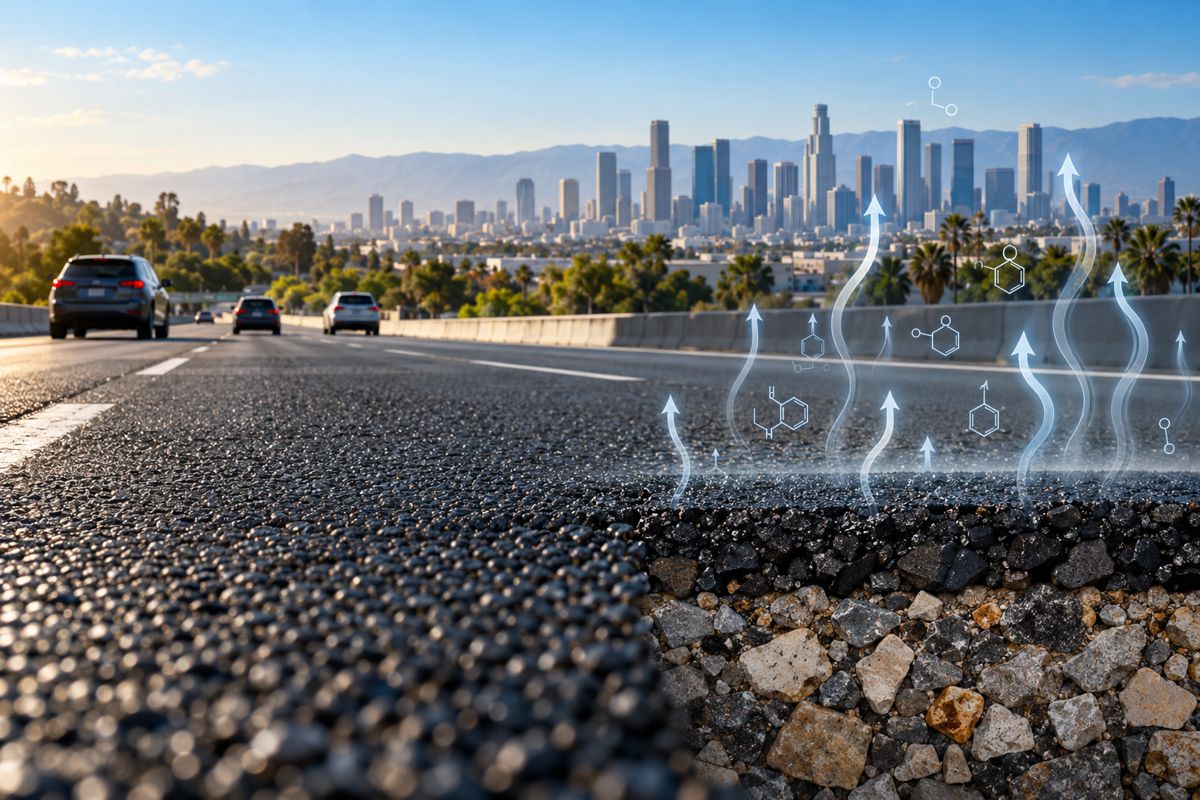
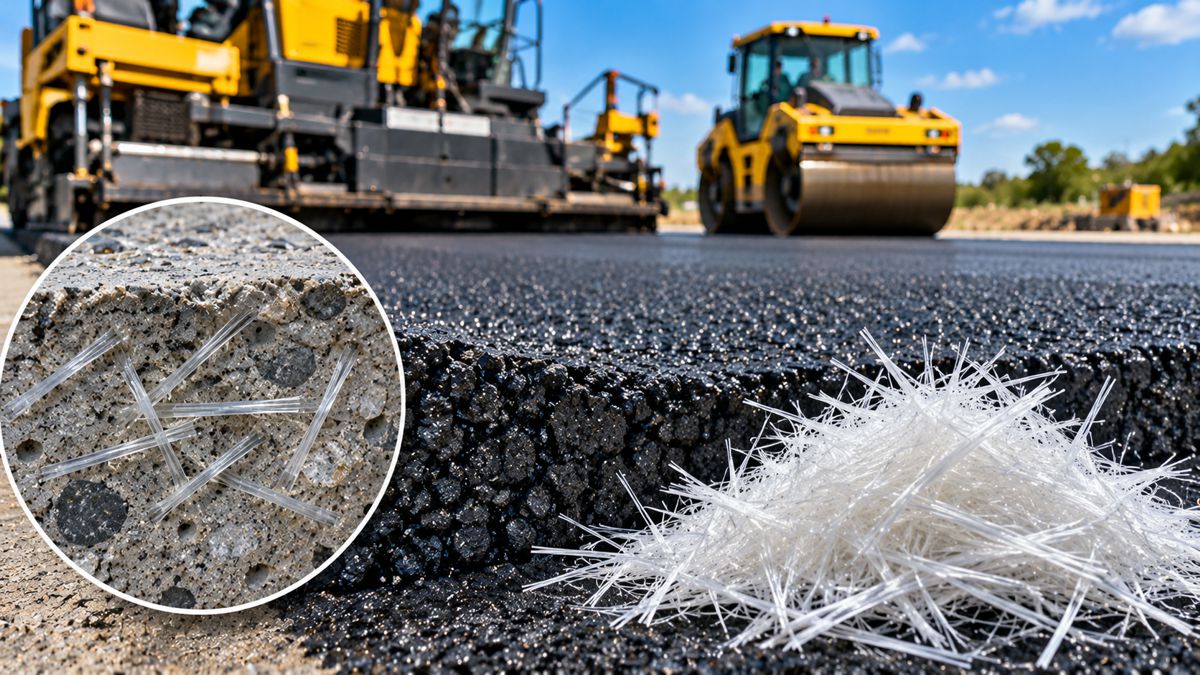
Concrete and asphalt can be made more resilient by adding fibers. According to Forta Corporation, a specialist supplier of synthetic fiber reinforcement materials, “These fibers are distributed uniformly within the asphalt, creating a three-dimensional reinforcement matrix that fundamentally enhances the asphalt’s tensile strength, resilient modulus, and overall durability.”
The same approach applies to both materials, which gives specifiers flexibility across slabs, overlays and pavements. On a pavement carrying heavy truck traffic, for instance, those fibers may slow the progression of microcracks that would otherwise open under repeated loading.
Fiber Reinforcement for Racetrack Construction
Forta explains that fiber reinforcement is best for racetrack construction because “[it] provides a reinforced pavement substrate capable of handling high-speed dynamic loading and repeated thermal stress from braking zones, delivering a more stable surface throughout the racing season.”
The recent repaving of Thunderhill Raceway Park in California shows this approach in action. The project involved a full reconstruction of the east track on a concrete-treated base, with fiber reinforcement placed in the entire first 2 inches of base pavement, followed by a 2-inch middle course and a 2-inch wearing course. The approach will help keep the pavement resilient, consistent and crack-free, even under the stress of repeated high-speed passes by the cars that create concentrated dynamic loading.
Corrosion-Resistant GFRP Rebar
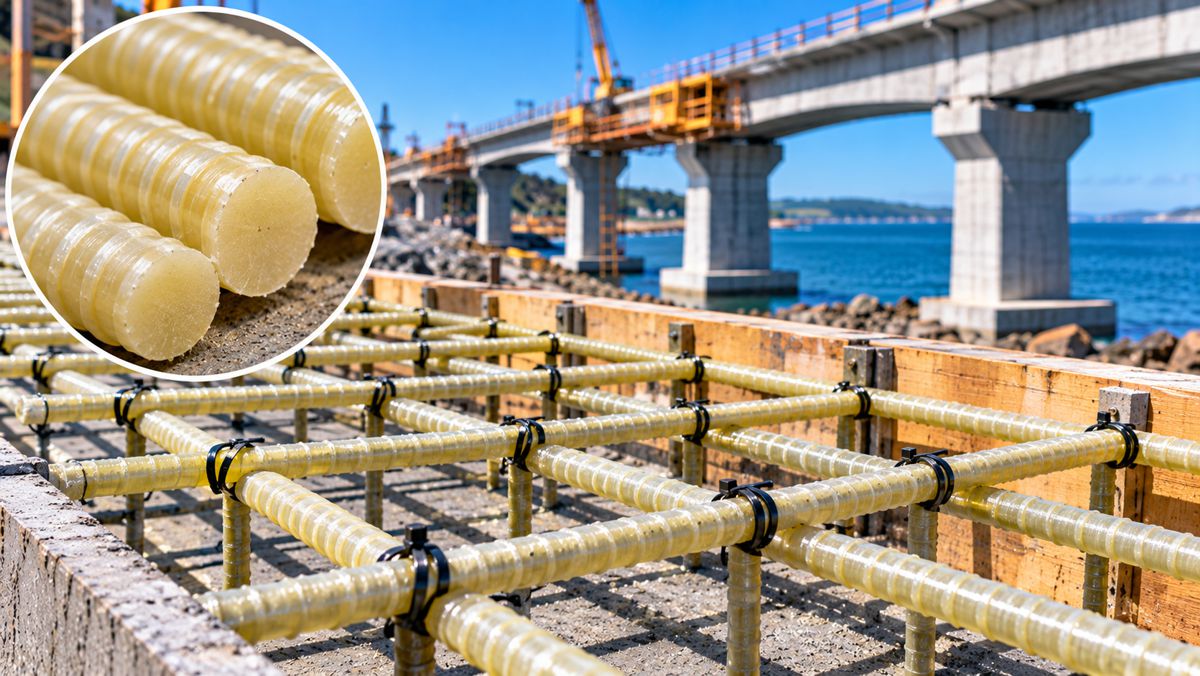
Moisture, chloride exposure and deicing salts make corrosion a climate-linked degradation factor. When steel rebar corrodes in coastal or wet environments, the resulting internal expansion can crack and spall the surrounding concrete and shorten service life. Glass-fiber reinforced polymer (GFRP) rebar offers a non-corroding and chemical-resistant alternative that can be suitable for bridges, marine structures and heavy infrastructure.
“GFRP bars can extend the service life of reinforced concrete structures by eliminating corrosion-related damage — a game changer in civil engineering,” says Christian Carloni, associate professor of civil engineering at Case Western Reserve University. He adds, “The full potential and spectrum of applications of this technology are yet to be fully exploited.”
GFRP for a Bridge Replacement
The Harker’s Island bridge replacement in coastal North Carolina created a 3,200-foot-long, 28-span crossing connecting the island to the mainland — the only vehicular route. Engineers selected GFRP to combat the saltwater environment. Because the material is impervious to corrosion, it eliminated standard marine deterioration while providing the structural integrity required for the bridge’s extensive spans.
GFRP also delivered durability and operational efficiency. The bridge is projected to have a 100-year lifespan with significantly reduced maintenance needs. It is the world’s largest bridge constructed entirely without steel reinforcement.
Ultra-High-Performance Concrete
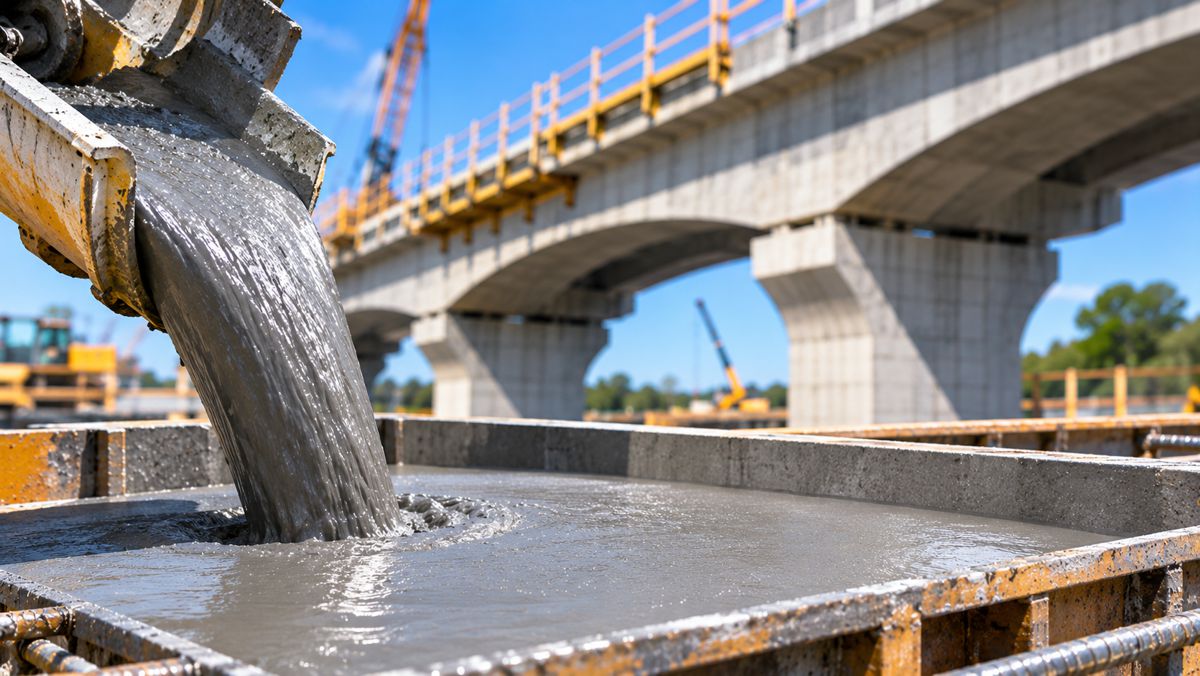
Ultra-high-performance concrete (UHPC) is an advanced formulation engineered for markedly higher compressive, tensile and flexural strength than conventional concrete. Its reduced porosity can improve resistance to chloride intrusion and weather-driven degradation, potentially extending service life with less maintenance.
UHPC for a Viaduct Repair
New York’s Metropolitan Transportation Authority (MTA) put UHPC to work on the Park Avenue Viaduct in East Harlem. The 130-year-old structure carries nearly 220,000 passengers a day, requiring materials capable of handling heavy traffic loads in a dense urban setting. Cor-Tuf UHPC was selected for the plinth sections of the commuter rail structure.
Halmar Project Engineer Peter Alonge says, “The material’s strength and ease of placement support the MTA’s long-term goals for safety and reliability.” The new construction will be more resistant to weather conditions, with reduced maintenance costs and an estimated lifespan of 75 years.
Construction Strategies for Long-Term Resilience
Material choices deliver the most value when paired with design approaches suited to the loads a structure will face. Two strategies address different loading conditions.
Continuous Load Path Design
Structures built for extreme wind loading often rely on connections across foundations and walls to roofs that resist uplift forces throughout the entire structure, avoiding the concentration of forces at weak points. Reinforced concrete is frequently cited as a leading choice for this work because of its strength and impact resistance.
Adaptive Planning for Heat
The U.S. Department of Transportation notes that extreme heat stresses bridge expansion joints and causes asphalt pavement to deteriorate more rapidly, which makes heat-tolerant materials and detailing core engineering requirements.
Effective resilience depends on the right engineering approach and the right materials working in tandem. A continuous load path can work in concert with concrete that resists moisture and impact, while adaptive heat planning can draw on pavements designed to tolerate thermal stress.
Building Infrastructure That Withstands Tomorrow
Resilient infrastructure depends on pairing the right materials with the best construction strategy. Admixtures, fiber reinforcement, GFRP rebar and UHPC address different failure mechanisms, while sound structural design and adaptive planning shape how those materials perform under load.
Current technology and knowledge put resilience within reach, provided specification and design decisions reflect climate and loading realities from the outset of a project.