The Problem with Britain’s Temporary Road Markings in the ADAS Era
Road markings are essential. They tell us when to change lanes and how to navigate changing road layouts.
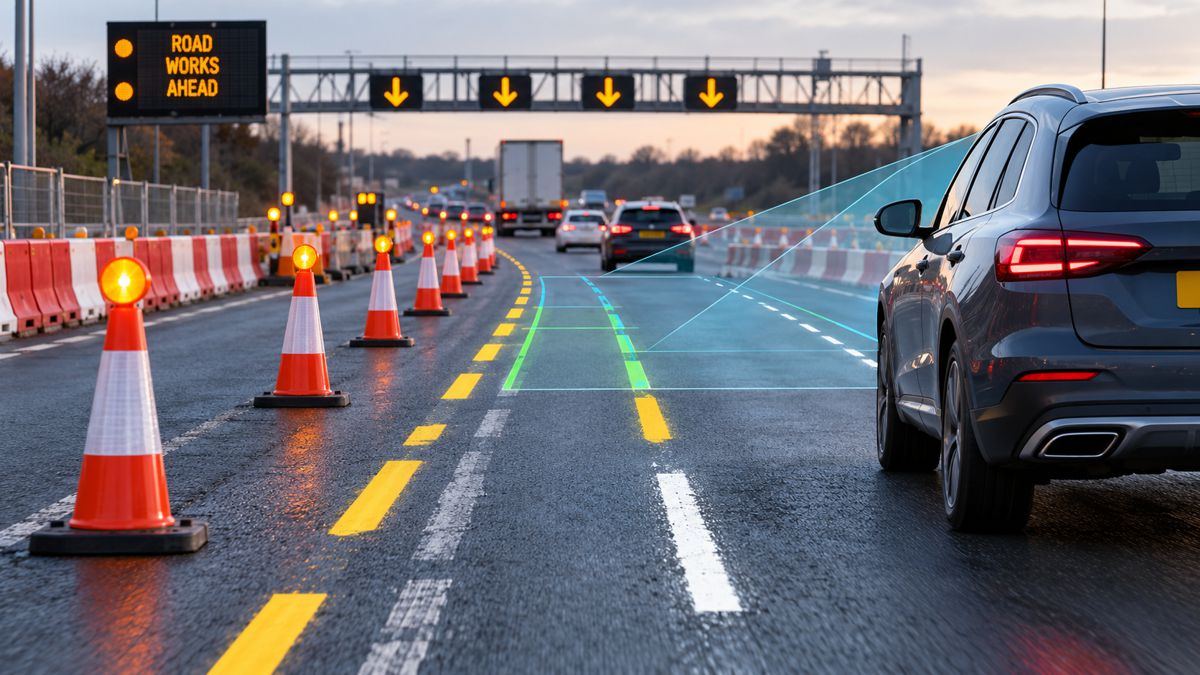
Now, they also communicate with the cameras and sensors fitted to an increasing number of vehicles. Advanced Driver Assistance Systems (ADAS) rely on information from their surroundings to support drivers. This creates fresh challenges for Britain’s highways industry – especially when temporary roadworks change lane layouts overnight, leaving an environment where people must interpret the road while vehicle systems attempt to catch up.
When temporary and permanent markings compete
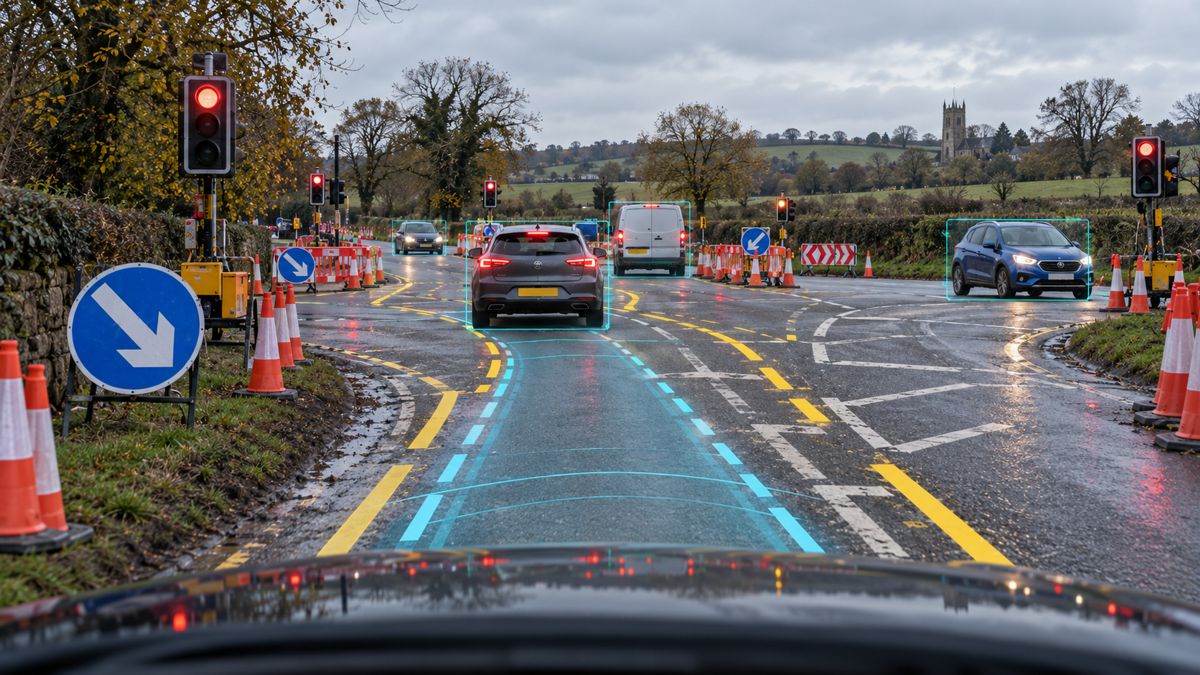
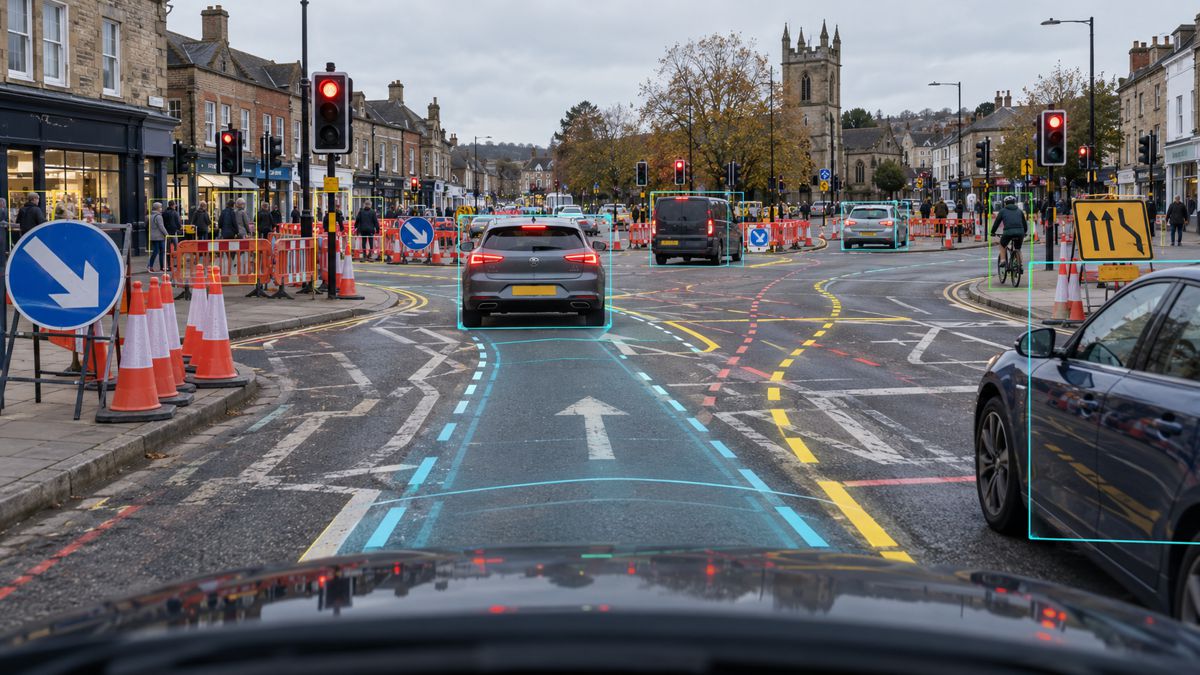
Temporary traffic management introduces new amber or white lane lines right alongside faint markings left by previous permanent layouts. Rain, low winter sun and road surface repairs all add to the confusion of a new layout. A simple stretch of motorway suddenly becomes an optical puzzle.
While our brain effortlessly contextualises the wider roadworks layout by interpreting cones and overhead gantry signs, camera-based sensors like those used in ADAS systems relies heavily on high-contrast markings to infer boundaries.
Vehicle systems and operating conditions vary widely across different makes and models, meaning you can’t assume that a specific faded line will automatically trigger a system fault or an unwanted steering correction.
The standards question in an ADAS environment
Traditional highways centre almost entirely on visibility and the comprehension levels of the standard road user. However, as we increasingly rely on ADAS technologies, it’s becoming apparent this isn’t enough.
Specifications for temporary traffic management could place greater emphasis on machine readability alongside established requirements for colour, contrast and retroreflectivity. This isn’t a case of every marking satisfying one universal camera standard. Rather, highways authorities and contractors need evidence showing how different layouts perform under realistic conditions, including wet surfaces and night-time driving.
Highways professionals and vehicle manufacturers can help gather the data through controlled trials and shared test methods. This would allow the industry to distinguish genuine performance problems from theoretical concerns.
What unclear infrastructure means for the road user
Motorists remain legally and practically responsible for controlling their vehicles. Even with technologies in place, it’s down to the driver to anticipate hazards and recognise the inherent limitations of any driver-assistance technology.
Inconsistent visual cues increase the need for clear temporary signing and logical roadworks design. You need intuitive lane transitions that make this driver-assistance tech work to your advantage.
It’s important to think of all possibilities here. If ADAS glitches or misses temporary markings, drivers could end up in an accident. This could lead to repairs and car insurance claims.
Designing roadworks for humans and machines
Highways engineers can integrate machine readability considerations directly into the planning, installation, inspection, and removal phases of temporary traffic management.
Using bright markings and removing redundant lines keep things clear for motorists. Data gathered from vehicle manufacturers, road operators, and controlled trials helps identify precisely which marking characteristics influence different ADAS technologies most significantly.
Temporary layouts provide an ideal test bed for understanding how national standards can evolve constructively alongside rapid technological advancements in vehicle automation.