Volvo Electric Haulers Reach Commercial Reality on Norwegian Hydropower Project
The arrival of the world’s first production battery-electric articulated haulers on a major hydropower scheme marks an important milestone for both heavy construction equipment and the wider transition towards lower-emission infrastructure delivery. While electrification has become increasingly common among compact machines and urban construction equipment, heavy earthmoving has remained one of the industry’s most technically demanding frontiers.
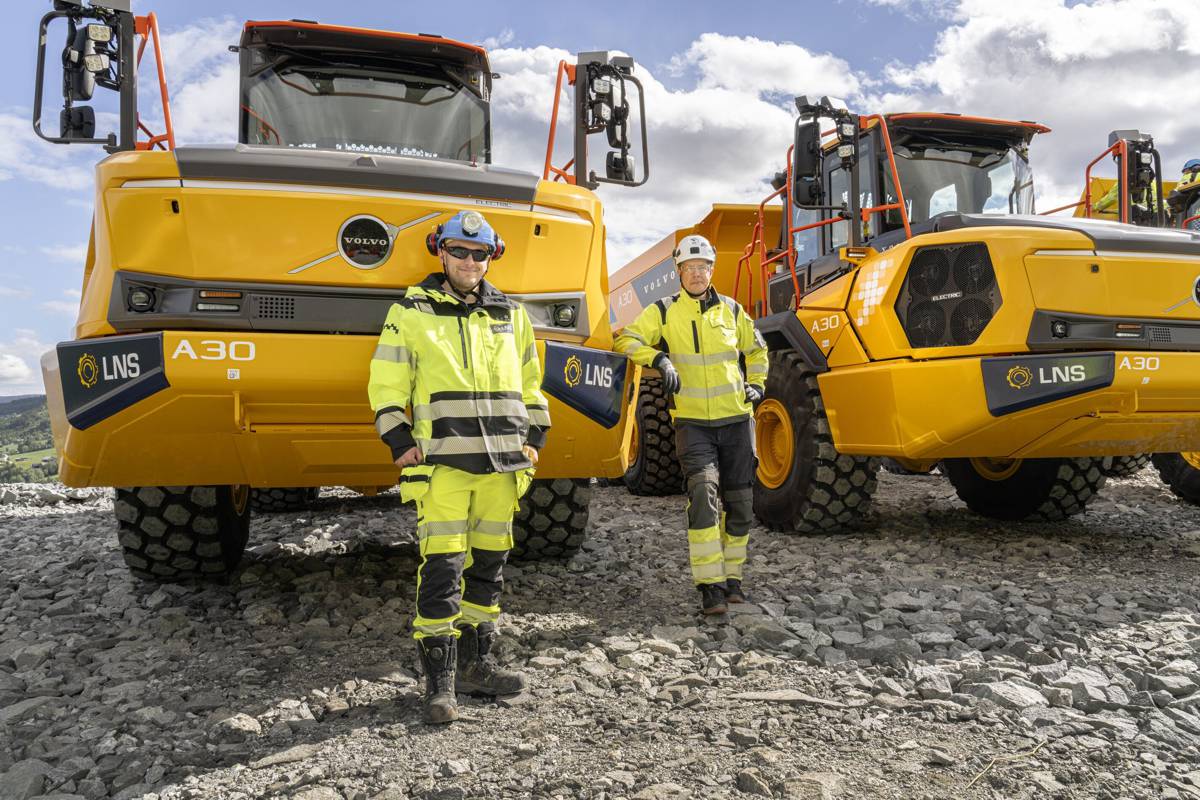
Volvo Construction Equipment’s delivery of seven A30 Electric articulated haulers to Norwegian contractor LNS for the Hemsil 3 hydropower development demonstrates that battery-electric technology is beginning to move beyond pilot projects and into commercially significant civil engineering operations. The project also illustrates how contractors, equipment manufacturers and infrastructure owners are increasingly working together to make electrification viable where operational conditions naturally suit battery-powered machinery.
Briefing
- Volvo CE has delivered the first four production A30 Electric articulated haulers to Norwegian contractor LNS, with three more scheduled to follow.
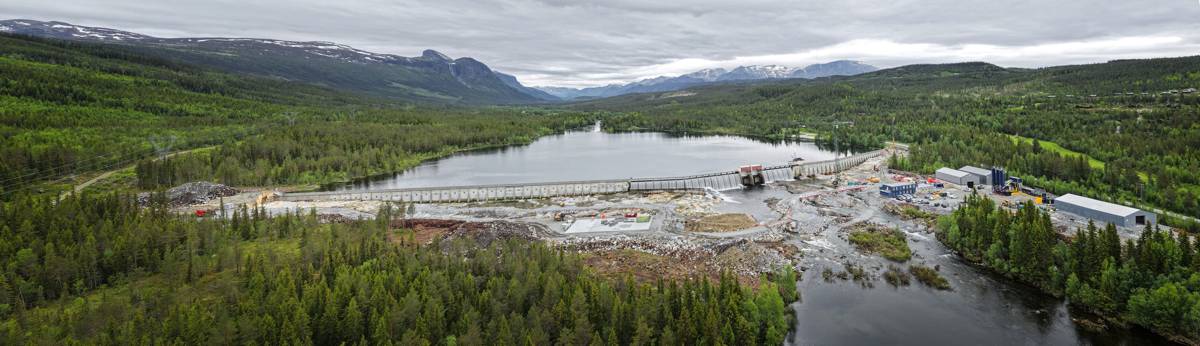
- The machines will operate on Hafslund Kraft’s Hemsil 3 hydropower development, due for completion in 2029.
- Electric articulated haulers will transport material during construction of approximately 20 km of tunnels.
- Tunnel blasting cycles provide regular charging opportunities, making battery-electric haulage commercially practical.
- The deployment represents the first customer application of a serial-produced electric articulated hauler in the 30-tonne class.
Heavy Earthmoving Takes Another Step Towards Electrification
Construction equipment manufacturers have spent several years introducing electric compact excavators, wheel loaders and site equipment, but larger hauling machines have presented a far greater engineering challenge. Articulated haulers operate under heavy loads, travel across rough terrain and often work continuously over extended shifts, placing exceptional demands on battery capacity, durability and charging infrastructure.
That makes the commercial deployment of Volvo CE’s A30 Electric particularly significant. Rather than showcasing a prototype, the company has delivered what it describes as the world’s first serial-produced electric articulated hauler in its size category. The distinction matters because production equipment indicates a level of manufacturing maturity that contractors can begin incorporating into long-term fleet planning rather than treating as experimental technology.
Norway has once again emerged as an early proving ground for construction electrification. Strong environmental policies, abundant renewable electricity and public-sector demand for lower-carbon infrastructure have combined to create conditions where manufacturers can validate new technologies under demanding real-world conditions.
Hydropower Construction Provides an Ideal Operating Environment
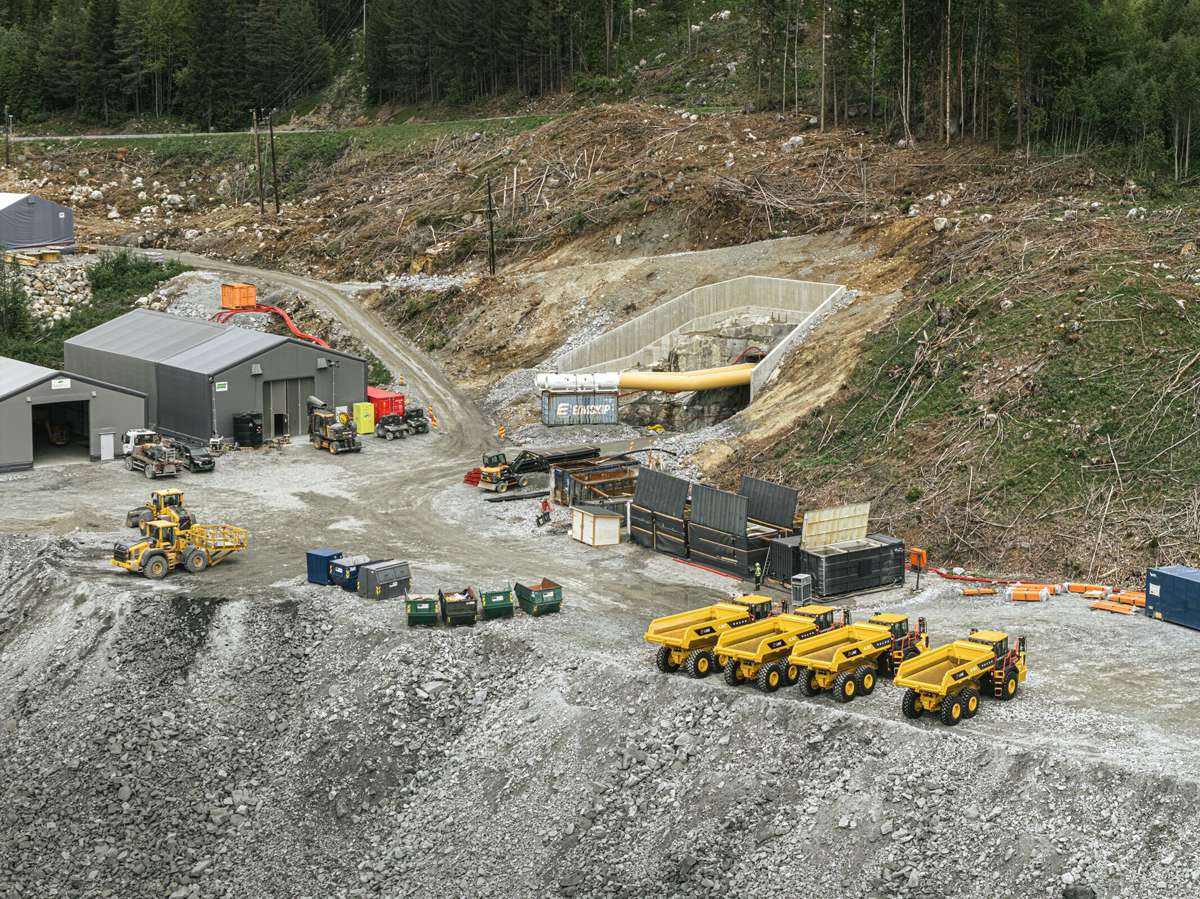
The Hemsil 3 development in Hallingdal offers a working environment unusually well suited to battery-electric hauling equipment. Scheduled for completion in 2029, the project is expected to increase annual electricity generation by around 110 GWh while expanding Norway’s already substantial renewable energy capacity.
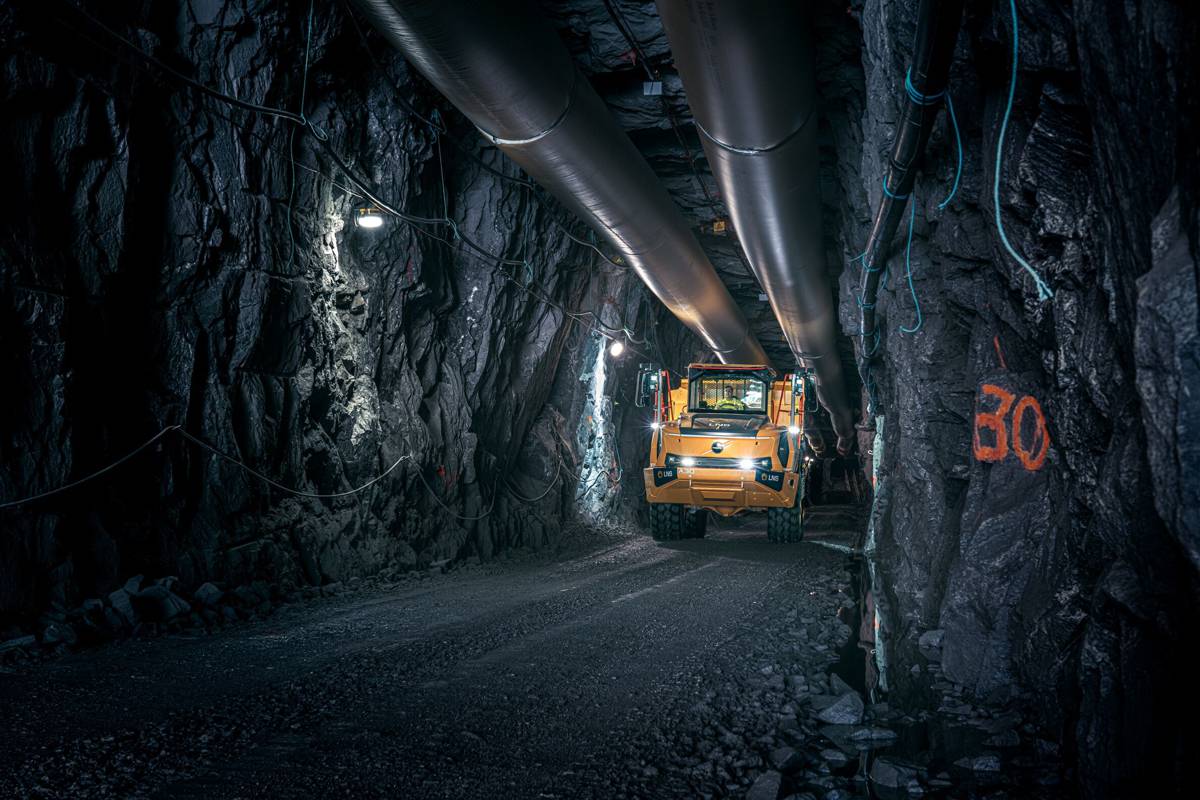
Construction includes approximately 20 kilometres of tunnelling, creating operating conditions where diesel emissions have traditionally required extensive ventilation systems. Removing exhaust gases from enclosed working environments has long represented both an operational cost and a health consideration on underground infrastructure projects.
Battery-electric articulated haulers offer several advantages in this setting. Zero tailpipe emissions improve underground air quality while potentially reducing ventilation requirements. Lower noise levels also improve working conditions for operators and tunnel crews, although charging logistics must be carefully integrated into construction scheduling.
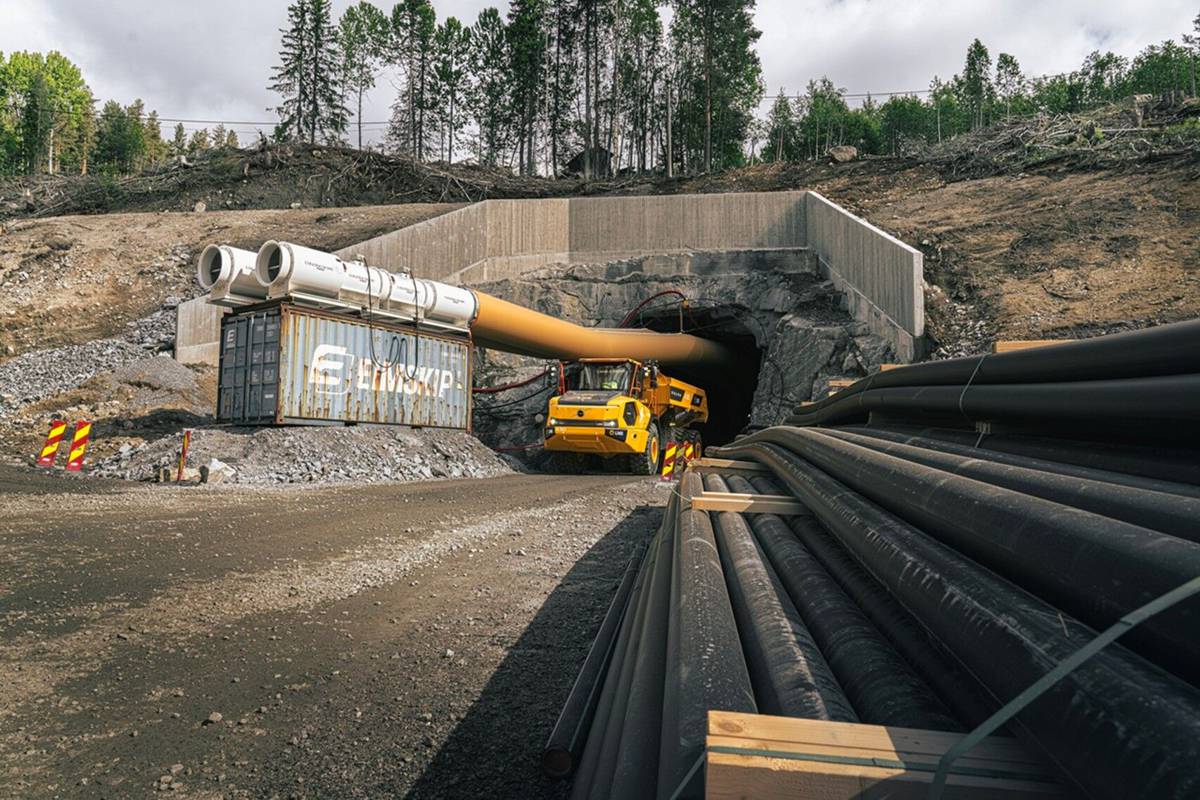
The blasting cycle associated with tunnel excavation provides a practical solution to one of battery-electric equipment’s traditional limitations. During periods when blasting operations temporarily halt hauling activity, machines can recharge before returning to work, allowing charging time to be incorporated into normal construction sequencing rather than creating additional downtime.
Steffen Solstrand Ludvigsen, Project Site Manager at LNS, explained why the application fits the technology particularly well: “We are proud to have secured the first A30 Electric haulers for LNS and the Hemsil 3 project, and we look forward to putting them to work. The project is a strong fit for this type of machine. We’ll be working in tunnels with blasting cycles, which allow time for charging between runs. That makes electric haulers particularly well suited to the work here.”
Clients Are Beginning to Shape Equipment Innovation
One of the more significant aspects of the project extends beyond the equipment itself. Increasingly, infrastructure owners are influencing equipment development through procurement decisions that prioritise lower-emission construction methods.
Rather than waiting for contractors to adopt cleaner equipment independently, project owners are beginning to specify environmental outcomes that encourage investment in emerging technologies. This creates greater confidence for manufacturers considering production volumes while giving contractors stronger commercial justification for purchasing or leasing electric fleets.
Lars Oust, Project Manager at Hafslund Kraft, highlighted this relationship between project owners and equipment innovation: “Hafslund has a strong environmental focus and takes a forward-leaning approach to electrifying construction operations on our projects. To succeed in the green transition, we need to adopt new technology and take the lead as a client, driving demand for this type of equipment. That’s why being the first in the world to use electric haulers is so important to us.”
Across Europe, public procurement policies are increasingly incorporating lifecycle emissions into infrastructure projects, creating market incentives that extend well beyond the immediate construction contract. The Hemsil 3 project illustrates how those policies are beginning to influence equipment purchasing decisions on major civil engineering schemes.
Norway Continues to Lead Zero-Emission Construction
Norway has consistently acted as an early adopter of battery-electric heavy equipment. Extensive hydroelectric generation provides relatively low-carbon electricity, while government incentives and environmental requirements have accelerated investment across transport and construction sectors.
For manufacturers, Norway provides an opportunity to gather operational data under challenging climatic conditions while working alongside contractors already experienced in deploying electric machinery. Lessons learned on projects such as Hemsil 3 are likely to influence wider commercial rollouts across Europe and other developed construction markets.
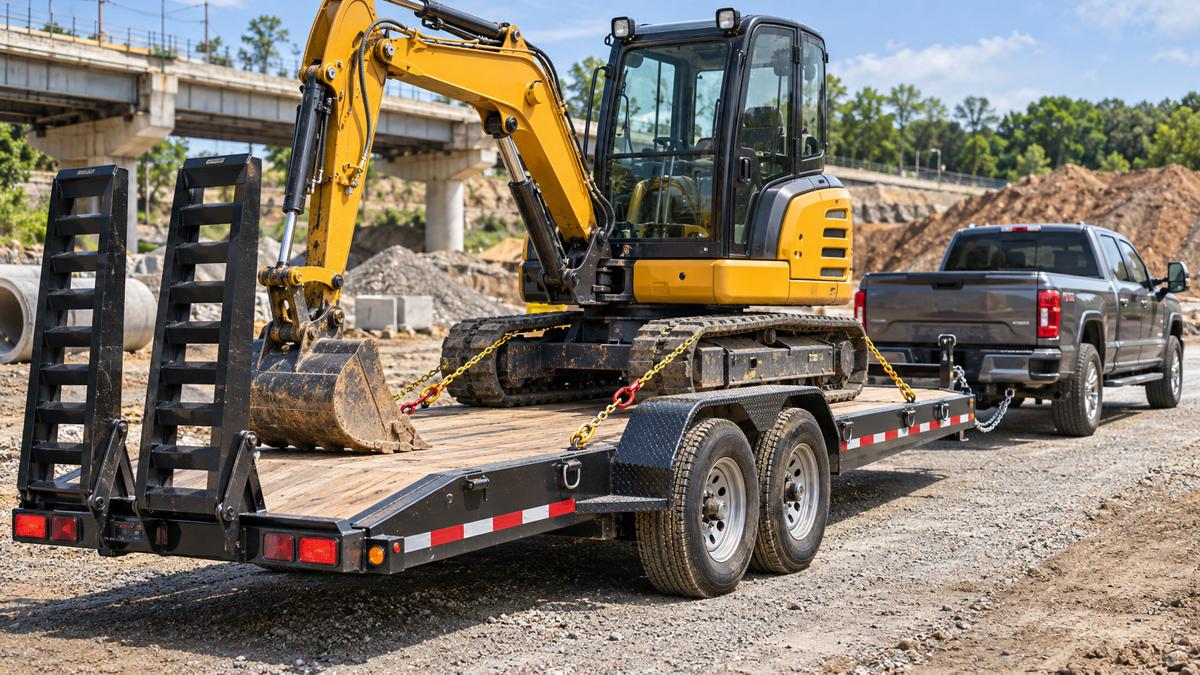
The delivery itself reflected the growing maturity of electric equipment manufacturing. The A30 Electric haulers travelled approximately 700 kilometres from Volvo CE’s production facility in Braås, Sweden, to the Norwegian construction site, transported on Volvo trucks through mountainous terrain before entering service.
Operators Will Ultimately Determine Success
Technical capability alone does not determine whether new equipment succeeds commercially. Operator acceptance remains one of the most important factors influencing adoption, particularly for machines that represent entirely new ways of working.
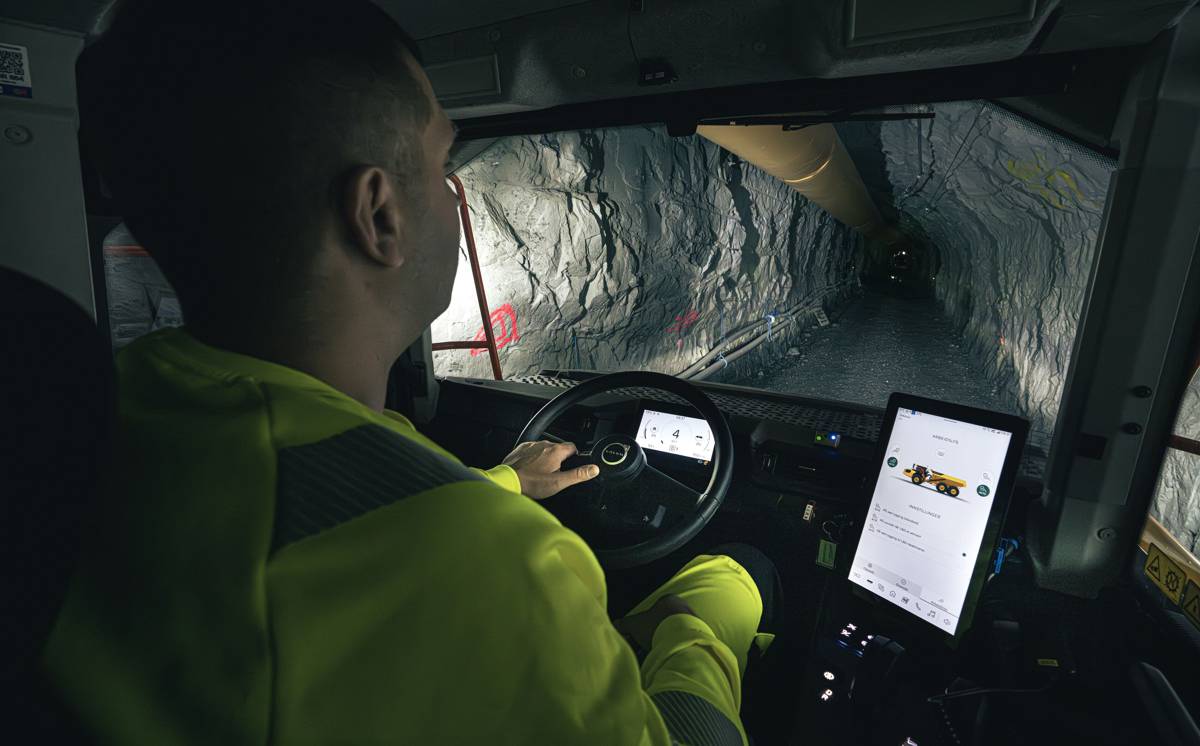
Electric equipment frequently delivers reduced vibration, lower noise levels and smoother power delivery compared with conventional diesel drivetrains. While these characteristics improve operator comfort, they also require familiarisation as crews adapt to different machine behaviour and charging routines.
Przemysla Wessel, one of the first operators to use the A30 Electric on a customer project, described the experience: “It was a really special experience. Being among the first to operate this electric hauler was something new for me. It was smooth, comfortable, and easy to use – I truly enjoyed the first run. This feels like a step into the future.”
Positive operator feedback is particularly valuable during the early commercial deployment of new equipment because workforce acceptance often determines whether contractors expand electric fleets beyond initial demonstration projects.
Building an Electric Support Ecosystem
Successful electrification extends beyond manufacturing machinery. Charging infrastructure, maintenance support, technician training and parts availability all influence whether contractors can integrate electric equipment into mainstream operations.
Volvo CE’s Norwegian dealer, Volvo Maskin AS, will support the fleet throughout the project, highlighting the growing importance of dealer networks as battery-electric equipment becomes more common. Supporting customers now involves electrical expertise alongside traditional mechanical servicing, creating new skills requirements across dealer organisations.
David Kristiansund, Head of Operations at Volvo Maskin AS, noted the long-term demand from Norwegian contractors: “LNS has been pushing for electric haulers for several years, so it’s fantastic to see them now in operation. Together with forward-leaning customers and clients, Norway is leading the way, with strong demand for zero-emission solutions.”
The comment reflects a broader trend emerging across northern Europe, where contractors increasingly see electrification as a commercial necessity rather than simply an environmental objective.
A Practical Model for Future Infrastructure Projects
The Hemsil 3 deployment should not be viewed as evidence that every heavy construction project is immediately ready for battery-electric hauling. Instead, it demonstrates that careful matching of equipment capability with project characteristics can produce commercially viable operating models today.
Projects involving tunnelling, mining, quarrying and other repetitive haul cycles with predictable charging opportunities are likely to become early adopters. As battery technology improves and charging infrastructure expands, those operating envelopes are expected to widen further across mainstream civil engineering.
For manufacturers, contractors and infrastructure owners alike, the significance lies less in the number of machines delivered than in what they represent. Heavy electric earthmoving equipment has moved beyond concept demonstrations and into production deployment on one of Europe’s most demanding infrastructure sectors. That shift suggests the next phase of construction electrification will increasingly focus on identifying where battery-powered heavy equipment can deliver measurable operational and environmental value rather than simply proving that the technology works.