Smarter Workwear Fabrics Redefining Performance On Site
Workwear rarely gets the same level of attention as heavy machinery, digital platforms, or infrastructure finance, yet it sits right at the intersection of productivity, safety, and workforce wellbeing. Across construction sites, logistics hubs, manufacturing plants and transport networks, the performance of garments can influence fatigue levels, mobility, and even long-term health outcomes. With tightening labour markets and increasing scrutiny on worker welfare, the next generation of technical textiles is quietly becoming a strategic asset rather than a basic necessity.
At the centre of this shift is NILIT, which is bringing its latest workwear fabric innovations to Techtextil Frankfurt. Drawing on decades of experience in athleticwear and performance fashion, the company is applying advanced fibre engineering to industrial clothing, an area that has traditionally prioritised durability over comfort. That balance is now changing, and the implications for construction and infrastructure sectors are far from trivial.
Briefing
- Technical workwear is evolving into a performance-driven category aligned with productivity and workforce wellbeing
- NILIT is transferring athleticwear fabric technologies into industrial applications
- New materials focus on thermal regulation, moisture control, durability, and ergonomic support
- Sustainability and circularity are becoming central to textile innovation and procurement decisions
- Techtextil Frankfurt serves as a key global platform for advancing industrial textile innovation
Workwear Moves From Protection To Performance
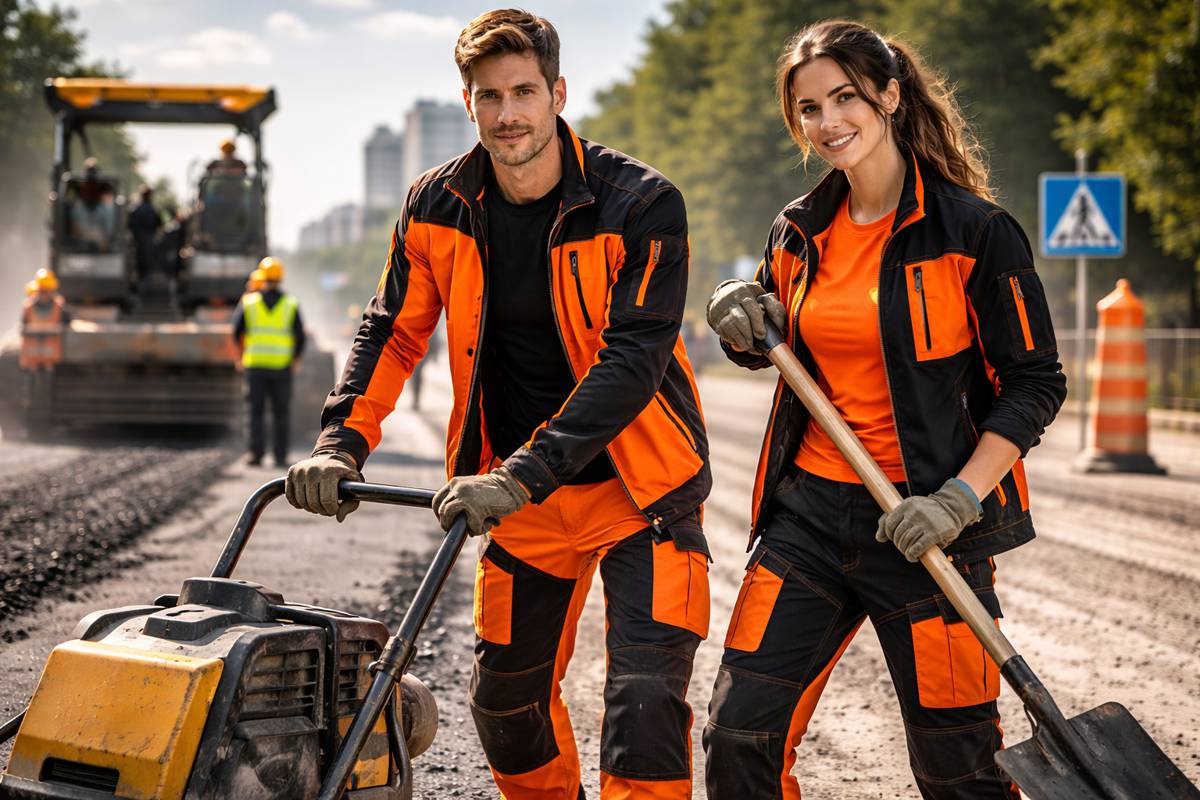
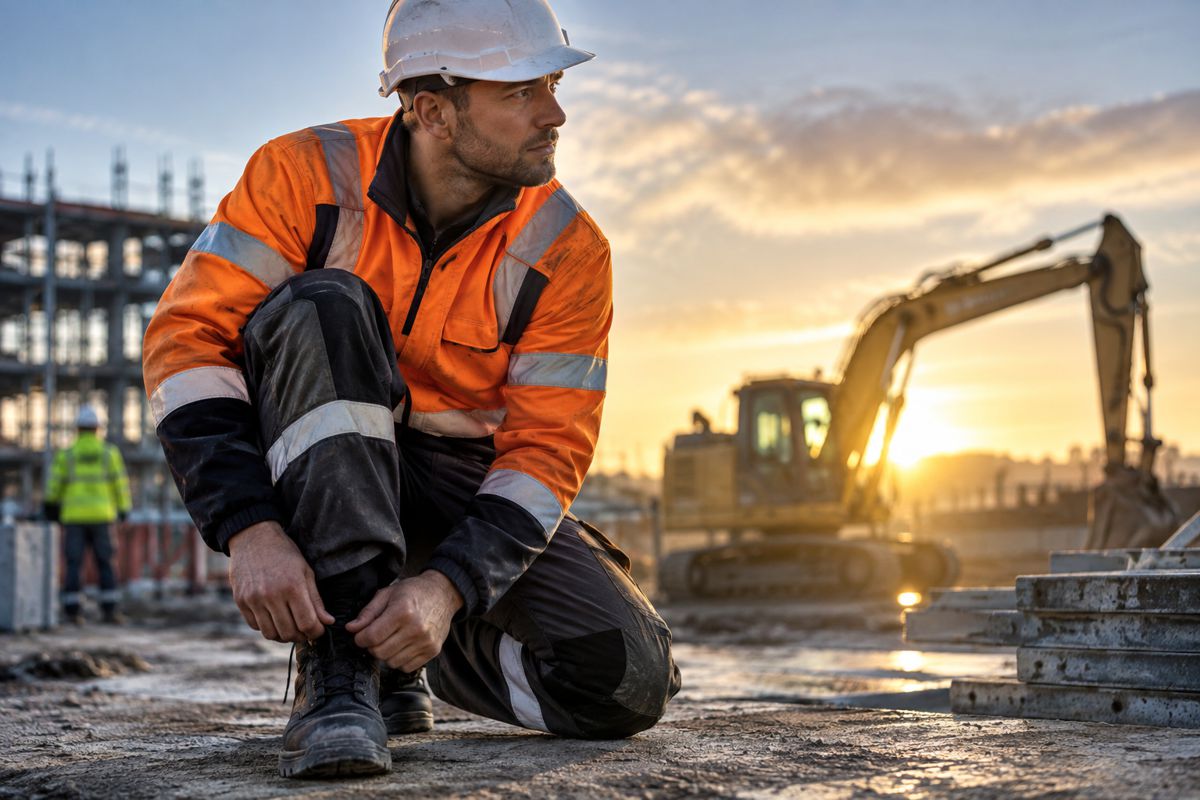
For decades, workwear has been defined by its ability to withstand harsh environments. Reinforced stitching, abrasion resistance, and weather protection formed the backbone of garment design. While these remain essential, they no longer tell the whole story. Employers are increasingly aware that clothing affects how workers feel and perform over long shifts, particularly in physically demanding roles such as road construction, heavy civil engineering, and industrial maintenance.
Research across occupational health fields has shown that thermal stress, moisture build-up, and restricted movement can lead to reduced concentration and increased risk of accidents. In sectors already grappling with safety challenges, even marginal gains in comfort can translate into measurable improvements in productivity and risk reduction. That’s where advanced textile engineering enters the picture, blending durability with features once reserved for elite sportswear.
NILIT’s approach reflects this broader shift. By integrating performance characteristics such as moisture management and muscle support into workwear fabrics, the company is responding to a market that now values human-centric design as much as mechanical resilience. It signals a move away from the idea that protective clothing must be heavy, rigid, or uncomfortable to be effective.
Translating Athletic Innovation Into Industrial Use
The transfer of technology from sportswear to workwear may seem straightforward, but it requires careful adaptation. Fabrics designed for athletes typically prioritise flexibility and lightweight construction, whereas industrial garments must endure abrasion, chemical exposure, and repeated laundering. Bridging these requirements demands both material innovation and manufacturing precision.
NILIT’s SENSIL® branded fabrics aim to address this gap by combining Nylon 6.6 fibre strength with engineered functional properties. Originally developed for applications such as activewear and outdoor clothing, these fibres are now being reconfigured to meet the demands of sectors like construction and manufacturing. The result is a fabric system that offers durability alongside features such as temperature regulation and odour control.
This cross-sector innovation reflects a wider trend within the textile industry. As performance fabrics become more sophisticated, boundaries between fashion, sport, and industrial use are blurring. Mills and manufacturers are increasingly collaborating across sectors, sharing technologies and production techniques that accelerate innovation cycles. The presence of multiple mill partners at Techtextil Frankfurt highlights how integrated this ecosystem has become.
Engineering Comfort Without Compromising Durability
The technical attributes of modern workwear fabrics are no longer limited to simple metrics like tensile strength. Instead, they encompass a range of performance characteristics designed to enhance the wearer’s physical experience throughout the working day. These include thermal regulation to maintain a stable body temperature, moisture-wicking capabilities to reduce sweat accumulation, and odour management technologies that improve hygiene in demanding environments.
Another emerging area is muscle support. Compression-based textile structures, commonly used in sportswear, are being adapted for industrial use to reduce fatigue during repetitive tasks. For workers engaged in lifting, climbing, or extended periods of standing, this can contribute to improved endurance and reduced strain over time. While not a replacement for ergonomic design or proper training, it represents an additional layer of support that complements broader safety strategies.
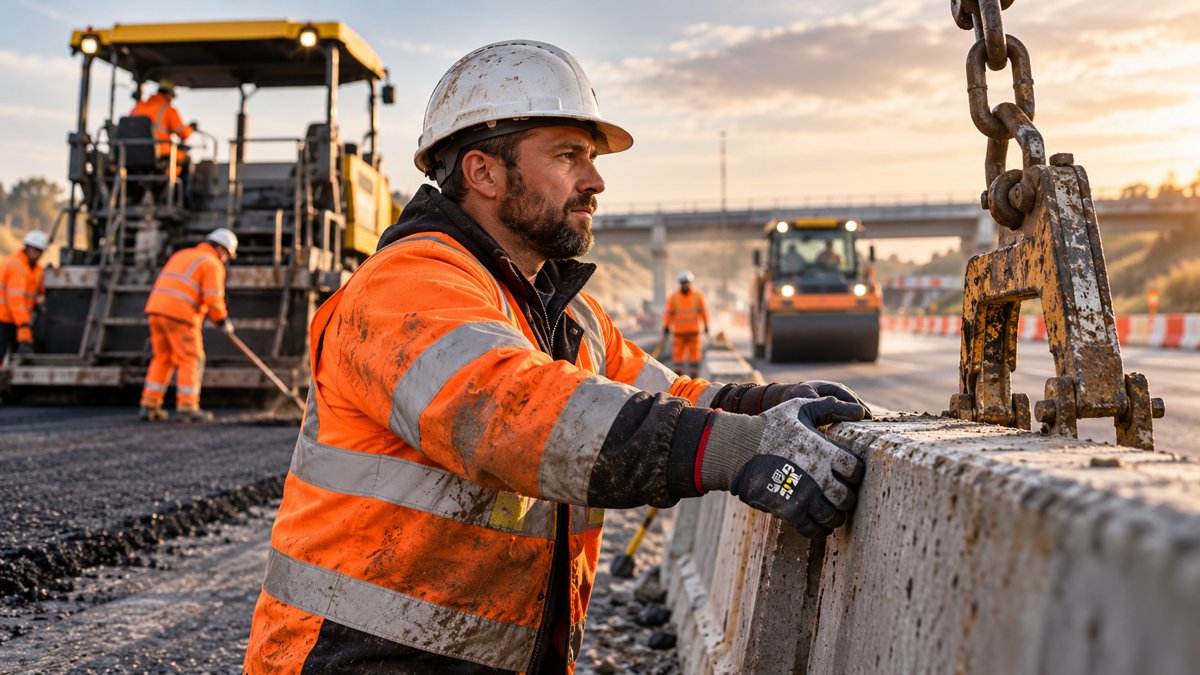
Durability remains a non-negotiable requirement, particularly in construction and infrastructure sectors where garments are exposed to rough surfaces, tools, and environmental hazards. The challenge lies in delivering these advanced features without compromising resistance to tearing, abrasion, or degradation. By leveraging Nylon 6.6 fibres, known for their strength and resilience, NILIT aims to maintain this balance while introducing new functional benefits.
Sustainability Pressures Reshape Textile Development
Sustainability is no longer a peripheral concern in industrial textiles. Regulatory frameworks across Europe and beyond are pushing manufacturers to address issues such as resource efficiency, recyclability, and lifecycle impact. For companies operating in construction and infrastructure, procurement policies are increasingly influenced by environmental criteria, including the sustainability of workwear supplied to employees.
NILIT’s SENSIL® range positions itself within this evolving landscape by emphasising responsible manufacturing and circularity. While the technical details of these processes vary, the overarching goal is to reduce environmental impact without sacrificing performance. This aligns with broader industry efforts to develop fibres that can be recycled or produced using lower-emission methods.
The importance of sustainability in workwear extends beyond compliance. It also reflects changing expectations among workers and clients alike. Companies are under growing pressure to demonstrate environmental responsibility across their operations, including the clothing worn on site. As a result, textile innovation is increasingly tied to corporate sustainability strategies and reporting requirements.
Techtextil Frankfurt As A Global Innovation Platform
The role of Techtextil Frankfurt in shaping the future of industrial textiles cannot be overstated. As one of the world’s leading trade fairs for technical textiles and nonwovens, it brings together manufacturers, suppliers, and end-users from across the globe. For companies like NILIT, it provides a platform to showcase new materials while engaging directly with industry stakeholders.
The presence of partner mills such as Concordia, Getzner, Edelweiss, Alto Milanese, FOV, IBQ, and Sofileta underscores the collaborative nature of textile innovation. These partnerships are essential for translating fibre technologies into finished fabrics and garments that meet specific industry requirements. By presenting their work collectively, these companies highlight the interconnected value chain that underpins modern textile development.
Trade events like Techtextil also play a critical role in knowledge exchange. As industries grapple with challenges ranging from sustainability to workforce wellbeing, forums for sharing ideas and solutions become increasingly valuable. The exhibition floor serves not just as a marketplace but as a meeting point for innovation, where concepts are tested, refined, and brought to market.
Expanding Applications Across Industrial Sectors
While construction remains a key focus, the potential applications for advanced workwear fabrics extend across a wide range of industries. Corporate uniforming, hospitality, food service, and agriculture all present unique challenges that can benefit from improved textile performance. First responders and military personnel, in particular, require garments that combine durability with comfort under extreme conditions.
The versatility of SENSIL® fabrics reflects this diversity. By offering a range of functional properties, they can be tailored to specific use cases, from lightweight uniforms for service industries to heavy-duty garments for industrial environments. This adaptability is crucial in a global market where requirements vary significantly between regions and sectors.
For infrastructure projects, where workforces are often large and geographically dispersed, the ability to standardise high-performance workwear can deliver operational benefits. Improved comfort and durability reduce the frequency of garment replacement, while enhanced performance can contribute to better workforce efficiency. Over time, these factors can influence project costs and outcomes in subtle but meaningful ways.
A Quiet Shift With Measurable Impact
The evolution of workwear may not attract the same headlines as major infrastructure investments or technological breakthroughs, yet its impact is tangible. As construction and industrial sectors continue to modernise, attention is turning to every aspect of the working environment, including the clothing worn on site.
By bringing advanced textile technologies into the workwear space, companies like NILIT are contributing to a broader transformation. It is a shift that recognises the value of human performance alongside mechanical efficiency, aligning with a more holistic view of productivity and safety.
The developments showcased at Techtextil Frankfurt suggest that this trend is gaining momentum. As innovation continues to accelerate, workwear is set to play an increasingly important role in shaping the future of construction and infrastructure industries.