Machined Steel Components Inside Every Asphalt Paver
An asphalt paver is a combination of two primary units: the material moving unit (tractor) and the compaction and shaping unit (screed). All mechanical elements in this system are made from alloy steel or stainless steel. They are constructed for high load, heat, and constant abrasion during paving processes.
Not only does it require material strength, but it also requires highly accurate manufacturing. CNC machining parts are essential for maintaining accurate tolerances, alignment, and consistent sizing between parts. These minor variations can result in irregular material flow, wear, and poor road surface finish appearance.
How an Asphalt Paver Works?
Material Loading
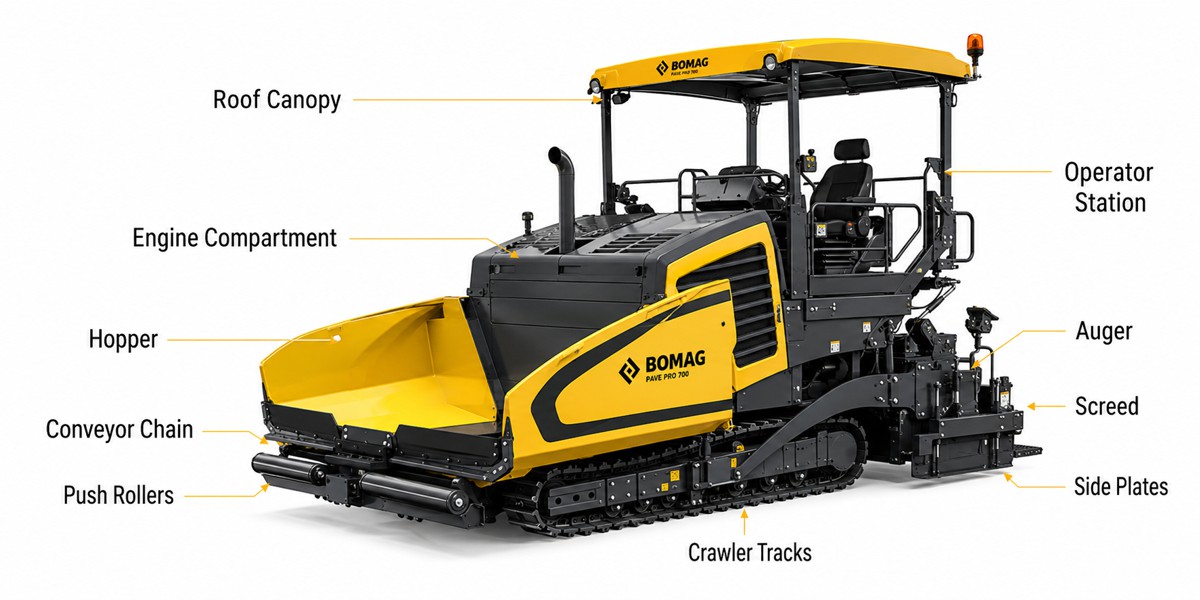
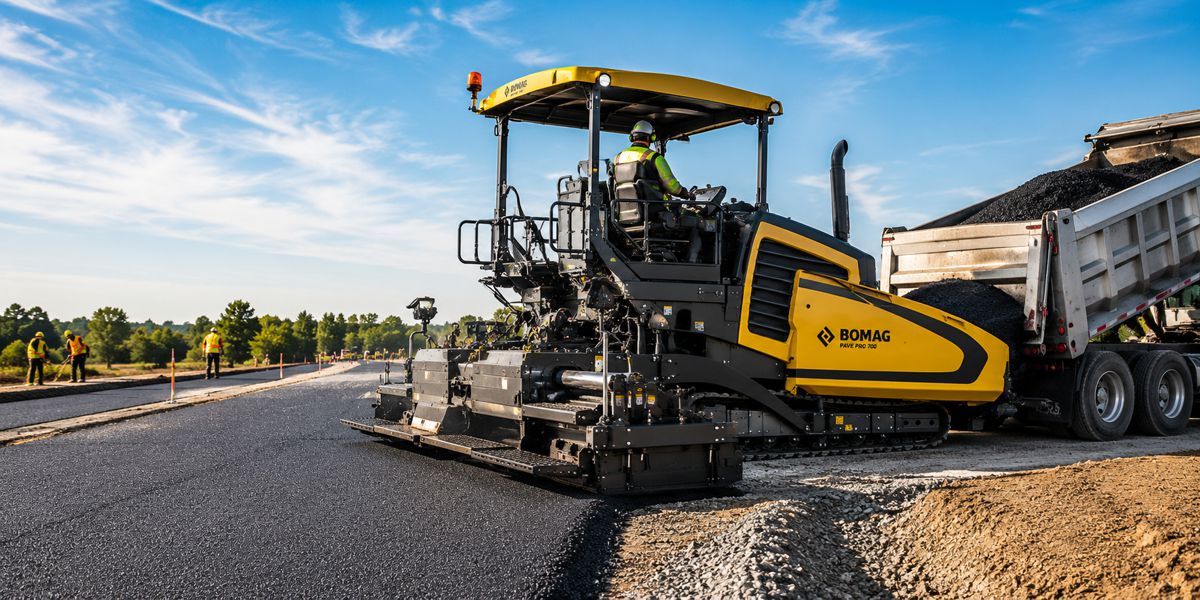
Hot-mix asphalt is placed in the front hopper of the paver with the help of a dump truck at the start of the paving process. The material is temporarily stored in the hopper and is continuously provided during the paving process.
Material Transfer
The slat conveyor transports the asphalt from the hopper to the back of the machine below the chassis. The constant material flow is essential as delays can impact paving consistency and machine performance.
Material Distribution
The auger assembly distributes the asphalt evenly throughout the entire paver width before it gets to the screed. Proper distribution will provide uniform coverage and avoid low and high spots of the asphalt mat.
Shaping and Pre-Compaction
Screed plate levels and forms the asphalt to the required thickness and surface finish. It also provides initial compaction to help achieve a smooth and consistent pavement surface before final compaction.
Surface Quality Control
A consistent supply of material in front of a screed is essential to paving accuracy. Any variation in the material supply speed can change the angle of the screed. It results in surface dumps in the road that can be seen in the finished road.
Key Large CNC-Machined Steel Components
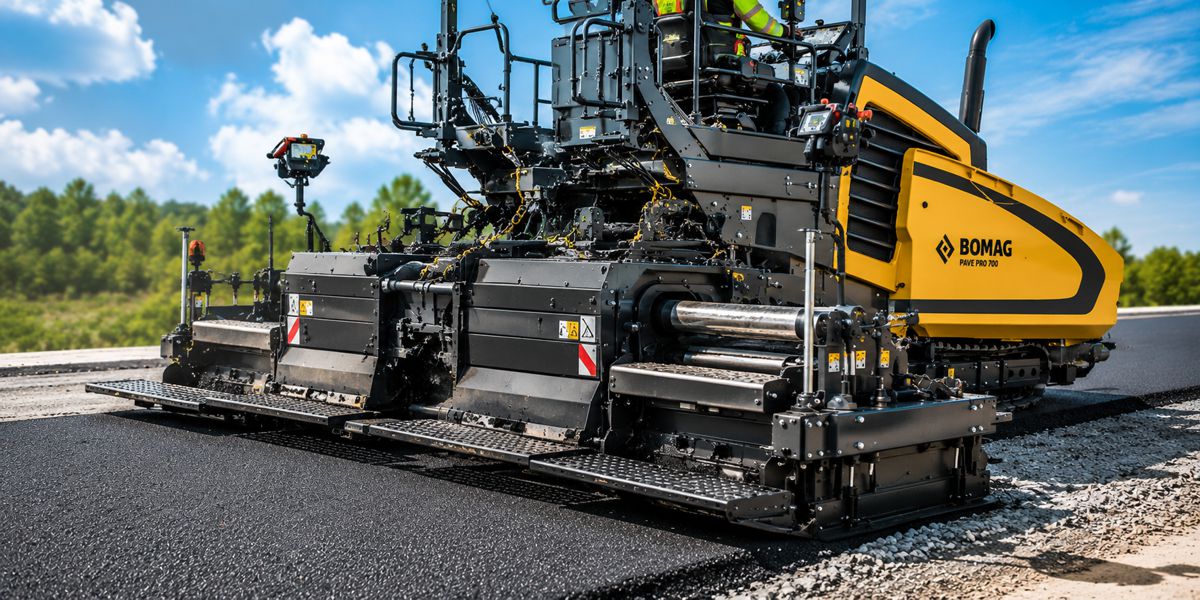
Most parts of the paver are made from steel and are designed to handle abrasive operating conditions, high loads, and heat. Large part CNC machining guarantees accurate dimensions and positioning to ensure a smooth flow of material, stable operation, and uniform paving quality.
Hopper and Conveyor System
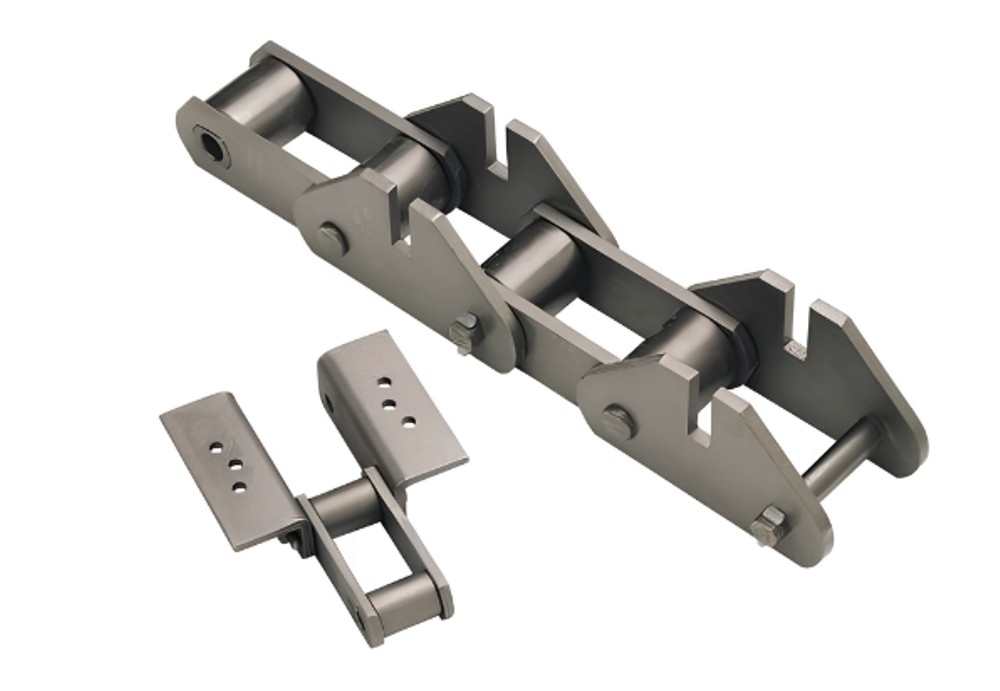
The hopper and conveyor system receives and transports Hot-Mix Asphalt to the rear of the paver, where it is spread out. The material from dump trucks is placed into the hopper and then carried below the chassis to the auger assembly by conveyors.
Often, these are manufactured from materials that resist abrasion, such as Hardox 400 or Hardox 500. Being exposed to a lot of heat and constantly being exposed to the coarse aggregate. Conveyor floor plates should not wear or thermo-distort under continuous use.
Common issues involve misaligned sprockets, damaged flight bars, and warped plates. It can cause flow issues and cause the feed rate to be inconsistent. CNC machining reduces the possibilities of such problems by keeping material flatness, alignment, and dimensional accuracy at their proper levels. This results in smooth and steady material movement.
Auger Assembly
The auger assembly is used to level and distribute hot-mix asphalt evenly within the paving width, before application to the screed. To keep the asphalt layer consistent, a uniform distribution is required.
An auger flight is usually constructed of Ni-Hard or high-chromium castings that are designed to provide high wear resistance. Shaft journals, bore diameters, and other key dimensions are CNC machined for fit and alignment with the drive system.
A fitting or dimension flaw may result in vibration and uneven load applications. In the process of CNC machining, shaft and gearbox alignment is guaranteed. It ensures that the rotation of the auger is smooth and the paving is smooth.
Screed Plate
The screed plate is the most important part of the paving system as it shapes and pre-compacts the asphalt mat. It directly affects pavement thickness, surface profile, and initial density.
The Screed Plates are made from high-hardness steel, usually 450-500 Brinell, suitable for abrasion and thermal stress. Flatness plays a very important part, as minor changes will be transferred directly to the final road surface.
CNC machining prevents flat mounting surfaces and positioning issues. It helps to ensure uniform contact of the screed with the asphalt surface and consistent surface quality.
Drive and Transmission Components
Today’s asphalt pavers are built with hydrostatic drive systems to give smooth and even machine movement and speed. Any change in the movement can affect the screed and cause surface flaws.
Within the drive system, precision bores, flat sealing surfaces, and aligned shafts are all important for manufacturing requirements and are achievable through CNC machining. Correct machining ensures there is no leakage, no vibration, and no uneven loading and transmission of power. This precision helps to deliver consistent paving and lowers mechanical wear in the long term.
Why CNC Machining Is the Standard?
Asphalt paver components are continuously exposed to mechanical loading, abrasion, and heat in a severe environment. Hot-mix asphalt is exposed to high temperatures, and constant wear of the parts occurs during the use of aggregates. Meanwhile, it should work smoothly at very low speeds, even with no vibration, which sets a high accuracy requirement for components.
Under such circumstances, the standard manufacturing method is CNC machining. It provides reliability in tight tolerances, continuous production, and the same geometric shape of part in multiple units. Such consistency is vital to ensure that interacting parts stay aligned and that replacement parts fit without adjustment.
Very small dimensional changes can directly affect their performance. A slight misalignment of a bore or mounting surface can include vibration, affect material flow, or cause unbalanced movement. These minor mechanical differences directly impact the final product in paving applications and can manifest as paving defects.
Common Failure Points and How Precision Machining Prevents Them
Auger Wear and Uneven Surface
Auger flights are continually exposed to abrasion from hot aggregate, and this erodes their flight’s profile over time. The geometry changes, creating an uneven distribution of materials and streaks or ridges in the asphalt mat.
By precision machining, shafts are aligned properly and positioned for the flight in the same manner, allowing uniform material flow and preventing uneven surface formation.
Conveyor Issues and Irregular Flow
Asphalt doesn’t flow well across the conveyor system if the floor plates are warped, the flight bars have worn out, or the sprockets are misaligned. Such problems result in irregular feed rates and irregular material delivery to the screed.
CNC machining prevents this by maintaining flat surfaces, correct component height, and proper alignment, ensuring smooth and consistent material flow.
Screed Wear and Surface Defects
The screed plate is used as a forming tool to create the surface of the asphalt. Thus, when worn or deformed, it directly impacts the quality of the road. Thickening and surface faults become noticeable, particularly around the back edge, due to uneven wear.
The CNC-machined mounting surfaces and the correct positioning guarantee flatness and uniform contact with the asphalt during operation.
Bearing Failures and Contamination
Bearings used in paver systems are exposed to heavy loads and are very sensitive to fine aggregate and debris contamination. If the seal grooves are not properly machined or the housing is not aligned, the particles can creep in and cause the seal to fail/wear quickly.
Precision machining guarantees correct sealing and fits, correct alignment, protects internal components, and prolongs service life.
Role of CNC Machining in Preventing Failures
To overcome these failure areas, CNC machining can guarantee fit, load distribution, and consistent geometry in all parts.
This precision minimizes the stress concentration, helps avoid misalignment, and enhances overall durability. Components last longer, operate more reliably, and perform consistently in paving.
Conclusion
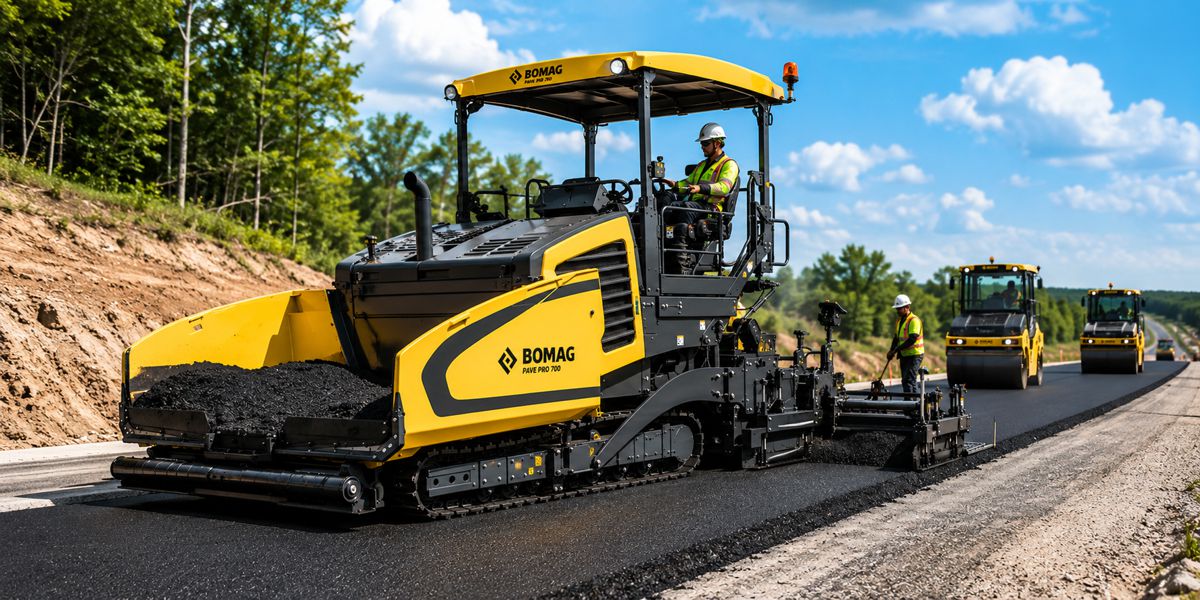
Steel offers the strength to perform the tasks that asphalt pavers demand in high-load, high-heat, and abrasive applications. CNC machining can provide the precision necessary to ensure these components function within exact tolerances.
Together, strength and precision produce uniform material flow, stable machine operation, and a uniform surface of the asphalt. Performance is highly impacted by even slight tolerances and is evident in the road surface. To ensure consistent paving quality, it is, therefore, essential to maintain accurate machining tolerances.