What Makes a Semi Truck Crash Catastrophic
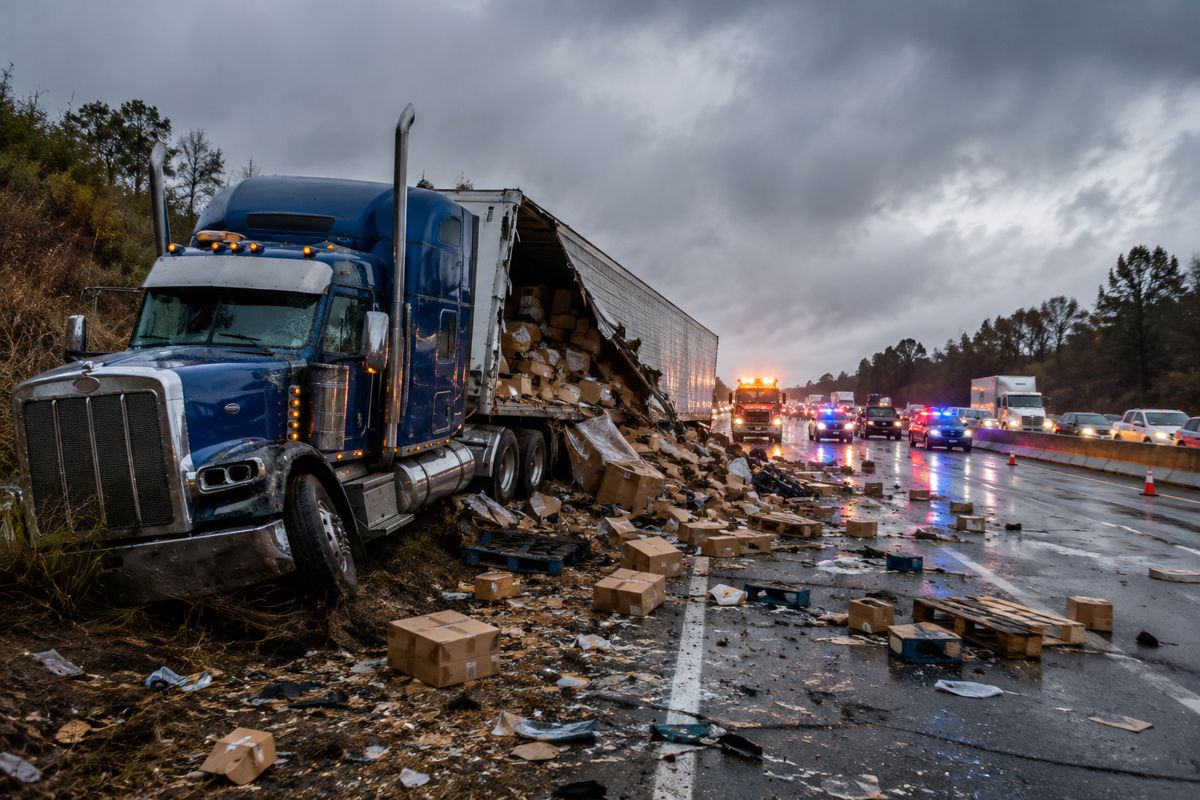
Emergency crews respond to a semi-truck incident on a freight corridor, where severity gets measured in closures as well as injuries.
A collision involving a fully loaded semi truck is rarely a scaled-up version of a passenger car crash. When the impact leaves someone permanently disabled or dead, or turns a freight corridor into a fire and containment scene, the incident gets a different label: catastrophic.
The classification does real work. Emergency response and claims handling both change once it applies, and for a family, it marks the point where a traffic incident becomes a permanent condition that must be managed for the rest of someone’s life.
Severity of the Outcome Defines the Category
What “catastrophic” means in plain English
A catastrophic semi truck accident is defined by what does not heal. The harm is permanent: impairment that does not resolve, or care that does not end. Death sits at the far end of the same scale. Claims adjusters and trauma clinicians reach for the same word, and for the same reason, because severity changes how the event is handled from the first hour. One team moves from acute treatment toward life-care planning. Another starts assessing what the load did to the structure it hit.
No single number flips a crash into that column, and no dollar figure does either. Permanence does it. That is why the question of what makes a Fort Worth commercial truck accident case catastrophic is assessed with roughly the same care a trauma team applies to a discharge plan: both are judging what the injury leaves behind rather than how loud the impact was.
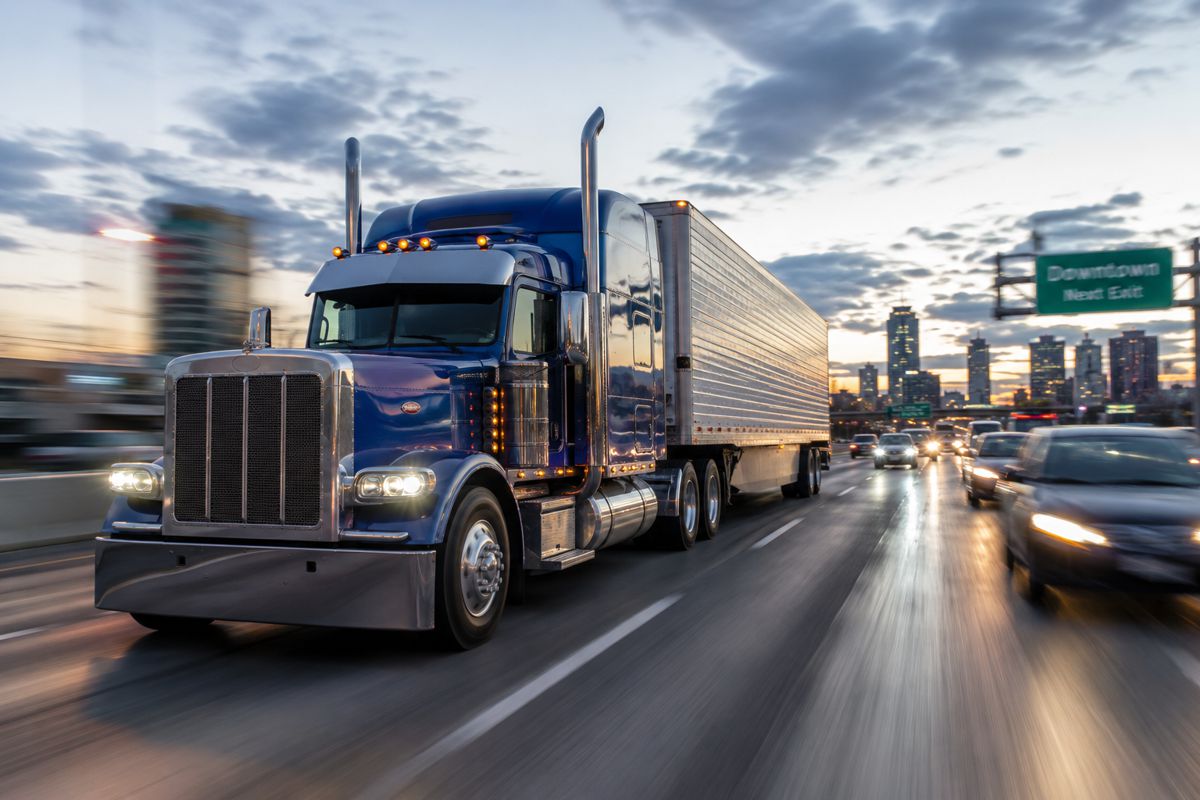
Why semi trucks produce higher-impact collisions
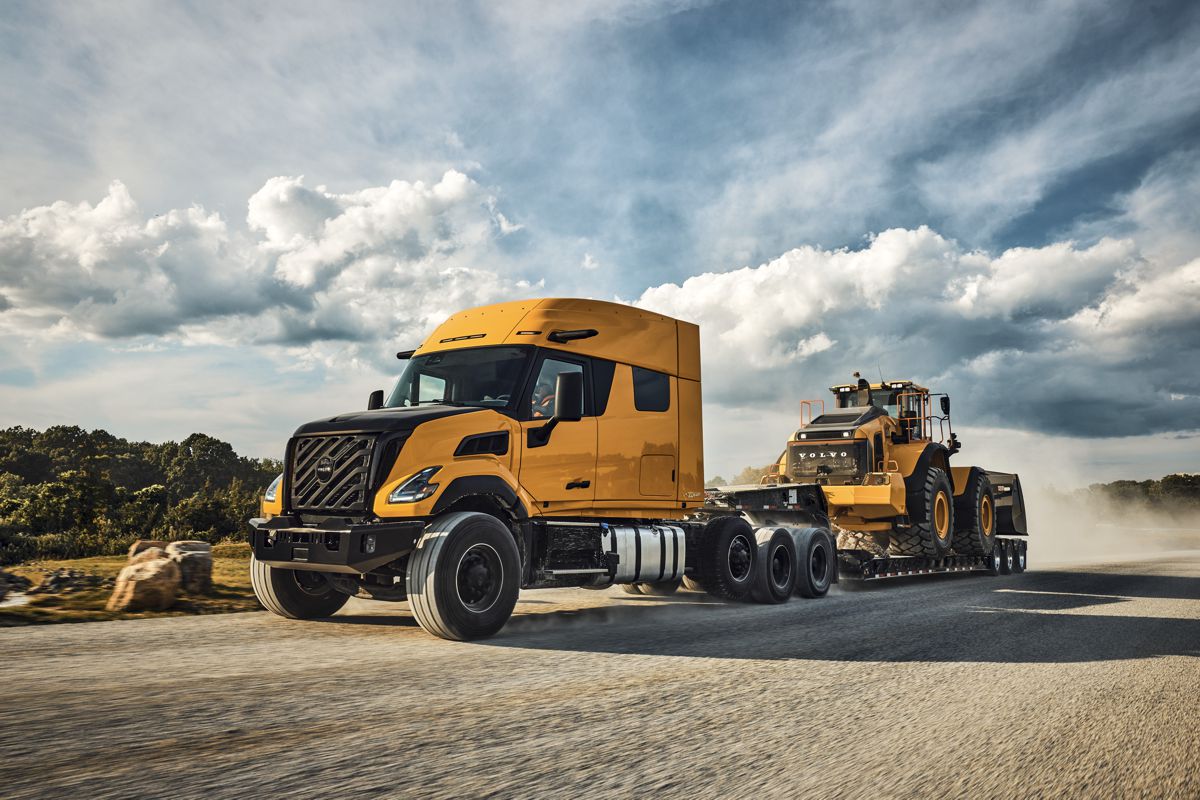
Momentum also explains the failure modes that follow, from underride at the front of a trailer to jackknifing when the trailer outruns the tractor. An 80,000-pound vehicle meeting a passenger car does the rest.
The Injuries That Usually Make a Truck Crash Catastrophic
Traumatic brain and spinal cord injuries
A traumatic brain injury affects memory, speech, and concentration, and it often takes independence with it. A spinal cord injury means neurological damage that can leave partial or complete paralysis. Rehabilitation runs long. Function does not always return, and medical needs can continue, which is why survivors frequently cannot return to the work they did before.
Burn and crush injuries
Some of the worst harm arrives after the impact. A ruptured fuel system can turn a survivable wreck into a fire scene, and severe cabin intrusion can pin occupants where crews cannot reach them quickly. Ejection removes what little protection the vehicle offered. Limb loss and severe burns can result from those conditions.
Fatalities and wrongful death
A fatality is the clearest catastrophic outcome, and it moves the matter onto a specialized wrongful death investigation track.
Death is not the only threshold, though. A survivor facing permanent paralysis or severe cognitive loss is living with consequences on the same scale, measured in decades rather than weeks.
Why These Crashes Disrupt More Than the People Involved
Corridor closures and hazmat response
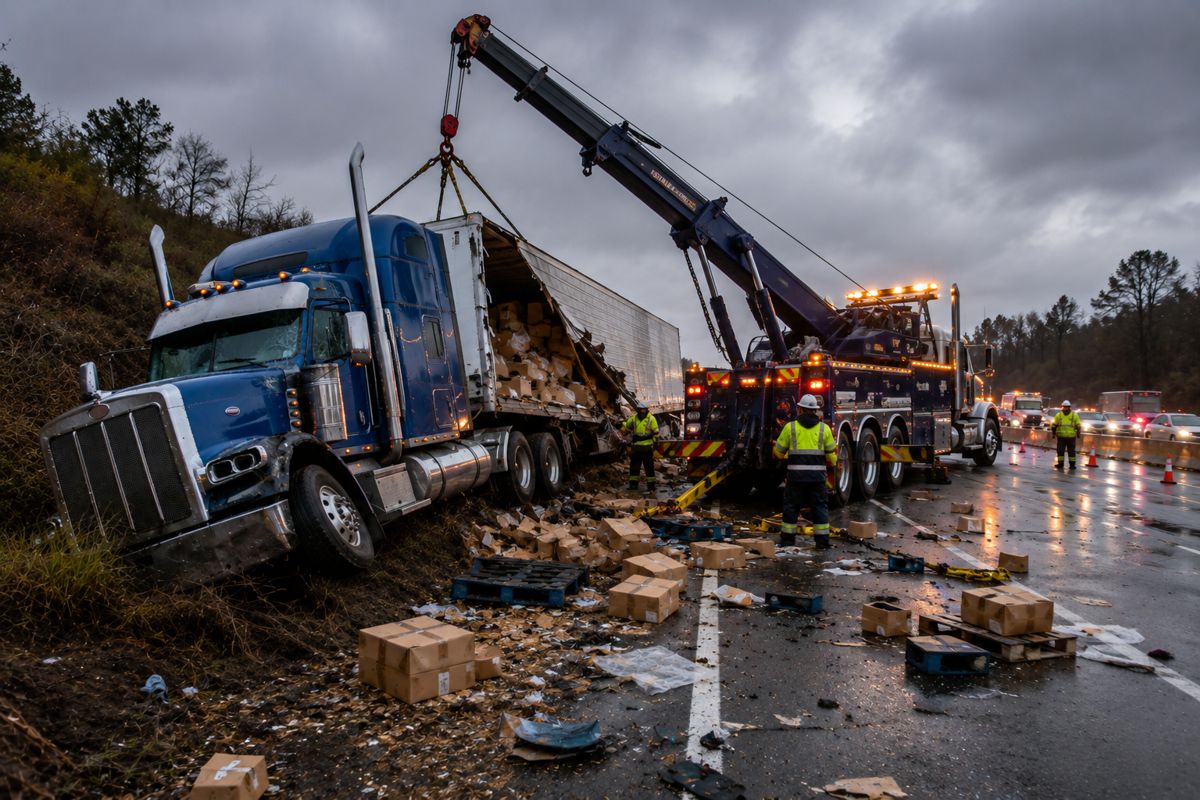
Catastrophic truck crashes become network events. Multiple lanes close at once, and recovery cannot start until equipment heavy enough to lift a loaded trailer is on scene. Containment crews often arrive before the tow does.
Texas supplies the examples. A semi collision spilled diesel and shut a highway in South Texas. In Dallas, a punctured saddle tank leaked fuel and closed U.S. 175 until a hazmat response cleared it. Two semis near the Progreso international bridge put diesel on the road surface, and a hazardous materials spill closed part of Highway 152 west of Mobeetie. An 18-wheeler material spill forced a partial closure of Highway 90 near San Antonio. In Sherman, an 18-wheeler fire burned on U.S. 75. Pavement damage and destroyed barriers add public-sector cost on top of the detours.
The state keeps showing up for a reason. It carries national freight corridors alongside heavy energy and industrial hauling, and long-distance runs often end in dense urban delivery zones. More heavy vehicles, more exposure.
What Makes These Cases More Complex to Investigate
Black-box data and electronic driver logs
Technical evidence carries the weight here. An Event Data Recorder, commonly called black box data, may record pre-crash vehicle dynamics and driver inputs.
The recorder can place a late brake application in the timeline, which is why preserving it becomes urgent long before anyone agrees on fault.
Cargo loading and mechanical failure
Driver error is not the whole story. Investigators look at whether an overloaded or unevenly distributed trailer changed how the vehicle behaved, and whether the cargo was secured.
Maintenance records get the same treatment, because a deferred brake repair or a tire past its service life shows up in the file before it shows up on the road.
| Factor | Ordinary Crash Indicator | Catastrophic Crash Indicator | Why It Matters |
|---|---|---|---|
| Injury Severity | Bruising, minor soft tissue, short recovery | Paralysis, traumatic brain injury, death | Redirects medical planning and claims handling toward lifelong care or legal defense. |
| Vehicle Damage | Repairable body damage, operational drivability | Cab crush, trailer rupture, total loss | Points to extreme kinetic impact, potential structural failure, or thermal hazards. |
| Road Impact | Brief single-lane blockage | Multi-hour closure with hazmat cleanup | Multiplies public infrastructure costs, triggers detours, and impacts regional logistics networks. |
| Evidence Needs | Standard police report, basic driver statements | Telematics/EDR black-box data, carrier maintenance records | Transforms the investigation into a technical, multi-party forensic audit. |
Multiple parties may share responsibility
When a commercial transport system fails, responsibility rarely sits with one person.
The investigation usually looks at:
- the truck driver, where fatigue, distraction, or speed contributed
- hiring and supervision at the motor carrier, plus the routing and maintenance decisions behind the trip
- a cargo-loading company, if weight distribution or securement was unsafe
- whoever held the maintenance contract, when critical systems went uninspected
- a component manufacturer, after a coupling, brake or steering failure
Chain-of-failure analysis on that scale is routine in catastrophic semi crashes and unusual in passenger-car collisions.
Why the Label Matters to Families and Fleets
For families
For a family, the label translates into a budget: home modifications and years of paid care, set against earning capacity that will not recover.
Independence is the quieter loss. Where the crash is fatal, surviving dependents lose household income while they are still in the middle of grieving.
For fleets and insurers
For motor carriers and underwriting partners, the “catastrophic” designation immediately shifts operational priorities from standard claims adjusting to crisis management and severe liability exposure.
- Immediate Operational Impact: The fleet faces asset loss, driver out-of-service status, supply chain delays, and potential emergency response expenses related to cargo recovery and environmental remediation.
- Legal & Financial Exposure: Catastrophic claims rapidly exhaust primary insurance limits and trigger excess/umbrella coverage layers. They also expose carriers to complex litigation involving corporate liability—such as negligent hiring, inadequate maintenance, or FMCSA compliance violations—which significantly increases the risk of high-value “nuclear” verdicts.
- Long-Term Risk Profile: Beyond immediate payout exposure, a single catastrophic loss permanently alters a fleet’s Safety Measurement System (SMS) scores, elevates future insurance premiums, and can disrupt commercial vendor contracts.
Why “Catastrophic” Is More Than a Legal Label
Catastrophic is a descriptive term before it is a legal one. It marks the crashes where the harm outlasts the cleanup, and the investigation outlasts the police file.
For anyone planning a corridor or running a fleet, that is the distinction worth keeping straight: the severe crash you manage on the day, and the catastrophic one you are still answering questions about years later.