






Uzbekistan’s New Sanitary Landfill Shows How Waste Infrastructure Can Evolve
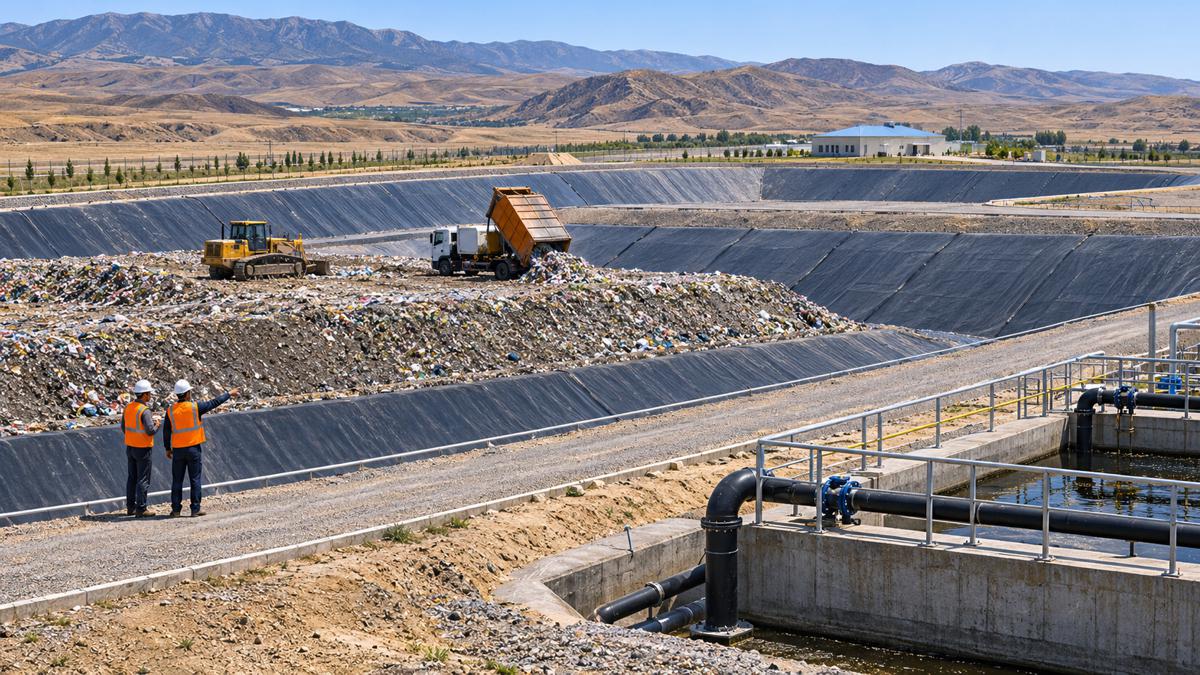
Uzbekistan has commissioned a new engineered sanitary landfill outside Tashkent, introducing phased disposal cells, leachate recirculation and biological waste stabilisation to a municipal waste system that has historically relied heavily on open dumping. Developed with financing from the Asian Development Bank (ADB), the Akhangaran facility has been designed around the region’s relatively dry climate and the growing demands placed on the capital’s waste infrastructure.
The project is examined in a Development Asia article by Xijie Lu, Senior Urban Development Specialist at the Asian Development Bank. Drawing on the ADB’s technical brief, Transforming Waste Management in Tashkent, Uzbekistan: Sanitary Landfill Design and Future Pathways, his analysis explores the engineering achievements at Akhangaran alongside the considerable work still required to modernise waste management across Uzbekistan.
The challenge has become increasingly pressing. Tashkent’s daily municipal solid waste generation rose from approximately 1,950 tonnes in 2019 to 3,000 tonnes in 2024, placing greater demands on collection vehicles, transfer facilities and disposal sites. Limited collection coverage elsewhere in Uzbekistan has also contributed to widespread unauthorised dumping, while recycling and material recovery remain underdeveloped.
Akhangaran provides a more controlled approach to disposal, but the longer-term challenge is developing the collection, treatment and recycling infrastructure needed to reduce the amount of waste reaching landfill in the first place.
Briefing
- Uzbekistan commissioned the Akhangaran sanitary landfill in May 2025, approximately 30 km southeast of Tashkent.
- The 30.91-hectare facility has a designed storage capacity of approximately 6.5 million tonnes.
- Three disposal cells support phased operations, while leachate recirculation helps maintain conditions for anaerobic waste decomposition.
- Tashkent’s municipal waste generation increased from around 1,950 tonnes per day in 2019 to 3,000 tonnes in 2024.
- ADB identifies collection infrastructure, waste segregation, recycling and regional planning as priorities for further investment.
Engineering a Modern Landfill at Akhangaran
The Akhangaran sanitary landfill was developed under the ADB-financed Solid Waste Management Improvement Project, supported by a $69 million loan covering improvements to waste collection, transfer infrastructure, equipment and institutional capacity as well as the landfill itself.
Commissioned in May 2025, the facility occupies approximately 30.91 hectares, of which 24.62 hectares are designated for waste disposal. It has a planned storage capacity of around 6.5 million tonnes, with the original design providing for an average intake of approximately 1,950 tonnes per day. ADB describes it as Central Asia’s first sanitary landfill constructed to international engineering standards.
Unlike uncontrolled dumps, where waste may be deposited without adequate containment, drainage or management procedures, the facility has been designed to support more systematic disposal operations and environmental protection. Its waste disposal area is divided into three cells by two partition dams, allowing sections to be filled progressively rather than opening the entire site to active disposal.
This arrangement concentrates waste placement, compaction, covering and drainage activities within designated working areas. Individual cells can be brought into operation as required, while completed sections can move towards closure and longer-term management. Effective environmental protection nevertheless depends on consistent operating practices, maintenance and monitoring throughout the landfill’s life.
Designing for Tashkent’s Dry Climate
Local climate has played an important role in determining the engineering approach at Akhangaran. The region experiences relatively limited rainfall and high evaporation, conditions that can restrict the moisture available for biological decomposition within a landfill.
According to the ADB analysis, average annual evaporation is approximately 2.3 times annual precipitation. The facility therefore incorporates anaerobic bioreactor technology and a leachate recirculation system intended to maintain suitable moisture conditions for microorganisms responsible for breaking down organic waste.
Leachate is the contaminated liquid generated as moisture passes through deposited waste. Without appropriate collection and management, it can create risks to surrounding soil and water resources. At Akhangaran, each disposal cell has a dedicated leachate collection and recirculation system, allowing liquid to be captured during wetter periods and returned to the waste during the dry season.
Maintaining moisture within the deposited material encourages anaerobic decomposition, potentially accelerating waste stabilisation and reducing the volume of leachate requiring external treatment. Rather than treating all collected liquid solely as a waste stream requiring removal, the system uses controlled recirculation as part of the biological stabilisation process.
The arrangement requires careful operational management. Moisture levels, leachate quality and environmental conditions must be monitored to prevent excessive liquid accumulation or uncontrolled movement through the waste. Anaerobic decomposition also produces landfill gas containing methane and carbon dioxide, making gas monitoring and appropriate control measures an important part of the facility’s environmental management.
The design illustrates how landfill engineering can respond to local climatic conditions, although its long-term performance will depend on the effectiveness of operation, maintenance and environmental monitoring.
Recovering Capacity Through Landfill Mining
Akhangaran’s phased cell arrangement could also create opportunities for material recovery after deposited waste has sufficiently stabilised.
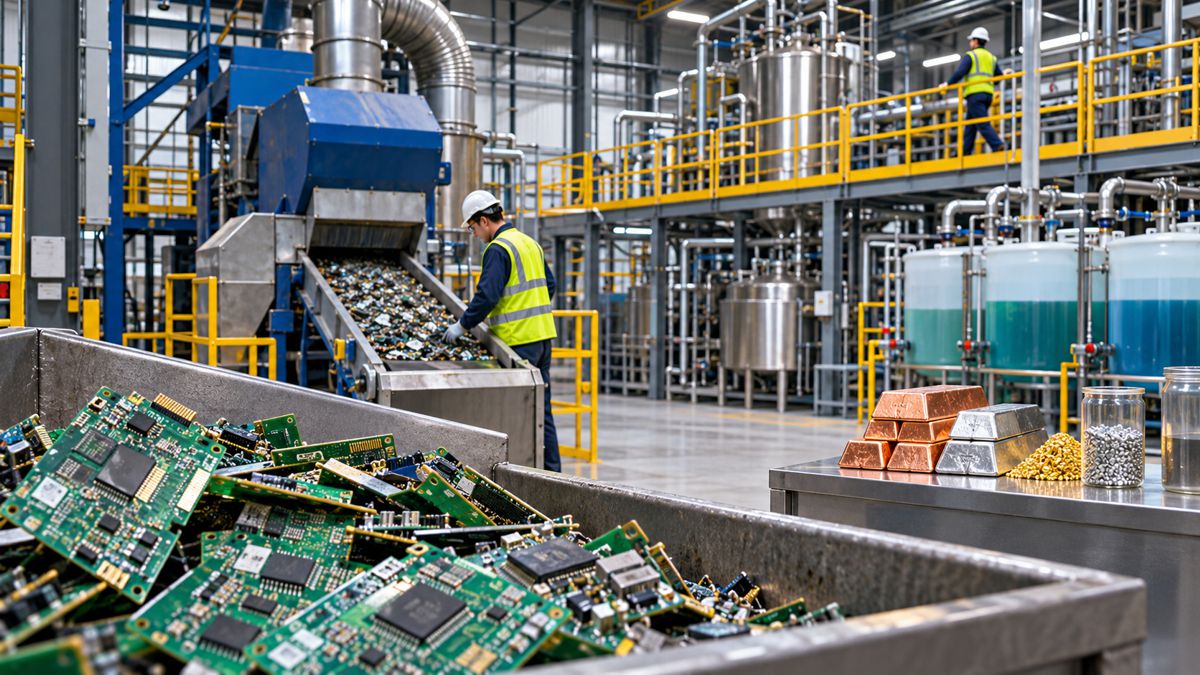
Landfill mining involves excavating previously deposited material and separating fractions that may be suitable for recycling, recovery or further treatment. Depending on their condition and composition, recovered metals, plastics and other materials may have commercial value, while stabilised fine fractions could potentially be used as landfill cover or for other approved applications.
Once a cell has completed an appropriate stabilisation period, excavation and material recovery could reclaim disposal capacity, potentially extending the facility’s operating life without expanding its footprint. The approach remains a future possibility rather than an established operation at Akhangaran, and its practicality will depend on the characteristics of the deposited waste.
Older waste can be difficult to process, particularly where recyclable materials have degraded or become contaminated through prolonged contact with mixed residues. Excavation and sorting also require specialist equipment, environmental controls and markets capable of accepting recovered materials. Fine fractions proposed for reuse would need testing to establish their suitability and ensure compliance with applicable environmental standards.
Residual material would still require appropriate treatment or disposal, while the cost of excavation and processing would need to be weighed against the value of recovered materials and the capacity reclaimed. Nevertheless, retaining the possibility of future cell recovery provides flexibility within the landfill’s long-term development.
Collection and Recycling Remain Major Challenges
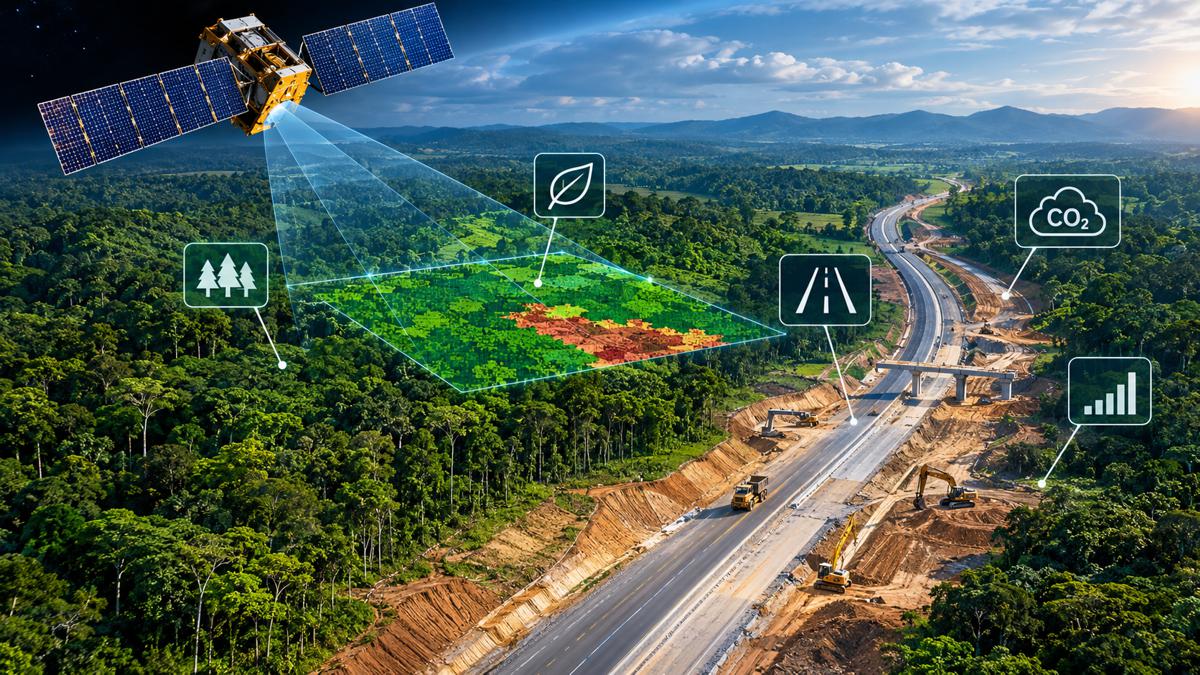
The improvements at Akhangaran address the disposal stage of a much larger municipal waste-management problem. Across Uzbekistan, collection coverage remains uneven, with rates in some areas as low as 50% to 60%. Satellite monitoring identified 1,805 unauthorised waste disposal sites nationwide in 2024, demonstrating how much material continues to be discarded outside properly managed facilities.
Waste composition adds another dimension to the challenge. Figures from 2022 indicate that approximately 43.1% of Tashkent’s municipal solid waste consisted of organic materials, including food and garden waste, while a further 29.7% comprised recyclable materials. Despite this recoverable content, less than 10% of recyclable materials were being recovered for recycling, and separate collection of food and green waste remained negligible.
Mixed disposal consumes landfill capacity while making subsequent material recovery more difficult. Food waste and other organic materials contribute to methane generation during decomposition, while recyclable materials can lose much of their potential value when contaminated by food residues or hazardous substances.
The ADB analysis proposes a phased approach to waste separation, with organic materials, recyclables, hazardous waste and residual materials collected as distinct streams. Suitable organic waste could then be directed towards composting or anaerobic digestion, while material recovery facilities would separate recyclable materials into fractions suitable for further processing.
Implementation would require collection infrastructure capable of keeping these waste streams separate, supported by treatment facilities, public participation and markets for recovered materials. Collection vehicles, containers and transfer stations would need to be matched to local waste volumes and the capacity of downstream facilities.
For Uzbekistan, the transition is complicated by differences in municipal resources and service coverage. Systems suitable for densely populated districts of Tashkent may be impractical in smaller settlements, making phased development and locally appropriate collection arrangements essential.
Improving Waste Collection and Transportation
Waste collection presents a substantial transport and logistics challenge, particularly as municipalities attempt to expand coverage while replacing ageing vehicle fleets and improving transfer infrastructure.
Collection performance depends on the location and density of waste generation, vehicle capacity, road conditions, traffic congestion and the distance to treatment or disposal facilities. Poorly planned routes increase fuel consumption, vehicle wear and labour requirements, while long journeys to disposal sites can reduce the time collection vehicles spend serving residential and commercial areas.
Transfer stations can help address these problems by allowing smaller collection vehicles to discharge waste closer to their operating areas. Material can then be consolidated into larger vehicles for transport to regional treatment or disposal facilities, reducing the need for individual collection trucks to make repeated long-distance journeys.
The approximately 30 km separation between Tashkent and Akhangaran illustrates the need to coordinate urban collection systems with disposal infrastructure outside the city. Depending on road conditions, daily waste volumes and available equipment, transfer facilities can become an important part of maintaining efficient collection services.
The ADB also identifies opportunities to improve vehicle routing, review collection schedules and consider off-peak operations where local conditions permit. Better fleet deployment and more reliable transfer arrangements could increase the quantity of waste collected without requiring a proportional increase in vehicle numbers.
Municipal authorities need accurate information on waste volumes, collection times, route distances and operating costs to make these decisions. Such data can also inform equipment procurement, maintenance planning and the location of new transfer facilities as collection networks expand.
Building Standards and Institutional Capacity
Modern sanitary landfills require technical capabilities extending well beyond construction and commissioning. Waste placement, compaction, drainage, leachate control, landfill gas management and environmental monitoring must continue throughout the operating life of the facility, supported by trained personnel, documented procedures and adequate maintenance budgets.
These responsibilities become more demanding when a landfill incorporates biological treatment processes and liquid recirculation systems. Operators must understand how waste conditions change over time, while regulators need the expertise and resources to assess environmental performance and enforce operating requirements.
The ADB identifies stronger national standards for landfill siting, design, operation and pollution control as priorities for Uzbekistan, together with improved institutional capacity at municipal and regulatory levels. Clear operating requirements and effective oversight will be particularly important as the country introduces more complex treatment and recovery facilities.
Investment in technical expertise and long-term operating capacity will therefore need to accompany the construction of new waste infrastructure, particularly where municipalities have previously relied on relatively basic collection and disposal arrangements.
Private Investment and Waste-to-Energy Development
Uzbekistan is also exploring greater private sector participation in waste management, including public-private partnerships covering collection, recycling, treatment and resource recovery.
Private investment could help finance additional infrastructure and introduce specialist operating expertise, although commercial arrangements must reflect the economics of municipal waste services. Collection charges, disposal fees, recovered materials and energy sales may provide revenue, but these need to be assessed against capital expenditure, operating costs and long-term environmental responsibilities.
Developments around Akhangaran provide examples of the different facilities that could form part of a more integrated system. The former dump site adjacent to the new sanitary landfill was closed and capped in May 2025, with landfill gas recovery planned. A separate waste incineration facility is expected to commence operations in late 2027.
Landfill gas recovery can capture methane produced by decomposing organic waste, while appropriately designed waste-to-energy facilities can reduce the quantity of residual material requiring disposal and generate useful energy. Incineration nevertheless requires suitable waste feedstock, emissions controls and arrangements for managing combustion residues, and its economics depend heavily on waste composition, operating costs and energy sales.
Uzbekistan is additionally considering extended producer responsibility measures that would require manufacturers and importers to assume greater responsibility for products and packaging after use. Such arrangements could provide additional funding for collection and recycling infrastructure, provided that obligations, reporting requirements and enforcement mechanisms are clearly established.
For private operators and infrastructure investors, transparent procurement, predictable contractual arrangements and reliable information on waste quantities will be central to evaluating potential projects.
Regional Planning for Waste Infrastructure
Individual municipalities do not necessarily generate enough waste to justify separate treatment, recovery and disposal facilities. Developing infrastructure independently across neighbouring districts can lead to duplicated expenditure, inefficient vehicle movements and facilities operating below their intended capacity.
The ADB proposes considering regional waste-management systems serving areas within approximately 30 to 50 km, allowing municipalities to share collection, transfer, treatment and disposal infrastructure. The most suitable configuration would depend on local waste volumes, road networks, transport costs and the capacity of available facilities rather than a fixed service radius.
Regional systems could support larger material recovery facilities, more efficient transport arrangements and specialised treatment operations that might otherwise be uneconomic for individual districts. They would also require cooperation between local authorities, coordinated procurement and clear arrangements for allocating operating costs and responsibilities.
A national solid waste master plan, supported by regional plans and prioritised investment programmes over the next five to ten years, could help establish where new infrastructure is needed and how projects should be sequenced.
Collection networks, transfer stations, treatment facilities and landfills would need to be planned together to avoid constructing facilities without sufficient incoming waste or adequate routes for recovered materials.
A Foundation for Long-Term Waste Management
The Akhangaran sanitary landfill provides Uzbekistan with a technically more advanced approach to waste disposal, combining phased cell operations, controlled leachate recirculation and the possibility of future material recovery. Its engineering reflects the operating conditions around Tashkent while addressing environmental risks associated with traditional open dumping.
However, with the capital generating approximately 3,000 tonnes of municipal waste every day, the performance of the wider system will increasingly depend on collection coverage, transport efficiency and the development of recycling and treatment facilities. Improving these services will require sustained investment in equipment, infrastructure, technical expertise and regulatory capacity.
Akhangaran establishes an engineered disposal facility for the capital. The next challenge is building the network of collection, recovery and treatment operations needed to make full use of that investment while progressively reducing Uzbekistan’s dependence on landfilling.
Key Industry Questions
- Where is the Akhangaran sanitary landfill located? The facility is in Akhangaran District, approximately 30 km southeast of Tashkent, Uzbekistan. It was commissioned in May 2025.
- What is the storage capacity of the new landfill? The landfill has a designed storage capacity of approximately 6.5 million tonnes, with 24.62 hectares allocated to waste disposal within a total site area of 30.91 hectares.
- How does the three-cell landfill configuration work? Two partition dams divide the disposal area into three cells, allowing waste to be deposited progressively rather than across the entire facility simultaneously.
- Why does Akhangaran use leachate recirculation? The system helps maintain moisture levels needed for anaerobic decomposition in Tashkent’s relatively dry climate, using collected leachate to support biological waste stabilisation.
- What is an anaerobic bioreactor landfill? An engineered landfill where moisture and operating conditions are managed to encourage microorganisms to break down organic waste in the absence of oxygen.
- Could materials eventually be recovered from the landfill? Potentially. Landfill mining could allow stabilised waste to be excavated and sorted, recovering suitable materials and reclaiming disposal capacity, subject to technical, environmental and economic assessments.
- How much municipal waste does Tashkent generate? ADB reports approximately 3,000 tonnes per day in 2024, compared with around 1,950 tonnes per day in 2019.
- What improvements are proposed for Uzbekistan’s waste collection network? Priorities include expanded collection coverage, better vehicle routing, modernised fleets, additional transfer infrastructure and greater separation of recyclable and organic materials.
- What role could private companies play in waste management? Private operators could participate in collection, recycling, treatment, landfill management and resource recovery through appropriately structured commercial contracts and public-private partnerships.
- Why is regional waste-management planning being considered? Shared facilities serving several municipalities could reduce duplicated investment, improve infrastructure utilisation and make specialised treatment and disposal operations more economically viable.
Strategic Takeaways
- Climate-specific engineering: Akhangaran’s moisture recirculation system has been designed around local evaporation and precipitation conditions, supporting more controlled biological waste stabilisation.
- Long-term disposal capacity: Phased landfill cells could provide opportunities for future material recovery and capacity reclamation, although commercial and environmental feasibility remains unproven.
- Collection and transport economics: Regional disposal facilities require efficient vehicle fleets, transfer stations and haulage networks to avoid increasing collection costs.
- Resource recovery investment: The high proportion of organic and potentially recyclable waste in Tashkent creates opportunities for separate collection, biological treatment and material recovery infrastructure.
- Operational capability: Technical standards, environmental monitoring and trained personnel will be essential to maintaining the performance of Uzbekistan’s increasingly sophisticated waste-management facilities.