H2SITE Secures Fresh Investment to Scale Hydrogen Infrastructure
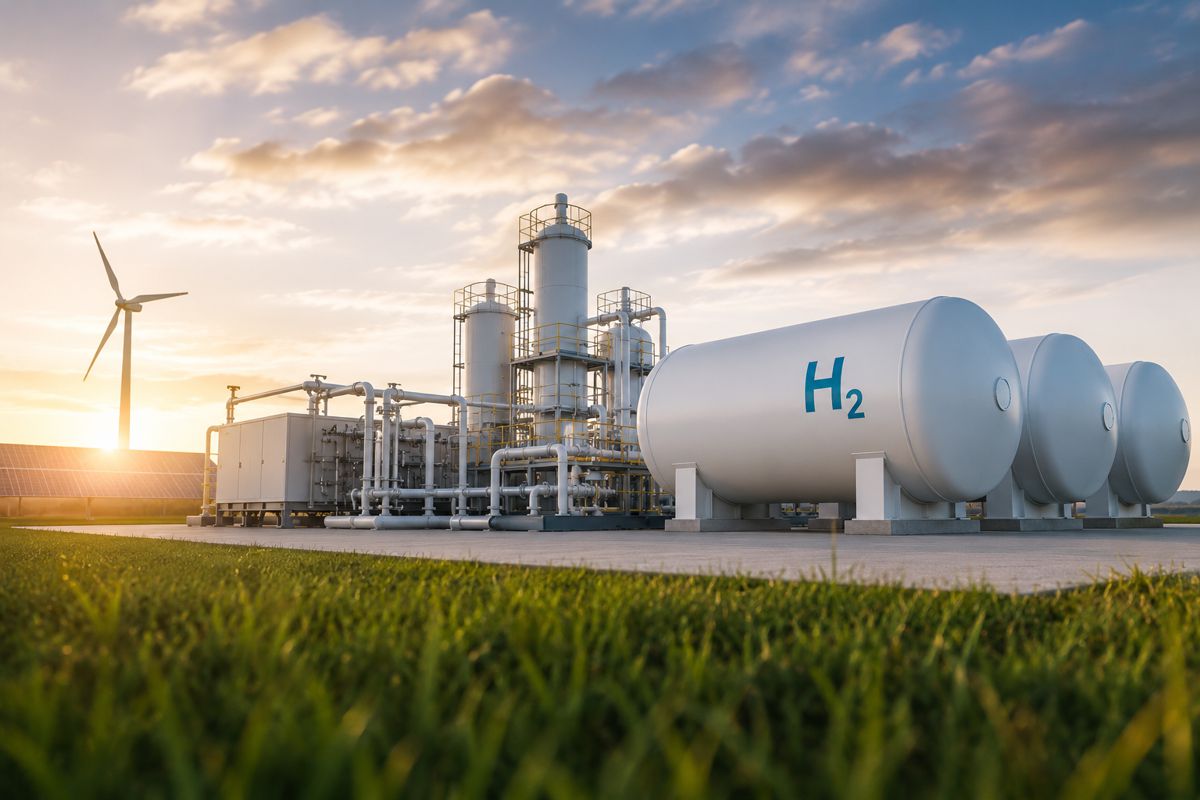
Hydrogen has spent much of the past decade progressing through pilot programmes, demonstration plants and technology validation. The next challenge for the sector is commercial execution. Manufacturers capable of producing reliable equipment at industrial scale are becoming increasingly important as governments and energy companies seek practical routes to decarbonise heavy industry, chemicals, steelmaking, refining and long-distance transport.
Hydrogen technology specialist H2SITE has secured additional funding to accelerate commercial deployment of its membrane-based hydrogen production and separation technologies. The company’s second closing of its Series B funding round raises the total investment to more than €42 million, providing capital not for further laboratory development but for manufacturing expansion, international growth and delivery of large-scale industrial projects.
Briefing
- H2SITE has increased its Series B funding to more than €42 million following a second closing.
- The European Innovation Council (EIC) Fund joins existing institutional and industrial investors.
- Funding will support manufacturing expansion, international growth and execution of commercial-scale hydrogen projects.
- H2SITE has accumulated more than 50,000 operating hours across its membrane reactors and hydrogen separation systems.
- The company is preparing to expand into global markets, including Asia, while supporting new European hydrogen supply chains.
Financing Signals a Shift from Innovation to Industrialisation
Investment activity across the hydrogen sector has become increasingly selective. Investors have moved away from backing early-stage concepts towards businesses capable of demonstrating manufacturing capability, operational reliability and identifiable commercial demand. H2SITE’s latest fundraising reflects that broader shift in market priorities.
The participation of the EIC Fund alongside existing investors including BEV, Suma Capital, Hy24, Crane, Enagás Emprende, Calderion and CRPV represents more than additional capital. It illustrates growing confidence that European hydrogen technologies can progress from research programmes into commercially viable industrial businesses capable of supplying critical infrastructure.
Unlike many emerging clean technology companies, H2SITE is entering this phase with substantial operational experience already established. The business reports more than 50,000 operating hours across its membrane reactor and hydrogen separation technologies while simultaneously developing advanced manufacturing capability within Europe. The production and recycling of thousands of palladium-based membranes annually demonstrates that the company has already established manufacturing processes rather than relying solely on prototype production.
That distinction is commercially significant because industrial customers increasingly require proven operating histories before committing to major hydrogen infrastructure investments. Equipment reliability, maintenance requirements and manufacturing consistency now influence purchasing decisions as much as technological innovation itself.
Membrane Technology Addresses Critical Hydrogen Supply Challenges
Producing low-carbon hydrogen efficiently remains only part of the industry’s challenge. Transporting, storing and separating hydrogen economically has emerged as an equally important engineering problem.
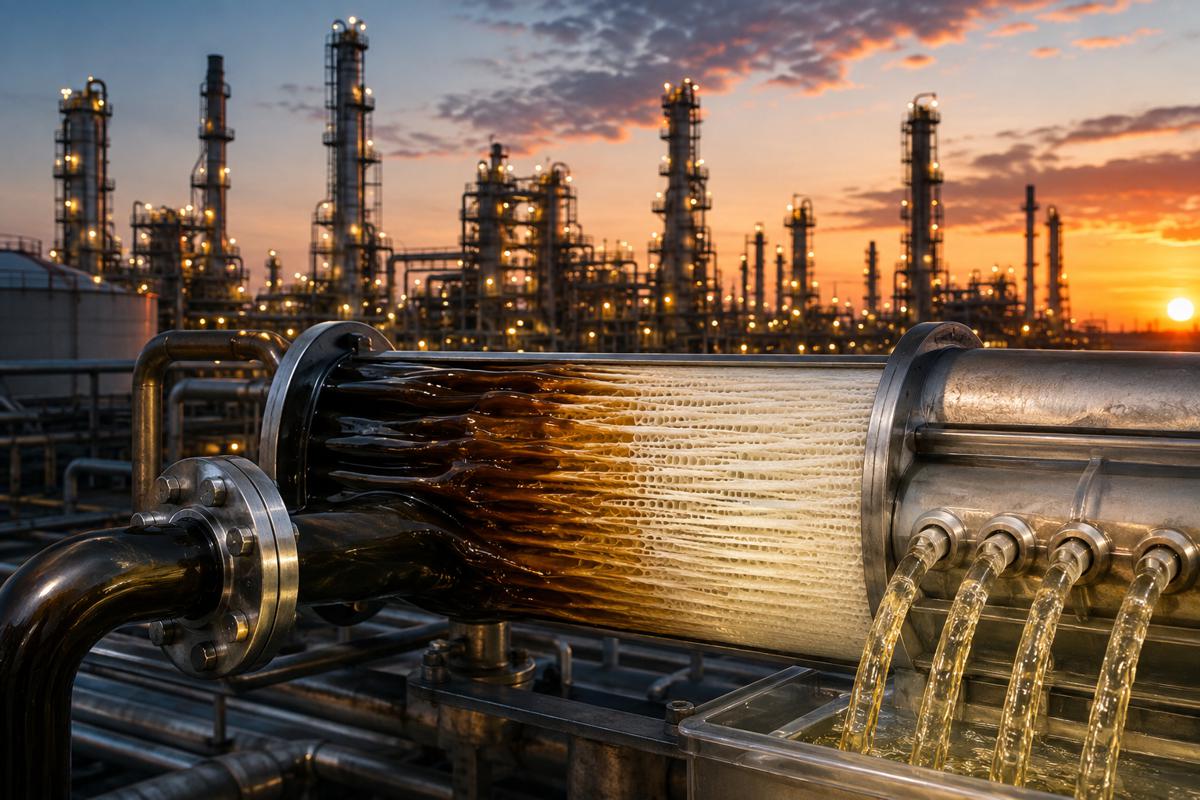
H2SITE has focused on membrane reactor and separation technologies capable of producing high-purity hydrogen while simplifying process design. Membrane systems allow hydrogen molecules to pass through selective barriers while preventing other gases from crossing, reducing the need for multiple downstream purification stages that can increase both capital and operational expenditure.
The company’s technology platform supports a range of hydrogen production pathways, including ammonia cracking, an increasingly important area as global energy companies examine ammonia as a practical hydrogen carrier for international transport.
Ammonia can be transported using established global shipping infrastructure before being converted back into hydrogen near its point of use. Efficient cracking technology therefore has the potential to overcome one of hydrogen’s most persistent logistical challenges by avoiding the need to transport compressed or liquefied hydrogen over long distances.
As international hydrogen trade develops, these technologies are expected to become increasingly important for ports, industrial clusters and energy-intensive manufacturing facilities seeking secure access to low-carbon hydrogen supplies.
Manufacturing Capacity Becomes a Strategic Asset
Hydrogen equipment manufacturing has become an increasingly competitive segment of the clean energy market. European policymakers have repeatedly highlighted concerns that strategic technologies could become overly dependent on overseas manufacturing, particularly following similar experiences within the solar photovoltaic industry.
H2SITE’s emphasis on expanding manufacturing capability inside Europe aligns closely with wider industrial policy objectives. Scaling production capacity enables shorter supply chains, improved quality control and greater resilience for European hydrogen infrastructure projects.
The latest funding will support manufacturing expansion alongside international commercial development, allowing the company to increase production volumes while pursuing projects beyond Europe, including planned growth into Asian markets.
For investors, manufacturing capability provides an additional competitive advantage. Companies that own specialised production processes and supply chains are generally better positioned to capture long-term value than organisations dependent upon outsourced manufacturing.
Port of Antwerp Project Demonstrates Commercial Readiness
One of the clearest indicators of technological maturity is deployment within major industrial environments. H2SITE’s ammonia cracking project at the Port of Antwerp represents precisely that progression.
Supported initially through the European Innovation Council Accelerator programme, the project is intended to establish practical low-carbon hydrogen supply chains serving hard-to-abate industrial sectors. Antwerp remains one of Europe’s largest petrochemical and industrial hubs, making it an appropriate location for demonstrating hydrogen infrastructure under genuine commercial operating conditions.
Industrial ports increasingly occupy a central role in European hydrogen strategies because they combine shipping, storage, refining, chemicals production and heavy manufacturing within concentrated geographical areas. Establishing hydrogen production and distribution systems in these locations offers opportunities to reduce infrastructure costs while supplying multiple industrial users simultaneously.
Successful deployment in Antwerp could therefore provide a reference model for replication across other European industrial clusters.
Europe’s Hydrogen Strategy Depends on Industrial Execution
European hydrogen policy has evolved considerably since the publication of the EU Hydrogen Strategy in 2020. Initial emphasis focused on research, demonstration funding and regulatory development. Attention is now shifting towards deployment, domestic manufacturing and infrastructure construction.
Companies capable of supplying proven industrial equipment have consequently become increasingly important to achieving European energy objectives. Hydrogen production facilities, ammonia cracking plants, pipeline networks, storage terminals and industrial conversion projects all require reliable engineering technologies capable of operating continuously under demanding conditions.
The European Innovation Council Fund’s investment reflects that wider policy direction by supporting businesses already positioned for commercial execution rather than purely experimental development.
Hermann Hauser, Board Member of the EIC Fund, said: “Europe’s energy transition will depend on our ability to move breakthrough technologies from validation to industrial deployment. H2SITE demonstrates how European deep tech companies can develop strategic technologies, build industrial capabilities and strengthen Europe’s energy resilience. We’re proud to support the company as it scales its hydrogen solutions and contributes to the development of more secure and competitive energy systems.”
The investment also complements earlier European support that helped advance H2SITE’s ammonia cracking technology, illustrating how public innovation funding can evolve into commercial investment once technical milestones have been achieved.
Global Expansion Reflects Growing International Demand
Although Europe remains a major hydrogen market, long-term growth increasingly depends upon international deployment.
Several Asian economies continue investing heavily in hydrogen imports, ammonia infrastructure and industrial decarbonisation programmes. Countries including Japan and South Korea have established ambitious hydrogen strategies, while Singapore is positioning itself as a regional hydrogen trading hub. Entering these markets presents substantial opportunities for technology suppliers capable of delivering commercially proven equipment.
The latest funding will therefore support H2SITE’s international expansion alongside execution of large-scale industrial projects already under development.
Chairman Javier Cavada described the latest investment as a significant milestone for the business: “The EIC Fund joining our shareholder base is a significant milestone and a strong vote of confidence in H2SITE’s ambition to become a global champion from Europe. This support will help us accelerate growth, scale our technology worldwide, and create long-term value for all our stakeholders.”
Delivering Bankable Hydrogen Infrastructure
Hydrogen projects increasingly face scrutiny from lenders, infrastructure investors and industrial customers seeking predictable returns rather than technological promise.
Commercial success now depends upon technologies that can be replicated consistently, integrated into existing industrial assets and financed under conventional project finance structures. Equipment reliability, manufacturing capability and operational experience have therefore become decisive competitive factors.
H2SITE believes its technology has reached that stage of maturity. Chief Executive Andrés Galnares said: “This capital increase marks an important milestone in H2SITE’s evolution as an industrial company. The continued support of European institutions and private investors reflects confidence in our ability to transform technological innovation into industrial assets and commercial projects that are scalable, replicable, and bankable. Our focus is now on executing flagship projects that while contributing to Europe’s industrial competitiveness and energy independence.”
As hydrogen investment enters a more commercially disciplined phase, companies capable of moving from engineering validation to industrial delivery are likely to attract increasing attention from infrastructure developers, utilities and institutional investors alike. For Europe’s hydrogen ambitions, manufacturing capacity and commercial execution may ultimately prove as important as scientific innovation.