Kia PV5 Delivers a Turning Point for Electric Vans in Europe
The light commercial vehicle sector rarely shifts overnight. It evolves in increments, shaped by regulation, operating costs and the daily realities of fleet operators. Yet every so often, a new entrant forces the conversation forward. The arrival of the Kia PV5, now recognised as ‘Van of the Year’ at the 2026 What Car? Van and Commercial Vehicle Awards, is one such moment.
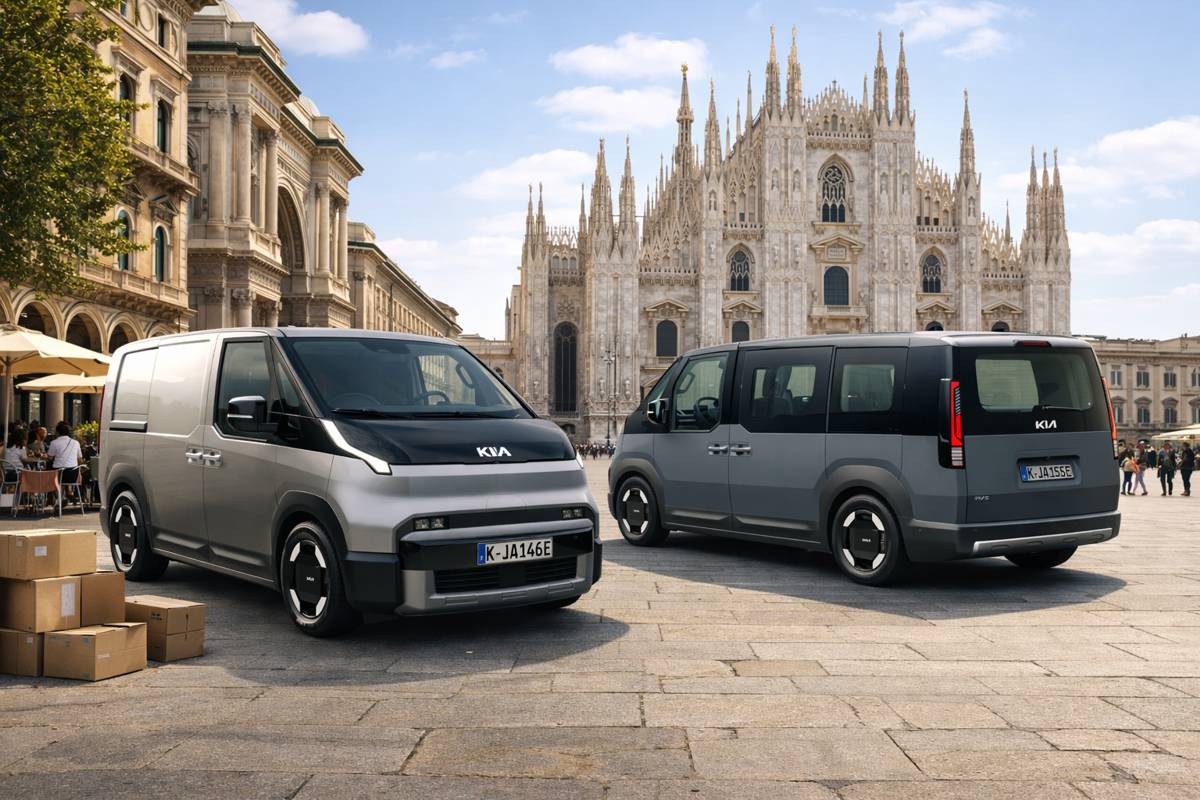
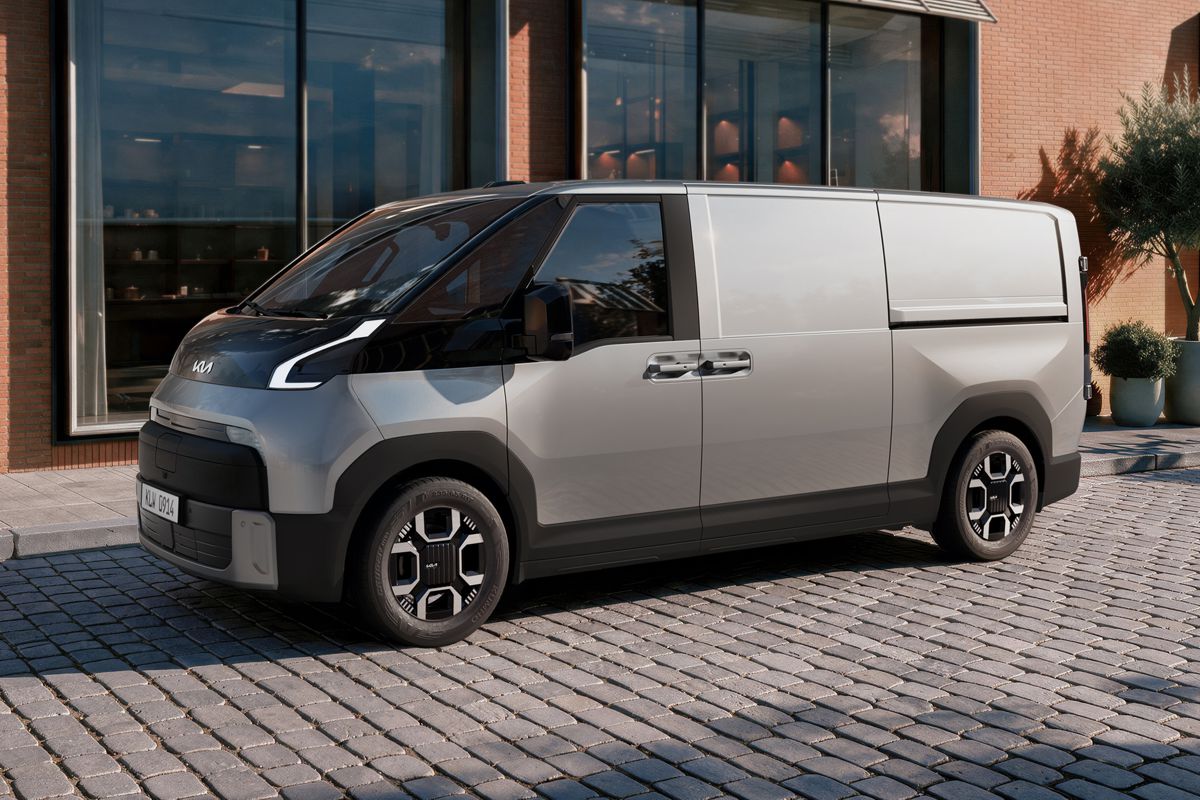
For Kia, this is more than a trophy on the shelf. It marks the company’s first serious push into Europe’s electric light commercial vehicle market, a segment undergoing rapid transformation as cities tighten emissions rules and operators look to reduce total cost of ownership. The PV5, available in both Cargo and Passenger variants, has been developed not as a derivative of a passenger car, but as a purpose-built platform with commercial use at its core.
That distinction matters. Europe’s van market, historically dominated by established manufacturers, is now facing pressure from electrification targets, urban logistics growth and the rise of last-mile delivery networks. Against that backdrop, Kia’s early success suggests the market is open to new approaches, particularly those that blend usability, affordability and operational efficiency.
Briefing
- Kia PV5 named overall ‘Van of the Year’ at the 2026 What Car? awards
- Cargo variant also wins ‘Best Small Electric Van’, while Passenger takes ‘Best Van-Based MPV’
- Built on Kia’s dedicated E-GMP.S platform, marking its first purpose-built electric van architecture
- Recognised for balancing payload, range, charging speed and operator usability
- Signals Kia’s strategic entry into Europe’s growing electric LCV market
A New Platform Built for Commercial Reality
At the heart of the PV5 lies Kia’s E-GMP.S architecture, a dedicated platform designed specifically for service-oriented vehicles. Unlike adapted passenger car platforms, this approach allows for greater flexibility in body configurations, battery options and interior layouts. It also reflects a broader industry shift towards modular electric vehicle design, where the chassis becomes a scalable foundation rather than a fixed constraint.
This modularity is particularly relevant for fleet operators. Different use cases demand different configurations, whether that’s urban delivery, service fleets or passenger transport. By offering multiple battery options and adaptable body styles, the PV5 positions itself as a tool rather than a one-size-fits-all product.
From a maintenance perspective, the use of modular exterior components also has practical implications. Repair complexity and downtime remain critical concerns for commercial operators, and design decisions that simplify replacement and servicing can translate directly into cost savings over a vehicle’s lifecycle.
Balancing Range, Payload and Downtime
Electric vans have often faced a trade-off between range and payload. Larger batteries extend range but reduce carrying capacity and increase costs. Smaller batteries improve efficiency but limit operational flexibility. The PV5 appears to have found a middle ground that resonated with award judges and, more importantly, aligns with real-world usage patterns.
The Cargo variant offers a maximum payload of up to 790 kg, alongside a WLTP range of up to 416 kilometres for the longer configuration. These figures place it firmly within the expectations of urban and regional delivery operations, where daily mileage is typically predictable and charging infrastructure is increasingly available.
Charging performance also plays a decisive role. The ability to recharge from 10 to 80 percent in around 30 minutes means vehicles can return to service quickly, reducing idle time. For fleet managers, this is not a convenience but a necessity. Vehicles that spend less time charging and more time on the road contribute directly to operational efficiency.
Steve Huntingford, Editor at What Car?, captured this balance: “The new Kia PV5 combines the payload capabilities businesses will expect, with the sort of ease of use and long-distance comfort they might not. Its real-world range strikes a good balance between being enough for a full day of work without pushing costs too high, and thanks to fast charging capabilities, downtime for fleets is kept to a minimum. The PV5 is also backed up by one of the most comprehensive aftercare packages around, providing long-term reassurance for operators.”
Passenger Comfort Meets Commercial Practicality
While the Cargo variant addresses the needs of businesses, the Passenger version targets a different but equally important segment. Van-based MPVs have long struggled to deliver the refinement expected by private buyers, often feeling utilitarian despite their practicality.
The PV5 Passenger attempts to bridge that gap. With seating for five adults, a range of up to 412 kilometres and a focus on ride comfort and cabin refinement, it positions itself as a viable alternative to traditional MPVs and larger SUVs. This dual-purpose capability reflects changing mobility patterns, where vehicles are expected to serve both personal and professional roles.
Huntingford noted the challenge inherent in this category: “It’s an exceptionally difficult challenge for a van-based MPV to offer all the comfort and refinement car buyers expect, but it’s one which the Kia PV5 has mastered. With flexible, comfortable seating, a quiet yet composed ride and a long range, the PV5 will fit seamlessly into the lives of many larger families.”
For infrastructure planners and policymakers, this convergence of commercial and passenger use cases is worth noting. Vehicles that can operate across multiple roles may influence urban transport strategies, particularly in areas such as shared mobility and demand-responsive transport services.
Recognition Beyond a Single Award
The What Car? accolades are part of a broader pattern of recognition for the PV5. The vehicle has already secured an iF Design Award Gold for Automotive Product Design, a five-star rating in the 2025 Euro NCAP Commercial Van Safety assessment and the 2026 International Van of the Year title at the SOLUTRANS event in Lyon.
It has also set a Guinness World Records benchmark for the greatest distance travelled by a light-duty electric van with maximum payload on a single charge, reaching 693.38 kilometres. While such records are often symbolic, they serve to demonstrate the underlying capabilities of the platform and its efficiency under demanding conditions.
Safety, in particular, remains a critical factor in fleet procurement decisions. Independent assessments such as Euro NCAP carry significant weight, especially as operators face increasing scrutiny around driver safety and liability. High safety ratings can influence insurance costs and compliance with corporate responsibility standards.
Kia’s PBV Strategy and European Ambitions
The PV5 sits at the centre of Kia’s broader Platform Beyond Vehicle strategy, which aims to redefine how vehicles are designed, used and integrated into service ecosystems. Rather than focusing solely on hardware, the approach considers software, connectivity and aftercare as integral components of the product offering.
In Europe, this strategy aligns with the region’s push towards digitalisation and decarbonisation in transport. Governments are introducing stricter emissions regulations, while cities are implementing low-emission zones that effectively mandate the adoption of electric vehicles for urban operations.
Sjoerd Knipping, Chief Operating Officer of Kia Europe, reflected on the significance of the award: “Winning the prestigious 2026 What Car? ‘Van of the Year’ Award demonstrates the Kia PV5’s strong relevance across varied markets and customer needs, while also underscoring the model’s growing recognition at a European level. With both the Cargo and Passenger versions honored, the PV5 showcases the versatility, quality, and reliability that customers across Europe expect from a modern eLCV. As we continue to expand our PBV line-up, the PV5 stands at the heart of our ambition to deliver innovative, customer-centric mobility solutions that empower businesses and families alike on their journey toward electrified mobility.”
While the language reflects corporate positioning, the underlying strategy is clear. Kia is not entering the market tentatively. It is committing to a long-term presence, supported by a dedicated platform and a growing ecosystem of services.
The Competitive Landscape for Electric Vans
The European electric van market is becoming increasingly competitive. Established manufacturers are electrifying existing models, while new entrants are introducing purpose-built platforms. This creates a dynamic environment where differentiation is essential.
What sets the PV5 apart, at least in its early reception, is its attempt to balance competing priorities rather than excelling in a single metric. Range, payload, charging speed and usability are all brought into alignment, reflecting the realities of daily operations rather than headline specifications.
Industry data suggests that total cost of ownership remains the primary driver of adoption for electric vans. Factors such as energy costs, maintenance requirements and residual values often outweigh initial purchase price in decision-making processes. Vehicles that can demonstrate reliability and efficiency over time are more likely to gain traction.
A Practical Step Towards Electrified Fleets
The transition to electric fleets is not a theoretical exercise. It is happening now, driven by regulation, economics and environmental considerations. Vehicles like the PV5 play a role in making that transition viable for a broader range of operators.
By addressing practical concerns such as downtime, maintenance and usability, the PV5 contributes to a gradual shift in perception. Electric vans are no longer niche solutions for specific use cases. They are becoming mainstream options capable of meeting the demands of modern logistics and transport systems.
For the construction and infrastructure sectors, where service vehicles and light commercial fleets are essential, this evolution is particularly relevant. Electrified vans can reduce emissions on-site, comply with urban regulations and support broader sustainability goals without compromising operational effectiveness.
A Market in Transition with New Entrants Leading Change
The recognition of the Kia PV5 as ‘Van of the Year’ is less about a single model and more about what it represents. It signals a shift in how electric commercial vehicles are designed and evaluated, with greater emphasis on real-world usability and lifecycle performance.
As the market continues to evolve, the success of purpose-built platforms may encourage further innovation across the sector. Manufacturers that can integrate hardware, software and service into cohesive solutions are likely to shape the next phase of development.
For now, the PV5 stands as an early indicator of that direction. It does not redefine the segment overnight, but it nudges it forward, setting a benchmark that others will have to consider.