Factors That Influence the Lifespan of Construction Materials
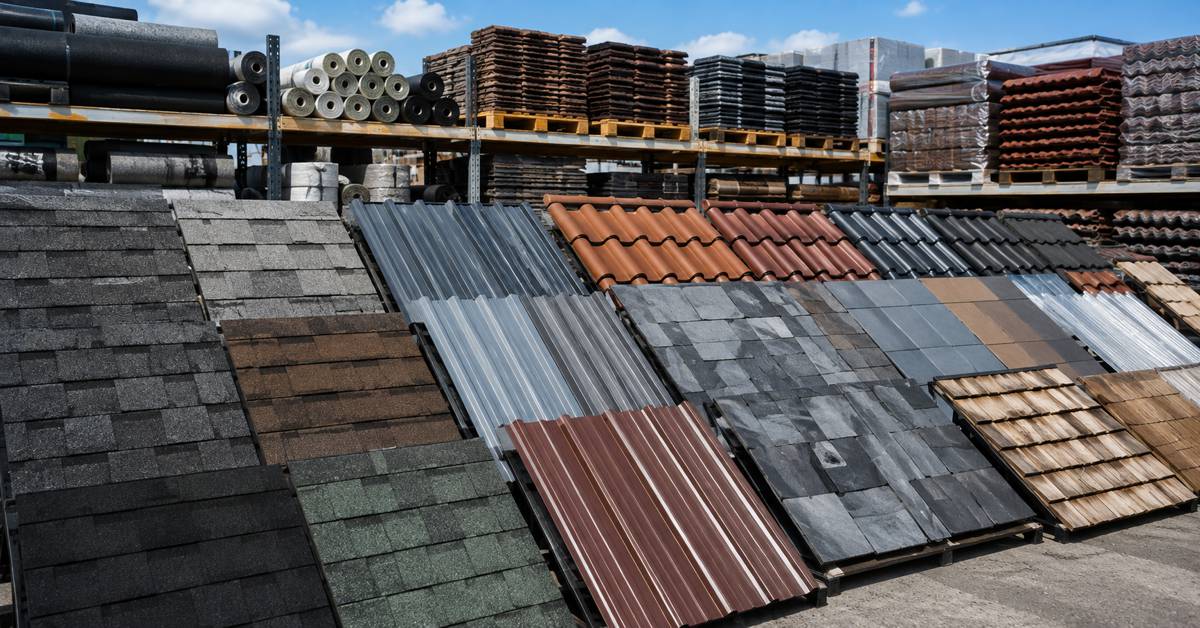
Every building is designed with longevity in mind, but no material lasts forever without the right conditions. Whether it is natural stone, timber, concrete or brick, the lifespan of construction materials is shaped as much by design and maintenance as by the material itself.
Here are some of the key factors that determine how well building materials stand the test of time.
1. Material Quality Matters From the Beginning
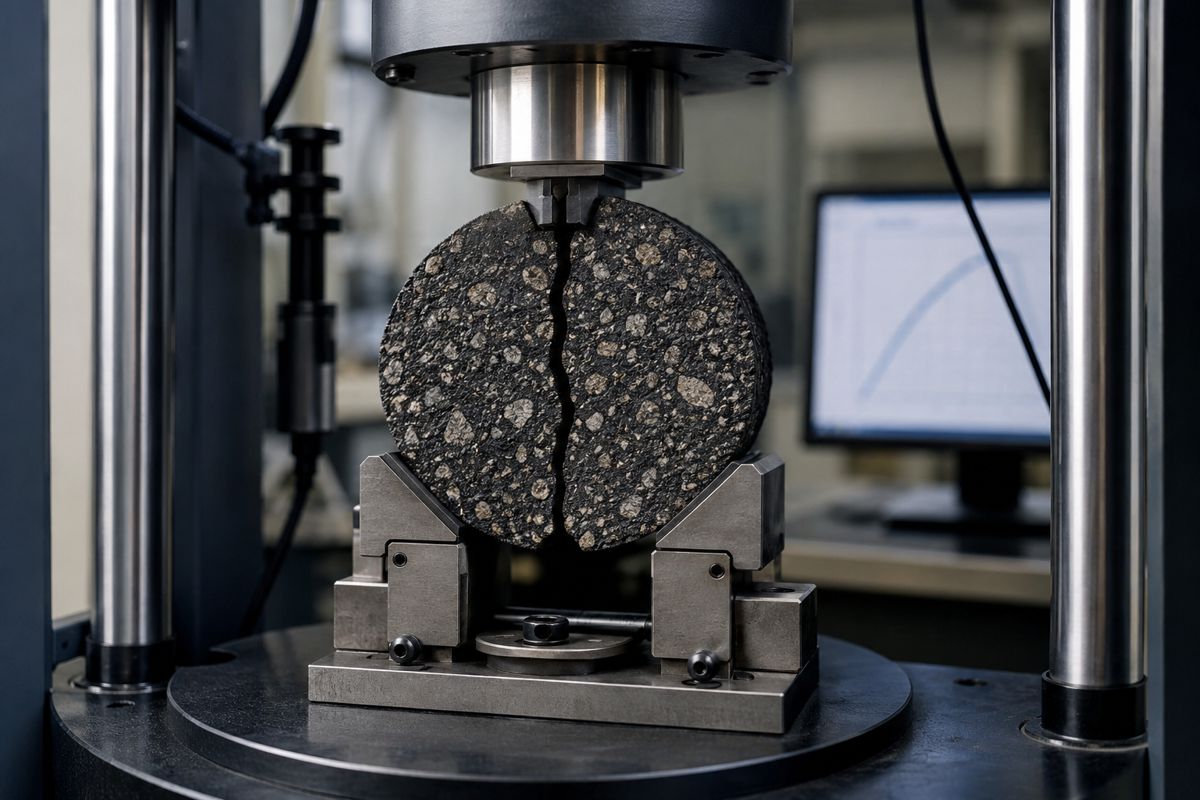
Durability starts long before construction begins. Higher-quality materials are generally better equipped to withstand years of everyday use and environmental exposure. The initial investment can often pay off through fewer repairs and replacements later.
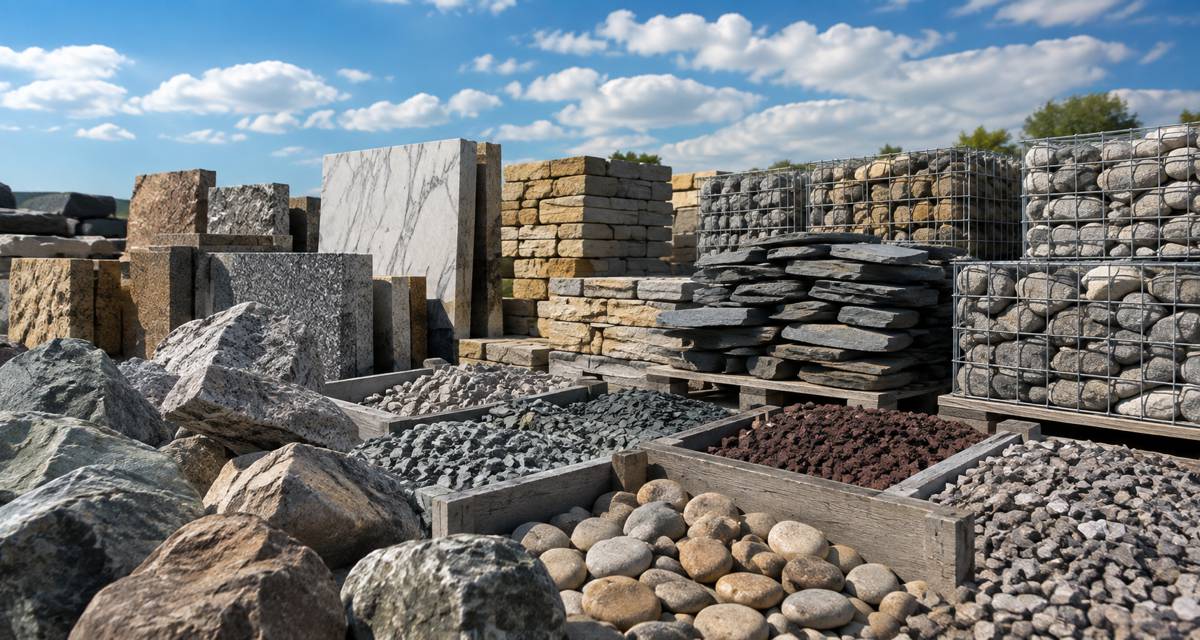
For natural stone flooring, selecting appropriate materials from trusted specialists such as Quorn Stone can help combine lasting performance with a finish that is less dependent on short-lived design trends.
2. Climate Has a Bigger Impact Than You Think
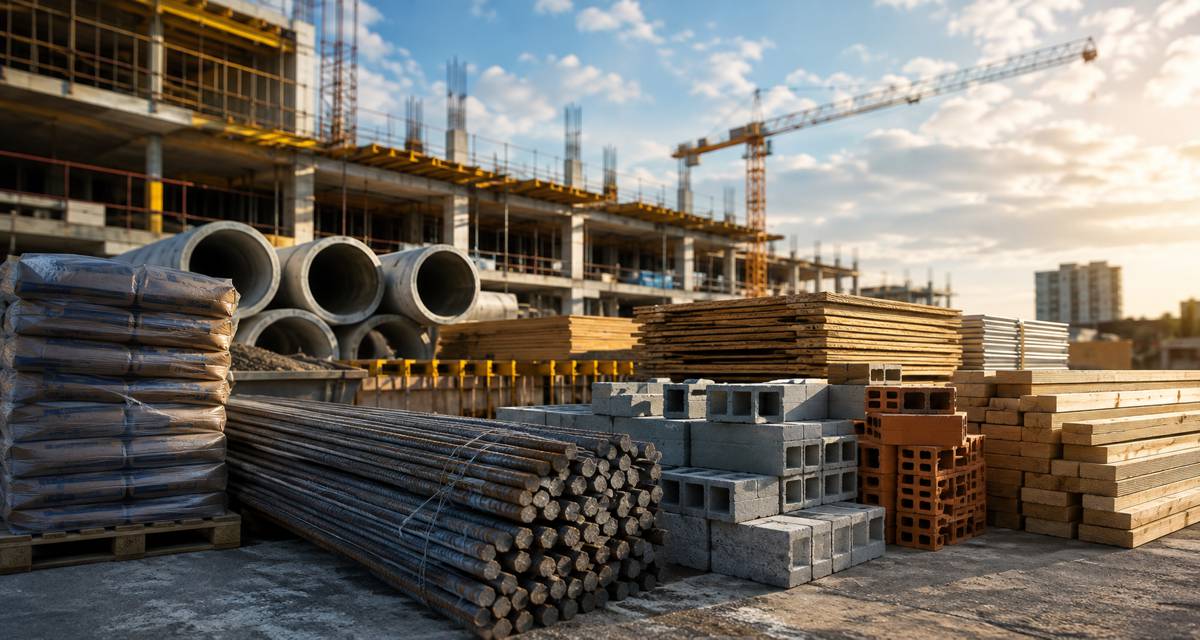
The environment surrounding a building constantly influences its materials. Rain, frost, heat, sunlight and coastal air can all affect how surfaces age.
For example, materials exposed to repeated freezing and thawing may experience additional stress if moisture is able to penetrate them. Considering the local climate at the specification stage can therefore prevent problems that might otherwise emerge years later.
3. Installation Is Just as Important as the Material
Even a highly durable material can perform poorly when incorrectly installed.
Uneven substrates, inadequate drainage, unsuitable adhesives or poor detailing can all contribute to premature deterioration. Good installation helps materials cope with movement, moisture and everyday stresses in the way they were intended.
This makes workmanship an important part of the lifespan calculation rather than simply a consideration during construction.
4. Moisture Is a Hidden Challenge
Water can become one of the biggest causes of long-term deterioration within buildings.
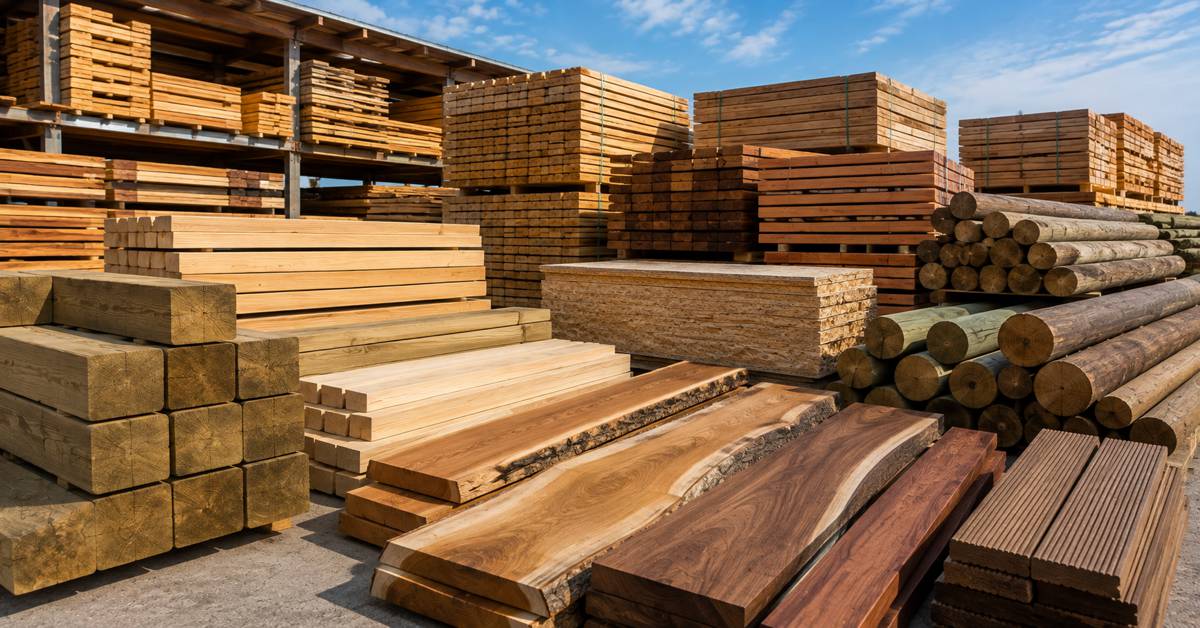
Different materials react to moisture in different ways. Timber may swell or decay, metals can corrode and some masonry or stone surfaces may become stained or damaged if moisture is repeatedly allowed to penetrate.
Effective drainage, waterproofing and ventilation can therefore have a significant influence on how well a building ages.
5. The Way a Space Is Used Makes a Difference
Materials do not experience the same level of wear in every part of a building.
Flooring in a busy entrance, for instance, is likely to experience considerably more foot traffic than flooring in a spare bedroom. Commercial buildings may face additional wear from furniture, equipment and large numbers of visitors.
Matching materials to their intended environment can help prevent premature deterioration. Rather than asking whether a material is durable in general, it is more useful to ask whether it is durable enough for that particular application.
6. Regular Maintenance Extends Performance
Durable materials still benefit from routine care. Cleaning, resealing where appropriate, inspecting joints and dealing with small problems early can extend the useful life of floors, façades and outdoor surfaces.
Maintenance does not necessarily mean keeping every material looking completely new. Natural stone, timber and other materials can develop character as they age. The objective is to distinguish attractive ageing from deterioration that could eventually compromise performance.
Build for Decades, Not Just Completion Day
The longest-lasting buildings are rarely those with the most expensive materials alone. They are the ones where quality materials, thoughtful specification, skilled installation and ongoing care work together.
By considering how each material will respond to its environment and everyday use over the years, architects, builders and homeowners can create spaces that remain both attractive and functional long after construction is complete.