Voltu Motor Brings 200 kW AC Fast Charging to Heavy-Duty Electric Work Trucks
Voltu Motor has introduced a charging system for commercial electric vehicles in which the truck itself performs much of the work normally handled by a high-power charging station. Its 2027 Voltu3 electric pickup can accept up to 200 kW from a suitable three-phase AC electrical supply, using existing propulsion electronics to convert the incoming power for battery charging.
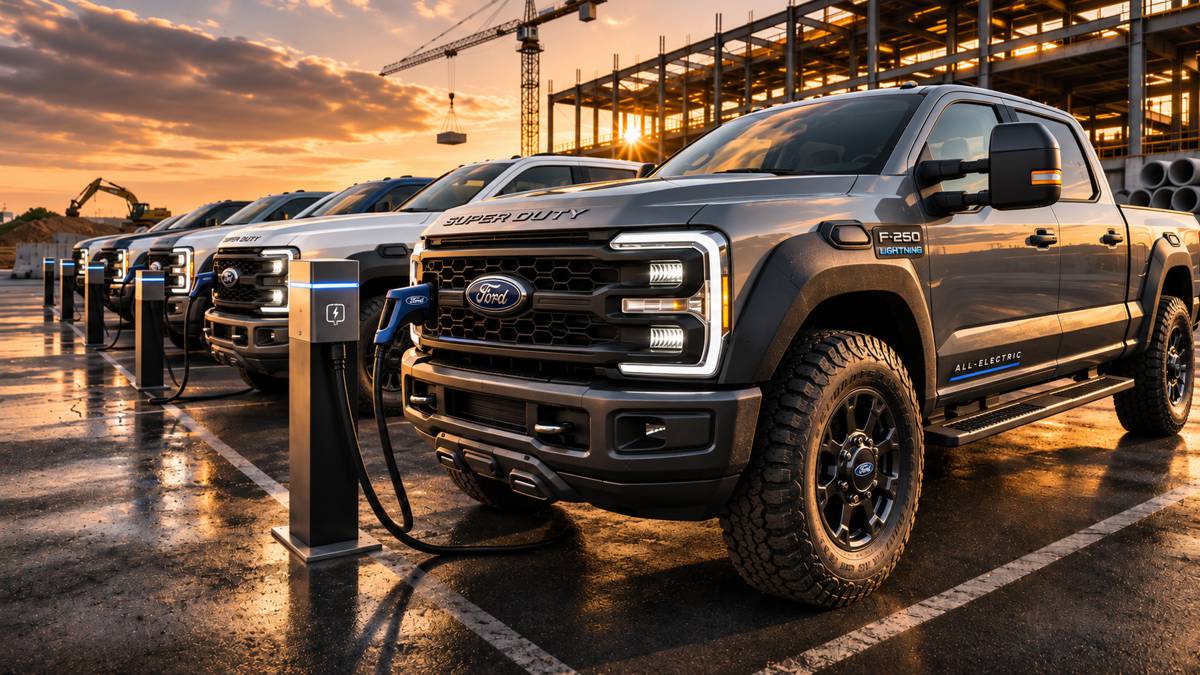
The Riverside, California-based manufacturer has launched the Voltu Charging Network alongside the latest version of its Class 3 electric work truck, with a commitment to install one public charging outlet for every vehicle delivered. Each truck will also come with a Voltu Power Outlet hardware kit, allowing fleet operators to establish high-power charging at their own premises where the electrical supply is sufficient.
The arrangement could reduce the cost and complexity of installing fast-charging facilities at commercial depots, particularly those already equipped with substantial three-phase electrical infrastructure. Voltu also claims that the vehicle can recharge from 20% to 80% in less than 30 minutes, although actual performance will depend on available power, battery conditions and operating requirements.
Briefing
- The 2027 Voltu3 offers up to 200 kW of onboard AC fast charging using existing propulsion electronics.
- Voltu claims a 20–80% charging time of less than 30 minutes under suitable conditions.
- Every vehicle includes a Voltu Power Outlet kit for installation at a suitably equipped customer site.
- The company has committed to deploying one public charging outlet within 12 months of each vehicle delivery.
- The Class 3 electric pickup is offered in Voltu3 and Voltu3 Work configurations, with online ordering now available.
Putting the Fast Charger Inside the Truck
Conventional DC fast-charging stations convert incoming AC electricity into the regulated DC power required by an electric vehicle’s battery. That conversion takes place in substantial equipment outside the vehicle, often involving dedicated power electronics, cooling systems and associated electrical infrastructure. Ordinary AC charging, by comparison, relies on a smaller onboard converter and generally operates at considerably lower power levels.
Voltu has approached the problem differently. Its patented bidirectional inverter architecture reuses the propulsion electronics for battery charging while the vehicle is stationary. According to the company’s technical description, the same inverter and motor windings involved in driving the truck can perform the power-conversion function during charging, allowing high-power AC electricity to be supplied without a conventional external DC fast charger.
The Voltu Power Outlet provides the connection to a suitable electrical installation, while the truck carries the expensive conversion electronics. Voltu says the outlet hardware can be installed by a certified electrician, with any additional electrical capacity or power-system upgrades assessed separately. The vehicle also retains conventional DC fast-charging compatibility, allowing operators to use established charging infrastructure where available.
There is an established engineering foundation for integrating propulsion and charging functions within electric vehicle powertrains. Shared power electronics can reduce the amount of dedicated conversion equipment required, although practical implementations must address electrical isolation, thermal management, protection and compatibility with different supply arrangements.
Voltu’s implementation places those functions within the vehicle platform rather than requiring each charging location to carry a separate high-power converter. Where a fleet operates from several workshops or maintenance depots, additional charging points could therefore involve relatively modest equipment expenditure, provided the electrical infrastructure is already capable of supporting the required load.
Electrical Capacity and Depot Installation
For municipal maintenance departments, utility contractors and construction service fleets, charging is often most convenient where vehicles are already parked between shifts. Workshops and industrial premises frequently have three-phase electrical supplies for machinery and other equipment, although having three-phase power does not necessarily mean that sufficient capacity is available for high-power vehicle charging.
At a nominal 480 V three-phase supply, delivering 200 kW requires approximately 241 A at unity power factor, before allowing for conversion losses and other electrical characteristics. The existing service connection, transformer capacity, switchgear and demands from other equipment will determine how much charging power can actually be supplied.
Voltu’s architecture could remove a substantial element of conventional DC charging equipment expenditure, but it cannot eliminate the electrical demand. Ten trucks charging simultaneously at their maximum advertised rate would represent 2 MW of power before losses, potentially requiring significant reinforcement of a depot’s electrical infrastructure.
The US Department of Energy’s guidance on commercial fleet charging identifies electrical capacity, utility coordination and charging schedules as fundamental considerations when introducing electric vehicles into fleet operations. Its research into medium- and heavy-duty charging infrastructure also examines how managed charging can reduce peak demand and, in some circumstances, avoid expensive electrical upgrades.
A maintenance fleet returning to its depot at different times may be able to stagger charging throughout the day or overnight. Vehicles operating predictable routes can be particularly suitable for this arrangement, with charging scheduled around working hours rather than requiring every truck to draw maximum power simultaneously.
The manufacturer’s advertised charging performance also deserves some context. At a constant 200 kW, a charging system could theoretically deliver 100 kWh in 30 minutes, before conversion losses or reductions in charging power imposed by the battery management system. Voltu’s published 20–80% charging claim describes a substantial recharge rather than a complete empty-to-full cycle, and the company has not provided independently verified charging curves for the 2027 model.
Actual charging requirements will vary with vehicle loading, mileage, auxiliary equipment and operating conditions. A utility truck travelling between nearby maintenance locations may need relatively little energy during a normal shift, while a construction support vehicle towing equipment over longer distances could place considerably greater demands on the battery.
For fleet operators, the useful measure will be how much working range can be recovered during the time a vehicle would normally remain parked. The ability to recharge at a workshop, municipal yard or intermediate operating location could reduce dependence on public charging facilities, particularly for vehicles that spend most of their working lives within a defined geographical area.
Riverside Production and Fleet Deployment
Voltu’s latest announcement follows the beginning of commercial production at its Riverside facility in California. In June 2026, the City of Riverside confirmed that the manufacturer had begun delivering production vehicles, with the municipality becoming its first customer.
The programme provides an operating environment for the technology beyond prototypes and controlled demonstrations. Riverside’s municipal applications are particularly relevant because public works departments frequently operate vehicles with predictable routes, specialised bodywork and demanding service requirements.
Voltu has adopted an established vehicle foundation rather than developing an entirely new commercial chassis. The University of California, Riverside identifies the Voltu3 as an electric truck built on a Ford F-350 chassis, incorporating Voltu’s proprietary battery and electrical systems.
The F-350 connection is commercially interesting. Vocational truck buyers often require service bodies, tool compartments, lifting equipment, specialised storage or other modifications suited to particular tasks. Retaining familiar chassis dimensions and mounting arrangements can make it easier to accommodate established bodybuilding and upfitting practices, although individual equipment installations still require appropriate engineering assessment.
Voltu has also promoted a powertrain layout that packages the battery and propulsion equipment to preserve space for work bodies and specialised equipment. For construction contractors, utilities and maintenance organisations, the ability to accommodate existing operational requirements can carry as much weight as vehicle range or acceleration when considering fleet replacement.
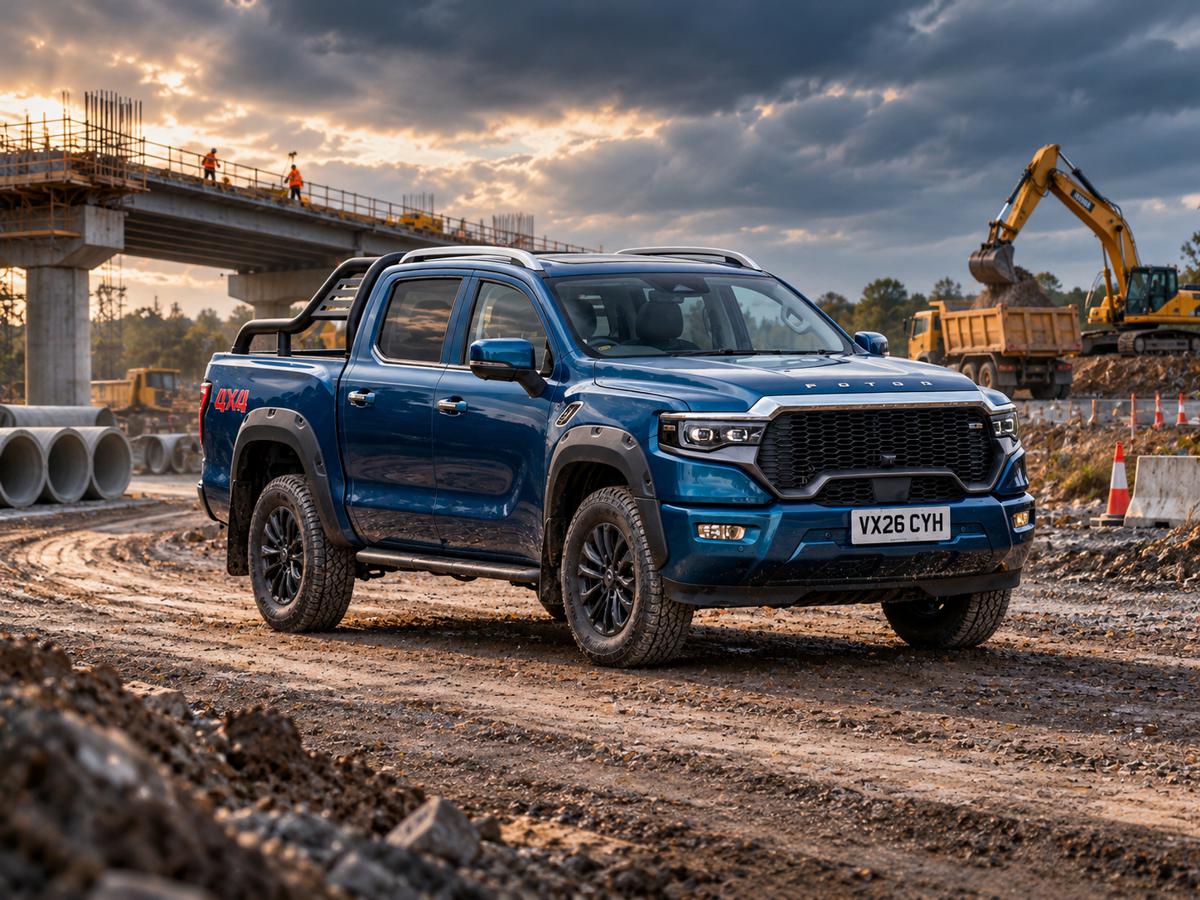
The Voltu3 sits within the US Class 3 commercial vehicle category, covering gross vehicle weight ratings above 10,000 lb and up to 14,000 lb. It is therefore a heavy-duty vocational pickup rather than the larger Class 7 or Class 8 trucks commonly associated with regional freight and long-distance haulage.
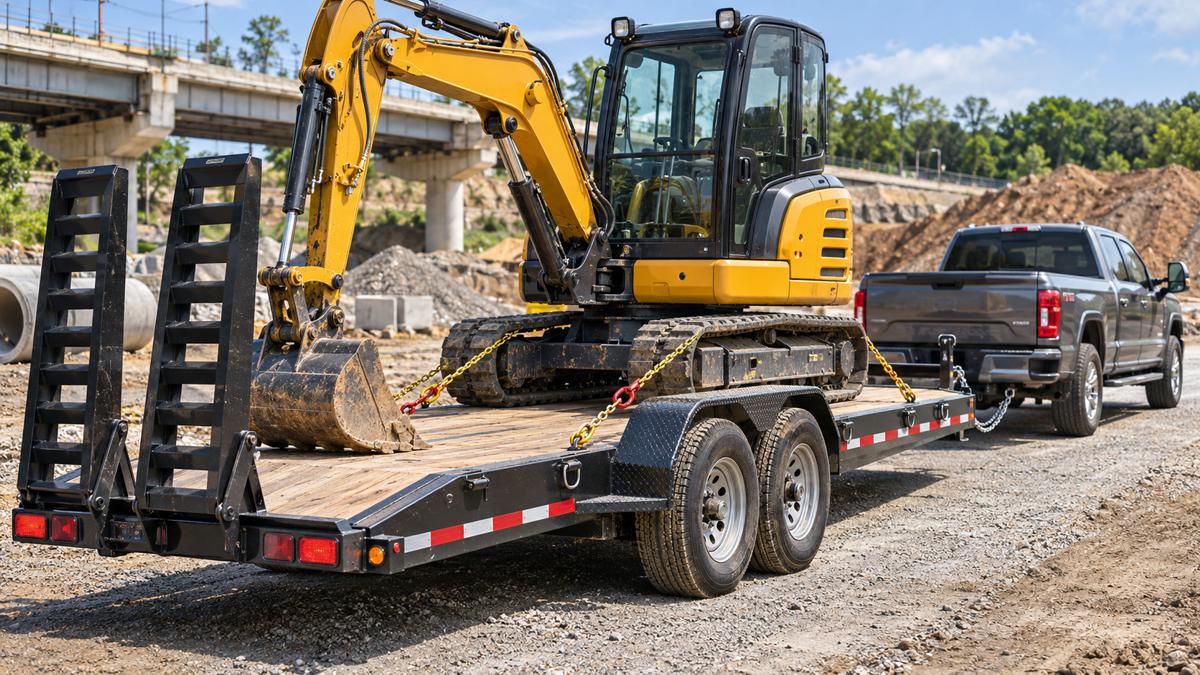
Earlier specifications published by Voltu included towing capability of approximately 17,000 lb, payload capacity exceeding 4,000 lb and driving range claims reaching 350 miles. These figures indicate the manufacturer’s intended operating market, although final specifications should be confirmed for the individual 2027 configurations.
The Riverside programme builds on previous demonstration activity involving electric trucks for municipal use. The South Coast Air Quality Management District and the Mobile Source Air Pollution Reduction Review Committee supported an earlier ten-vehicle project with combined funding of $600,000, providing a basis for evaluating the company’s electric powertrain and charging approach.
With commercial deliveries now underway, the next useful evidence will come from operational records covering vehicle availability, energy consumption, charging performance and maintenance expenditure. Those measurements will help establish how the trucks perform across different duty cycles and whether the integrated charging system produces the infrastructure savings Voltu anticipates.
Building the Voltu Charging Network
The newly announced Voltu Charging Network introduces an infrastructure commitment linked directly to vehicle deliveries. For every 2027 Voltu3 delivered, the manufacturer says it will install one public charging outlet within the following 12 months, expanding access alongside the number of vehicles entering service.
Fleet customers will receive their own Power Outlet hardware kit, while the additional public outlets are intended to provide charging opportunities beyond individual depots. The arrangement could be useful for operators working across several municipal districts or travelling between industrial facilities, where returning to a central charging location during the working day would be inconvenient.
The effectiveness of the public network will depend on its geography as much as the number of outlets installed. A charging point near a maintenance depot, industrial estate or utility operating area may be valuable to several commercial fleets, whereas installations away from established work routes could see relatively little use.
Voltu has not yet provided a comprehensive public deployment schedule, confirmed network locations or detailed charging tariffs in the announcement. It has also not specified whether every public outlet will support the maximum 200 kW charging rate, or how network access and ongoing maintenance will be managed.
The commitment introduces responsibilities extending beyond vehicle manufacture. Public charging installations require suitable host locations, electrical connections, permissions and continuing operation, all of which will influence how quickly the network develops. Individual depot outlets may be simpler to deploy where the customer’s premises already have suitable electrical capacity, but the public network will involve a broader set of site and access considerations.
Vehicle Configurations and Fleet Economics
The 2027 Voltu3 will be offered in two configurations. The standard Voltu3 is the fully equipped model, while Voltu3 Work provides a streamlined specification aimed at commercial operating requirements. Both retain the manufacturer’s claimed 200 kW onboard AC fast-charging capability and include the Voltu Power Outlet kit.
Customers can now configure and order vehicles through Voltu’s online purchasing platform, with financing available to qualifying buyers. The approach allows vehicle selection and charging requirements to be considered together, although electrical site assessments and any necessary infrastructure upgrades will remain separate elements of the deployment process.
Voltu also claims potential annual fuel savings of up to $13,000 per vehicle. That figure should be treated as an illustrative manufacturer estimate rather than a generally achievable saving, since actual results will depend on annual mileage, electricity tariffs, fuel costs, vehicle efficiency and operating conditions.
A complete fleet comparison would also account for acquisition expenditure, maintenance, insurance, charging installation and any demand-related electricity charges. Depots already equipped with suitable electrical infrastructure may face considerably lower installation costs than operators needing utility upgrades, and the economics will vary according to how intensively each vehicle is used.
Voltu’s earlier Riverside production announcement included a company claim that its charging architecture could reduce behind-the-fence charging infrastructure costs by more than 80% compared with conventional arrangements. That potential reduction has not been accompanied by a publicly available, independently validated installation comparison, and the actual saving would depend on the equipment and electrical works required at each site.
For construction and infrastructure fleets, the Voltu3’s commercial prospects will also depend on familiar purchasing considerations: payload, towing capability, bodywork compatibility, service support and reliability. Electric propulsion changes the energy supply and maintenance requirements, but contractors still need vehicles that can carry equipment, support specialised operations and remain available throughout the working day.
Voltu has now moved from demonstrating its charging architecture to supplying production vehicles and proposing a wider network of compatible outlets. Its approach offers a technically credible way to reduce dependence on standalone DC charging equipment, particularly for distributed fleets operating from premises with suitable electrical supplies.
The Riverside deliveries should provide an opportunity to compare those engineering advantages with actual installation expenditure and fleet performance. Measured charging sessions, utility costs and vehicle operating records will be more revealing than headline charging power, especially for operators deciding whether the technology can fit their existing workshops and working schedules.
Key Industry Questions
- How does Voltu’s 200 kW AC charging system work? The truck uses its propulsion inverter and motor-related circuitry to convert three-phase AC electricity for battery charging, reducing the need for a conventional external DC fast charger.
- Can a Voltu3 charge from an existing industrial electrical supply? Yes, provided the site has compatible three-phase electrical service with sufficient available capacity and appropriate protection equipment. Electrical upgrades may be required to achieve the maximum 200 kW charging rate.
- How quickly can the Voltu3 recharge? Voltu advertises charging from 20% to 80% in less than 30 minutes under suitable conditions. Actual charging time depends on available power, battery state of charge, temperature and operating conditions.
- Does the Voltu3 support conventional DC fast charging? Yes. The manufacturer states that the vehicle retains conventional DC fast-charging compatibility alongside its onboard AC charging system.
- What is the difference between Voltu3 and Voltu3 Work? Voltu3 is the fully equipped model, while Voltu3 Work is a streamlined version intended for commercial applications. Both include the same advertised onboard AC fast-charging capability.
- What type of commercial vehicle is the Voltu3? It is a US Class 3 heavy-duty electric pickup built on a Ford F-350 chassis foundation, intended for vocational applications including municipal maintenance, utility services and commercial operations.
- Where are Voltu electric trucks manufactured? Voltu operates its production facility in Riverside, California, where commercial vehicle deliveries began in June 2026.
- How will the Voltu Charging Network expand? The company has committed to installing one public charging outlet within 12 months of each vehicle delivery. Detailed public network locations and tariffs have not yet been announced.
- How much can electric fleet operators save with Voltu charging? Voltu claims potential annual fuel savings of up to $13,000 per vehicle and has previously promoted infrastructure savings exceeding 80%. Actual savings depend on fleet utilisation, electricity prices, installation costs and the conventional vehicles or charging arrangements being replaced.
Strategic Takeaways
- Integrated power conversion: Reusing propulsion electronics for high-power charging could reduce the equipment required at individual fleet charging locations.
- Existing electrical capacity: Depots with suitable three-phase supplies are likely to offer the most straightforward opportunities for installation without substantial additional infrastructure expenditure.
- Vocational compatibility: The Ford F-350 chassis foundation provides a familiar starting point for the service bodies and specialised equipment used by construction, utility and municipal fleets.
- Network deployment obligations: Linking public charging installations to vehicle deliveries creates a defined expansion commitment, but introduces ongoing site, infrastructure and operating responsibilities.
- Operational verification: Commercial fleet data from Riverside will provide a stronger basis for evaluating charging costs, vehicle availability and fleet economics than manufacturer performance claims alone.