






Jacobs Joins Major Infrastructure Redevelopment at Washington Airports
Jacobs has secured a five-year appointment with the Metropolitan Washington Airports Authority (MWAA) to provide engineering oversight, programme management and construction support across Washington Dulles International Airport and Ronald Reagan Washington National Airport. The contract brings the engineering consultancy into a major period of airport development, with Dulles alone preparing for more than US$20 billion of investment in terminals, concourses and underground passenger transport infrastructure.
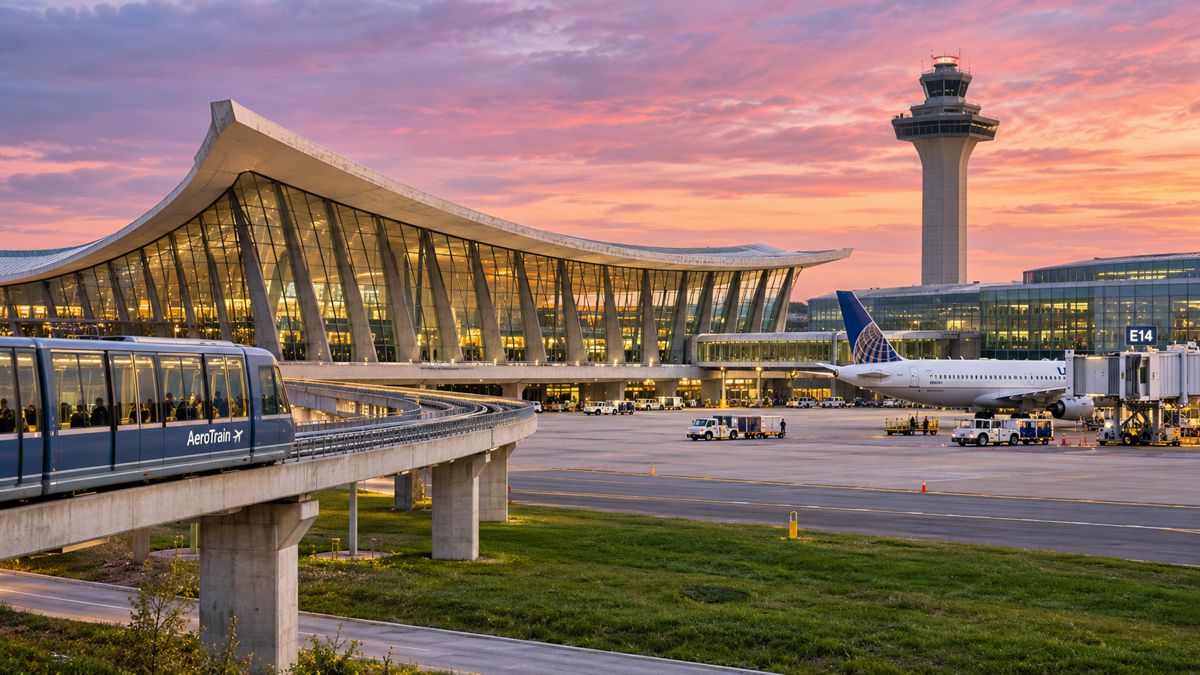
Announced on 17 November 2026, the appointment follows the opening of Dulles’ new Concourse E, a 435,000 sq ft facility providing 14 additional aircraft gates and direct access to the airport’s AeroTrain system. The concourse is the first completed phase of the Dulles Global Gateway initiative, which will progressively expand and replace substantial elements of the airport’s infrastructure over the coming decade.
Under the agreement, Jacobs will support MWAA through a range of technical and management services, potentially including engineering oversight, environmental programme support, project controls, contract administration and construction management. The five-year contract includes provisions for extensions, although its financial value has not been disclosed.
Briefing
- Jacobs has secured a five-year technical and programme management support contract covering Washington Dulles and Reagan National airports.
- Dulles Global Gateway involves more than US$20 billion in planned capital investment across terminals, concourses and transport systems.
- The airport’s new 435,000 sq ft Concourse E opened on 10 November 2026, introducing 14 gates and direct AeroTrain access.
- Package T includes extensions to the underground automated passenger transport network and new passenger and baggage connections.
- MWAA’s indicative programme places the Main Terminal expansion at US$6.2 billion and the underground transport development at US$3.75 billion.
Managing Construction Across Two Operating Airports
The two airports present different infrastructure requirements. Dulles serves as the Washington region’s principal long-haul international gateway, with extensive airfield facilities and a midfield concourse arrangement, while Reagan National occupies a considerably more constrained site close to central Washington. Both require investment in passenger processing, circulation and operational systems, although the most substantial development programme currently identified is at Dulles.
Jacobs will supplement MWAA’s existing engineering and administrative resources as individual projects move through design, procurement and construction. Its responsibilities may extend from reviewing engineering designs and monitoring construction progress to coordinating environmental requirements, contractual arrangements and project schedules. The precise allocation of work between Jacobs and other delivery organisations will depend on the individual projects and contracts.
Much of that work must take place while the airports remain fully operational. Contractors will need to accommodate aircraft movements, passenger circulation, security restrictions and existing baggage and transport systems, with temporary access arrangements and construction logistics carefully integrated into daily airport operations. At Dulles, the requirement becomes more complex as new concourses and underground connections are introduced alongside facilities that must continue serving passengers until their replacements are available.
Jacobs Aviation Market Director for the Americas, Steve Pelham, described the challenge: “Modernizing airports while they remain fully operational requires careful planning, smart construction sequencing and close collaboration among airport operators, airlines and project delivery organizations. Working alongside MWAA, United Airlines and other stakeholders, we’ll deliver improvements that enhance the passenger experience, strengthen connectivity and accommodate future growth at Washington Dulles.”
The company has an established aviation portfolio, with work at Hartsfield-Jackson Atlanta International Airport, Los Angeles International Airport, Denver International Airport and Baltimore/Washington International Thurgood Marshall Airport. Its previous involvement in the Metrorail Silver Line extension, which brought Washington’s regional rail network to Dulles, is also relevant to the underground transport work now being planned.
Dulles Global Gateway Takes Shape
The scale of the Dulles redevelopment extends well beyond additional aircraft gates. According to MWAA’s published Dulles Global Gateway programme, the initiative encompasses more than five million square feet of new or renovated airport facilities, including changes to the Main Terminal, international arrivals processing, concourse infrastructure and ground transportation.
A central element is the expansion and modernisation of the original Main Terminal, designed by architect Eero Saarinen. The building’s distinctive sweeping roof and architectural character will be preserved while adjoining facilities are reconfigured to accommodate more efficient ticketing, security screening and international passenger processing.
MWAA currently estimates the Main Terminal expansion at approximately US$6.2 billion, with construction potentially beginning in spring 2027. Planned improvements include new international gates, an expanded US Customs facility, additional baggage connections and a pedestrian link to the existing A/B concourse. Regional aircraft gates within the current Concourse A area would also be replaced with modern contact gates.
Elsewhere across the airfield, the programme provides for the extension of Concourse E, the construction of a new domestic Concourse G and the eventual replacement of ageing sections of the C/D concourse complex. The proposed developments will be introduced in phases, allowing replacement aircraft gates and associated passenger facilities to become operational before older structures are removed.
The programme’s published timetable extends well into the 2030s, with certain later concourse developments dependent on passenger demand. MWAA’s estimates establish the current scale and intended sequence of the work, although detailed construction schedules and costs remain subject to the progress of design, procurement and funding arrangements.
Package T and the Underground Transport Network
Among the more technically demanding elements of the redevelopment is Package T, covering an extension of Dulles’ underground automated passenger transport network and the construction of a new passenger and baggage transport spine.
The airport already operates the AeroTrain system between its Main Terminal and selected concourses, although parts of the passenger transport network continue to rely on the distinctive mobile lounges and plane mates associated with the airport’s original design. The planned underground extensions are intended to provide improved connections to future concourse developments and eventually enable the retirement of the ageing mobile lounge fleet.
On 21 October 2026, MWAA issued a request for information for Package T, seeking industry feedback on procurement and delivery arrangements ahead of the next stages of development.
The package comprises two principal components. The first involves enabling works and extensions of the automated people mover tunnel and system towards the future Concourse C West and Concourse D West facilities. The second provides for a new underground centre spine connecting the Main Terminal and airport concourses through passenger and baggage transport infrastructure.
MWAA estimates the wider underground transport development at approximately US$3.75 billion, with construction currently expected to begin in early 2028. The authority’s procurement documents identify significant interfaces with Packages A, C and D, requiring the tunnel works, stations and transport connections to be coordinated with adjoining terminal and concourse developments.
These interfaces introduce considerable engineering requirements. Excavation support, waterproofing and the management of ground conditions will need to be addressed alongside tunnel ventilation, emergency access, fire protection and the integration of mechanical and electrical systems. The design must also allow connections to facilities being developed under separate contracts, some of which will be constructed while existing airport services remain in operation.
The October request for information seeks industry input on delivery strategy and construction logistics before the authority proceeds with procurement. It remains a market research exercise rather than the award of a construction contract.
MWAA President and CEO Jack Potter linked Jacobs’ appointment directly to this work: “Package T, which is an extension of the airport’s underground train system and related work, is a key component of our Dulles Global Gateway initiative to transform and modernize the Washington area’s premier international airport. Jacobs, with its blend of aviation, rail and transportation experience, including work on the Airports Authority’s recent construction of the Metrorail Silver Line project, will be instrumental in moving this important project forward.”
The Silver Line connection provides useful background to Jacobs’ selection. The 23-mile extension of Washington’s Metrorail network brought rail services directly to Dulles, involving new stations and transport infrastructure along the airport corridor. Package T presents a different engineering environment, but its integration with existing passenger movements and future airport development requires a similarly coordinated approach.
Concourse E Opens the Next Phase of Development
The opening of Concourse E on 10 November 2026 provides an indication of the construction already being delivered at Dulles. The 435,000 sq ft facility introduces 14 aircraft gates, enlarged passenger waiting areas, dining and retail facilities, and a United Airlines lounge approaching 40,000 sq ft.
Direct access to the AeroTrain connects the concourse with the Main Terminal, allowing passengers to reach the new gates without relying on surface transfers. The facility has also been designed with operational flexibility, with gate configurations that can accommodate either one widebody aircraft or two narrowbody aircraft.
According to United Airlines’ announcement, the opening represents the first of four planned Concourse E construction phases. Subsequent development is expected to add up to 36 further United gates, together with international passenger processing facilities and additional airline amenities.
The initial concourse was delivered through a design-build arrangement involving Turner Construction and PGAL. It provides additional capacity ahead of further developments that will progressively alter the arrangement of the airport’s midfield facilities.
MWAA’s broader plans also include extending Concourse E, which is ultimately intended to be redesignated Concourse C, and introducing a new Concourse G towards the southern end of the airfield. The proposed Concourse G would be developed in stages to serve domestic operations, with the timing of later phases determined by demand.
Existing sections of the C/D concourse complex are scheduled for demolition only after sufficient replacement gates have become available. The authority also proposes a new 33-gate regional concourse within the redeveloped area, although its delivery will depend on future capacity requirements.
Programme Funding and Commercial Development
The financial arrangements behind Dulles Global Gateway are substantial, with MWAA planning to finance the core investment primarily through airport-generated revenues and bonds supported by airline charges. The authority has indicated that conventional taxpayer funding is not intended to finance the programme, apart from a potential federal grant contribution towards demolition of the ageing C/D concourse.
According to MWAA’s published plans, the cost of the principal developments includes approximately US$6.2 billion for the Main Terminal expansion, US$3.75 billion for the underground transport network, US$4 billion for further Concourse E development and US$3.7 billion for Concourse G. These remain programme estimates rather than the final values of awarded construction contracts.
The authority is also considering additional developments beyond the immediate terminal and airfield programme. Potential projects include expanded parking facilities, a closer rental car centre, cargo infrastructure, hospitality accommodation and other commercial uses across the airport estate.
Some of these facilities could attract private investment through public-private partnerships. MWAA has suggested that the combination of core infrastructure and associated development could eventually bring total investment across the Dulles campus towards US$30 billion, although that higher figure includes opportunities that have not yet become committed construction projects.
The financing structure places considerable importance on the timing of capital expenditure. Airport revenues, airline charges and borrowing costs must be managed alongside the introduction of new capacity, particularly where construction activity extends over several years before additional facilities begin generating revenue.
Jacobs’ appointment adds technical and programme management capacity during the period when several major contracts are expected to overlap. Its work will sit alongside the responsibilities of separately appointed designers, construction contractors and other professional advisers, with the authority retaining responsibility for the wider development programme.
Long-Term Airport Capacity
The redevelopment is intended to change how passengers move through Dulles, with new concourse connections, expanded baggage systems and improved access to international processing facilities. MWAA is also examining potential future mobility technologies, including faster moving walkways and small autonomous shuttle systems, although these remain prospective improvements rather than confirmed construction commitments.
At Reagan National, Jacobs’ appointment provides for similar categories of engineering and programme support, but the company’s announcement offers fewer details about the specific projects that will fall within its responsibilities. The immediate scale of the Dulles programme consequently provides the clearest indication of the work likely to occupy the consultancy over the coming years.
The programme will continue through successive construction and commissioning stages, with the Main Terminal expansion, underground transport works and concourse development following different delivery schedules. Several of the later phases remain dependent on how passenger numbers and airline operations develop, while the older C/D concourse facilities will continue serving the airport until their replacements are ready.
With Concourse E now operational, Dulles has moved from programme planning into the delivery of its first major new passenger facilities. The next stages will involve substantially larger construction packages, including the expansion of the Saarinen terminal and an underground transport network designed to serve the airport well beyond the current redevelopment programme.
Key Industry Questions
- What is Jacobs’ role in the Washington airports modernisation programme? Jacobs has been appointed to provide technical, engineering and programme management support under a five-year contract. Its potential responsibilities include engineering oversight, project controls, environmental support, contract administration and construction management.
- How much is the Dulles Global Gateway programme expected to cost? MWAA has outlined more than US$20 billion in planned capital investment. Additional commercial and airport estate developments could increase the total towards US$30 billion, although these longer-term opportunities are not all committed construction projects.
- What is Package T at Washington Dulles? Package T covers extensions to the AeroTrain underground automated people mover system and the development of new passenger and baggage transport connections between the Main Terminal and airport concourses.
- When will construction begin on the major Dulles projects? MWAA’s indicative programme identifies spring 2027 for the Main Terminal expansion and early 2028 for the underground transport development. Other concourse packages are already under construction or progressing through design and procurement.
- What has already been completed at Dulles? The first phase of Concourse E opened to passengers on 10 November 2026, introducing 14 aircraft gates, direct AeroTrain access and expanded passenger amenities.
- Will the existing Dulles Main Terminal be demolished? No. MWAA plans to preserve Eero Saarinen’s original terminal architecture while expanding and modernising the adjoining passenger processing facilities.
- Will Dulles continue using its mobile lounges? The long-term programme is intended to enable their retirement through expanded underground transport and improved pedestrian connections. Existing vehicles will continue serving the airport while replacement infrastructure is developed.
- Is Jacobs responsible for constructing the new terminals and tunnels? The appointment covers technical and programme delivery support rather than a single contract to construct all facilities. Individual construction packages are subject to separate procurement and delivery arrangements.
Strategic Takeaways
- Programme integration remains a central delivery challenge. Underground transport, terminal expansion, baggage systems and concourse construction involve multiple physical interfaces and overlapping contracts.
- Replacement capacity will determine the construction sequence. New aircraft gates and passenger facilities must become operational before ageing concourses can be removed.
- Package T introduces substantial underground engineering requirements. Tunnels, stations and transport systems must connect existing airport operations with facilities still progressing through design and procurement.
- Phased investment provides commercial flexibility. MWAA plans to introduce additional facilities progressively, with some later developments dependent on passenger demand and airline requirements.
- Technical oversight will extend across multiple project organisations. Jacobs’ appointment provides additional engineering and management resources without replacing the separately procured design and construction contracts.