How Contractors Reduce Drainage Failures in Highway Projects
Water pooling near roads spells trouble if left unchecked. Foundations soften when soaked too long. Soil slips away beneath pavement without proper flow paths.
Builders know gaps in drainage lead to bigger issues down the line. Attention during setup pays off later. Mistakes at the start echo through years of wear. Planning ahead keeps surfaces stable. Well-built channels handle runoff before it causes harm.
Neglect shows up fast under heavy rain. Smart moves on day one cut repairs later. Long life for roads ties directly to how water moves around them.
Site Check and Water Testing
Right off, crews check the land carefully to see where rainwater will go once work starts. Instead of guessing, they map out slopes, dirt types, past storms, and rivers close by. With solid numbers in hand, builders can spot spots that might flood or wash out roads later. Since wet ground weakens pavement, knowing what lies beneath steers how drains get placed. Water trouble avoided early means fewer repairs down the line when weather hits hard.
When rain shifts with the seasons, smart checks of water patterns let builders stay ahead. Highways face everything – downpours one week, melting ice the next. Because runoff changes so much, teams study how much water moves where. That way, drains handle surges before they turn into problems. Staying alert like this keeps roads steady through years of wet and dry swings.
Drainage System Design
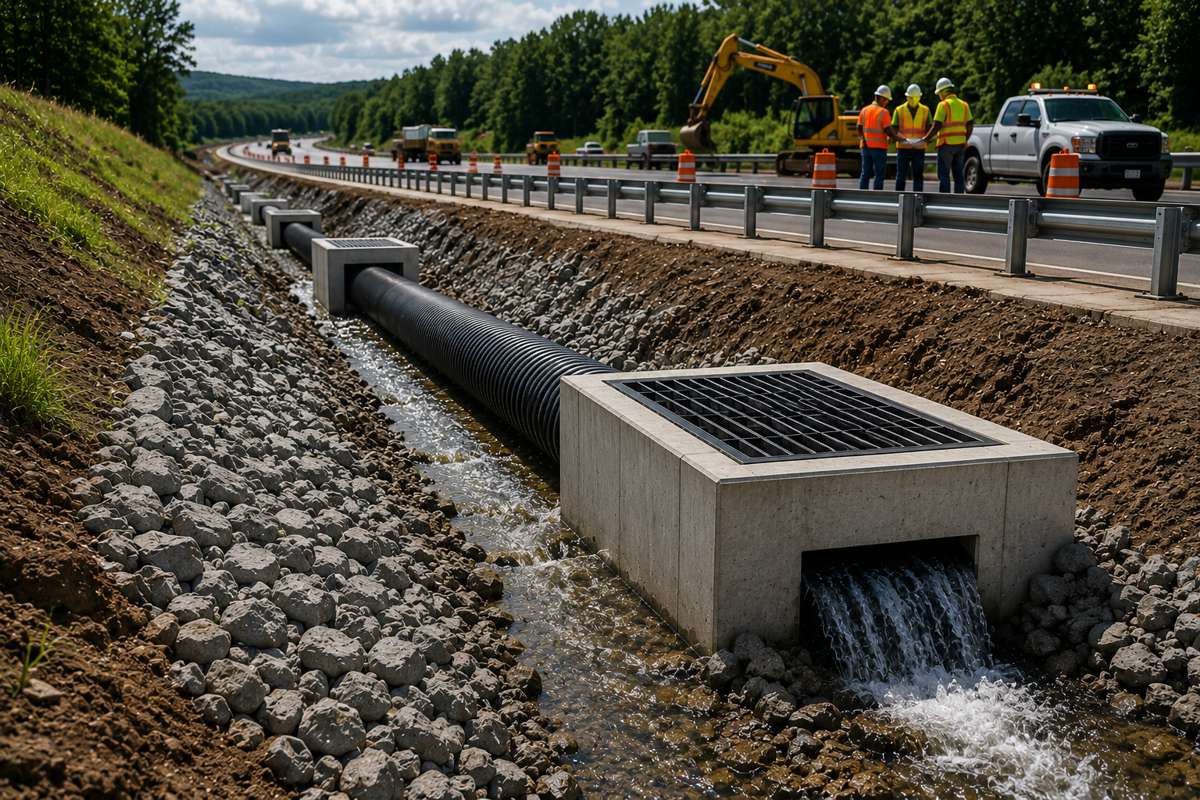
A good layout of drains helps stop problems before they start. Builders team up with designers so tunnels, trenches, tubes, and catch basins handle the right amount of runoff. If each piece fits into a smooth system, rain moves off roads fast enough to avoid harm underneath.
Water movement stays steady when design choices are made carefully. Stagnant spots or reverse flows might cause trouble later down the line. During big storms, a plastic check valve sometimes steps in to guide water the right way. Each piece picked for the system plays a role in how well it drains over years. Long-term success ties closely to choosing parts that fit their job.
Flow Control and System Protection
Water movement along roads needs careful handling beyond just redirecting it elsewhere. Instead of rushing runoff off quickly, builders aim to slow it down using smart placement of barriers and channels. These setups guide liquid force safely by breaking its momentum before trouble starts. Structures like basins or chutes scatter energy so soil stays put near pavement edges. Even small changes in slope or outlet spots make a difference when rain surges happen. Nearby land benefits too since flooding risks drop with steady release methods.
Some jobs might need special gear tucked inside drain lines. Take roadside upkeep spots – these often run ball valves to handle water flow. Because each piece fits the bigger picture right, the whole setup handles stress better. Dependability grows when parts work together like they should.
Choosing Materials and Parts
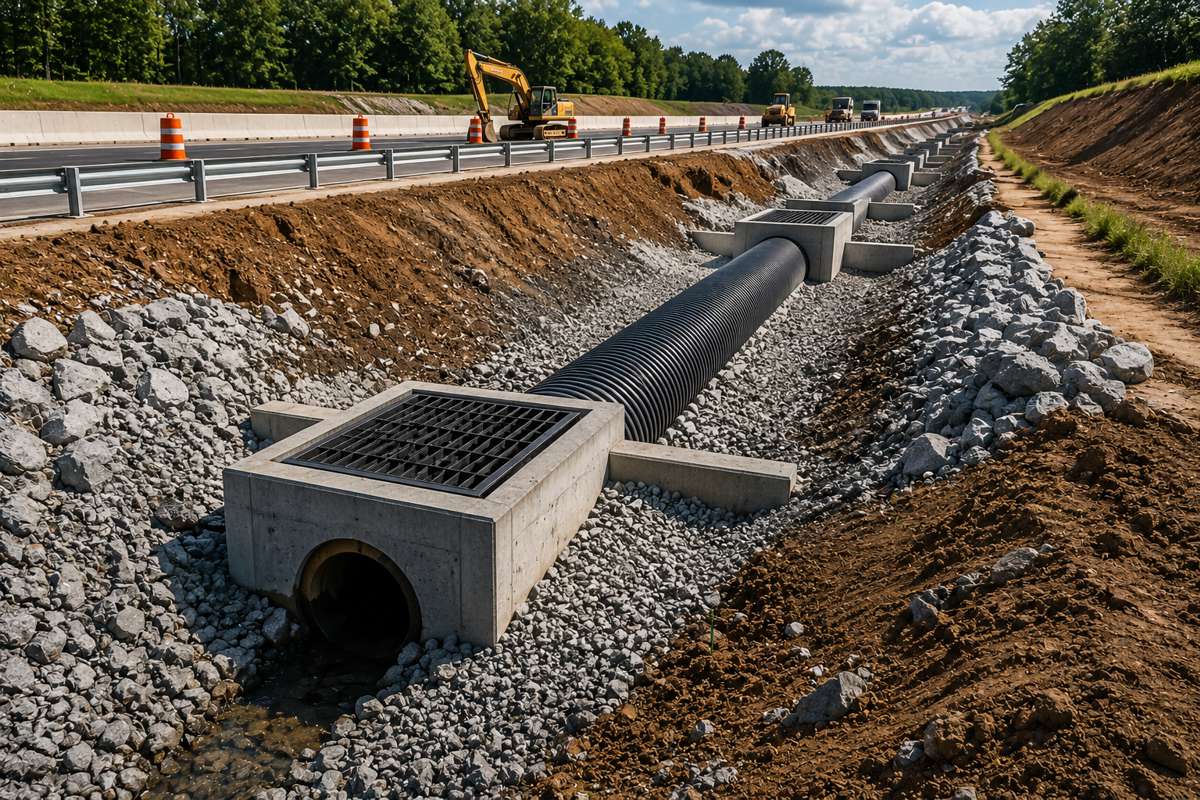
Out in the open, sun and rain test every piece used below ground. Pipes get checked one by one – same goes for joints and supports – not just for strength but how they hold up when earth shifts beneath them. When things last longer, cracks show up less often, which means fewer surprises during storms or heavy loads above. Fewer breakdowns keep roads moving without sudden digging or big repair bills popping up.
Water flow control often relies on more than just big parts. Sometimes, a small piece like a pvc check valve makes a difference in how well drains work. The project needs to shape which items get picked for installation. When materials stand up to rust, they last longer where conditions are tough. Long-term function ties closely to what goes into the build – not only size but smart choices matter.
Building Methods and How Well Things Are Installed
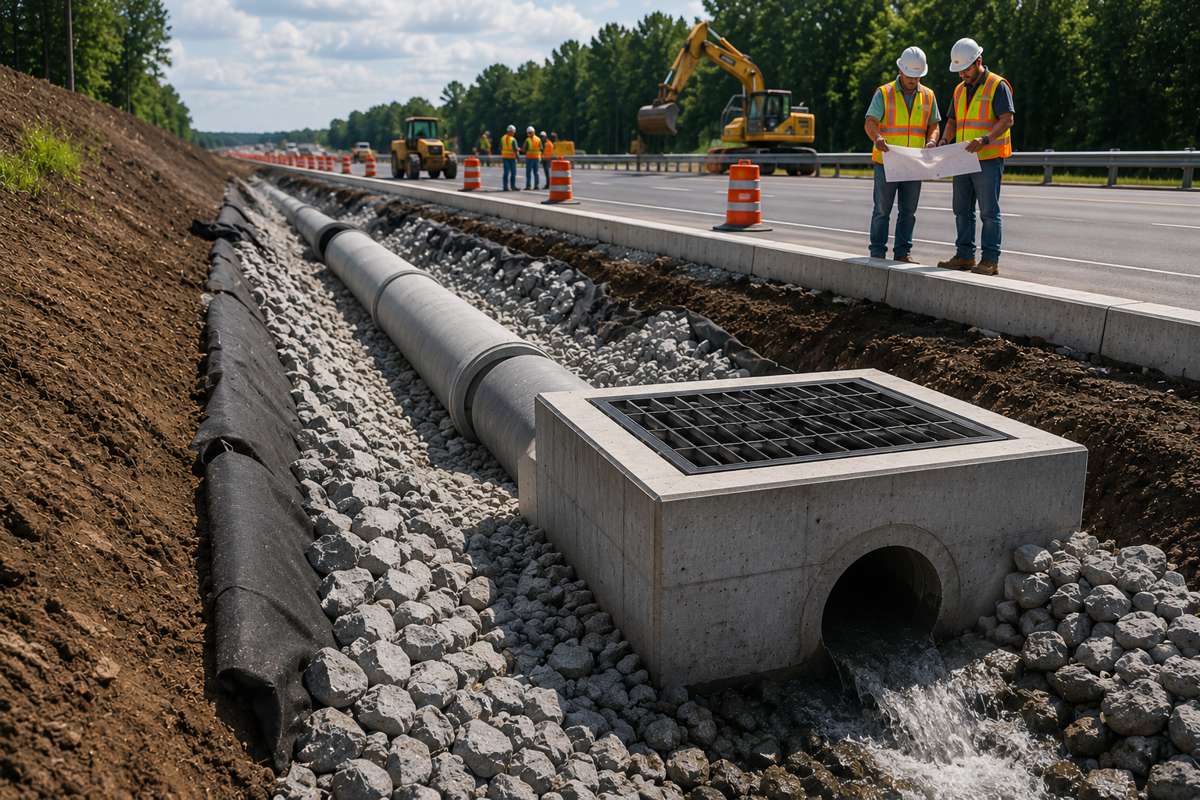
A top design still fails when setup goes wrong. Quality work matters most to those building it. Grading right comes first, then trenches get shaped before pipes go in straight. When layers pack down well afterward, the system stays strong over years. Small mistakes at the start often lead to cracks or clogs later.
Drainage systems must sit exactly where planned. Because even tiny misalignments might trap water or weaken flow. Workers check height and tilt regularly across the site so runoff moves properly to set exit points. Mistakes here often cause puddles or clogged pathways later on. Watching every step closely while building catches glitches early – before they grow worse.
Inspection and Ongoing Care
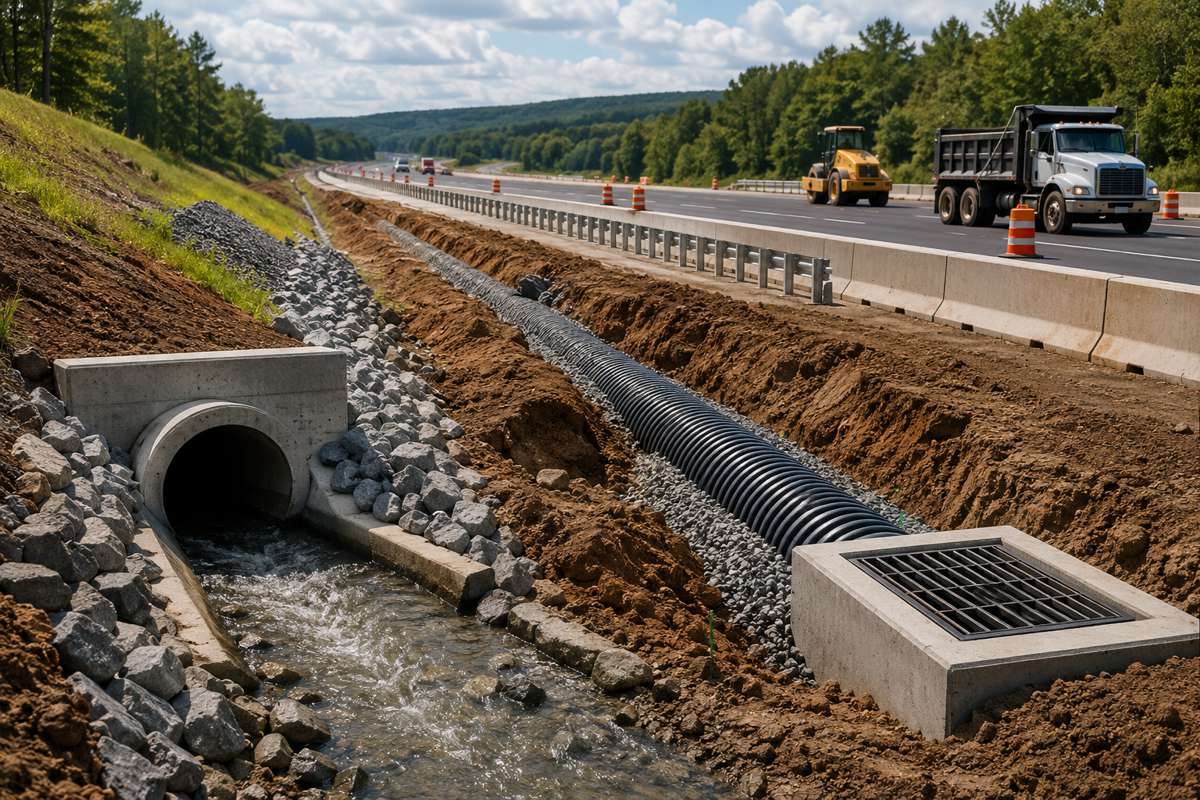
After building finishes, work isn’t done. Highway crews get guidance from builders on how to keep drains working well. Spotting problems early – like dirt pileup or worn parts – happens through routine checks. When teams act fast, small flaws stay small. Fixing things ahead of time stops big breakdowns later.
Most people overlook how upkeep backs durability in road systems. Draining gunk from ditches, swapping broken parts, yet checking runoff patterns – it all adds up over time. When routines stick, drainage setups keep working right without surprise bills piling up later.
Water problems on highways drop when builders plan well. Good layouts keep things flowing smoothly. Strong pipes and solid ground matter just as much. Getting each step right makes systems work better over time. Mistakes fade when workers pay close attention. Roads stay safer because water moves where it should. Long lasting roads start with smart choices early on.