BEX Asia 2026 Puts Practical AI and Robotics at the Centre of Construction Technology
More than 200 exhibiting brands will gather at Marina Bay Sands in Singapore from 2 to 4 September for BEX Asia 2026, but one number gives a better indication of where the exhibition is heading: organisers expect around 60% of exhibitors to showcase products or solutions involving artificial intelligence.
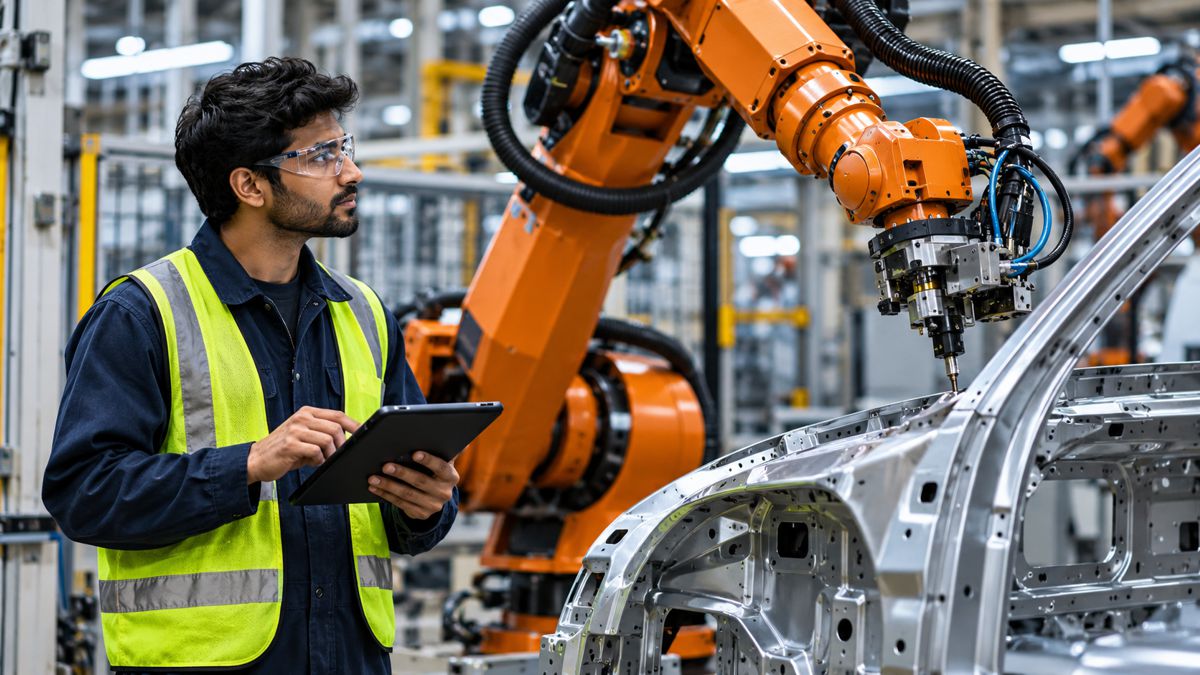
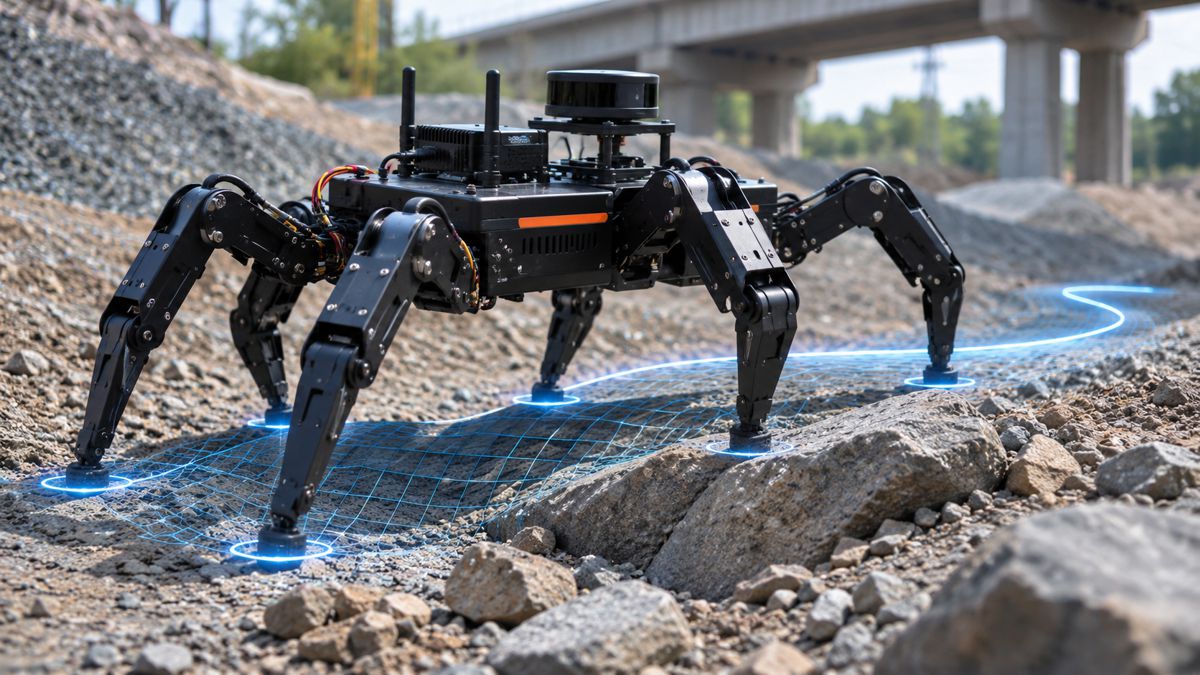
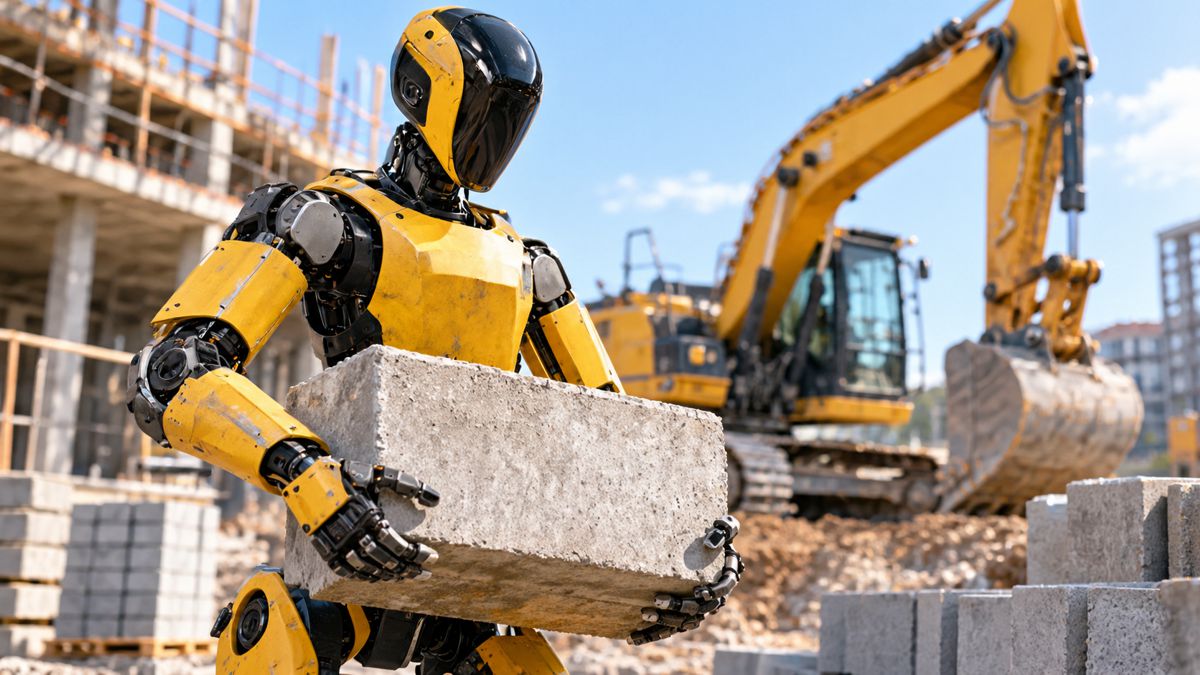
That would have sounded remarkably ambitious for a construction and built-environment exhibition only a few years ago. In 2026, AI is increasingly being applied to BIM workflows, tendering, contract management, inspections, progress monitoring, documentation and facilities management, while construction robotics are moving into tasks ranging from painting and concrete finishing to material transport and road marking.
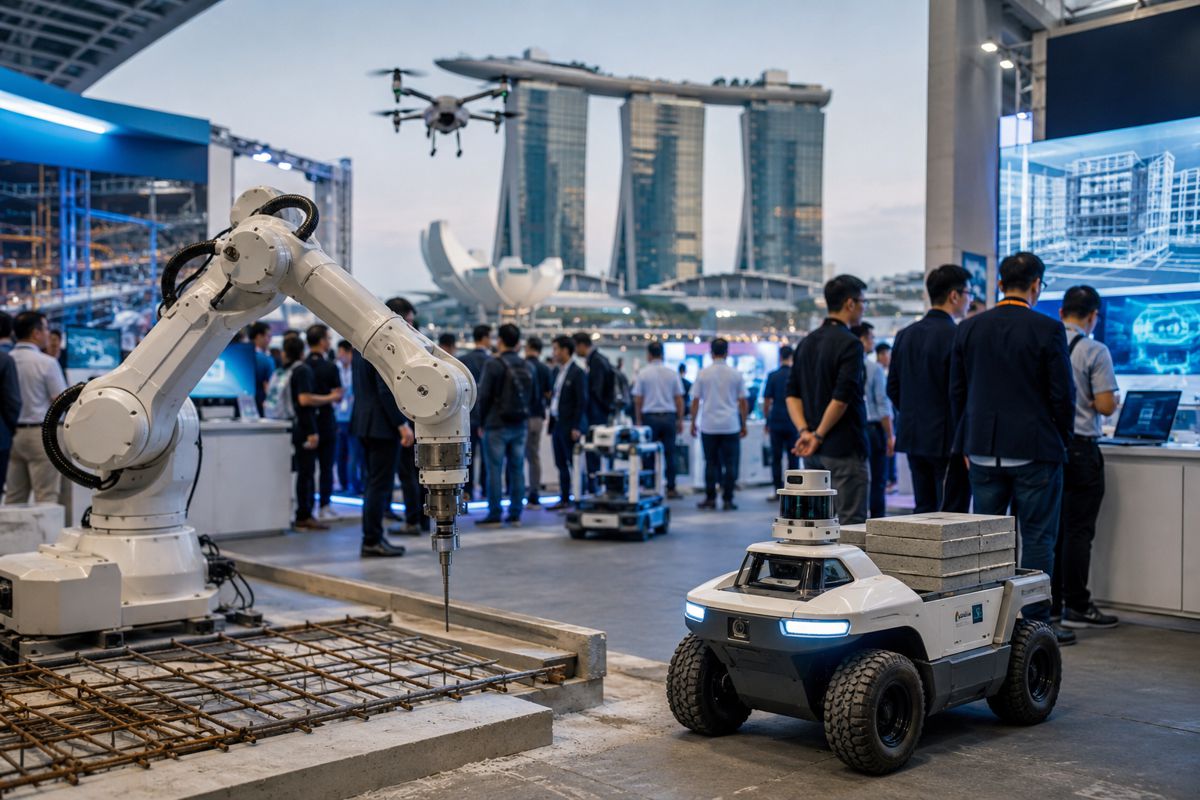
BEX Asia is reflecting that change with a new Build with AI Pavilion and Build with Robotics Demo Zone, placing working applications alongside the more familiar building systems, materials and technologies of a major industry exhibition. Around a quarter of the brands attending are also expected to introduce new products.
The setting is particularly relevant. Singapore’s Building and Construction Authority has been encouraging greater use of AI, robotics, automation, Integrated Digital Delivery and advanced construction methods as it looks for productivity gains across a sector facing sustained demand. Increasingly, those technologies are being drawn into grants, procurement, project delivery and wider construction policy.
Briefing
- BEX Asia 2026 takes place at Marina Bay Sands, Singapore, from 2 to 4 September.
- More than 200 exhibiting brands are expected, with approximately 60% showcasing AI-related products and solutions.
- Around 25% of exhibitors are expected to introduce new products.
- The new Build with AI Pavilion and Build with Robotics Demo Zone will concentrate on practical applications.
- BEX Asia forms part of International Built Environment Week 2026, alongside seminars, masterclasses, robotics sessions and business matchmaking.
From Demonstration to Deployment
Construction has accumulated no shortage of technology demonstrations. The more difficult stage has always been getting those technologies onto everyday projects, where they must operate within existing workflows, regulations, contracts and commercial constraints.
The technologies being presented at BEX Asia suggest that gap is narrowing. The exhibition will include immersive 3D environments for planning, inspection and facilities management; AI video analytics designed to identify unsafe behaviour and issue real-time alerts; connected platforms tracking workers, equipment and project progress; carbon-management tools; and live demonstrations of robotics for construction and building operations.
These applications overlap closely with areas where Singapore is already encouraging adoption. BCA identifies AI use cases covering knowledge and document review, AI-enhanced BIM, tender and contract management, inspections, progress analytics, site reporting and workflow automation. Its robotics programme lists more than 20 ready-to-deploy solutions covering structural, architectural and building-services work, deployed across more than 50 projects.
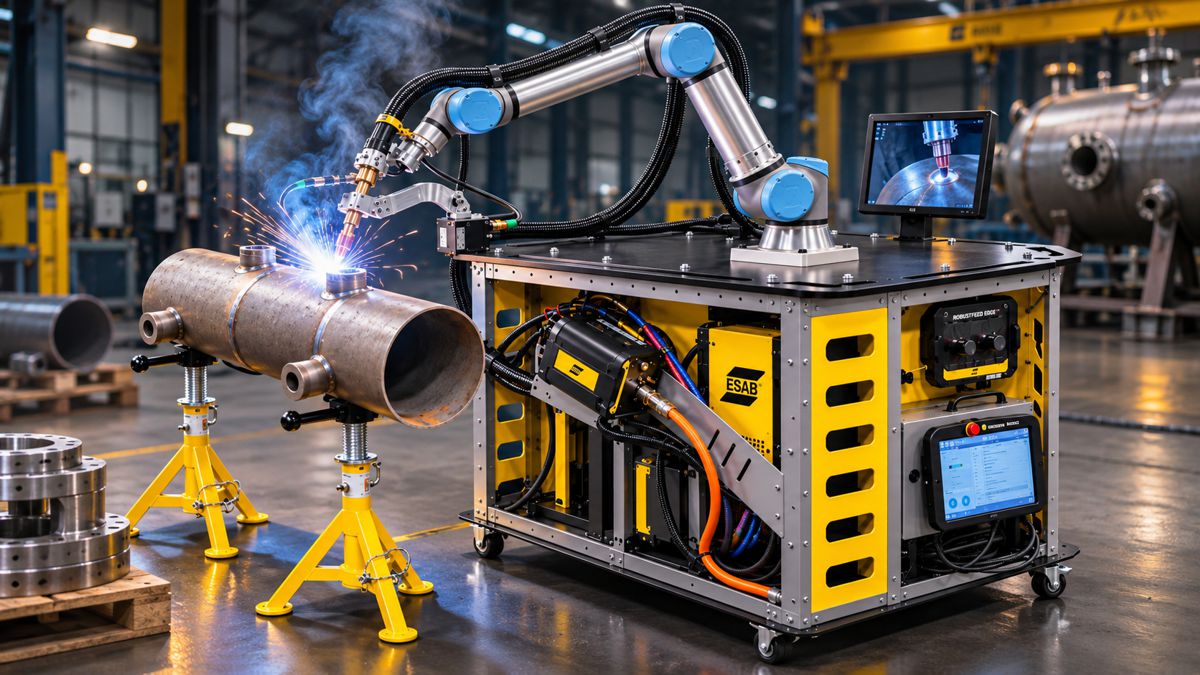
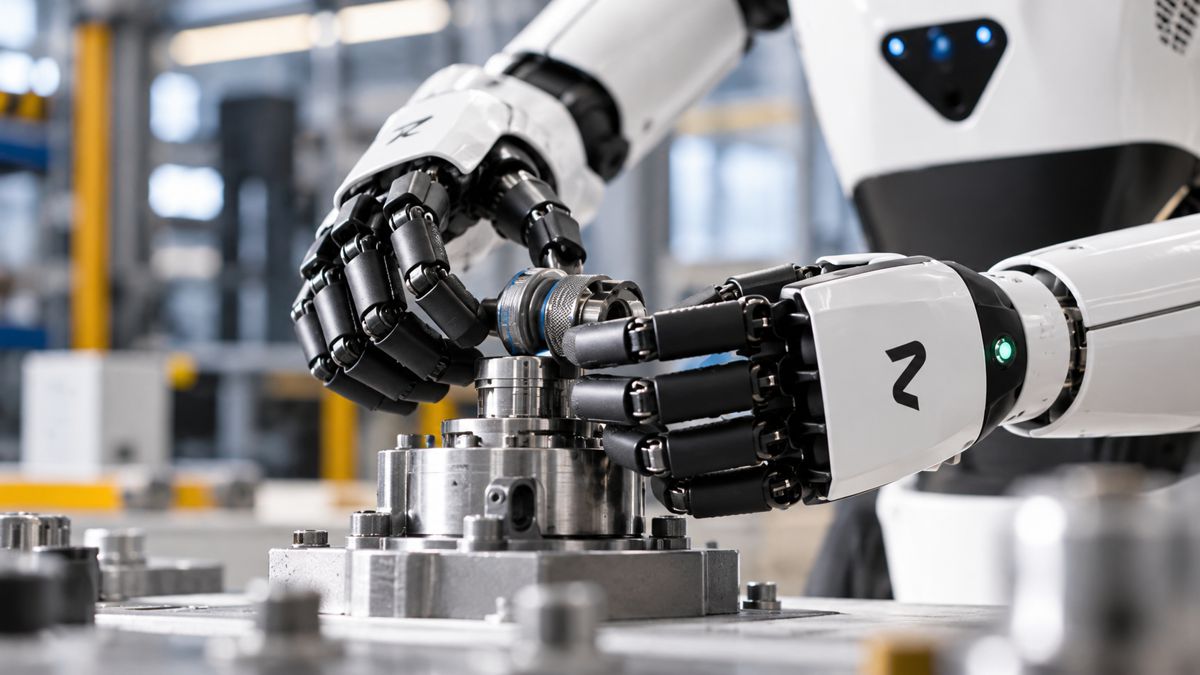
The robotic applications themselves are notably practical. Welding, rebar tying, concrete finishing, painting, floor tiling, grinding, drilling and anchoring, road marking and material transportation are among the activities already covered by available systems. Rather than attempting to automate an entire construction site, developers are tackling individual activities where repetition, physical effort, precision or labour requirements make mechanisation useful.
Singapore is also supporting adoption financially. An enhanced Built Environment Productivity Solutions Grant running from April 2026 to March 2031 expands support beyond digital software to advanced equipment including robotics and automation. The government said in January that supported robotic equipment can potentially achieve manpower savings of up to 50% for individual construction trade activities, although actual results will depend on the application and project.
Singapore’s Productivity Push
BCA expects Singapore’s construction demand to reach S$47 billion to S$53 billion during 2026, broadly in line with 2025, supported by major programmes including Changi Airport Terminal 5, the Marina Bay Sands expansion, Tengah General and Community Hospital and extensions to the country’s rail network.
Maintaining that workload while reducing manpower dependency has made productivity a long-running policy priority. Design for Manufacturing and Assembly, Integrated Digital Delivery, robotics and automation already sit within Singapore’s built-environment transformation framework, while public-sector procurement is being used to encourage advanced construction technologies, standardisation and greater consideration of productivity during project planning.
BCA has also introduced measures intended to make emerging technologies easier to test and adopt, including sandbox facilities at its Built Environment Innovation Hub and procurement mechanisms designed to help pilot successful technologies on projects before wider deployment. That environment gives BEX Asia a different complexion from an exhibition built primarily around prototypes and technology demonstrations.
“The built environment sector continues to see strong demand, but firms across Singapore and the region are also facing growing pressure to deliver projects more efficiently, improve productivity, and meet increasingly ambitious sustainability goals,” said Yeow Hui Leng, Managing Director, RX Singapore. “BEX Asia 2026 responds to these industry needs by bringing together practical solutions—from AI-powered workflows and robotics to advanced construction and smart building technologies—that can help organisations transform the way they plan, build and operate. More than an exhibition, BEX Asia is where the industry comes together to explore practical solutions and exchange ideas, while building and maintaining valuable business connections.”
Connecting Construction Data
AI systems, autonomous equipment and sophisticated analytics become considerably more useful when the information surrounding a project is already digital, structured and accessible.
BEX Asia exhibitor IDA Technology describes the problem in straightforward terms. “The biggest challenge today isn’t a lack of technology—it’s making sure information doesn’t get lost as projects move from design to construction and operations. When project teams are working from connected and up-to-date information, they make better decisions, reduce rework and deliver projects more efficiently. BEX Asia creates an important opportunity for the industry to see how these solutions are being applied in practice, exchange ideas with peers, and accelerate digital transformation across the built environment,” said Cheong Wan Ying, Chief Advisory Officer, IDA Technology.
Singapore’s Integrated Digital Delivery programme has already sought to connect stakeholders and working processes across the building lifecycle. AI potentially extends that infrastructure by interrogating project documents, checking models, analysing imagery, estimating quantities, reviewing tenders and automating routine reporting.
Robotics creates a similar dependency in the physical world. A machine capable of carrying materials, inspecting a building or undertaking finishing work becomes more useful when it can interact with digital project information and the surrounding building infrastructure. BCA-supported projects are already exploring interoperability between robots from different manufacturers and shared infrastructure such as lifts, alongside development of tele-operated excavator systems. Software, machines and project information are consequently becoming progressively harder to consider in isolation.
A Regional Technology Marketplace
BEX Asia’s international composition broadens the discussion beyond Singapore. Organisers expect around 35% of exhibiting brands to come from overseas, with companies represented from Australia, Canada, China, Denmark, Hong Kong, Israel, Italy, Japan, South Korea, Switzerland and the United States.
Dedicated international areas will include an Ontario pavilion, Hong Kong Science and Technology Parks and Solutions from China. Singapore Polytechnic will also be represented, alongside exhibitors including Camfil, BARO Construction, YITAC, BKTECH, Spatial Intelligence for Design, Technoform Bautec and Paper Kosong Solutions. The latter will demonstrate an AI-powered paperless inspection-management platform intended to streamline inspection workflows.
For overseas technology companies, successful deployment frequently depends on local adaptation. Robots encounter different construction methods, regulations and labour economics from one market to another. Digital platforms have to accommodate local contractual practices and standards, while building technologies face different codes, climates and procurement systems.
Singapore’s Built Environment Innovation Hub includes sandbox facilities where emerging technologies and re-engineered construction processes can be tested under conditions relevant to the local industry. An exhibition connecting overseas developers with contractors, consultants, building owners and potential local partners therefore sits within an established route towards testing and adoption.
International Built Environment Week
BEX Asia is the anchor exhibition within International Built Environment Week 2026, which runs over the same three days at Marina Bay Sands under the theme “Empowering People, Accelerating Intelligence”.
Within BEX Asia, more than 18 masterclasses and seminars are planned, covering AI, digitalisation, sustainability and emerging construction technologies. Singapore Green Building Council sessions will also provide opportunities to earn Continuing Professional Development points.
Programme highlights include Future of Robotics for the Built Environment, examining applications in construction and facilities management; Build with the Philippines: A Forum on Partnership Opportunities with Singapore; and Nexus: Bridging Artificial Intelligence and Sustainable Design Innovation. Curated matchmaking and networking sessions will run alongside the technical programme.
For an industry that has spent much of the past decade hearing what artificial intelligence, digital construction and robotics might eventually accomplish, BEX Asia 2026 arrives at a more interesting stage. Singapore already has robotic systems operating on construction projects, government support available for adoption, technology sandboxes for testing and procurement mechanisms intended to encourage productivity-enhancing technologies.
The exhibition floor will show how much of the technology industry is ready to meet that opportunity.
Key Industry Questions
- When and where is BEX Asia 2026? BEX Asia takes place from 2 to 4 September 2026 at the Expo and Convention Centre at Marina Bay Sands in Singapore.
- How large is BEX Asia 2026 expected to be? Organisers expect more than 200 exhibiting brands, with approximately 35% coming from overseas.
- How prominent will artificial intelligence be? Approximately 60% of exhibiting brands are expected to showcase AI-related products or solutions, according to the organisers.
- What is new at BEX Asia in 2026? The Build with AI Pavilion and Build with Robotics Demo Zone are new additions intended to demonstrate practical AI and automation applications.
- Where is AI currently being applied in construction? Applications identified by Singapore’s BCA include BIM workflows, document and regulatory review, tendering, contracts, inspections, progress analytics, reporting and project-data management.
- Are construction robots already being deployed in Singapore? Yes. BCA lists more than 20 ready-to-deploy robotics and automation solutions and says these have been deployed across more than 50 projects.
- What construction activities are being automated? Current applications include welding, rebar tying, concrete finishing, painting, tiling, grinding, drilling, road marking and material transportation.
- Is financial assistance available for construction automation in Singapore? Yes. The enhanced Built Environment Productivity Solutions Grant includes support for eligible SMEs adopting approved digital solutions and advanced equipment including robotics and automation.
- How does BEX Asia relate to International Built Environment Week? BEX Asia is an anchor exhibition of IBEW 2026, which also takes place at Marina Bay Sands from 2 to 4 September.
Strategic Takeaways
- Construction AI is moving into routine project functions including documentation, inspections, contracts and progress monitoring.
- Robotics adoption is developing task by task, particularly in repetitive, labour-intensive and physically demanding activities.
- Singapore is combining funding, test environments, procurement policy and project demand to encourage technology deployment.
- Connected project information is becoming increasingly important to effective AI, automation and autonomous equipment.
- BEX Asia is evolving from a technology showcase towards a regional marketplace for systems that can be tested and deployed.