Researchers explore creating a resilient Power Grid in Puerto Rico
When Hurricane Maria, a Category 4 storm with 155-mph winds, made a direct hit on Puerto Rico in 2017, it ravaged the island’s power grid and caused the longest blackout in U.S. history. Maria left many residents without power for nearly a year.
In the aftermath of this devastation, the Department of Energy and its national laboratory system partnered with Puerto Rico to generate a more resilient power grid to keep the lights on in communities and to protect against the worst consequences of new hurricanes.
Now, DOE’s Pacific Northwest National Laboratory has delivered a solution to a more resilient power grid with the Electrical Grid Resilience and Assessment System (EGRASS), a powerful platform that helps prepare and fortify critical structures as new threats are identified.
“It is very important for Puerto Rico to prepare for this and the next hurricane season,” Power Systems Engineer Marcelo Elizondo said. “In order to tackle this, we combined our expertise in grid modeling, cloud architecture and emergency response to help protect Puerto Rico’s current and future power systems,” Elizondo added. “We validated our model in site damage assessment reports that allowed us to gain more accurate ability in predicting grid failure.”
The development of this software was possible thanks to funding from the Federal Emergency Management Agency (FEMA), and it will help the island be better prepared with proper action plans and materials when facing big storms in the future.
“Our Interagency Recovery Coordination division at the FEMA Puerto Rico recovery office worked tirelessly to reach the interagency agreement that paved the way for this innovative technology. Knowing the potential impacts of a future storm will help local governments make sound determinations when preparing for a post-landfall scenario,” said the FEMA Federal Disaster Recovery Coordinator in Puerto Rico, José G. Baquero.
The Puerto Rico Energy Power Authority (PREPA), and the operator and administrator of the Transmission and Distribution System in Puerto Rico, LUMA Energy, are now using EGRASS to study and plan for extreme weather events and potential impacts on the grid, to better expose data and knowledge gaps in the system and to use that information to protect critical infrastructure.
“LUMA is committed to building a more reliable, more resilient, more customer-focused, and cleaner energy system for our 1.5 million customers. Through the implementation of EGRASS, our teams have one more tool to inform our deployment of resources to prioritize work in the most vulnerable areas of Puerto Rico and manage where we place our emergency response assets and teams so that they can be most effective in the event of an emergency,” said Aleksi Paaso, Vice President of LUMA for distribution, engineering, and investment strategy. “The people of Puerto Rico understand, better than most, the impact a hurricane has on the electric system. Preparing for emergency events like this is part of the important work we do every day and having this technology available bolsters our responsiveness and our efforts to build a resilient system.”
EGRASS helps emergency managers better characterize storm impacts by simulating historical storm paths for a variety of different wind intensity estimates. These exercises are helping LUMA Energy managers plan ahead to repair transmission lines, substations, and other components in Puerto Rico—keeping them safe from upcoming weather threats.
PNNL is participating in the unified DOE effort to rebuild Puerto Rico’s power grid and help it prepare for future hurricanes. The multiyear project includes complex work on grid modernization and planning for the future, including a transition to 100% renewables by 2050. “Puerto Rico is committed to transitioning to 100% renewables, so we are eager to help plan for that transition in a resilient and reliable way accounting for hurricane impacts on the system as it transitions. We would like to help identify how renewables and energy storage can be part of the solution, by designing their grid controls.” Marcelo Elizondo notes. Elizondo leads the PNNL team that provides grid resilience modelling and analysis on this project.
How EGRASS helps prepare for hurricanes
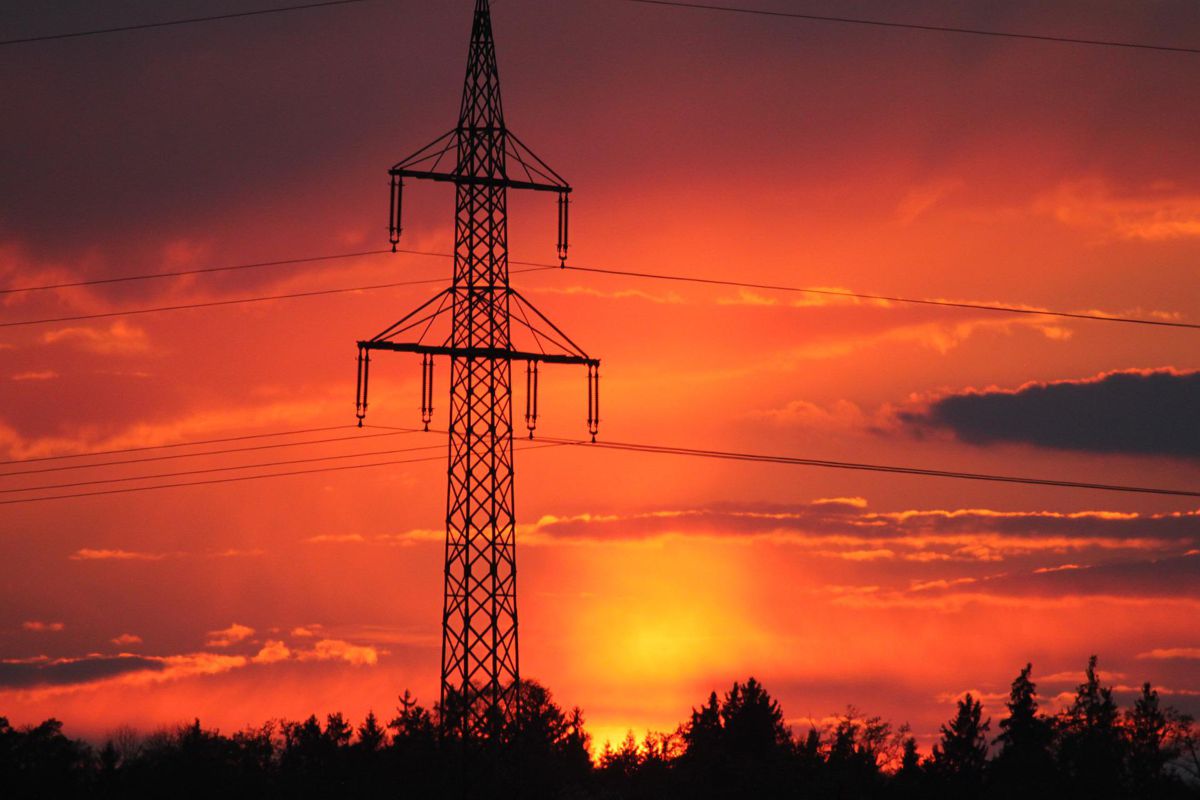
EGRASS assesses the impact on infrastructure as a result of natural hazard events. It estimates the probability of failure for different components of the electrical infrastructure, such as towers, transmission lines and substations, and it analyses the associated risk and impact of their failures on system reliability. It also aids in real-time recovery operations by providing expert judgment for determining alternative power sources for critical end-use loads.
“For the system reliability part, we already had a tool for that. It is called DCAT, the Dynamic Contingency Analysis tool,” Jeff Dagle, Chief Electrical Engineer at PNNL said. “We recognized a gap in our tools as we worked to rebuild the grid after the effects of Hurricane Maria. We wanted to add information like, ‘which power lines would go down’ to gain a better understanding of the fragility of the towers and their susceptibility to substations and to the individual components of the power system. EGRASS does that.” The team designed the model to understand which systems would fail based on certain assumptions about hurricane forces. “We gained an understanding of the impact of weather on the components of the power system to feed into our grid analysis,” Dagle added.
Supported by DOE’s Office of Electricity, and funded by LUMA, EGRASS helps protect and recover the current infrastructure by presenting intelligent modelling to best prepare for future hurricanes. Future plans include extending its applicability to other events, such as earthquakes and floods.
“DOE is committed to helping Puerto Rico strengthen the island’s resilience, and unlock its potential for reliable and affordable energy,” said DOE’s Acting Principal Deputy Assistant Secretary for the Office of Electricity Gil Bindewald. “By leveraging the expertise and cutting-edge capabilities of our national labs, we’re working to modernize Puerto Rico’s critical infrastructure and execute data-driven, community-tailored pathways toward 100% clean electricity.”
EGRASS is now available for use to serve coastal communities worldwide susceptible to hurricanes and other major storms.