Beijing Mining Expo 2027 to Put Technology and Supply Chains Centre Stage
More than 600 companies and institutions from 26 countries and regions took part in the previous Beijing International Mining Expo, with organisers reporting more than 30,000 professional visitors and buyers from over 70 countries and regions. When the exhibition returns to Beijing from 28 to 30 June 2027, those numbers will sit behind a broader question facing the mining sector: how quickly can new equipment, automation and digital systems move from demonstration into everyday production?
The 2027 Beijing International Mining Expo, CIME2027, will bring mining companies, equipment manufacturers, technology developers, investors and industry specialists to the China International Exhibition Center’s Shunyi Hall. The organisers describe CIME as China’s only professional exhibition dedicated specifically to the metal and non-metal mining markets, covering a sector now closely connected with industrial security, advanced manufacturing and access to strategic raw materials.
China has been pushing the modernisation of its mining sector through intelligent equipment, automation, digital integration and greener exploration practices, while policy has placed greater emphasis on mineral resource security and resilient industrial supply chains. Much of the technology expected to deliver that modernisation will be represented in Beijing.
Briefing
- CIME2027 will take place in Beijing from 28 to 30 June 2027.
- The exhibition focuses on metal and non-metal mining and the associated technology and equipment supply chain.
- Organisers report that CIME2026 attracted more than 600 companies and institutions from 26 countries and regions.
- More than 30,000 professional visitors and buyers from over 70 countries and regions attended the 2026 event.
- The Seventh Sino-Foreign Mining Industry Chain Development Forum will run alongside CIME2027.
Mining Equipment Moves Towards Intelligence
China’s mining modernisation programme has moved beyond isolated trials of autonomous vehicles or remotely controlled machinery. National guidance for metal and non-metal mines calls for intelligent development to reflect the conditions of individual operations, including mineral type, mine scale, service life, mining method, geological conditions and the hazards encountered underground or at the surface.
Rather than imposing identical automation systems across very different mines, China’s National Mine Safety Administration has called for mine-specific development plans and the upgrading of existing equipment alongside the introduction of new technologies. Particular attention is being directed towards mines with serious hazards, difficult operating conditions and high-altitude locations.
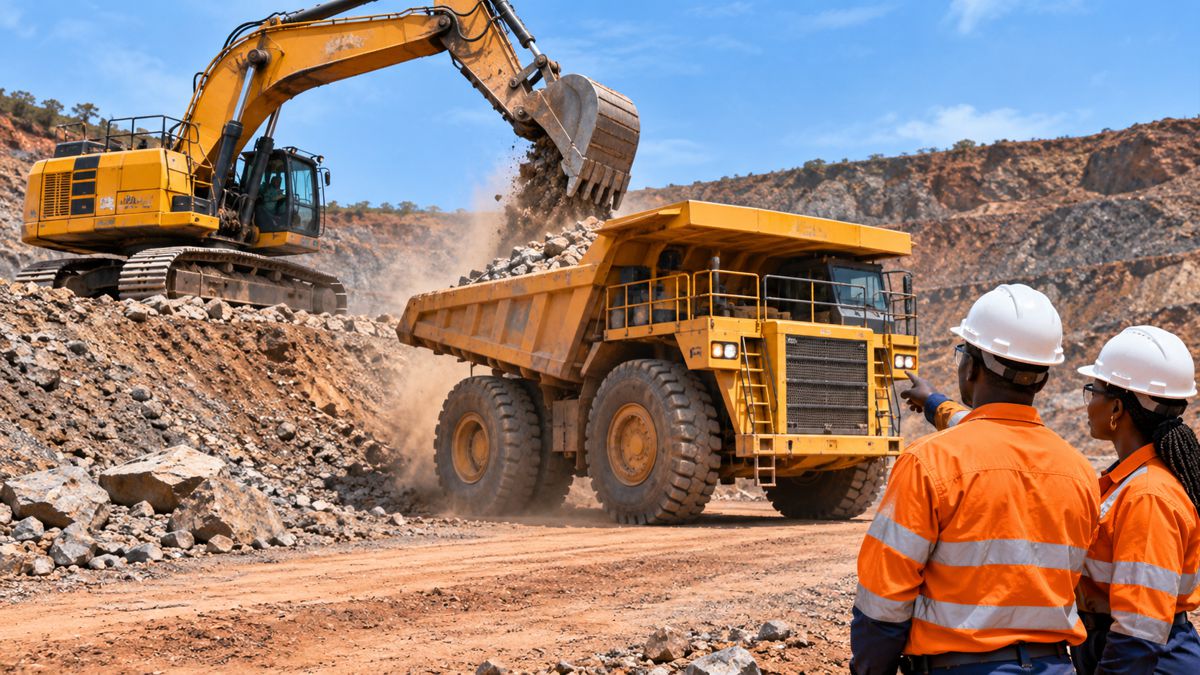
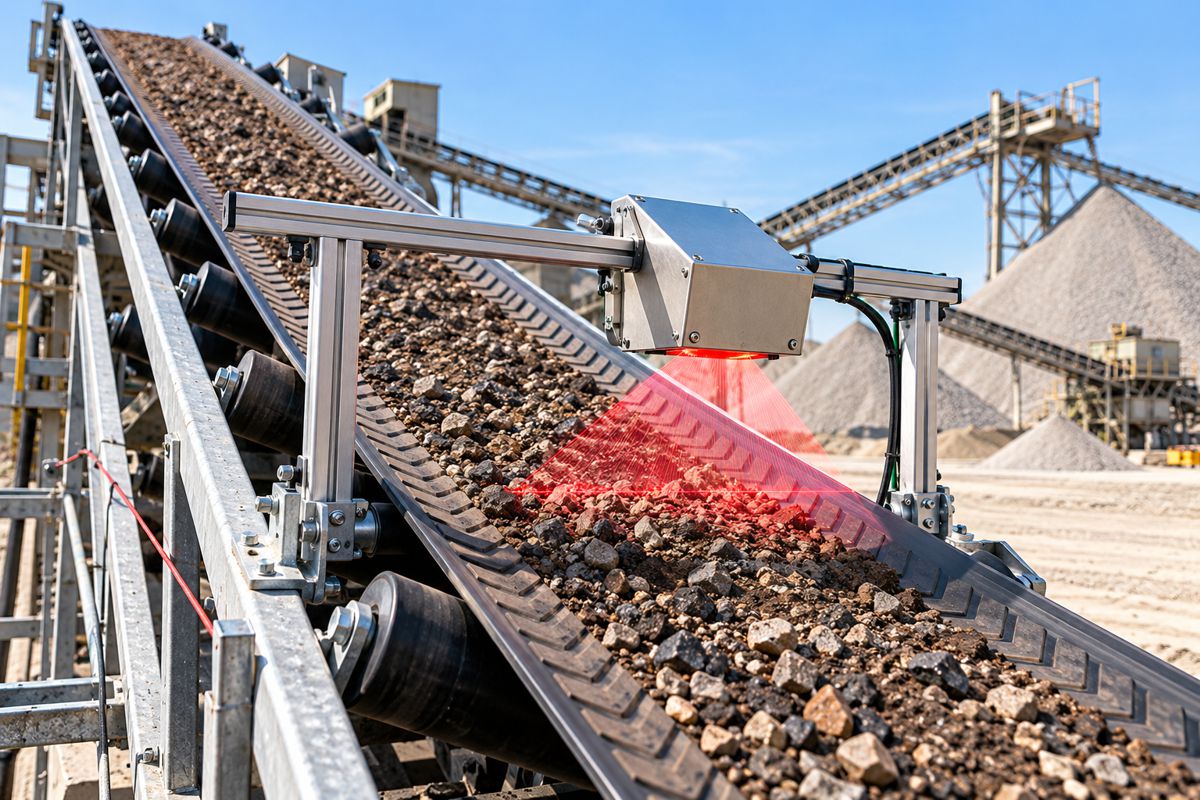
The resulting technology market encompasses far more than autonomous haulage. Intelligent sensing, communications, machine control, environmental monitoring, positioning, robotics, data platforms, predictive maintenance and integrated production systems increasingly sit alongside conventional drilling, excavation, loading, crushing, conveying and mineral-processing equipment.
China’s wider intelligent-mining programme has set targets for reducing the number of people working underground and replacing dangerous and physically demanding work with intelligent equipment and robots. Government guidance has set a longer-term objective of establishing comprehensive mining technology, equipment and management systems by 2030, supported by deeper data integration and greater use of low-personnel and unmanned operations.
A drilling rig, haul truck or crusher remains a physical production asset, but its performance can now depend as much on the sensors, controls, communications and software surrounding it as the mechanical systems doing the work.
Exploration and Green Mining
Modernisation is also moving upstream into mineral exploration. China has been developing a national framework for greener geological exploration, supported by equipment demonstrations and new standards covering operating environments including deserts, grasslands, wetlands, forests and coastal areas.
A three-year standards programme running from 2025 to 2027 includes specifications for green exploration of solid mineral resources. Equipment development has been encouraged alongside those standards, with an initial list covering 135 pieces or categories of exploration equipment identified for upgrading, research, promotion or replacement.
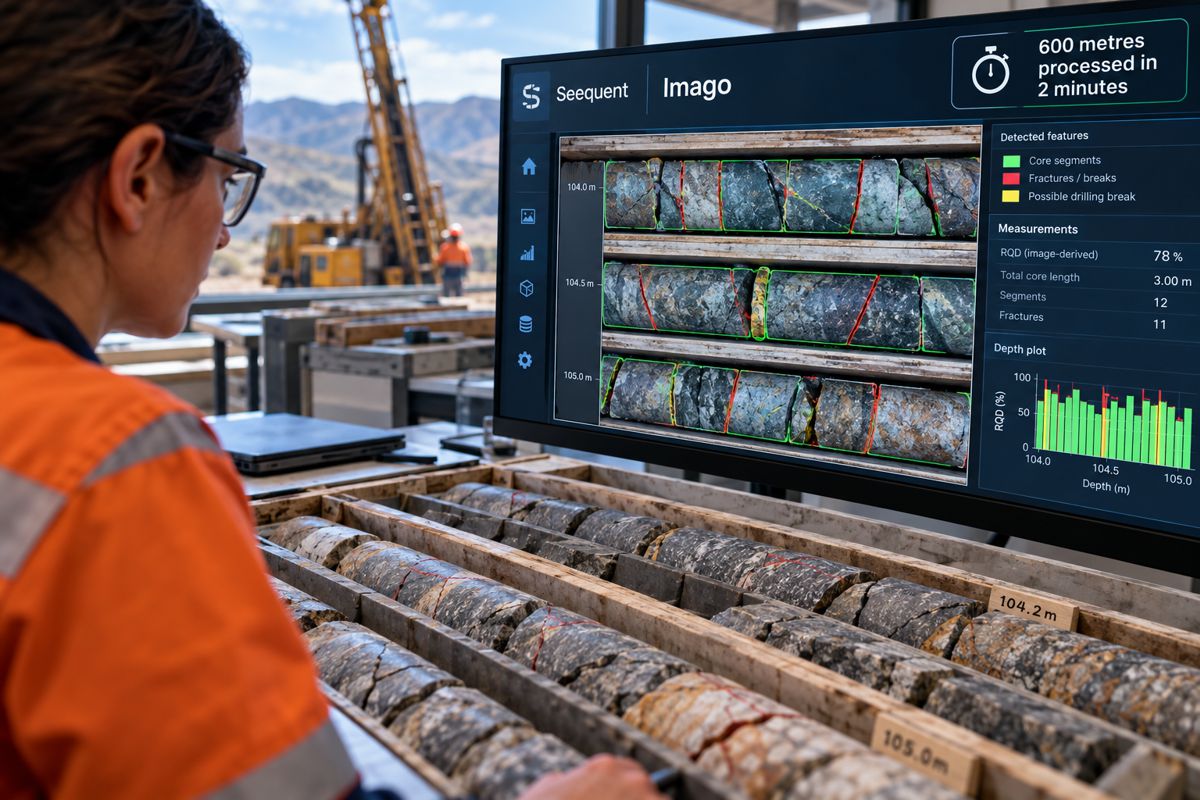
Remote sensing, geophysical equipment, aerial survey systems, drilling technology, laboratory instrumentation and geological data processing all influence what happens before a mine enters production. Digital geological models can also feed mine planning systems, with operational data subsequently refining the understanding of the resource as extraction progresses.
For equipment manufacturers, the opportunity therefore begins well before material is being loaded into a haul truck.
Mineral Processing and the Production Chain
The equipment chain continues after material leaves the mine. Crushing, screening, conveying, grinding, flotation, magnetic separation, filtration and other beneficiation processes determine whether extracted material can be converted economically into a saleable product. Energy consumption, water use, recovery rates and maintenance requirements can have as much influence on mine economics as the productivity of the extraction fleet.
CIME’s scope extends across geological exploration, mining machinery, mineral processing, beneficiation, smelting, mine safety and environmental technologies. Digital mining systems and equipment for tailings treatment, ventilation and dust control also sit within the exhibition.
Mines rarely modernise as isolated collections of machines. Changing a haulage system can affect crushing capacity, while higher production rates can expose bottlenecks in conveying or processing. New sensors can generate data that existing management systems cannot use effectively, and electrification can move energy requirements from fuel logistics into electrical infrastructure.
Equipment consequently has to work within the production system around it. Integration can be as important as the performance of the individual machine.
A Changing Regulatory Environment
CIME2027 will also be held against an updated Chinese regulatory framework for mineral resources. New regulations implementing China’s Mineral Resources Law took effect in June 2026, covering mineral exploration and exploitation, mining rights, resource conservation, ecological restoration, mineral reserves and emergency response mechanisms.
The framework places mineral resource security alongside environmental protection and efficient resource development. Equipment capable of reducing environmental disturbance, improving resource recovery, monitoring operating conditions or removing workers from hazardous tasks sits directly within those operational priorities.
Safety is particularly prominent in China’s intelligent-mining guidance, where automation is explicitly connected with reducing human exposure to dangerous work rather than being treated solely as a productivity exercise.
International Mining Supply Chains
The organisers have placed international cooperation prominently within CIME2027, positioning the exhibition as a platform for trade negotiations, technology exchange and industrial cooperation. The accompanying Seventh Sino-Foreign Mining Industry Chain Development Forum will extend the discussion beyond equipment displays, bringing together mining companies, suppliers, investment organisations and specialists.
Minerals now sit near the centre of international discussions about energy systems, electronics, advanced manufacturing, transport electrification and industrial resilience. Governments and manufacturers are paying closer attention to where materials originate, how they are processed and where production chains are vulnerable to disruption.
Mining technology forms part of that equation. Equipment that improves recovery, reduces waste or makes a difficult deposit economically workable can influence material supply far beyond the mine itself. For international suppliers, Beijing provides access to conversations spanning equipment procurement, technology partnerships, processing and the wider mineral production chain.
Mining Technology in the Real World
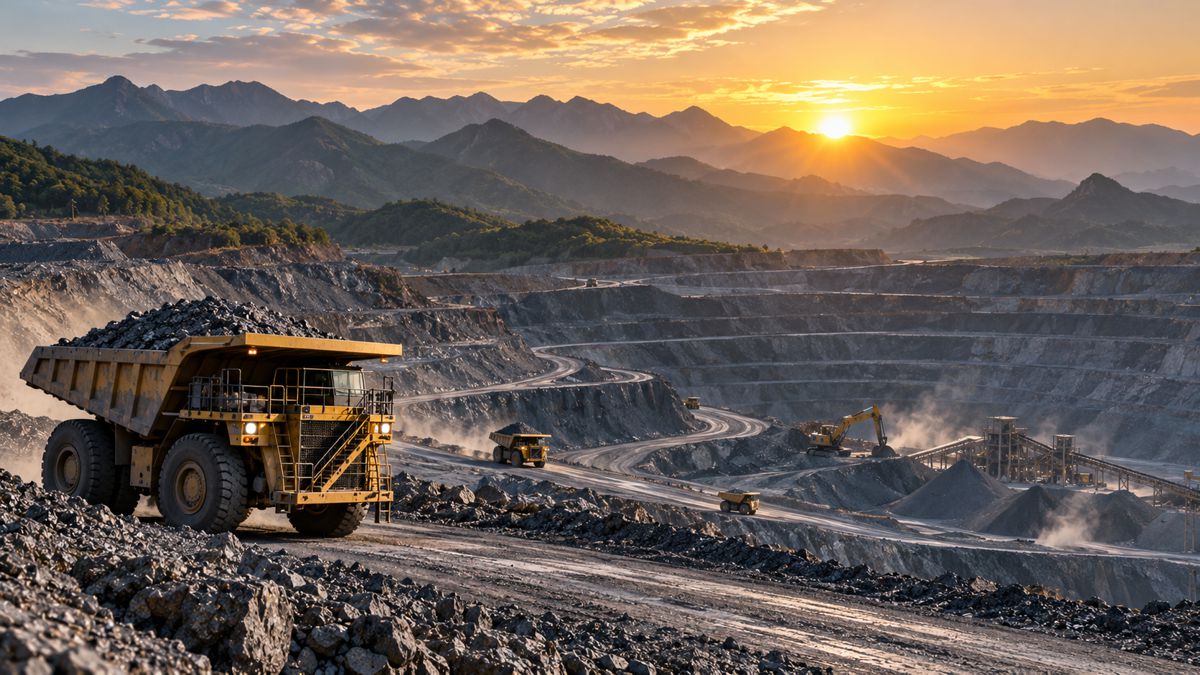
Mining remains an unforgiving environment in which to prove technology. Machines work through dust, water, vibration, abrasive material and temperature extremes, often for long shifts where downtime quickly becomes expensive. Communications systems that operate reliably in controlled environments can face very different conditions underground or across a large open pit.
Autonomous machinery adds another layer of dependency. Haul trucks, drilling rigs and loading equipment require reliable sensing, positioning, communications and machine control, while the data they generate has to connect with production and maintenance systems elsewhere in the operation. Electrification introduces its own questions around charging, power distribution, battery performance and infrastructure.
Those realities make operating evidence particularly valuable. Mining companies need to know whether equipment can deliver its promised productivity and reliability in the conditions where it will actually work, how it integrates with existing fleets and what it will cost to maintain over its operating life.
CIME2027 will open on 28 June and run until 30 June at the China International Exhibition Center’s Shunyi Hall in Beijing. By then, the mining industry’s discussion about automation, digitalisation and resource security will have moved another year forward, and the machinery displayed in Beijing will provide a more tangible measure of where that transition has actually reached.
Key Industry Questions
- When is CIME2027 being held? The 2027 Beijing International Mining Expo runs from 28 to 30 June 2027 in Beijing.
- Where will the exhibition take place? CIME2027 is scheduled for the China International Exhibition Center, Shunyi Hall, Beijing.
- What sectors does CIME cover? The exhibition focuses on metal and non-metal mining, including exploration, mining equipment, mineral processing, beneficiation, safety, environmental technologies and digital mining systems.
- How large was the previous event? Organisers report that CIME2026 attracted more than 600 companies and institutions from 26 countries and regions and more than 30,000 professional visitors and buyers from over 70 countries and regions.
- What other event is being held alongside CIME2027? The Seventh Sino-Foreign Mining Industry Chain Development Forum is scheduled to run alongside the exhibition.
- Why is intelligent mining becoming important in China? Chinese policy connects intelligent mining with improved safety, greater automation, better use of operational data and the reduction of workers exposed to dangerous or physically demanding mining activities.
- Does intelligent mining only concern autonomous vehicles? No. It includes sensing, communications, robotics, machine control, monitoring, data integration and management systems as well as autonomous and remotely operated machinery.
- Why are green exploration technologies relevant to mining equipment suppliers? China is developing standards and equipment programmes aimed at reducing the environmental impact of mineral exploration, creating demand for specialised exploration, monitoring and drilling technologies.
Strategic Takeaways
- China’s mining modernisation programme is creating demand across machinery, automation, sensing, communications, robotics and software rather than within a single equipment category.
- Mine-specific intelligent development favours technologies that can integrate with existing fleets and operating systems.
- Green exploration extends the equipment opportunity upstream, before mine development and production begin.
- Mineral processing and beneficiation remain central to mine economics, particularly where energy, water and recovery rates determine project viability.
- CIME2027 provides international suppliers with a route into conversations spanning equipment procurement, technology partnerships and mineral supply chains.